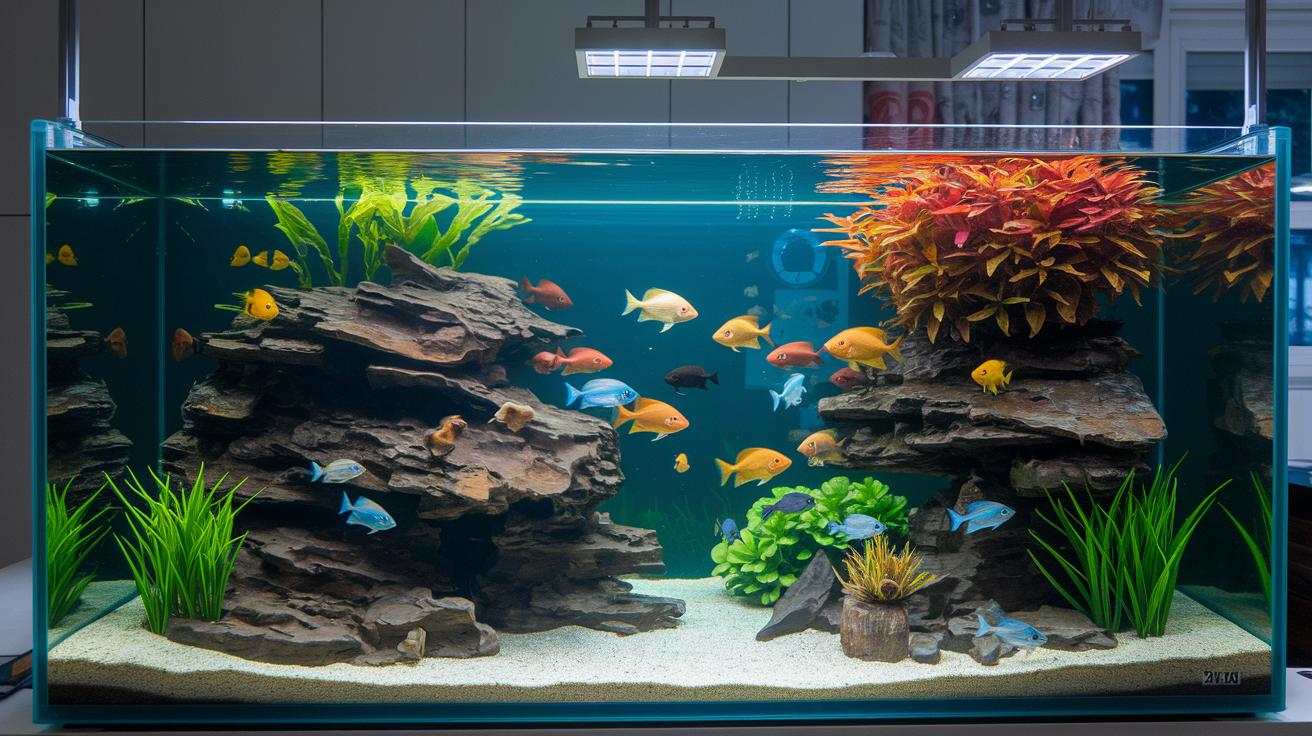

Have you ever thought a 100-gallon aquarium could be the upgrade your underwater world needs? It gives you tons of room for fish, plants, and decor to grow and shine. Whether you choose a solid glass tank or a smart acrylic one with built-in leak safety, each option brings its own special vibe.
In this chat, we'll dive into different 100-gallon tanks so you can pick the one that fits your underwater dream best. Stick around to see which model might help your aquatic setup come alive!
100 gallon fish tank: Awesome Reviews & Setup
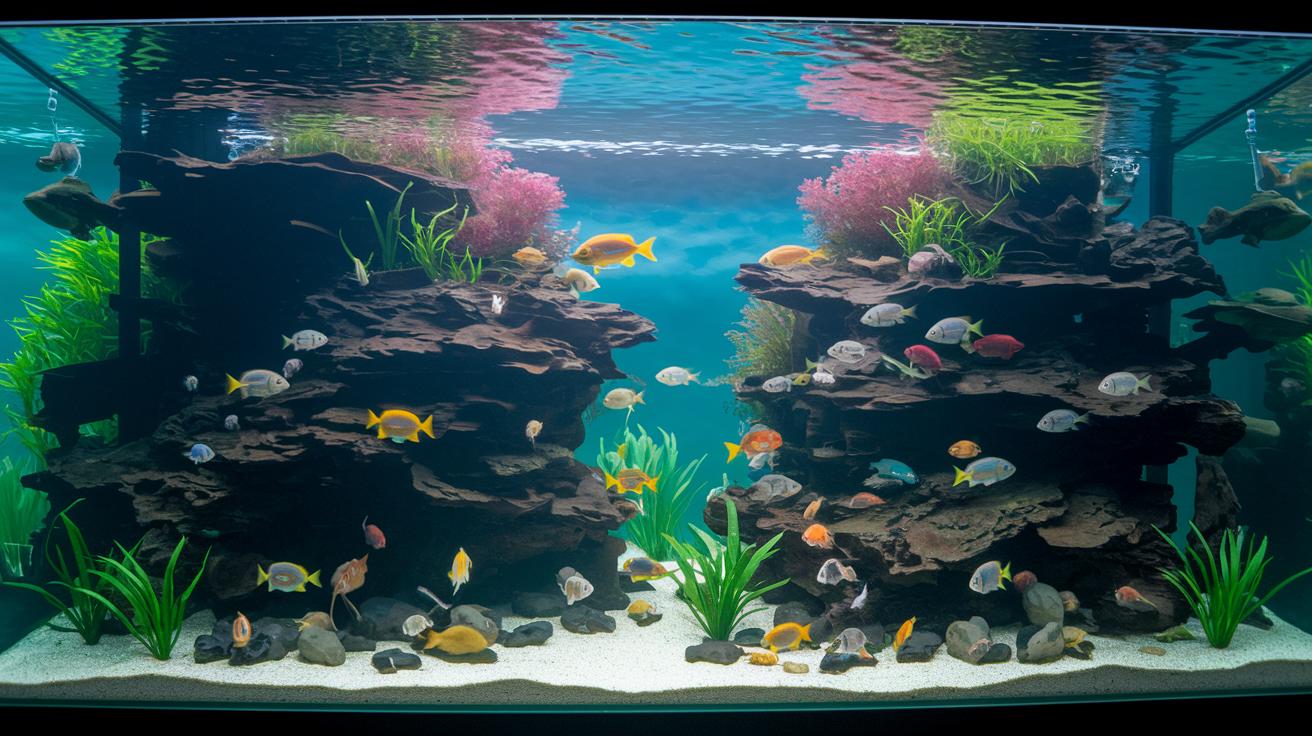
When you’re planning your own underwater world, the size of your tank really matters. A regular glass 100-gallon tank measures about 48 inches long, 18 inches wide, and 24 inches tall. This size gives your fish, plants, and little decorations plenty of space to swim and grow. But if you love that extra crystal-clear view and a sturdy build, you might enjoy the Clear For Life acrylic tank. It’s a bit different at 60 inches wide, 18 inches long, and 20 inches high, plus it comes with a special lifetime leak warranty. For those who appreciate a built-in boost, the Uniquarium model offers built-in filtration with the same reliable measurements. And if you’re after something unique, the Pentagon acrylic tank stands out with its cool pentagon shape, measuring 36 by 36 by 24 inches, proudly made in the USA and backed by a lifetime warranty.
Below is a side-by-side look at the most popular 100-gallon tank choices:
| Model | Material | Dimensions | Features | Warranty |
|---|---|---|---|---|
| Standard Glass Tank | Glass | 48″ L × 18″ W × 24″ H | Simple design | N/A |
| Clear For Life Acrylic | Acrylic | 60″ W × 18″ L × 20″ H | Leak protection | Limited Lifetime |
| Uniquarium | Acrylic | 60″ W × 18″ L × 20″ H | Built-in filtration | Limited Lifetime |
| Pentagon Acrylic Tank | Acrylic | 36″ × 36″ × 24″ | Unique shape, USA-made | Lifetime Warranty |
This handy comparison makes it easy to choose the 100-gallon tank that best fits your aquatic style, whether you’re considering a 55-gallon tank for a little change or deciding to upgrade to a spacious 125-gallon setup.
Key Equipment Components for 100 Gallon Setups
Filtration
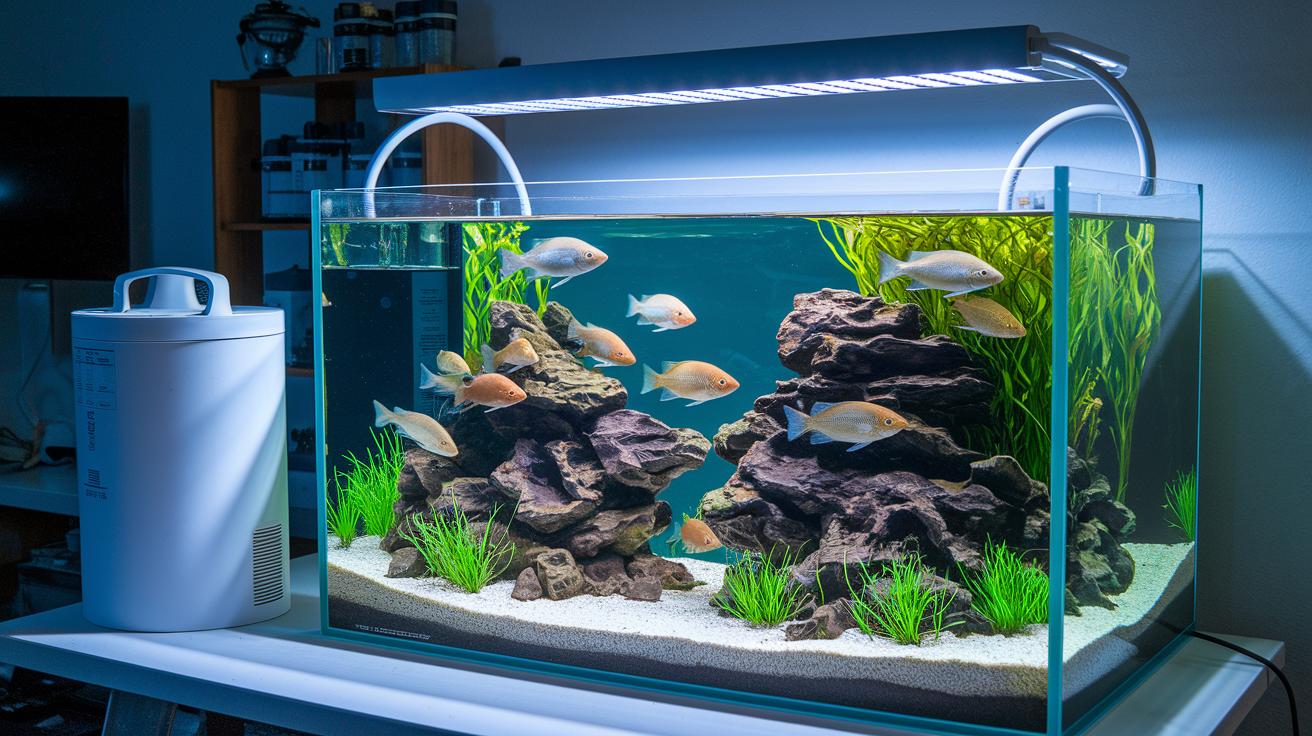
When setting up a 100 gallon tank, keeping the water fresh and clear is super important. I always suggest using a canister filter that flows at 400 gallons per hour or more. This type of filter works like a little underwater janitor, capturing debris and letting good bacteria thrive. You could even mix in a sump system to boost the biological cleaning power and spread heat evenly, kind of like giving your fish a warm, gentle hug. Even though submersible filters are easy to manage, a canister filter usually wins for a tank this size.
Heating
Making sure your tank stays cozy is key for a healthy aquatic setup. A good rule is about 4 to 5 watts per gallon, so your 100 gallon tank should have somewhere between 400 and 500 watts of heat. Many hobbyists split the heat into two 200 watt units, giving you a backup if one ever fails, it's like having a plan B to keep your water steady. Placing those heaters where the water flows freely and using a trusted thermostat can help keep everything just right for your finned friends.
Lighting
Lighting isn’t just for show, it highlights the natural colors of your fish and helps aquatic plants flourish. A smart move is to use LED lights at roughly 1 watt per gallon, which means your tank will need around 100 to 200 watts. Full-spectrum LEDs act a lot like natural sunlight, encouraging plants to grow and making fish colors pop. If you can adjust the brightness to mimic a sunrise and sunset, it creates a wonderful, calming effect across your tank, almost like watching the gentle ripple of a natural pond.
Installing a 100 Gallon Aquarium: Detailed Procedure
Preparing the Stand and Tank
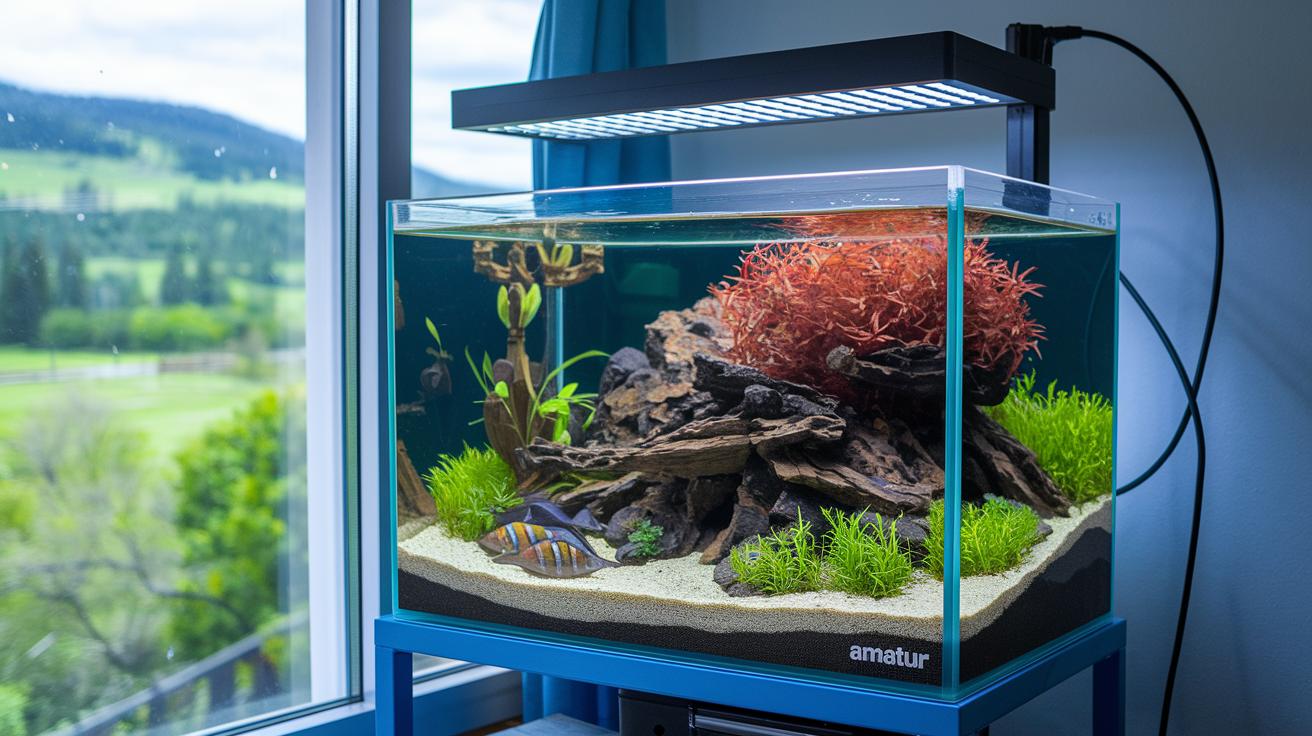
First, pick a great spot for your aquarium. Choose a room where the tank won’t be jostled around and where you can reach it easily for cleaning. If you’re getting a custom stand, be sure to plan ahead, it might take 6 to 8 weeks for it to be made and delivered. When you build or set up your stand, follow a trusted DIY guide so you can be sure it’s safe and level. Keeping it level within just 1/8 inch helps prevent any cracks or shifts later on.
Once your stand is ready, put it in a spot with good airflow and nearby electrical outlets for your equipment. Do a quick safety check by looking for any weak spots and making sure the stand holds up firmly when weight is applied. It’s a good idea to have a friend help you slide the tank into place. A handy tip is to check every point of contact for stability because even the tiniest wobble might cause trouble down the road.
Completing Setup and Water Cycling
Next, set your sights on filling and cycling your tank. Start by spreading out your substrate. A 2-3 inch layer of nutrient-rich base with an extra inch or two of sand or gravel on top can give you a lovely, natural aquascape. As you add water, get all your gear in place, like heaters, filters, and LED lights, to not only create a pretty view but also to support a healthy environment for your fish and plants.
After everything is installed, let the tank rest for 4 to 6 weeks so the nitrogen cycle gets going. This period is important because good bacteria will grow and help break down waste, keeping the water chemistry balanced. During this time, keep an eye on your water and make small tweaks if needed. Following these simple steps will set you up for many years of clear, lively aquatic life.
Aquascaping and Decoration Strategies in 100 Gallon Fish Tanks
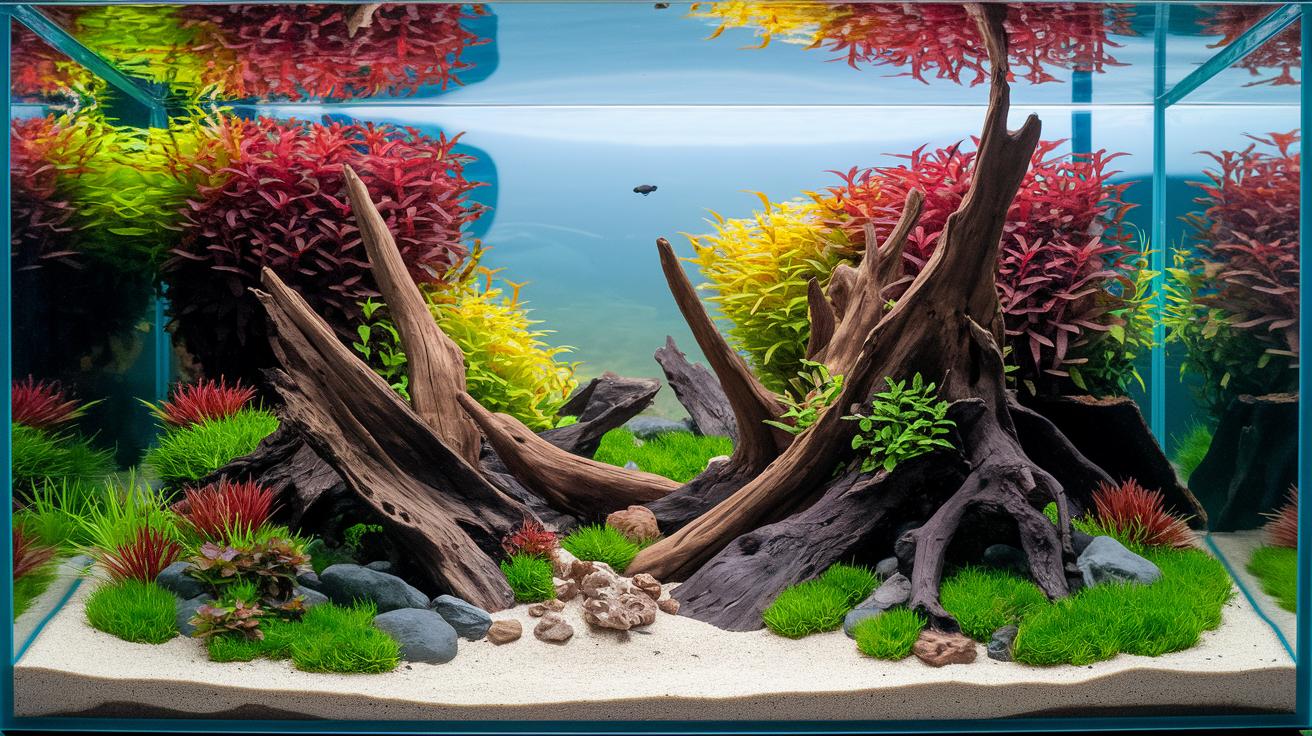
Start by planning a smart base for your tank. Lay down a 2- to 3-inch layer of nutrient-rich substrate and cover it with a 1- to 2-inch layer of clean sand or gravel. This setup gives your plants the minerals they need and creates a beautiful stage for your aquarium. Picture it like a gentle shoreline that welcomes your aquatic friends to settle in.
Then, add some hardscape elements. A few large pieces of driftwood or slate rock can add depth to your tank, especially in a 60-inch wide space. These natural accents not only make a great focal point but also create cozy hiding spots for your fish, just like secret coves along a stream. Arrange them to mimic nature, helping both your tank’s look and your live plants flourish.
Next, consider a background panel. Whether it’s printed or painted, a soft backdrop can make the colors of your fish and plants pop, much like a perfect stage for an underwater performance.
Lastly, mix different heights and careful placements in your aquascape. This thoughtful approach transforms your 100-gallon tank into a living piece of art, inviting your fish to explore and you to enjoy its calming beauty.
Top Fish Species Compatible with 100 Gallon Systems
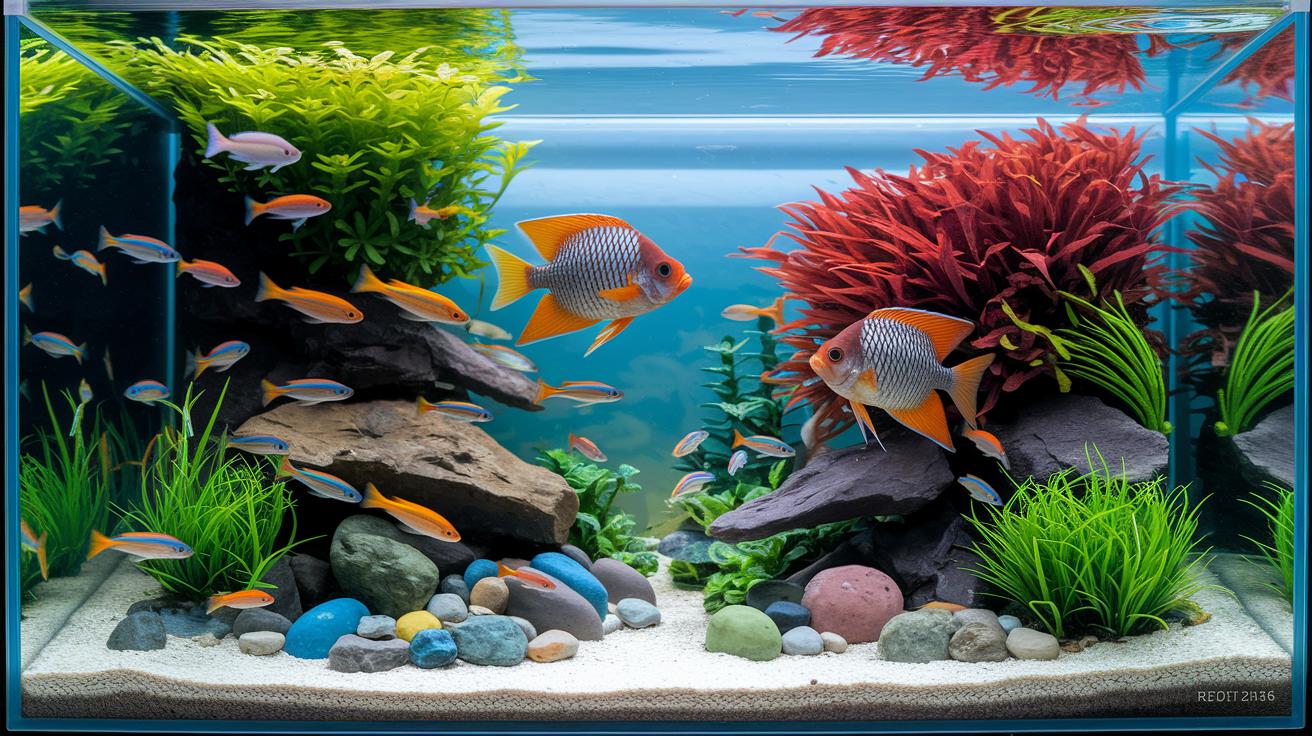
A 100 gallon tank gives you plenty of room to set up either a lively community or a focused display of one species. Imagine a friendly mix where you have around 10-12 medium tetras, about one inch per fish, as they swim among a pair of 4-inch angelfish. This setup lets every fish glide comfortably through the water, just like watching a gentle current carry leaves downstream.
When putting together a tank community, it’s important to choose fish that match well in personality and like the same water conditions. Knowing how each fish behaves is like learning their favorite currents in a stream.
You can also pick a single type of fish for your tank. Take goldfish, for example. They need about 20 gallons each when fully grown, so a 100 gallon tank is perfect if you give them plenty of space, around 40 gallons in total. Because goldfish need so much room, they might not mix as easily with smaller, less demanding fish.
Then there are African cichlids, which need roughly one gallon for every one to one and a half inches of their adult size. If you’re thinking of having four 6-inch cichlids, they’d need about 24 gallons of space. In truth, giving your fish the right amount of room is like creating a peaceful underwater ballet, where every creature has its own space to flourish.
In the end, balancing your choices is key to keeping your tank stress-free and beautiful, a true haven for your aquatic friends.
Keeping Your 100 Gallon Aquarium Healthy: Maintenance Routines
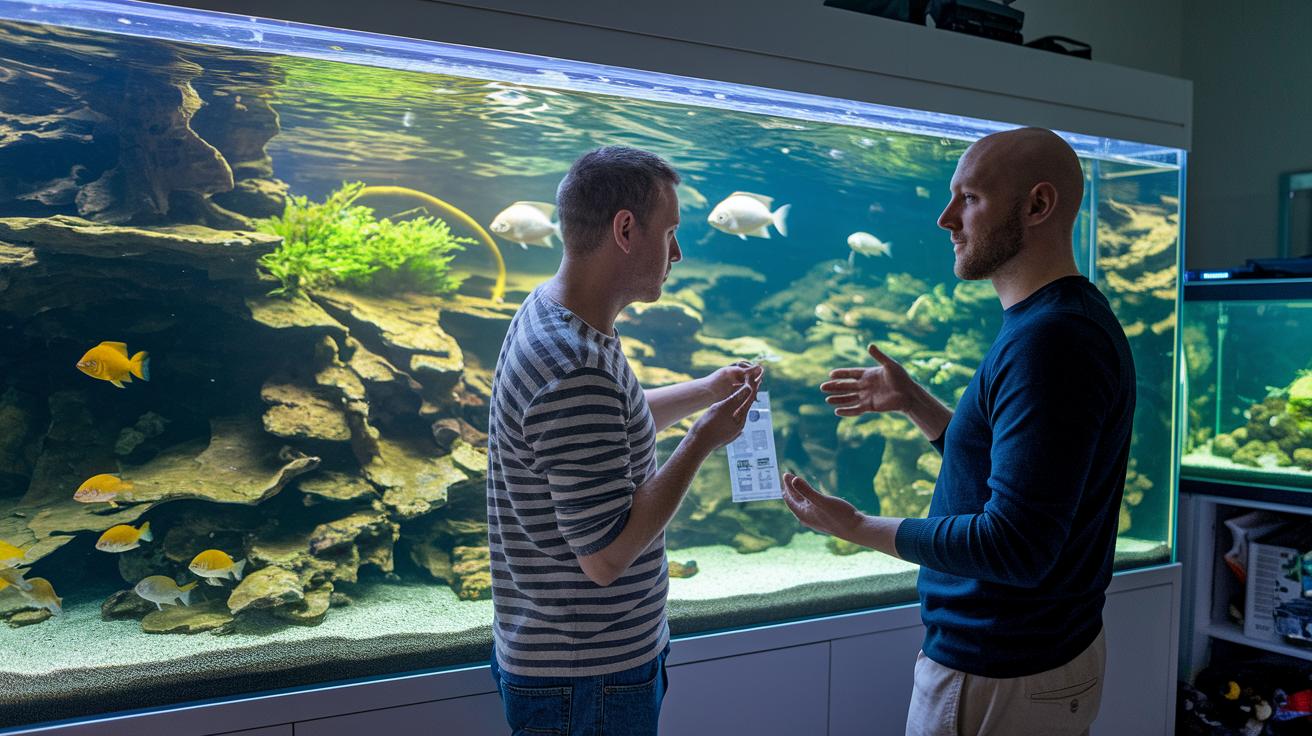
Keeping your tank in top shape is like giving it a daily dose of goodness. Every week, try changing out about 15 to 20% of the water, and always mix in a dechlorinator as you add the fresh water. Matching the temperature of the new water to what’s already in the tank helps keep your fish comfy and calm. I like to imagine it as a gentle, refreshing shower that keeps the water sparkling and your fish smiling.
The heart of a healthy aquarium is in its equipment, so don’t forget your filter media. Make it a habit to clean or replace these once a month, always checking that the water flows smoothly. When rinsing, use water from the tank so you don’t wash away the helpful bacteria that break down waste. This little extra love for your equipment means fewer surprises later and a more relaxed underwater world.
It’s also key to keep an eye on your water’s chemistry. Testing the pH, ammonia, nitrite, and nitrate levels every week can catch tiny issues before they become big troubles. Keeping the pH between 6.8 and 7.4 makes a safe, cozy home for most freshwater fish. A bit of regular testing goes a long way in keeping your 100-gallon habitat a happy, thriving space for all your aquatic friends.
Cost Breakdown and Budget Guide for a 100 Gallon Tank
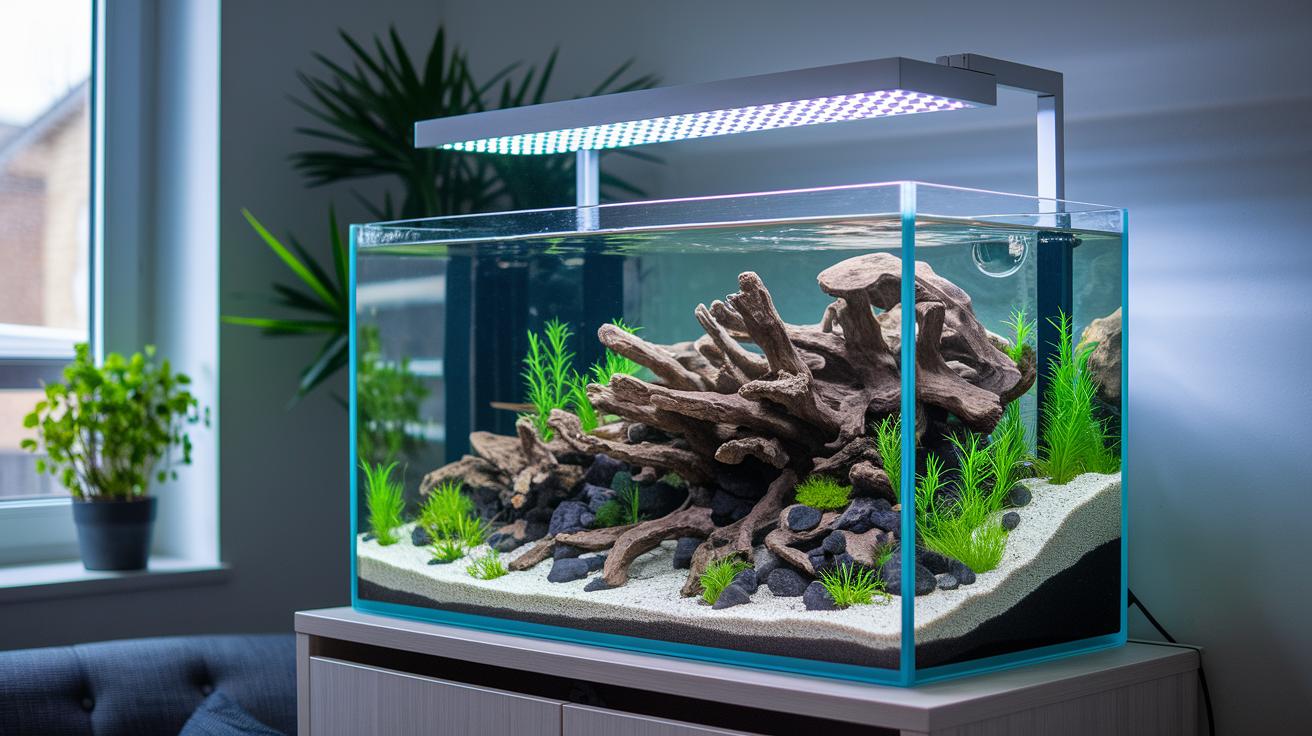
Getting your 100 gallon tank ready is kind of like working on a cool underwater puzzle. Every part of your setup comes with its own price tag, and knowing these details helps you create a balanced aquarium without any unwelcome surprises. First off, there's the tank itself. Glass tanks cost about $500 to $800, and if you choose acrylic, be ready to spend up to $1,500.
Next, think about the stand and hood. A simple combo might run you around $200, but if you want custom cabinetry, that can climb to $1,200. It’s like picking the perfect spot to display your favorite fish, a bit of extra investment can really make a difference.
Now, imagine the filter system as the beating heart of your tank. A good filter for 100 gallons usually costs between $150 and $300. Lighting is another key player; investing in quality LED lighting will cost you between $100 and $200, and it makes your aquarium sparkle just like a lively coral reef. The base layer, or substrate, is also important and usually falls in the $50 to $100 range.
For a clear, simple view of your investment, check out the budget guide below:
| Item | Low Cost | High Cost |
|---|---|---|
| Tank | $500 | $1,500 |
| Stand/Hood | $200 | $1,200 |
| Filtration | $150 | $300 |
| Lighting | $100 | $200 |
| Substrate | $50 | $100 |
| Total | $1,000 | $3,300 |
It’s amazing how each choice fits together, just like creating a vibrant underwater scene. Ever notice how designing an aquarium feels a bit like setting up your own little ocean? Enjoy piecing it together and watching your aquatic masterpiece come to life.
Final Words
In the action, we explored key details for setting up your ideal aquatic habitat, from tank specifications and equipment choices to decorating and maintaining a healthy environment. We compared various models, walked through essential installation steps, and shared tips on fish compatibility and upkeep in a 100 gallon fish tank. Each step builds on creating a space that's both visually appealing and supportive for your aquatic pals. Enjoy every moment as your tank becomes a vibrant home for stunning fish and lively decor.
FAQ
What are the typical dimensions of a 100 gallon fish tank?
The standard 100 gallon tank measures about 48″ L x 18″ W x 24″ H, though alternate models may vary in size to suit different design features.
What does a 100 gallon fish tank cost and where can I find one for sale?
A 100 gallon tank costs between $500 and $1,500, depending on whether it’s glass or acrylic and its features. Specialty aquarium retailers and online stores often offer them for sale.
How many liters is a 100 gallon fish tank?
The 100 gallon tank holds roughly 378 liters of water, providing plenty of space for various fish species.
How do tank sizes differ between 50, 75, 100, and 200 gallon models?
A 50 gallon tank is compact, a 75 gallon offers moderate space, a 100 gallon balances size and manageability, and a 200 gallon tank provides extensive room for larger setups.
Does Petco sell 125 gallon tanks?
Petco’s stock can vary, so while they may offer 125 gallon tanks, it’s best to check with your local Petco or their website for the most current availability.
How many fish can fit in a 100 gallon tank?
In a 100 gallon tank, you can comfortably house around 10-12 medium-sized fish following a one-inch-per-fish guideline, with fewer fish for larger species to ensure healthy swimming space.
How much does it cost to run a 100 gallon fish tank?
Running a 100 gallon tank typically costs about $20 to $50 per month, covering equipment operation, lighting, heating, and routine maintenance expenses.