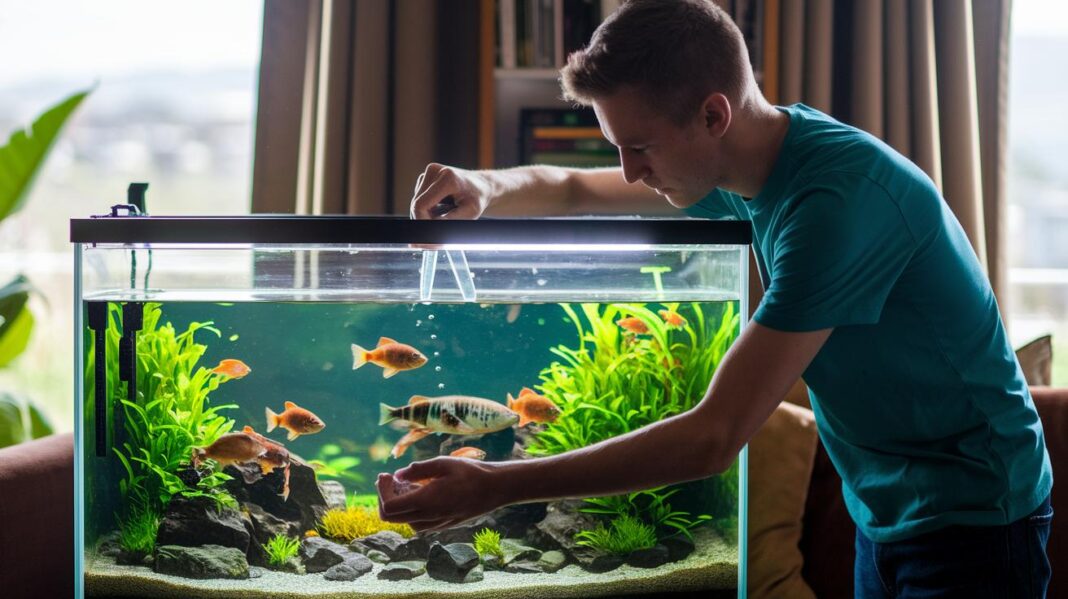

Ever thought that a little extra care might transform your aquarium into a true work of art? Upgrading your fish tank routine with clever cleaning tricks is like polishing a treasured seashell until it gleams bright in the sunlight. When you use these simple methods, your tank becomes a safe, lively home that your fish will love. This guide breaks down easy, thoughtful tips that refresh your aquarium's health and beauty, giving your underwater world a sparkle that feels as refreshing as a cool, clear current.
Mastering Precision Maintenance Techniques for Your Fish Tank
When it comes to keeping your aquarium lively and bright, a few special tricks can make all the difference. Imagine taking gentle care of your tank like you would polish a favorite seashell. For instance, cleaning your low-iron Starphire Ultra-Clear Glass with a little vinegar solution not only keeps algae at bay but also makes sure your water stays as clear as a calm sea. It’s kind of like the difference between a hasty swipe and really buffing the glass until it sparkles, giving your fish a safe and shiny home.
Every part of your tank can benefit from this thoughtful approach. Routine vacuuming of the gravel helps remove any bits of food or waste, much like sweeping away tiny pebbles from the bottom of a stream. And when it’s time to refresh the water (you can even check out tips on dechlorinating it at https://sweetfysh.com?p=1819), you’re simply setting the stage for a balanced mini-ecosystem. Using special stainless steel scissors to trim your live plants helps them grow strong and neat, so they look as crisp as rippling sea grass.
Advanced filtration systems and lighting that mimics natural sunlight add to the charm by supporting life just like nature does. After a careful session of trimming and cleaning, you might pause and admire your aquarium’s new, balanced look – almost like an artist stepping back to appreciate a newly finished painting.
- Precision glass cleaning
- Routine substrate vacuuming
- Scheduled water changes
- Specialized plant trimming tools
- Advanced filtration setups
- Natural spectral lighting
By mastering these techniques, you transform your aquarium into a serene, thriving underwater haven. Every careful clean and thoughtful water change works together to boost your fish’s health and plant growth, reflecting the love and dedication you bring to your aquatic world.
Precision Water Chemistry Balancing in Advanced Fish Tank Maintenance
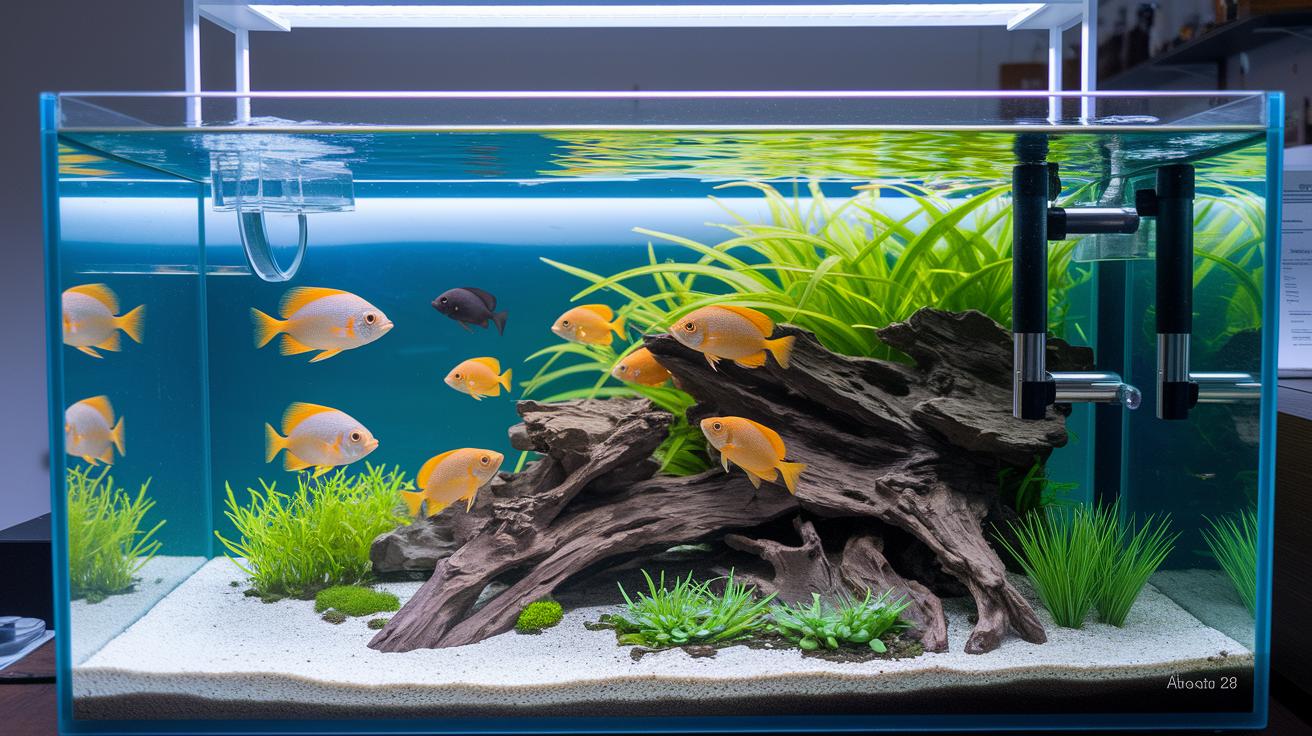
Keeping your tank's water chemistry just right is a bit like ensuring a calm, steady current in your favorite stream. When the balance is spot on, your fish swim happily and your plants thrive, much like they would in nature.
The key things to keep an eye on are:
- pH
- General Hardness (GH)
- Carbonate Hardness (KH)
- Ammonia (NH₃/NH₄⁺)
- Nitrite (NO₂⁻)
- Nitrate (NO₃⁻)
Buffered additives help keep your tank’s carbonate hardness stable, which in turn keeps the pH level nice and even. Adding these to your routine can really ease those sudden shifts that might stress your fish or upset your plant's nutrient balance.
Digital sensors are another helper in your aquatic setup. They check your water quality all the time, watching pH, GH, KH, and the levels of ammonia, nitrite, and nitrate. It’s like having a little buddy who lets you know when to adjust your care routine, making dosing much more precise and cutting back on manual guesswork.
Precision dosing systems and dechlorination agents work together to manage unwanted chemicals and extra nutrients. Regular water changes also play a big role by washing away built-up waste. This careful attention creates a stable, healthy home where lush plants can grow and active, healthy fish can swim around happily.
Isn’t it neat how every little adjustment helps make your underwater world feel as natural and comforting as a gentle stream?
Optimized Filtration System Upkeep for High-Tech Aquariums
Your filtration system is like the beating heart of your aquarium, keeping the water clear and inviting, just like a gentle brook on a sunny day. Start by giving a little extra care to your pump and cascade filter. Take the pump apart to clean its spinning impeller, much like oiling a well-tuned engine, and rinse out the cascade filter to free it from trapped debris. This simple routine keeps water flowing smoothly and helps the entire tank stay in balance.
Then, for more advanced upkeep, try some extra steps like media regeneration and sterilization. Your filter media gets a fresh start when you backwash and let it soak, clearing away tiny particles that regular cleaning might miss. Ultrafiltration modules work like tiny nets, catching microscopic bits, while UV sterilization gently zaps germs without using harsh chemicals. For an extra boost, you can even add an ozone treatment, and smart alerts will remind you when it’s time to replace the media. With these practices, every part of your filtration system can shine at its best, creating a calm and healthy underwater world.
| Component | Maintenance Task | Frequency |
|---|---|---|
| Pump | Disassemble & clean impeller | Monthly |
| Cascade Filter | Backwash media | Bi-weekly |
| Ultrafiltration Unit | Replace membrane | Quarterly |
| UV Sterilizer | Clean quartz sleeve | Monthly |
| Ozone Module | Inspect tubing | Monthly |
Automated Cleaning Protocols and Smart Controller Integration
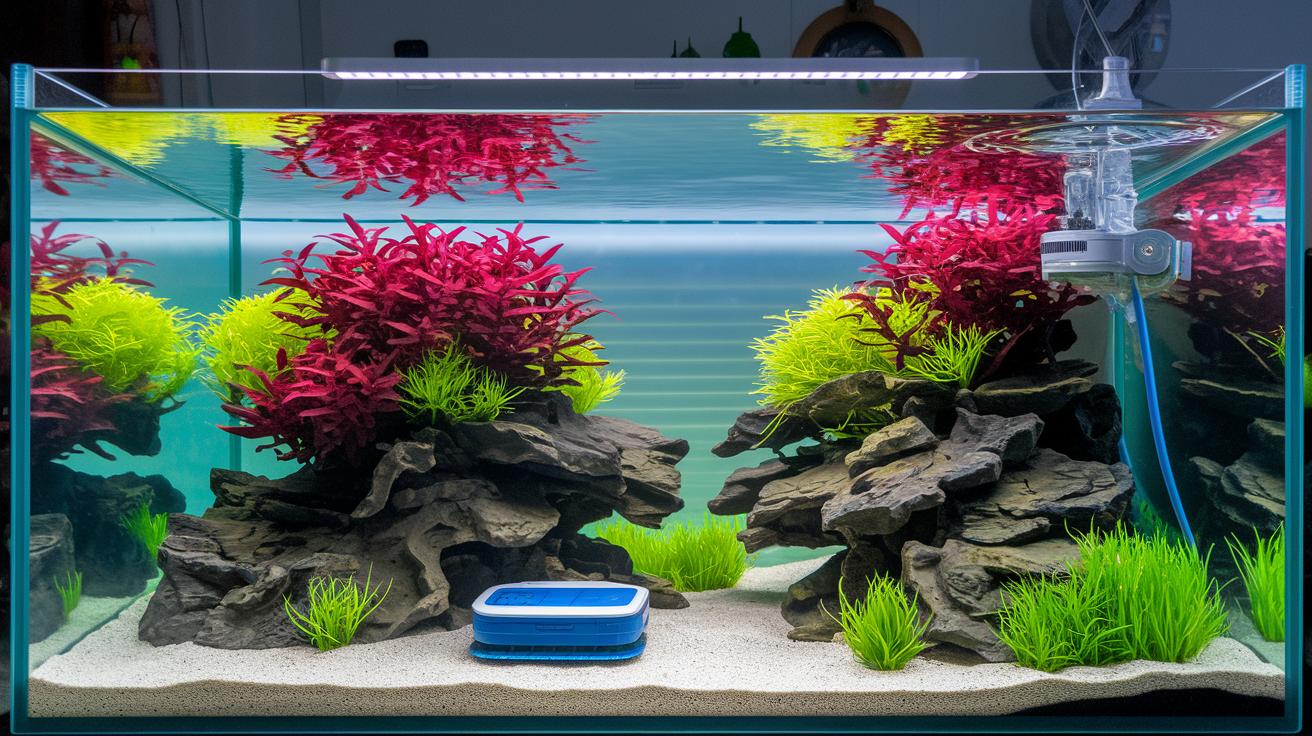
Automation in your aquarium can really ease your daily routine while making everything more precise and reliable. By scheduling regular cleaning sessions, tasks like vacuuming the gravel and scrubbing the glass happen on their own, leaving you free to enjoy the peaceful beauty of your underwater world.
Robotic Glass Cleaners
Robotic glass cleaners are simple to set up in your tank and run on a regular schedule. Their smart brushes gently brush away the slimy film, leaving your tank glass clear and bright. Picking the right brush and timing the cleaning when your fish are resting means minimal disturbance and a sparkling view all day.
Programmable Gravel Vacuums
Programmable gravel vacuums handle the cleaning of your substrate with care. These devices let you control the suction strength so that debris gets removed without wasting much water. You can set up cleaning cycles that suit your tank’s needs, keeping the gravel neat without you lifting a finger.
Integrated Smart Controllers
Smart controllers act like the brain of your system. They manage everything from pump cycles, dosing pumps, and lighting to even CO₂ injection. With all these functions in one easy-to-use interface, your aquarium runs just right. Plus, with remote monitoring and digital logs, you can keep an eye on water quality and receive handy alerts, letting you relax and enjoy your high-tech aquatic haven.
Intricate Algae Control Methods and Substrate Care Optimization
Algae can quickly steal the sparkle from your aquarium and upset the balance of your underwater world. When algae take over, they not only cover the glass but also signal that your tank might need a bit of extra care. Keeping your water clear doesn’t just mean scrubbing away the green, it means taking steps to stop it from growing in the first place.
Some friendly tips include:
- Keeping lighting controlled
- Adding algae-eating fish or invertebrates
- Using a gentle vinegar cleaning solution for stubborn spots
- Reducing phosphates through regular water changes
- Removing buildup with biofilm scrapers and brushes
Regularly vacuuming the substrate is also key. Using a dual-tube siphon gravel vacuum lets you clean out debris like uneaten food and detritus while keeping most of the water in your tank. This method, which feels as gentle as a soft current, uses aquarium-safe tools that remove scum and biofilm without disturbing your live plants. It’s a way to preserve the natural feel at the bottom of your tank, keeping it as inviting as a peacefully gurgling brook.
| Method | Tool | Benefit |
|---|---|---|
| Gravel vacuum | Dual-tube siphon | Low water loss; Detritus removal |
| Surface skimmer | Skimmer net | Biofilm removal |
| Brush scrapers | Silicone blade | Glass cleaning |
| Gentle siphon | Macro-tube | Plant safe cleaning |
Nutrient Regulation Techniques and Live Plant Supplementation
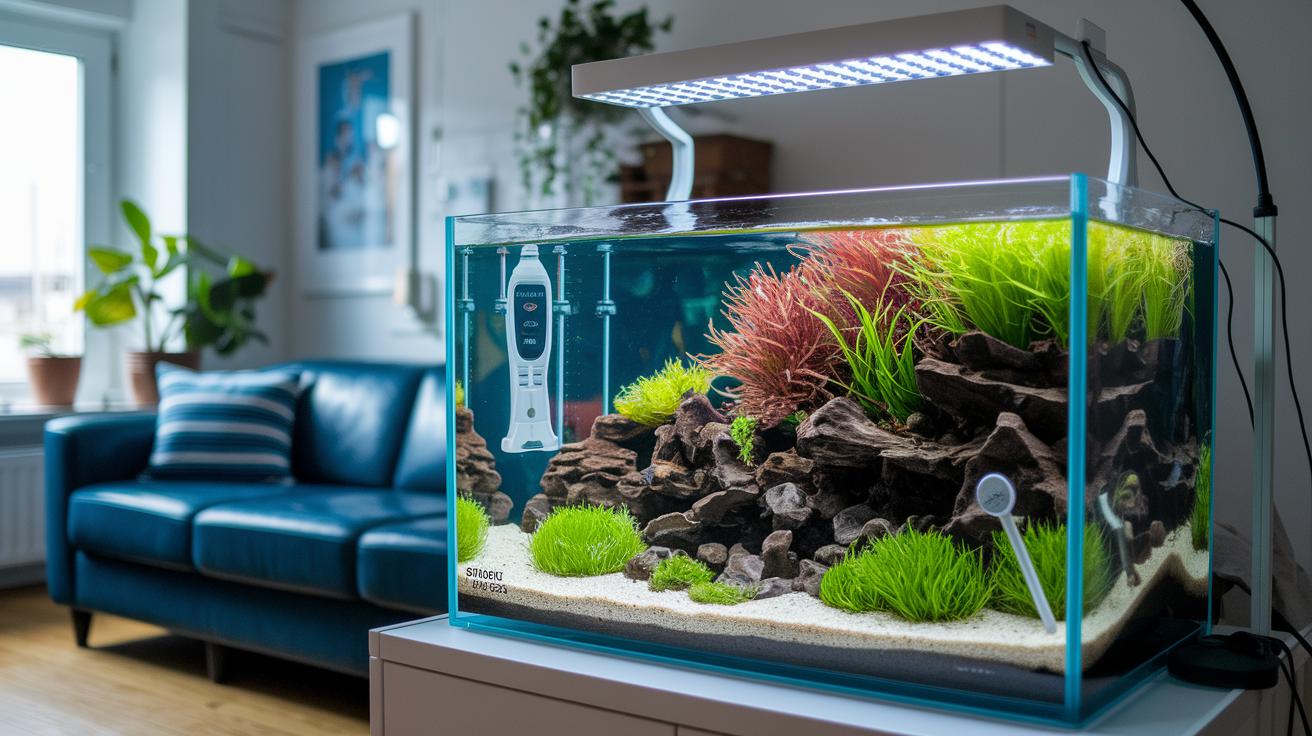
Imagine your plant nutrients flowing like gentle tides. In your aquarium, live plants absorb the good stuff and then release any extras as waste. This natural rhythm keeps vital minerals swirling around your tank just like the calm ripples on a peaceful pond. Using the right trimming tools helps your plants take in nutrients evenly, so they grow strong and full.
Keeping nutrient levels balanced is the secret to a bright and inviting aquascape. Dosing pumps add big nutrients like nitrogen, phosphorus, and potassium, and even the tiny bits like iron, in a regular, measured way. By checking nitrate and phosphate levels often, you can stop any shortages or excesses that might stress your fish or plants.
| Parameter | Range |
|---|---|
| Nitrate | 10–20 ppm |
| Phosphate | 0.5–1.5 ppm |
| Potassium | 10–20 ppm |
| Iron | 0.1–0.3 ppm |
| Trace Elements | Per manufacturer’s guidelines |
| CO₂ | 20–30 ppm |
Automated CO₂ control systems team up with weekly water checks to keep carbon levels steady. When these systems adjust on time, your plants get just the right amount of carbon, and nothing extra. This careful balance lets your plants grow consistently and keeps the whole aquarium ecosystem in tune, reflecting your attentive care and passion for a thriving underwater world.
Proactive Bio-load Management and Fish Health Monitoring
Keeping your tank’s waste in check is like making sure the water in your favorite pond stays clear and welcoming. When waste levels are low, your fish are shielded from harmful toxins, and ammonia plus nitrite stay super low at less than 0.01 ppm. This steady care creates water that's just right, easing any stress your fish might feel.
Here are some friendly steps to help keep your tank thriving:
- Scheduled partial water changes
- Ammonia sensor monitoring
- UV/ozone pathogen control
- Slime coat protective additives
- Frequent visual health checks
Imagine your digital ammonia probe as a little guardian that buzzes when levels start to nudge upwards, giving you a heads-up before things get out of balance. Regular check-ups let you notice even gentle signs of stress or illness, so you can tweak your routine on time. Techniques like UV sterilization and ozone treatments work quietly in the background to lower pesky germs without resorting to harsh chemicals. And after a water change, those protective additives help rebuild your fish's natural defense, their slime coat, which is like a soft armor against infections.
Pairing automated alerts with these gentle, chemical-free treatments builds a caring routine that watches over your whole aquatic world. With every part of your setup monitored, your fish can enjoy a vibrant, stress-free home.
Routine Equipment Calibration and Performance Analysis for Maintenance Precision
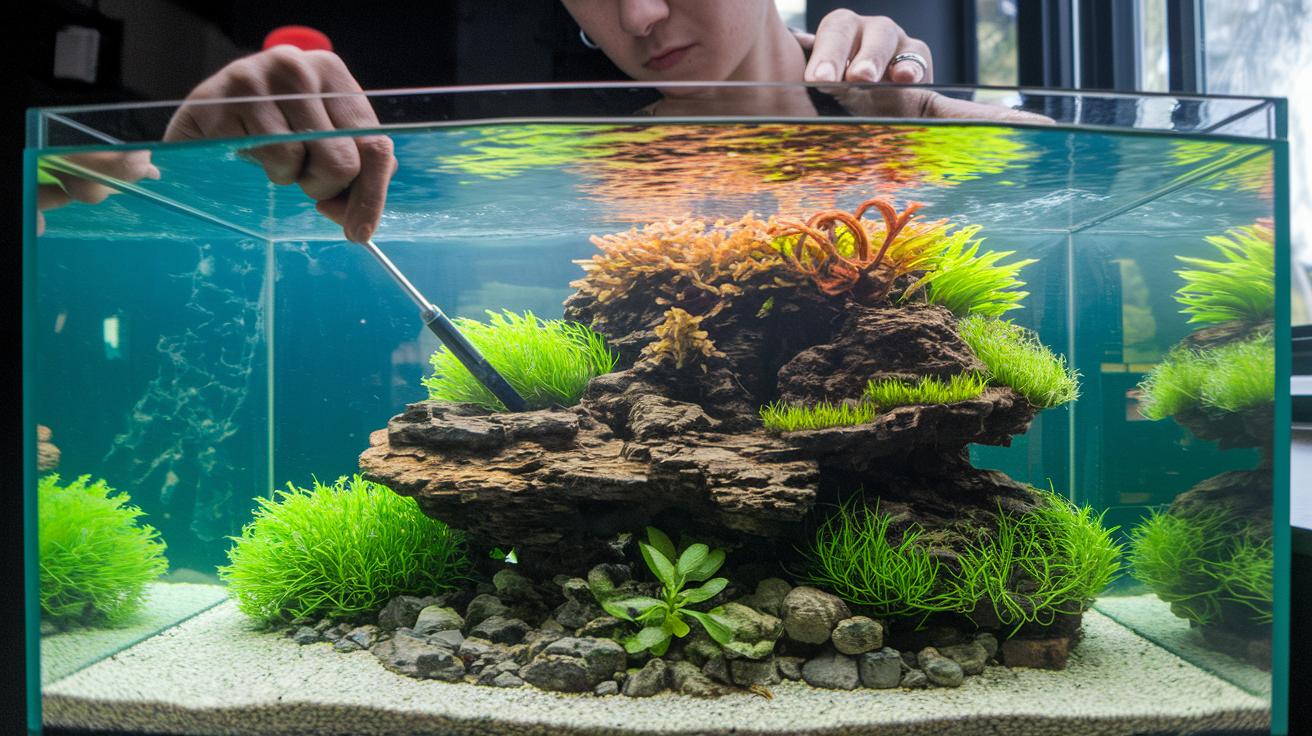
Keeping your aquarium in good shape is a lot like tending to a peaceful pond. Regular calibration of your pH probes, CO₂ sensors, and temperature controllers ensures that your water stays just right for your fish. Think of it as tuning your instruments so each note is perfectly clear, using simple tests like standard buffer solutions or gas injection methods helps make sure everything works as it should.
It's also important to keep an eye on how well your tank's key devices are doing. Tracking things like filter flow rates, light brightness, and heater output helps you spot little changes before they become big problems. Checking hoses, seals, and pump parts often means you can catch leaks early and fix them in time to keep your underwater world in balance.
Using digital logs to monitor trends not only makes your routine easier but also lets you plan ahead for maintenance. This smart approach gives you clear insights into what might need attention next, so your aquarium stays friendly and smooth, like watching a gentle ripple over a calm pond.
| Device | Calibration Frequency | Procedure |
|---|---|---|
| pH Probe | Bi-weekly | Standard buffer solutions |
| CO₂ Sensor | Bi-weekly | Gas injection test |
| Heater | Monthly | Cross-check with external thermometer |
| Flow Meter | Monthly | Measure flow against baseline |
Final Words
In the action, we explored precision tasks like cleaning delicate glass, substrate vacuuming, and scheduling water changes. We also looked at water quality control, equipment calibration, and algae prevention. Each section shared practical tips on optimizing filters, nutrient dosing, and bio-load management. Using advanced fish tank maintenance techniques can enhance your aquarium’s balance and boost fish health. Enjoy fine-tuning your habitat and watching your underwater world thrive!
FAQ
What is the golden rule for tank maintenance?
The golden rule for tank maintenance means frequently checking water quality and cleaning your tank. Regular water changes, substrate vacuuming, and glass cleaning keep your aquatic friends happy and healthy.
What is the best way to maintain a fish tank?
The best way to maintain a fish tank is by sticking to a regular schedule using precision techniques like automated cleaning, water chemistry balancing, and timely equipment checks, which all promote a healthy setup.
Is bleach or vinegar better for cleaning fish tanks?
Using vinegar is better than bleach for cleaning fish tanks because vinegar is gentle on glass and safe for fish. Bleach can harm fish and upset the tank’s natural balance.
Can I leave my aquarium light on 24/7?
Keeping your aquarium light on 24/7 is not ideal because constant light can stress fish and encourage algae growth. A timer that creates natural day-night cycles makes for a more balanced environment.