

Long before dinosaurs even set foot on land, the deep blue was filled with ancient sea creatures. Their fossils whisper stories of warm, endless oceans where life thrived in every nook and cranny. It's amazing to see how these early swimmers adapted and stayed strong against all odds.
In this chat, we'll explore their evolution and the different homes they occupied. Ever think about how nature's surprises flow like the tide? Their story reminds us that there’s always something magical about the underwater world.
Evolution and Habitats of Ancient Sea Creatures
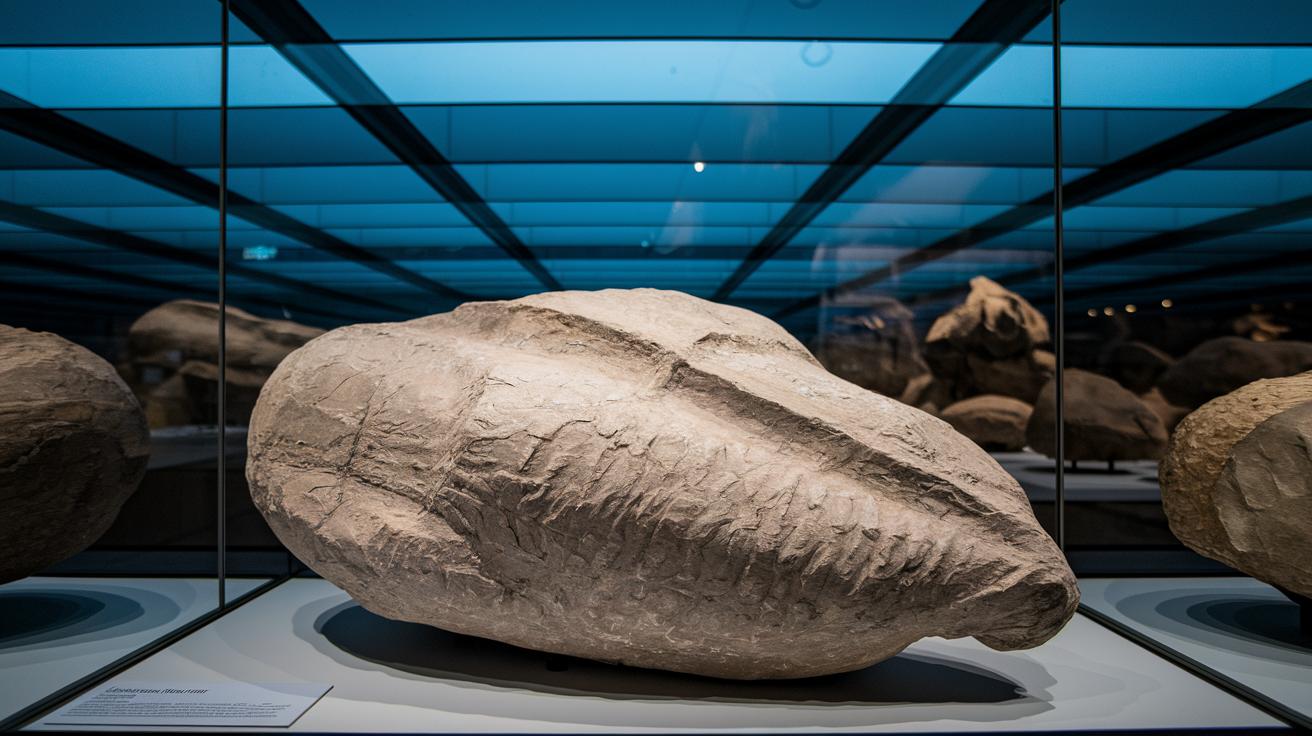
Long before dinosaurs roamed the land, Earth's waters were home to ancient marine animals that swam, evolved, and thrived over millions of years. They started their journey in the Triassic period, grew stronger during the Jurassic, and kept adapting through the Cretaceous, each phase showing us the persistence and creativity of life beneath the waves.
During these amazing times, seas rose high and covered vast shallow lands, much like gentle oceans spreading across continents. The Earth enjoyed a warm, sunny climate that created mild water temperatures, nurturing life from bright, coastal lagoons to huge open seas. This constant, welcoming warmth helped marine creatures adjust to change, leaving behind fossils that whisper tales of a world where water touched almost every inch of the land.
Ancient sea creatures made their homes in many different watery spots. They lived in the endless open ocean, near shaded coasts, and even in mysterious deep trenches. Some thrived in clear, sunlit waters, while others enjoyed murky, protective hideaways where predators had less chance to disturb them. Fossils found around the globe remind us that these creatures were not bound to one type of environment; they spread out and adapted to local conditions. It makes you wonder how every underwater nook and cranny worked together in such perfect harmony. Their legacy is a gentle reminder of nature’s wonderful ability to adapt and flourish, much like a calm sea after a soft rain.
Classification and Taxonomy of Ancient Sea Creatures
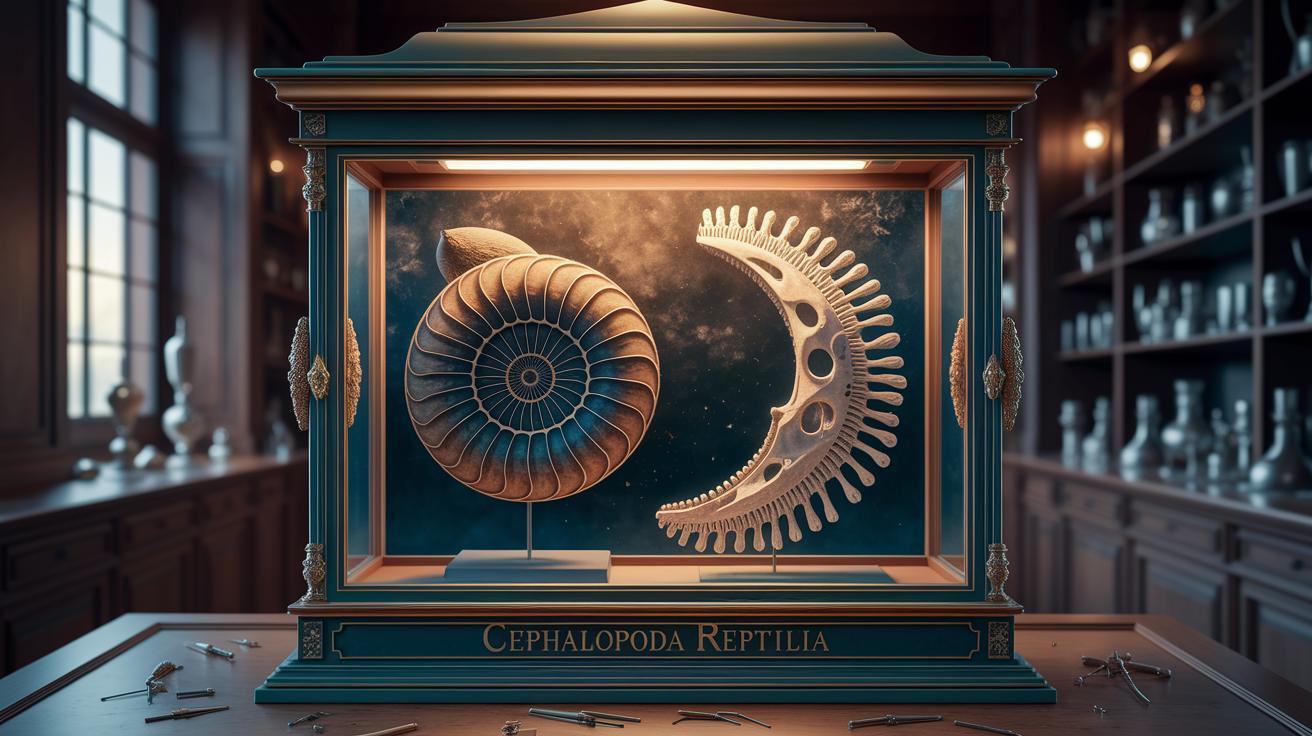
Ancient sea creatures split into several groups based on how they look and how they've evolved over time. Researchers look at details like shells, bones, and other body parts to sort these fascinating beings into categories. So, if a creature has a spiral, chambered shell, it falls under Cephalopoda. And those huge marine reptiles like Plesiosaurus and Mosasaurus are part of Reptilia. There are also groups like Chondrichthyes, which have cartilage-based skeletons (just like Megalodon), and Placodermi, an extinct group of armored fish.
There’s still a friendly debate among experts. Some wonder if mysterious fossils like Opabinia should be grouped with Marrellomorpha or counted as arthropods. And even within groups, small differences matter; for example, the word mosasaurs can refer to a variety of creatures, whereas Mosasaurus is one specific animal. By examining features like fin shapes, jaw lines, and shell patterns, scientists build a simple catalog of old sea life that helps us understand how life in the ocean changed over time.
Below you'll find a table that shows some key examples from these ancient groups. It covers everything from the shelled ammonite to the armored Dunkleosteus, and even big marine mammals like Basilosaurus that once swam in our oceans. Researchers keep fine-tuning these classifications by comparing fossils, body structures, and even living relatives. This work gives us a clearer picture of the amazing variety of underwater species from long ago and how they're linked to today’s creatures.
| Creature | Class | Era |
|---|---|---|
| Ammonite | Cephalopoda | Devonian–Cretaceous |
| Plesiosaurus | Reptilia | Jurassic |
| Mosasaurus | Reptilia | Cretaceous |
| Dunkleosteus | Placodermi | Devonian |
| Basilosaurus | Mammalia | Eocene |
New fossil finds over time often change how we see these groups. For those of us who love the ocean, it’s like a gentle underwater nudge to explore the rich tapestry of ancient species and see how they connect to the life we know today.
Fossil Evidence and Research of Ancient Sea Creatures

Studying old sea life starts with careful dating. Experts use methods like radiometric dating, a way to check how fast radioactive bits break down, and matching fossils found in layers of rock. For example, they spot tiny changes in minerals along the rock, which works like a clock to show when these sea creatures lived. It’s almost as if the fossils whisper tales of ancient oceans, unlocking mysteries hidden in stone over millions of years.
One amazing find was Ichthyotitan, first discovered in Somerset back in 2018 and later marked as the largest sea reptile, stretching nearly 25 meters. There’s also Rhizodus from watery deposits dating about 335 million years ago, and Helicoprion, famous for its twisty spiral jaw that hints at its eating habits. Each of these finds shines a light on the huge variety of ancient marine life, sparking curiosity like clues waiting to be solved in a lost underwater world.
By looking at bones and teeth, think Megalodon teeth or pieces of Ichthyotitan’s skeleton, we learn how these creatures hunted and swam. Their strong jaws and powerful flippers tell stories of life underneath the waves. It’s like flipping through nature’s diary, where every fossil captures a moment of ancient marine magic, leaving us in awe of the ever-changing dance of life beneath the sea.
Extinct Aquatic Giants Among Ancient Sea Creatures
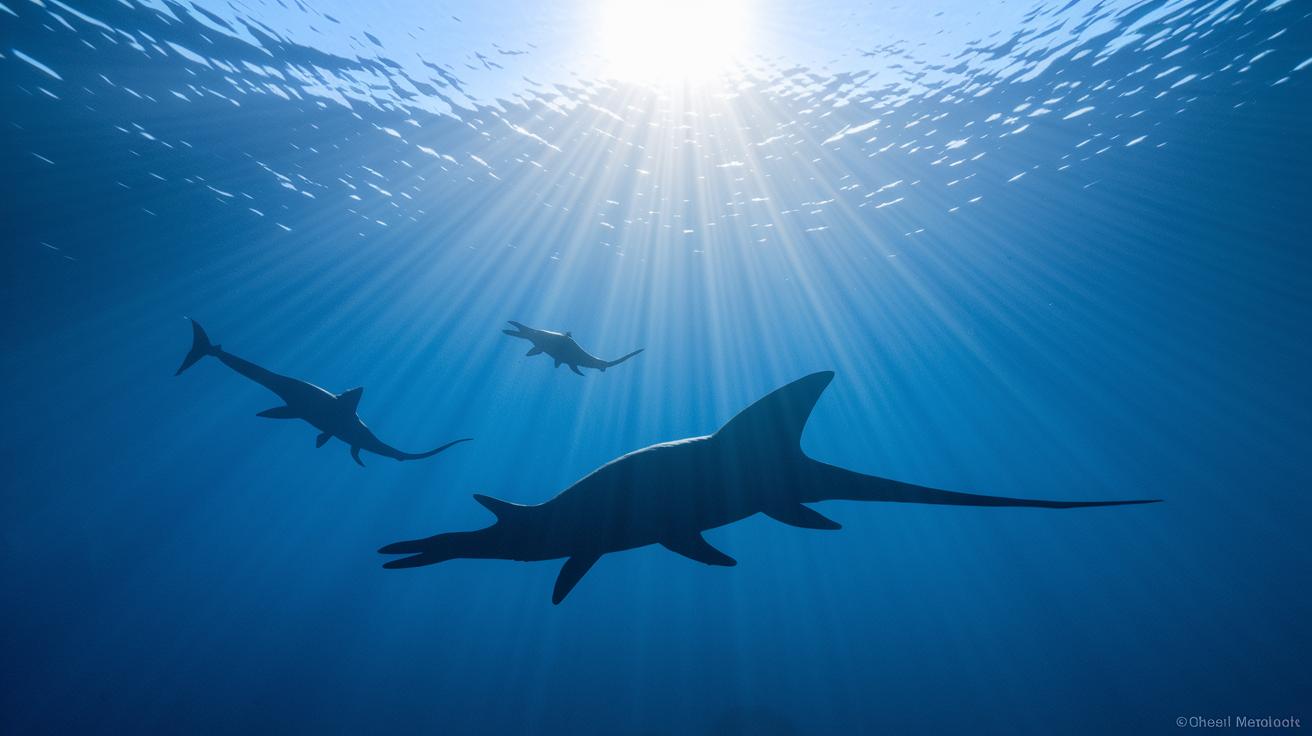
Imagine a time when the ocean was ruled by giants. These ancient creatures moved gracefully below the waves, ruling over vast underwater kingdoms. They were huge and strong, and even today, we marvel at their size and unique shapes. Their fossils give us a glimpse into a world where mighty marine predators swam freely.
Take Ichthyotitan for example. This giant reached nearly 25 meters and rivaled the modern blue whale in size, making its presence known across ancient seas. And then there's Liopleurodon. Early guesses said it stretched 25 meters, but recent studies suggest it was closer to 8 or 10 meters long. It goes to show how new research can change our thoughts. Basilosaurus, with its 20-meter length and body that looked a bit like a reptile, highlights just how varied these sea monsters were. Their massive sizes are a reminder of nature’s ability to push boundaries.
Now, think about Megalodon. This fearsome creature grew up to 18 meters long and sent shivers down the spines of its prey. Like today’s great white sharks, it was at the top of its food chain. Dunkleosteus, around 10 meters in length and equipped with strong, armored plates, also left a permanent mark on the ancient food chain with its powerful bite. It’s fascinating to see how these ancient hunters share some traits with modern marine predators, even though their hunting styles and build were quite different. Their stories continue to spark wonder among everyone who loves the mysteries of the deep.
Predatory Strategies of Ancient Sea Creatures
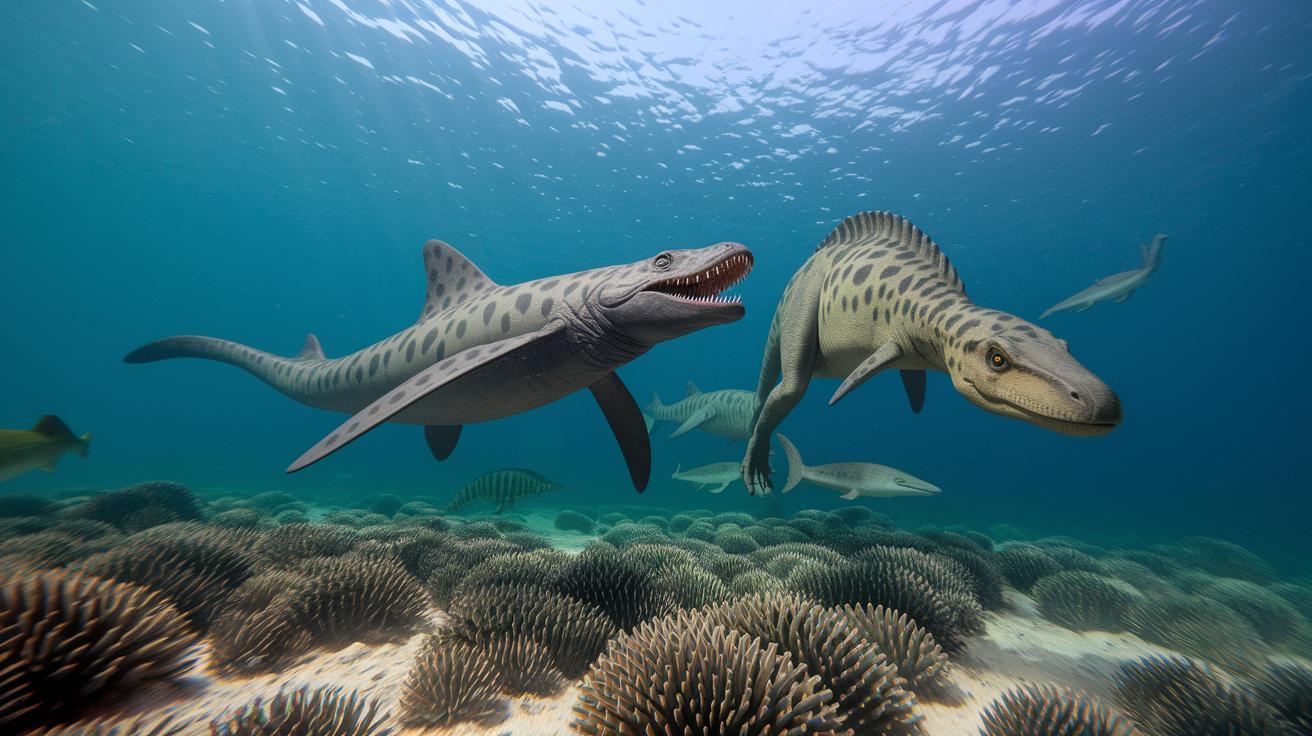
Dunkleosteus rocked a set of super-strong bony plates that could cut through prey like a hot knife through butter. Meanwhile, Mosasaurus relied on a powerful tail swing and its nimble little flippers to surprise sharks, squid-like cephalopods, and turtles. Pliosaurus had a jaw with a bite so fierce it could rival the might of even the toughest land predators. Then there was Jaekelopterus, a giant sea scorpion that quickly snapped at fish along estuary edges, and Helicoprion, whose swirling tooth arrangement worked like a conveyor belt, smoothly chopping up meals. Each of these awesome traits shows how their jaws, fins, and teeth were perfectly built for underwater hunting.
Back in those ancient seas, every predator carved out its own special spot in the ocean. Dunkleosteus roamed open waters with an unending appetite, while Mosasaurus stayed hidden until the perfect moment to pounce. Pliosaurus depended on its mighty bite to catch larger prey, in contrast to Jaekelopterus’s sharp, quick strikes in murky estuaries. And with its unique jaw mechanism, Helicoprion could keep gathering food non-stop, proving itself a true master of the deep. These clever hunting tactics not only kept them thriving but also helped create a balanced and diverse underwater world.
Geological Timeline of Ancient Sea Creatures

Imagine diving into a story where each chapter bubbles with ancient aquatic life. Long, long ago during the Carboniferous period, about 359 to 299 million years past, freshwater swamps were alive with creatures like Rhizodus, making a home in rich, green wetlands. Then came the Triassic period, from 252 to 201 million years ago, when early ichthyosaurs started to appear as the seas healed and opened up new chances for life. It’s like the Earth's waters were a cozy nursery, inviting brave new marine reptiles to explore their rolling, mysterious depths.
Below is a table that shows the different eras and the cool species that brightened each one:
| Era | Time Period | Key Creatures | Environmental Notes |
|---|---|---|---|
| Carboniferous | 359–299 mya | Rhizodus | Freshwater swamps |
| Triassic | 252–201 mya | Early ichthyosaurs | Recovering seas after big changes |
| Jurassic | 201–145 mya | Plesiosaurs | Shallow, sunlit seas |
| Cretaceous | 145–66 mya | Mosasaurus, Pliosaurus | High sea levels |
| Paleogene | 66–23 mya | Basilosaurus | Early whale evolution |
As time swam by into the Jurassic and Cretaceous periods, a dazzling mix of reptiles like plesiosaurs, Mosasaurus, and Pliosaurus ruled the open waters. They moved gracefully through warm, shallow seas that stretched out like a sparkling mirror across the lands. Finally, during the Paleogene period, the ocean embraced the beginnings of modern whales with species such as Basilosaurus, marking a new chapter in life under the waves.
Every era is like a splash of color in the grand underwater painting of life. When we follow these ancient timelines, we begin to see how different water settings and shifting climates shaped the bodies and swimming styles of early marine creatures. Rising and falling sea levels, and the changes between warm and cool times, crafted a mix of peaceful freshwater ponds to vast, dynamic seas. It’s amazing to think how these shifting tides helped mold the first marine wonders and still spark our curiosity today.
Ancient sea creatures Ignite Marine Curiosity

Ancient sea creatures act like a peek into the ocean's secret diary. Their bones and teeth tell us amazing stories about how life has changed over time. Take Basilosaurus, for example. Its sturdy yet streamlined skeleton gives us clues about how today’s whales took shape. It’s like watching a gentle ripple in evolution that carries on to modern times.
When you see a Megalodon tooth, it reminds you of the great white shark’s fierce bite, even though one is much larger than the other. And then there are the beautiful ammonite shells, with their graceful coils that hint at the buoyancy tools used by today’s Nautilus. Even the long neck of a Plesiosaurus makes you think of how sea turtles glide with their smooth, powerful flippers. Every fossil is a small chapter in the endless tale of marine life, mixing the old with the new in a way that sparks wonder.
Modern sea life still shows signs of these ancient beginnings. Whales and dolphins swim with movements that remind us of the early days of the Basilosaurus, while the great white shark’s approach to feeding echoes the mighty bite of Megalodon. Nautilus, much like ammonites of old, use simple natural tricks to stay afloat, and sea turtles move with a calm, deliberate grace that feels timeless. These similarities bring history to life, blending ancient rhythms with today's busy oceans, and they keep our curiosity bubbling like a gently flowing stream.
Final Words
In the action, we swam through the eras of ancient sea creatures, exploring their evolution, habitats, and classification. We peeked into fossil findings, looked at giant aquatic figures, and unraveled their hunting methods in vibrant, living water scenes.
Next, we compared prehistoric forms to modern marine life, showing how these primeval beings still echo through time. The study reminds us that nature’s wonders continue to inspire a bright, bubbling future.
FAQ
Are there ancient sea creatures still alive today?
The ancient sea creatures still alive today refer to living fossils like horseshoe crabs and coelacanths, whose forms have hardly changed over millions of years.
What ancient sea creatures existed before the dinosaurs?
The ancient sea creatures from before the dinosaurs include early marine organisms that appeared hundreds of millions of years ago, setting the stage for the rich ocean life we study today.
What are some well-known ancient sea creatures?
The well-known ancient sea creatures feature names like ammonites, plesiosaurs, and mosasaurs, along with marine predators such as Dunkleosteus and Helicoprion, celebrated among aquarists and scientists.
Where can I find images or lists of ancient sea creatures?
Images and lists of ancient sea creatures are available in museum displays and reputable online databases that showcase detailed pictures and fossil records for enthusiasts.
What do ancient sea creature fossils tell us?
The ancient sea creature fossils tell us about past environments and evolutionary changes, offering clues on how these organisms adapted, lived, and interacted in their underwater world.
Which ancient sea creatures had shells?
The ancient sea creatures with shells include ammonites and nautilus-like species, using their coiled exteriors as protective armor and for buoyancy control in the ancient seas.
What is the oldest sea creature ever recorded?
The oldest sea creature ever recorded stems from early marine life forms dating back billions of years, with fossil evidence revealing their primitive and enduring nature.
What is the biggest ancient sea creature known?
The biggest ancient sea creature known is Ichthyotitan, with fossil records indicating a size rivaling some of the largest modern sea giants.
What were the first sea creatures on Earth?
The first sea creatures on Earth were simple, early organisms that evolved in the primeval oceans, eventually giving rise to increasingly complex marine life over time.