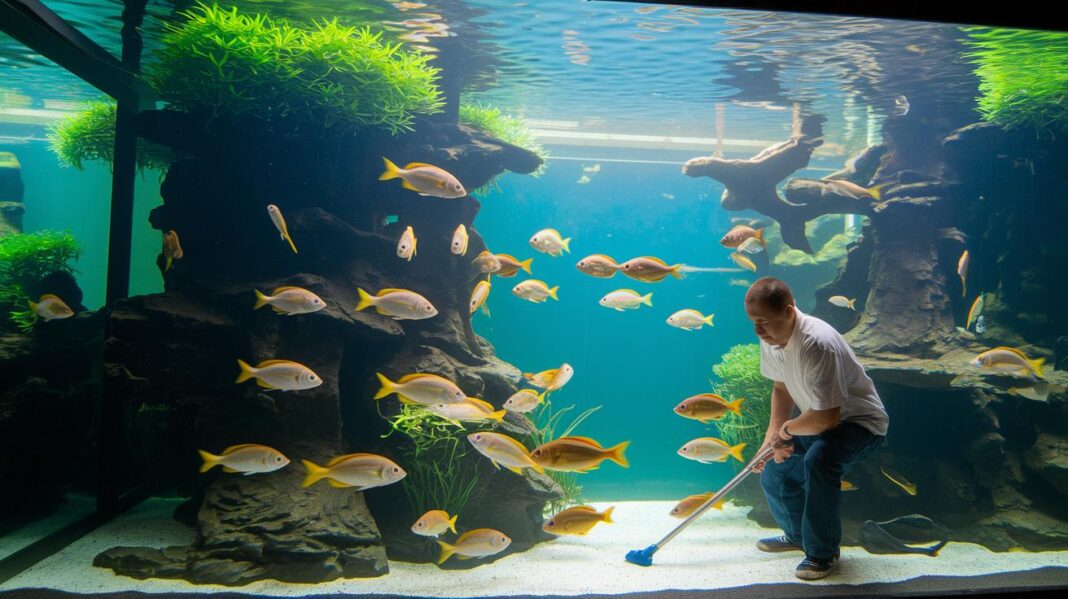

Ever thought that a cluttered tank might have your fish feeling a bit squished? A simple cleaning routine is like a gentle stream refreshing your little aquatic paradise.
Try a daily sweep to clear away tiny bits, do a water change every week that feels like a cool splash, and test your water once a month to keep everything clear.
In truth, taking care of your tank isn’t a chore at all, it’s the secret to a bright, bubbly underwater home where every fish can happily swim and thrive.
Essential Aquarium Cleaning Schedule for Optimal Fish Health
Keeping your tank clean is like letting in fresh water on a sunny day, simple tasks every day mean clear, healthy conditions for your fish. Every day, take a few moments to scoop out stray food and clear away little bits of debris. Imagine spending just a little time tidying up so your fish never have to swim in cloudy water.
Next, once or twice a week, change out about 15–25% of your water. This little water swap removes pesky toxins and refreshes the tank, much like a gentle splash of cool water on a hot day. It helps keep the balance between your fish and plants, so everyone stays happy.
Then, once a month, it’s time for a closer look. Test your tank’s key factors like pH (aiming for around 6.8 to 7.5), ammonia (should be 0 ppm), nitrite (keep it under 0.75 ppm), nitrate (under 40 ppm), phosphate (less than 0.2 ppm) and water hardness. Whether you use a 6-in-1 test kit or individual ones, these tests give you the full picture to adjust your tank and keep your aquatic friends healthy.
| Frequency | Task | Details | Tools Required |
|---|---|---|---|
| Daily | Quick debris removal, equipment check | Scoop out uneaten food, skim the surface, and check heaters and filters | Net, sponge, thermometer |
| Weekly/Semi-weekly | Partial water change | Siphon out 15–25% of water and refill with treated water | Gravel vacuum, bucket, dechlorinator |
| Monthly | Water testing and adjustments | Test pH, ammonia, nitrite, nitrate, phosphate, hardness | 6-in-1 test kit or individual kits |
Daily Tank Oversight Routine for Clear, Healthy Aquarium Water
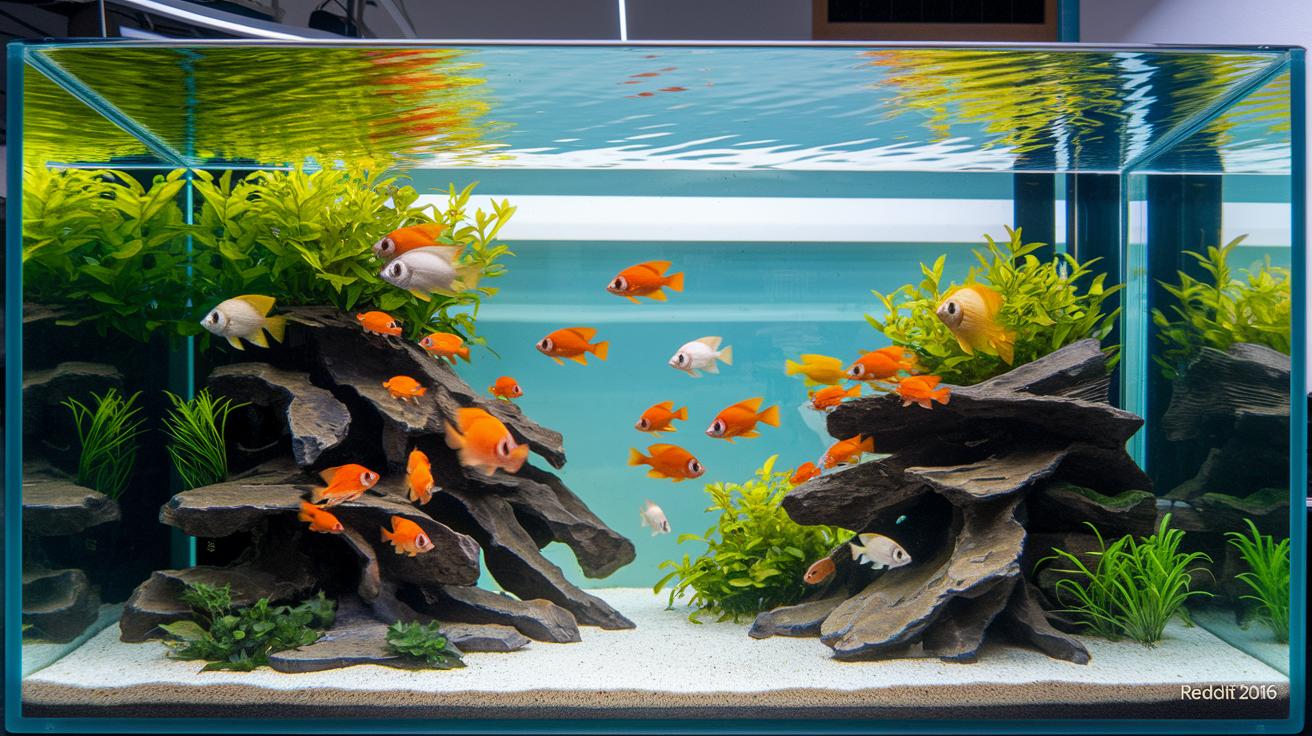
Every day, take a moment to check on your aquarium like you would admire a peaceful pond. First, look at the water temperature and peek at the filter to spot any little hiccups that might arise.
Next, gently scan the water for any film or debris, as if you were watching sunlight dance on the ripples. I once noticed a faint layer on the surface and quickly removed it with my net, keeping the water sparkling for my fish.
After that, clear away any leftover food hiding at the bottom using a small net or sponge. Then, softly wipe the glass to maintain a clean view, letting the natural light highlight the beauty of your underwater world.
Finally, pay close attention to your fish. Their playful movements and subtle changes in behavior can be gentle hints that all is well, or that something might need a little extra care.
aquarium cleaning schedule for optimal fish health shines
Keeping your freshwater aquarium clean is like giving your underwater buddies a refreshing shower. Every week or two, replace about 15–25% of the water, adjusting this amount based on how many fish and plants live there. This small water change washes away impurities and keeps nitrate levels low so your fish can thrive without any stress.
Water Change Method and Proportions
Start by mixing up some treated replacement water. If needed, add a dechlorinator and let the water sit until it matches your tank's temperature. Then, carefully siphon out 15–25% of the water, imagine taking a gentle sip from your favorite drink without causing any splashes. This slow pace helps keep the good bacteria safe and minimizes stress on your aquatic pals.
Substrate Cleaning and Algae Control
Next, pay attention to the substrate and any algae buildup. Use a gravel vacuum on just the top layer so you don’t disturb the layers below, where beneficial bacteria live. If you find hardened debris, work slowly to loosen it instead of scrubbing hard. You can also control algae by lightly scraping the glass with a magnet, trimming overgrown plants, limiting tank lighting to about 6–8 hours, or even adding algae-eating fish. These steps work together to maintain a balanced and inviting home for your finned friends.
Monthly Water Quality Testing for Optimal Fish Health
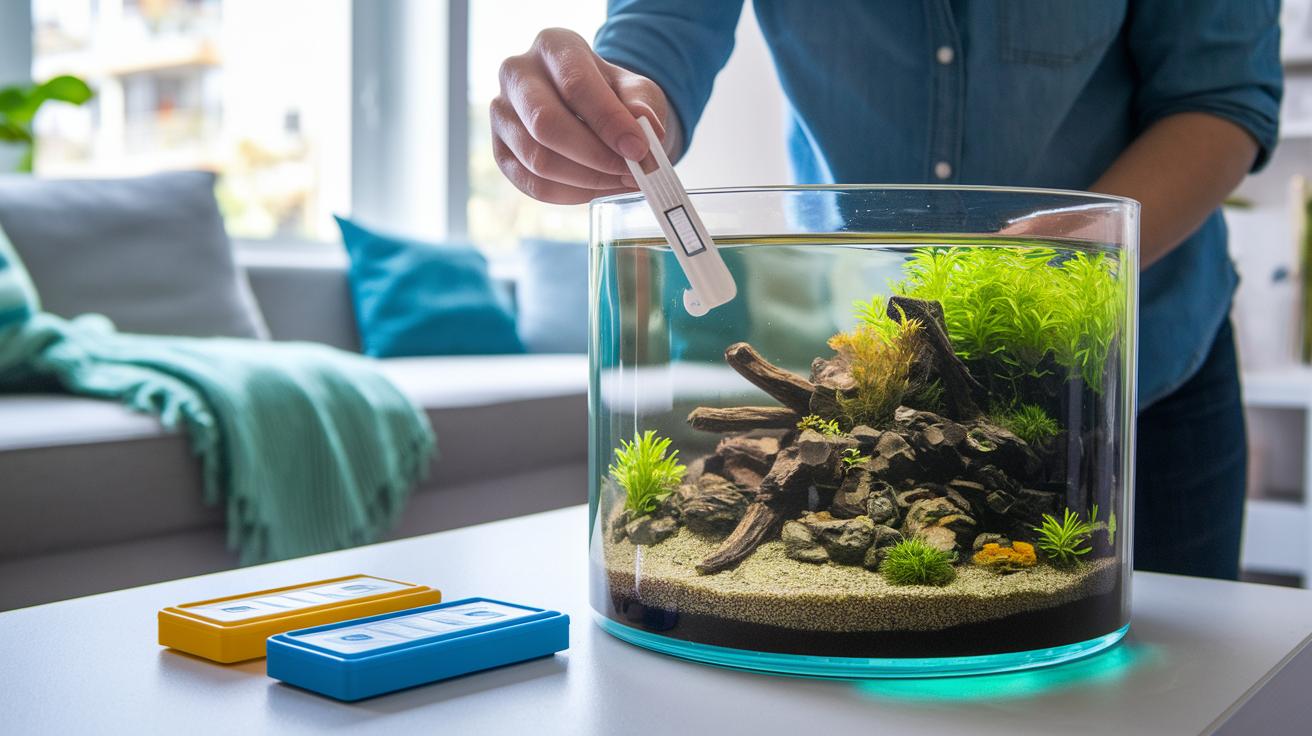
When you test your aquarium water each month, you’re really caring for your fish like you care for a garden. First, check the usual numbers: pH should be between 6.8 and 7.5, ammonia should be at 0 ppm, nitrite under 0.75 ppm, nitrate below 40 ppm, phosphate under 0.2 ppm, and water hardness in a safe range. All of these values keep your water sparkling clean, just like the gentle flow of a stream.
You can use a 6-in-1 test kit or test each parameter with its own reagent. Just make sure you dip your test strips or vials completely in the water and let them mingle like fish in a school. Then, match the colors with the chart that comes with the kit. It’s almost like watching colors dance, revealing if everything is just right.
If any of the readings seem off, it’s time to act quickly. You might add driftwood to naturally adjust pH, use an ammonia remover to get rid of toxins, or do a partial water change to lower nitrate and phosphate levels. These small steps can make a big difference in keeping your aquatic friends happy.
Testing Steps:
- Grab your test kit and a fresh water sample.
- Fully submerge the test strip or vial.
- Wait for the suggested amount of time.
- Compare the color result to the standard chart.
- Take action immediately if any value is outside the safe range.
Quarterly Equipment Maintenance and Filter Media Renewal
Every so often, treat your tank to a little refresh to keep everything running smoothly. Start by washing your hands and arms really well, this simple step helps keep unwanted germs away from your aquatic pals.
Then, gently remove your filter parts and rinse them with water straight from the tank. Using tank water keeps the friendly bacteria safe, and that's key for a healthy tank. When it's time to swap out the filter media, follow the maker's instructions closely. For some handy tips, check out these aquarium filter media tips.
Don't forget to clean the impeller and pump housing too. A quick wipe goes a long way in clearing away any buildup that could slow things down. And while you're at it, soak your tank decorations in a bucket of aquarium water. This gentle method cleans them without the risk of harmful chemicals or soap.
Finally, take a close look at all the mechanical parts and decorations for any signs of wear. Doing a careful review like this every few months helps keep the tank's ecosystem balanced so your fish always enjoy a healthy, happy home.
Safe Cleaning Practices to Prevent Fish Stress and Disease
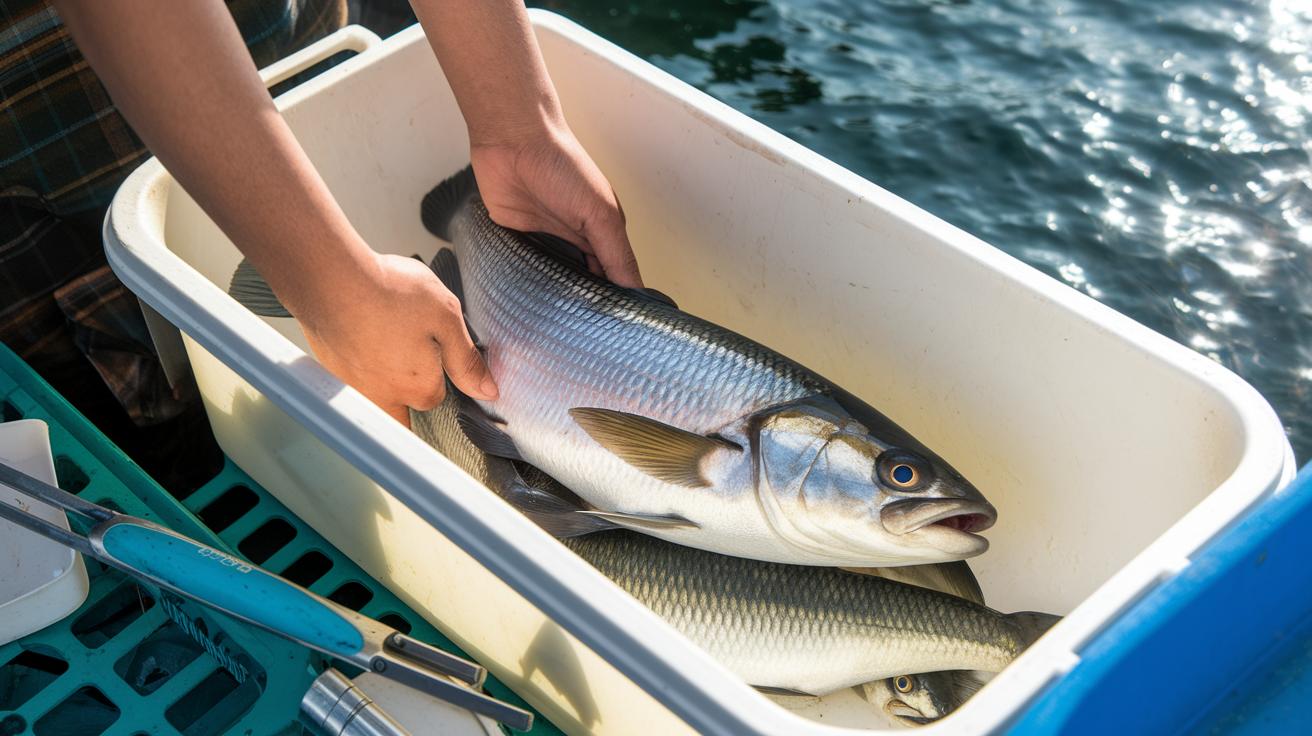
Before cleaning, get ready without making your fish scared. If you have to do big cleaning tasks, move your fish gently into a holding container. This extra step helps keep them calm and healthy. Next, always rinse your tools with tank water. For example, dip a sponge or brush into the same water your fish live in so no harmful residues end up in the tank.
Work on your cleaning tools outside the tank to protect the good bacteria living in the water. Avoid using soap or chemicals because they can disturb the natural balance of your aquarium. Once you're done, let all your tools dry completely to avoid any unwanted growth from dampness. Following these steps is like a gentle water current that keeps both your fish and their home in top shape.
When cleaning live plants, treat them kindly. Wipe them softly instead of scrubbing hard so you don't damage their delicate tissue. Finally, wrap up your routine with a water change. This final step refreshes the environment and keeps your fish calm and happy.
Final Words
In the action, the blog post outlined daily tasks to remove debris, weekly water changes to maintain water clarity, and monthly tests that keep water chemistry in check. It also detailed quarterly equipment care and safe cleaning practices that keep fish relaxed and healthy.
The guide is a friendly reminder of how regular care forms the backbone of a thriving tank environment. Stick with your aquarium cleaning schedule for optimal fish health and enjoy watching your aquatic world flourish.
FAQ
Free aquarium cleaning schedule for optimal fish health
The free aquarium cleaning schedule for optimal fish health emphasizes daily, weekly, and monthly tasks. This routine helps maintain clear water and a thriving environment for all your fish.
Aquarium maintenance checklist
The aquarium maintenance checklist guides you through daily debris removal, weekly water changes, and monthly tests. It ensures every part of your tank is checked to keep the water balanced and healthy.
Aquarium maintenance services
The aquarium maintenance services provide professional care to your tank. They handle regular water changes, equipment checks, and water testing to keep your fish home in top shape.
Aquarium care for beginners
Aquarium care for beginners starts with simple daily routines and gradually includes weekly water changes and monthly testing. This approach makes it easy to enjoy clean, healthy water without feeling overwhelmed.
Aquarium maintenance near me
The search for aquarium maintenance near you can be answered by checking local pet shops and online reviews. Local experts offer hands-on cleaning and care to keep your tank in good condition.
Aquarium maintenance log
The aquarium maintenance log is a record that tracks daily, weekly, and monthly tasks. It helps you notice patterns in water quality and catch any issues before they affect your fish.
Aquarium maintenance kit
The aquarium maintenance kit includes essential items like a net, sponge, water test kits, and dechlorinator. It makes it easy to handle cleaning tasks and maintain healthy water conditions for your tank.
Aquarium maintenance app
The aquarium maintenance app organizes your cleaning schedule by sending reminders about daily, weekly, and monthly tasks. It’s a handy tool for managing your tank care efficiently.
How often do fish tanks need to be cleaned?
The cleaning frequency of fish tanks involves daily checks, water changes every one to two weeks, and monthly water quality tests. This routine is designed to keep the water clear and fish healthy.
What is a regular maintenance schedule for aquariums?
The regular maintenance schedule for aquariums includes daily debris removal, partial water changes every one to two weeks, and detailed monthly tests. It helps maintain water balance and promotes a stress-free habitat.
What is the golden rule for tank maintenance?
The golden rule for tank maintenance is to keep a balanced approach: clean regularly, change a portion of the water on a set schedule, and use tank water for rinsing to protect beneficial bacteria.
How often should fish be cleaned?
The question about how often fish should be cleaned refers to overall tank care, not washing the fish. Regular maintenance, including water changes and testing, ensures fish enjoy a healthy, clean habitat.