

Ever thought your tank might look even more vibrant? Floating aquarium plants do more than add a splash of green. They work like little natural cleaners on your tank’s surface. These plants suck up waste, boost oxygen, and create cozy hideaways for your fish. In this post, we explore how these floating greens help keep your underwater world balanced and inviting. Get ready for your tank to bloom into a lively, natural retreat.
Aquarium Floating Plants: Benefits, Maintenance & Tank Compatibility

Floating plants in your tank are like little green blankets that rest gently on the water’s surface. They’re lightweight and play a big part in keeping your aquarium healthy. These plants naturally clean the water by soaking up extra ammonia, nitrate, and phosphate, all the things that come from fish waste and decaying bits. While they soak up sunlight for 8–12 hours a day, they boost oxygen levels, making your tank a cozy haven for all its residents. Plus, their thick, intertwining roots give shy fish like bettas and guppies a snug place to hide, much like a secret underwater nook.
They also offer some neat benefits:
- They absorb ammonia, nitrate, and phosphate, which can cut down on algae growth by up to 60%.
- They boost oxygen levels with their daily burst of photosynthesis.
- Their dense roots create a safe hideout for small or timid fish.
- They help keep the tank balanced by covering about 40–60% of the water surface, which means your other plants still get enough light.
- They need a 14-day quarantine period when you add them to your tank to keep pests and unwanted algae spores at bay.
When choosing floating plants, think about how big your tank is and how many fish you have. In smaller tanks, a few dwarf varieties can work wonders, while larger tanks can handle a more generous spread. Adjust the plant cover to blend nicely with other water plants without overwhelming the space. Matching your floating plants with your tank’s conditions sets the stage for a lively, balanced underwater world where every creature can thrive.
Aquarium Floating Plants: Lively Tank Charm

When you choose floating plants for your tank, it's smart to pick ones that suit your aquarium's unique vibe. Think about how much light your tank gets and how much space you have to work with. Each plant has its own personality; some burst with bright colors and textures while others form gentle floating mats that give shy fish a little hiding spot. It's a bit like customizing your own underwater garden.
Next, take a look at the table below. It shows six popular floating species, comparing how much light they need, their growth pace, and the amount of tank surface they ideally cover.
| Plant | Light Requirement | Growth Rate | Ideal Coverage |
|---|---|---|---|
| Amazon Frogbit (Limnobium laevigatum) | Medium-high | Moderate-fast | 40-60% |
| Water Lettuce (Pistia stratiotes) | Moderate | Moderate | 40-60% |
| Red Root Floater (Phyllanthus fluitans) | Medium-high | Moderate | 40-60% |
| Water Spangles (Salvinia minima) | Moderate-high | Moderate | 40-60% |
| Duckweed (Lemna minor) | High | Fast | 40-60% |
| Dwarf Water Lettuce | Moderate | Gentle | 30-50% |
So, choose the species that vibes best with your tank's size and light. Pretty soon, you'll see that blending beauty with practicality can create an aquarium that feels like a gentle, underwater dance.
Aquarium Floating Plants Care and Growth Requirements

Floating plants do best with about 8 to 12 hours of light each day. Keeping your tank's pH between 6.5 and 7.5 is like finding that perfect balance that keeps extra algae at bay and helps your plants grow strong. If you notice a hint of green on the water's surface, it might be a good idea to check if the light's on too long or if the pH needs a little adjustment.
These plants naturally soak up nutrients such as ammonium, nitrate, and phosphate, which come from fish waste and a little bit of fertilizer. Testing your water every week for these elements is like giving your tank a quick health check to make sure everything stays just right.
Trimming your floating plants every one to two weeks helps keep them at about 40 to 60 percent of the surface area, so they don't crowd out other greenery. And remember, it's smart to keep new plants apart for two weeks to prevent unwanted pests or algae from joining the party. A little trim now and then keeps your aquatic world balanced and vibrant.
How to Set Up Aquarium Floating Plants Successfully

Floating plants naturally drift along with the water, creating a lovely, relaxed look in your tank. Sometimes though, you might want a bit more control. In that case, consider anchoring your plants with weights or a bit of airline tubing. This helps keep them in one spot and stops them from clogging your filter, imagine it like carefully arranging your favorite floaters to form a neat, water-covered design, similar to a garden pond.
Where you place these plants is really important. Keep them away from filter outlets where strong water currents might toss them around. Instead, try to maintain a gentle water flow, ideally less than 10 cm/s. Even a small adjustment can make a big difference, as every plant loves a calm, quiet corner to settle in.
You can also get creative with DIY rafts or mesh cups to help position your floating plants just right. These simple tools let you design a custom cover for your tank. A good starting point is to cover about 40% of the surface, and then tweak it as needed. This is especially helpful in nano tanks, which might work best with tiny floaters like dwarf water lettuce or duckweed.
Propagation and Maintenance Tips for Free-Floating Aquarium Plants
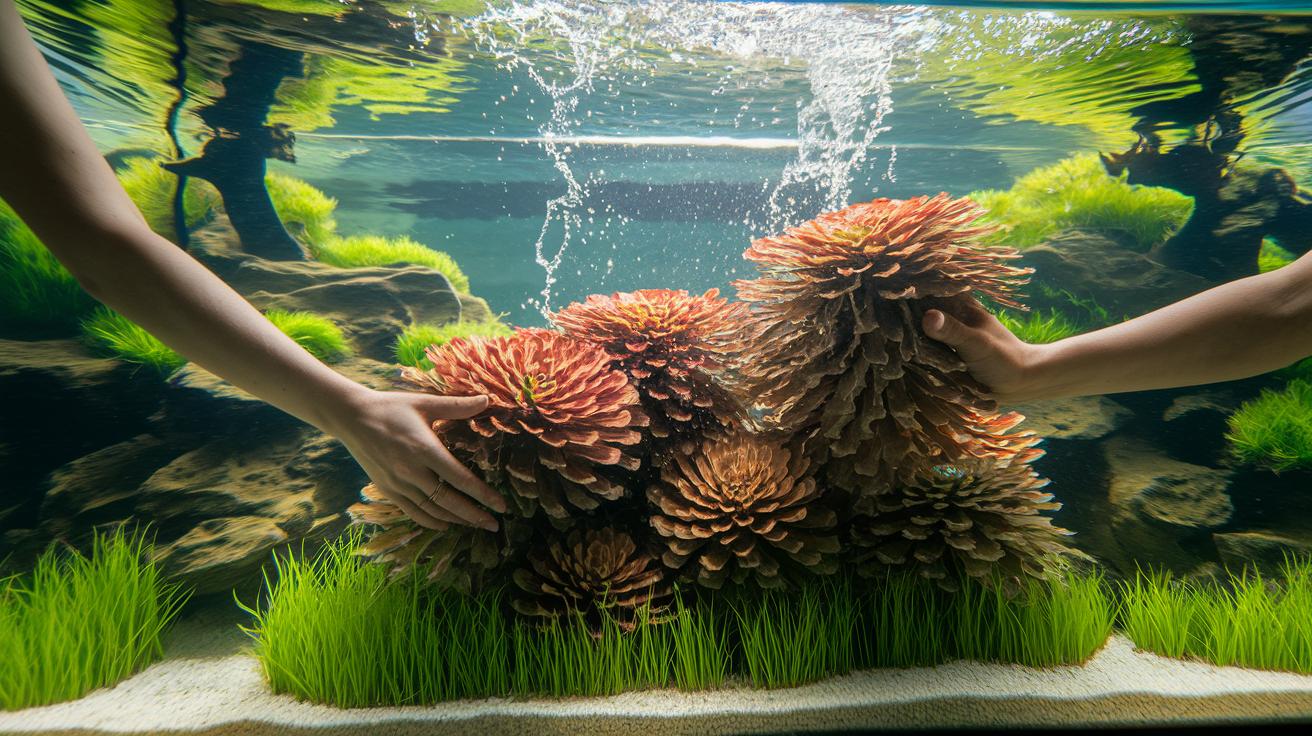
Every couple of weeks, take some time to gently split off rosettes or runners from your free-floating plants. It’s like giving them a little spa day, just use your fingers to separate the clusters and rinse them in tank water to wash off any bits of leftover debris.
Then, each month trim about 20–30% of your plant cover to keep things from decaying. Using little scissors works great for pinpoint cuts, especially on delicate types like Salvinia and red root plants. When you see a bit of browning along the edges, a few gentle snips can freshen up the look and encourage new growth.
Next, adjust your routine with the seasons. In the warmer months, let your plants grow a bit thicker to create natural shade and cool spots for your fish. In cooler times, a thinner float allows more light to reach the water. With these simple tweaks and regular care, your free-floating plants will stay both healthy and easy to maintain.
Ecological and Aesthetic Advantages of Aquarium Floating Plants

Floating plants are like nature's own water filters, quietly working to make your tank a welcoming home. Their roots spread out like little hideaways, giving a cozy spot for tiny critters to settle in and for baby fish to be safe. They help keep your tank comfortable by smoothing out the light and keeping temperatures even, just like the soft ripple of water on a calm day.
The different shapes of these plants, from neat clusters to soft, mossy mats, bring a playful charm to your aquarium. It’s a bit like adding a lively, natural garden to your underwater world. For high-quality floaters that complete your tank’s look, check out aquarium plant supplies. Not only do these floaters boost the balance of your little ecosystem, but they also give your aquarium a dynamic, colorful feel.
Troubleshooting Common Issues with Aquarium Floating Plants
When you notice yellow or brown leaves on your floaters, it often means they aren’t getting enough nutrients. It’s like your plants are missing a little treat, maybe a boost of iron or other essential minerals that help them stay bright and strong.
If you find some algae starting to grow on the leaves, it's usually a cue to tweak your lighting. Reducing your light to about 6 to 8 hours a day can slow down the algae, and trimming the affected leaves gives your tank a fresh, clean look.
Overcrowding can make both your floaters and other tank mates feel a bit stressed. Aim for a surface coverage of around 40 to 60 percent so water flows nicely and light reaches every corner. And if you spot a dark biofilm under the mats, it might mean the water flow is too low. In these cases, try repositioning the floats or gently increasing circulation, and be sure to quarantine new plants to keep your tank happy and healthy.
Final Words
in the action, you learned how aquarium floating plants boost water oxygen, reduce excess nutrients, and create a safe space for little fish. Our tips on maintaining light hours, managing cover, and proper quarantine help keep your tank balanced and inviting.
Every suggestion aims to spark confidence in setting up and caring for your aquatic world. Enjoy watching your tank transform into a vibrant, healthy underwater haven with these ideas and expert advice on aquarium floating plants.
FAQ
Aquarium floating plants near me
Aquarium floating plants near me means you can find these plants at local pet stores, aquatic centers, or online sites. They are available at many retailers, so check nearby shops or trusted websites for quality options.
Floating aquarium plants for beginners
Floating aquarium plants for beginners serve as a great start because they help absorb excess nutrients and boost oxygen levels. They are easy to grow and care for, making them ideal for first-time aquarists.
Large aquarium floating plants
Large aquarium floating plants provide broad surface coverage, which helps in nutrient control and light balancing. Their size makes them perfect for spacious tanks where they can thrive and add a natural look.
What types of floating aquarium plants are available, and which are best or tropical varieties?
Types of floating aquarium plants include duckweed, frogbit, water lettuce, red root floater, and dwarf water lettuce. Best choices vary by tank size and style; tropical varieties offer vibrant color and long roots to enhance your aquatic display.
Are floating plants good for an aquarium?
Yes, floating plants improve water quality by absorbing excess nutrients, boost oxygen levels, and provide shelter for small fish, making them a beneficial addition to many tanks.
What is the hardiest floating plant in a fish tank?
Duckweed and Amazon frogbit are among the toughest options, with their rapid growth and adaptability to various water conditions making them resilient choices.
What are the best low maintenance floating aquarium plants?
Duckweed and dwarf water lettuce are favored for their minimal upkeep. They naturally balance nutrients and oxygen, making them easy to manage for busy aquarists.
Is duckweed bad for an aquarium?
Duckweed is beneficial when kept in check. It can cover large areas if left unchecked, so regular trimming is advised to maintain a healthy balance in your tank.