

Have you ever wondered if one little change could turn your tank into a lively underwater paradise? The right lighting does much more than just brighten your water. It brings out the amazing colors of your fish and helps your plants grow happy and strong.
We looked at three kinds of bulbs: LED for energy-saving glow, fluorescent for a soft, even light, and metal halide for a deep, vibrant shine. Each option works to save energy and keeps those pesky algae under control.
Lighting sets the mood and creates a safe, snug home for your underwater friends. It’s like arranging smooth stones in a flowing stream, every piece plays an important part. So, why not dive into the details and let your tank sparkle with the perfect light?
aquarium lighting: Bright Choices for Your Tank

Fluorescent lights, ranging from 5,500 to 6,000K, bring a bright, natural daylight feel to your freshwater tank. They not only make your fish look more colorful but also help keep algae under control.
Bright LED setups can save you nearly half the energy compared to fluorescent lights. They let you tweak the light for just the right mood and release less heat, a real plus for smaller tanks. I remember one aquarist saying, "When I switched to LED, I saw immediate improvements in fish color and plant vibrancy."
Metal halide bulbs are another cool option, especially if you have a reef tank. They shine with a strong blue glow between 9,000 and 20,000K that helps coral build strong skeletons. However, they do use more energy and give off extra heat, which isn't perfect for every setup.
When setting up your tank, it's all about getting the right light balance. Using the lights for about 10 to 12 hours a day helps your plants grow while keeping fish stress levels low. Fun fact: many seasoned aquarists believe that the right lighting not only shows off your aquatic world beautifully but also supports the daily well-being of your fish.
Waterproof LED canopies are super handy, too. They protect electrical parts from moisture and splashes, making them a practical choice for tanks in humid spots or busy rooms.
- Fluorescent lights give your tank a natural look while keeping algae at bay.
- LED fixtures save energy and keep things cooler.
- Metal halide bulbs work great in reef tanks by letting light reach deep water.
Designing Spectral Lighting Quality for Aquarium Plants and Fish
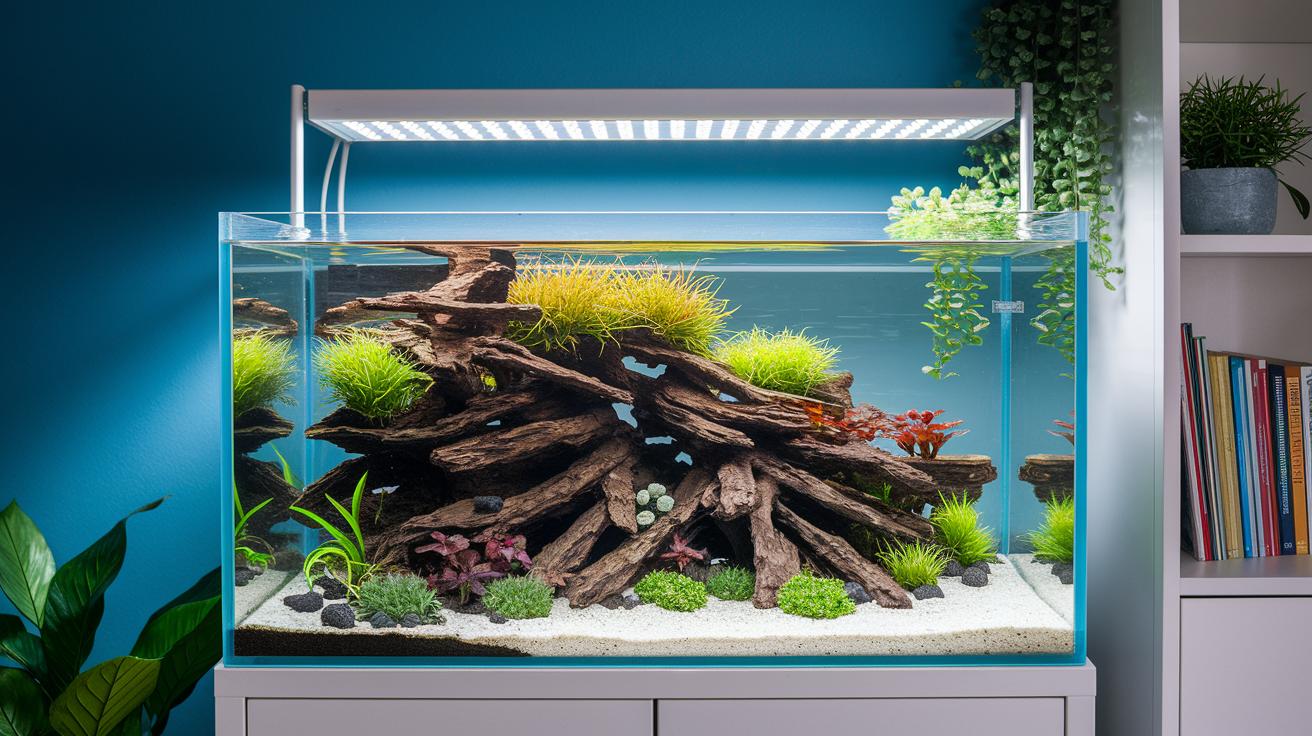
If you're a fan of watching your aquarium bloom, getting the light spectrum just right is like giving your plants a warm hug from the sun. For tanks filled with plants, aim for a PAR (that’s the light measure which plants use for photosynthesis) between 40 and 80 μmol/m²/s. This range is perfect for hardy plants such as Java fern and Vallisneria, helping them grow strong and keeping unwanted algae in check. One aquarist mentioned, "Balancing the right light intensity made all the difference in my tank’s plant health!" and it's easy to see why.
For freshwater tanks that spotlight just fish, a Kelvin range of 5,500 to 6,500K works best. This setting gives water a natural glow and naturally discourages algae from taking over. On the other hand, if you’ve got a reef tank, you might want fixtures that are rated between 9,000 and 14,000K. Adding blue LEDs that emit light in the 450 to 470nm range can make coral fluorescence pop and even help with calcification, creating a lively underwater scene.
Keep in mind to aim for a CRI (Color Rendering Index, which tells you how true the colors look under the light) above 80 by mixing red (620–630nm) and blue shades. This careful balance stops extra light from promoting algae, so your tank stays clear and the colors remain brilliant.
- Always check your PAR values to match your tank’s nutrient needs.
- Tweak Kelvin settings based on the type of tank you have.
- Mix red and blue channels to boost optimal photosynthesis.
Energy-Efficient LED Lighting Fixtures and Installation Guides for Aquarium Canopies
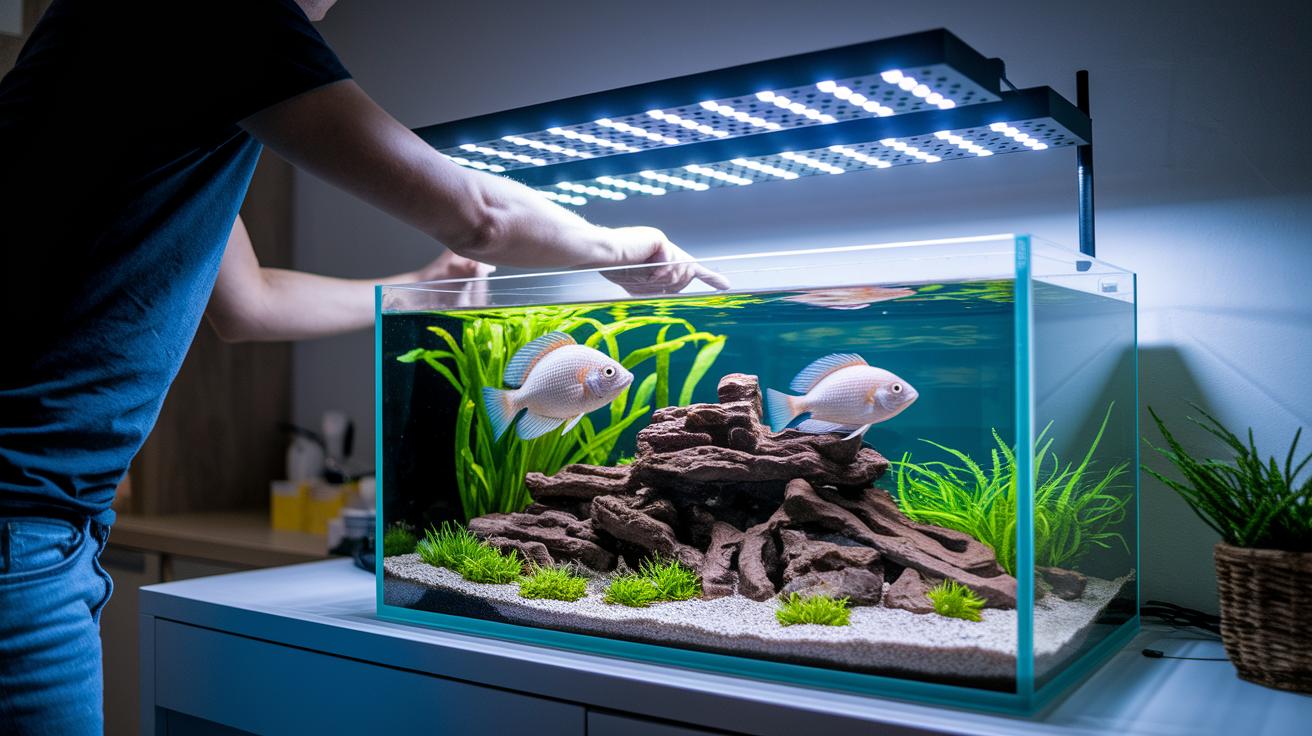
LED lights made for tanks can really transform your aquarium experience. Imagine modular LED bars that come in sizes from 12 inches up to 48 inches. These bars shine between 1,500 and 3,000 lumens per foot, helping create a bright, balanced view for your underwater world. Plus, they sip power, using just 0.5 to 1.2 watts per liter of water compared to the old-school lights that gulp 2 to 3 watts. One fellow aquarist even mentioned, "The energy savings made a huge difference in my monthly bills." It’s like watching the gentle ripple of water and feeling the ease of a quiet, efficient setup.
LED lighting makes it super easy for your underwater plants to thrive and your fish to enjoy a natural, lively scene. When the light is just right, your aquatic greens flourish while your fish glide happily in a setting that mimics nature. Not only do the long underwater fixture bars deliver a refined glow, they also keep your water temperature stable by giving off less heat. And with a lifespan between 30,000 and 50,000 hours, you can enjoy the beauty of your tank for years without worrying about frequent changes.
Setting up a waterproof LED canopy is straightforward when you have a solid guide by your side. First, measure your tank carefully, every inch counts, just like piecing together your favorite puzzle. Then, securely mount the brackets on your tank’s rim, fasten the LED fixture firmly, and run waterproof wiring along safe paths. Finally, sync your light timer to mimic a natural day and night cycle. It’s a step-by-step process that makes upgrading your tank as refreshing as a cool dive on a sunny day.
Common choices for canopies include clip-on LED hoods and full-cover aluminum canopies that come with built-in diffusers to reduce heat and evaporation. These waterproof solutions not only guard your gear but also give your aquarium a sleek, modern look, much like the gentle grace of fish gliding through clear water.
Smart Controls, DIY Projects, and Programming for Aquarium Lighting
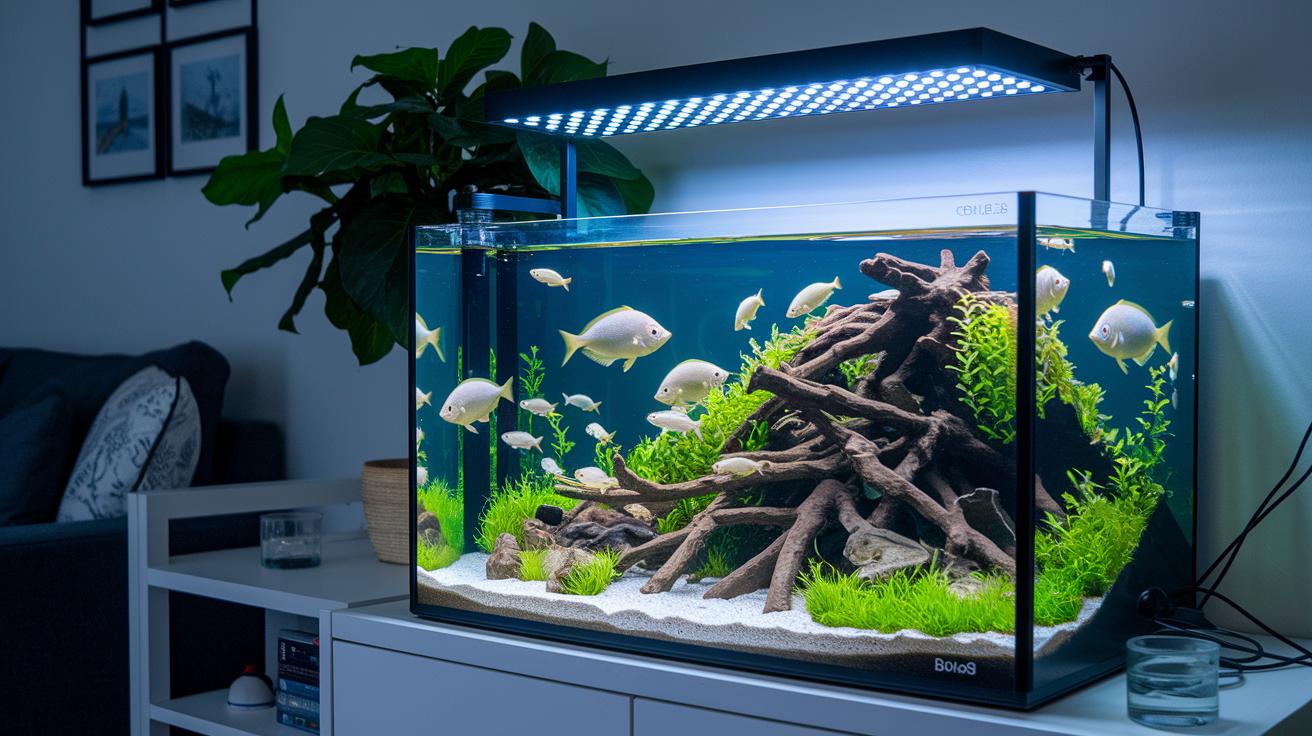
Programmable controllers can really transform the feel of your tank. They let you set up gentle sunrise and sunset effects, add hints of cloud cover, and even mimic the glow of the moon, all on a 24-hour schedule. One fish keeper shared how they eased into white light at full brightness during the day and then gently lowered it in the evening so the fish always felt at ease.
Wi-Fi-enabled systems push convenience even further by letting you control your tank from afar. You can adjust the daylight's white light between 70% and 100% and dial down the blue light to as little as 0.1% for a soft moonlit vibe. This means you can fine-tune your tank's lighting from your phone wherever you are.
For those who enjoy a hands-on project, swapping out DIY LED modules with 5630 SMD strips can be a fun adventure. Just make sure you keep the wiring right and attach the strips to aluminum heat sinks so they stay cool. Some hobbyists even add pH and temperature sensors, so the lighting can change with the tank’s current water conditions.
- Plan your LED swap carefully.
- Double-check the sensor setup for smooth changes.
- Arrange your light cycles to echo natural patterns.
Maintenance, Replacement, and Cost-Effective Upgrades for Aquarium Lighting
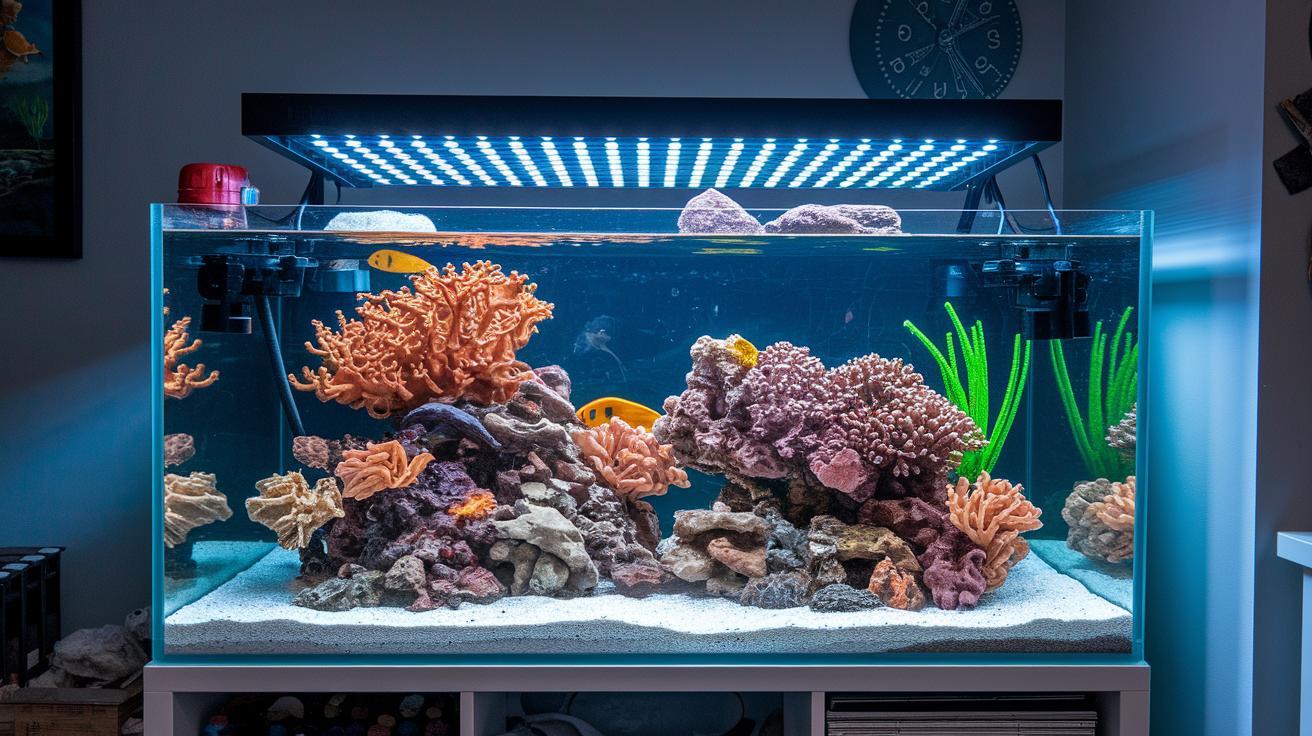
Keeping your tank sparkling is a bit like tending to a beautiful underwater garden. A quick clean of your light covers every month helps keep nearly 90% of the light shining through. It’s also smart to check the o-rings and make sure they’re still snug and leak-free. Pair these light checks with your regular filter cleanings and water changes, it’s a simple trick that makes maintenance feel as smooth as a gentle ripple.
When your LED lights start to fade, usually after 3 to 5 years or when they shine at less than 70% of their original brightness, it’s time for a change. Swapping them out by yourself not only keeps your tank glowing but also makes you feel like the proud captain of your own underwater adventure. If you’re after extra savings, try retrofitting old T5 fixtures with sleek, strip-style LEDs. These cost-effective upgrades can cut your expenses by around 40%, while also lowering energy use and giving your tank a longer life.
For installing LED canopies, use marine-safe sealant around the mounts and remember to retighten the clamps during each maintenance session. This thoughtful step secures your fixtures and strengthens the whole setup, much like how a reliable net keeps all your favorite fish safe.
Some practical reminders:
- Always check and care for your underwater fixtures on a regular schedule.
- Time your cleaning, light replacements, and clamp retightening along with your filter check-ups.
- Invest in LED lighting systems that protect your tank’s long-term health and visual sparkle.
Reviews and Brand Comparisons of Top LED Aquarium Light Fixtures
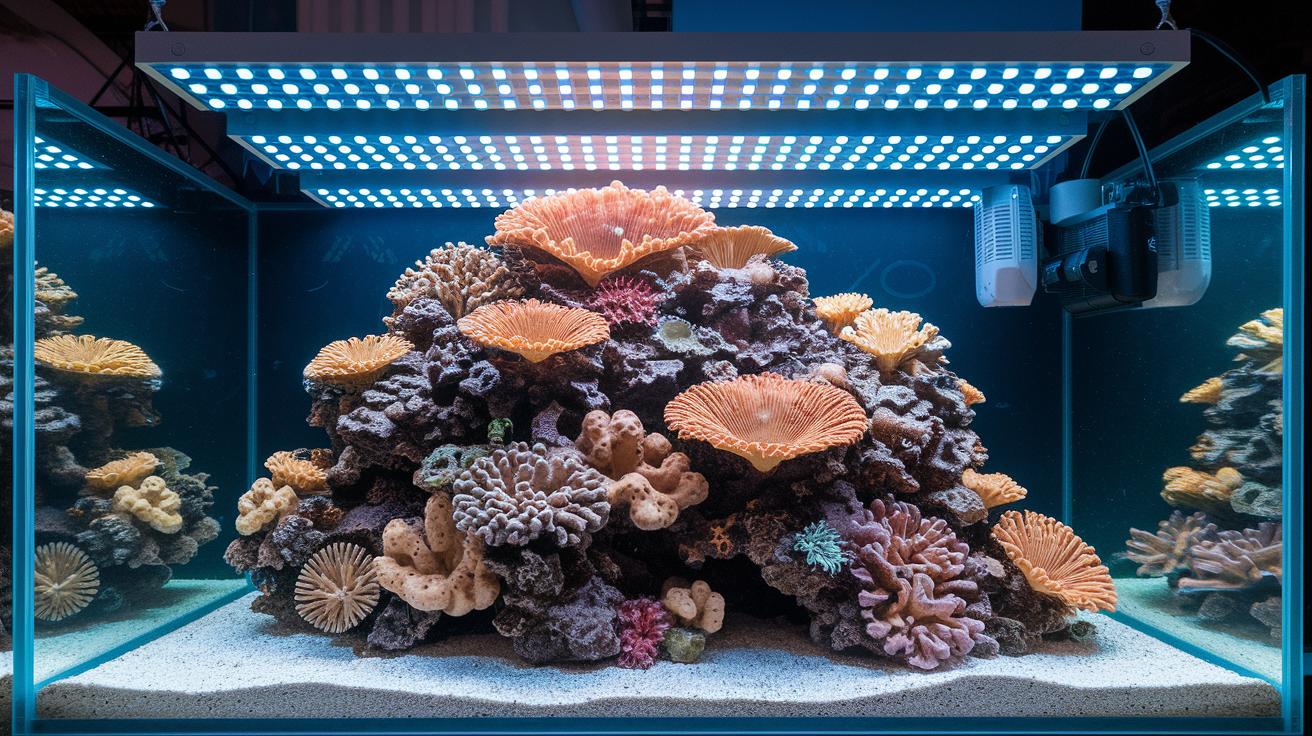
When you're picking LED lights for your aquarium, it's helpful to consider how much power they use, how they manage color, and what smart features they offer. Take the Finnex FugeRay 2.0 for example. It's a light bar between 24 and 30 inches, uses 66 watts, and splits its output into white and blue light channels. One fellow aquarist shared, "Switching to the FugeRay 2.0 made my reef tank lights burst with color. It was just right for my delicate corals."
Then there's the Hygger ARD II Pro. It comes in sizes from 24 to 42 inches and uses between 35 and 75 watts. With a built-in Wi-Fi app, you can easily switch between bright daylight and soft moonlight modes. Imagine changing your tank's mood with just a tap on your phone, much like setting your day to nature's rhythm.
Next up, the Twinstar e-series runs at about 60 watts. It offers a full-spectrum white light alongside a separate blue channel, giving you the freedom to set up 16-hour cycles that mimic natural underwater rhythms. One aquarist noted, "Its programmability makes my tank feel like a real underwater world."
If you're after top-tier quality, give the Chihiros WRGB II a try. It fuses high-grade RGB LEDs, which means crisp, accurate colors (a CRI over 95 really shows off the true hues), with the convenience of wireless control. This light is all about balanced colors and precise customization for your reef tank setup.
| Product | Wattage | Lumens | Channels | Programming | Price |
|---|---|---|---|---|---|
| Finnex FugeRay 2.0 | 66W | N/A | 2 | Dual-channel control | $50–$200 |
| Hygger ARD II Pro | 35–75W | N/A | 2 | Built-in app control | $50–$200 |
| Twinstar e-series | ~60W | N/A | 2 | 16-hour programmable cycles | $50–$200 |
| Chihiros WRGB II | N/A | N/A | RGB | Wireless control | $50–$200 |
Check out the dual-channel options that offer smart Wi-Fi control. Think about the power draw to match your tank's needs, and consider how flexible the programming is to bring out those true colors in your aquatic world.
Final Words
In the action, the article covered tank lighting options, from fluorescent lights mimicking natural daylight to energy-saving LED systems. It explained how tuning spectral output can help plant growth and fish color while keeping algae in check. It also shared tips on smart controls and waterproof canopy setups to simplify installation and maintenance. With clear brand comparisons and practical care hints, you're set to create a balanced, attractive underwater space with top-notch aquarium lighting. Enjoy the process and watch your aquatic world glow with life!
FAQ
Q: What is the best lighting for a fish tank?
A: The best lighting for a fish tank often mimics natural daylight, offering bright yet gentle illumination using LED systems that provide adjustable color and intensity to keep aquatic life healthy and vibrant.
Q: What is the best LED aquarium lighting for plants?
A: The best LED aquarium lighting for plants delivers careful spectral balance with adjustable brightness that helps support plant photosynthesis and controls algae, ensuring lush growth in planted tanks.
Q: How do I replace a fish tank LED light?
A: Replacing a fish tank LED light means removing the old waterproof LED fixture, mounting a new replacement properly, connecting it with secure wiring, and setting the correct daily photoperiod for balanced illumination.
Q: What options are available for saltwater aquarium lighting?
A: Saltwater aquarium lighting options include metal halide and high-output LED fixtures, which produce higher Kelvin temperatures to support coral fluorescence and deep water penetration needed in reef tanks.
Q: Do fish prefer blue or white light?
A: Fish generally respond well to both blue and white light; soft white light renders natural colors better while blue light adds a calming effect, allowing you to choose based on visual appeal and tank needs.
Q: Are you supposed to leave a fish tank light on all the time?
A: Fish tank lights should follow a routine cycle, typically around 10–12 hours per day, to simulate natural day and night patterns, helping to prevent algae growth and promote a healthy environment.
Q: Which is better: T5 or LED aquarium lighting?
A: LED aquarium lighting is usually preferred over T5 for its energy efficiency, lower heat output, adjustable spectrum, and longer lifespan, making it a smart choice for many modern aquarium setups.