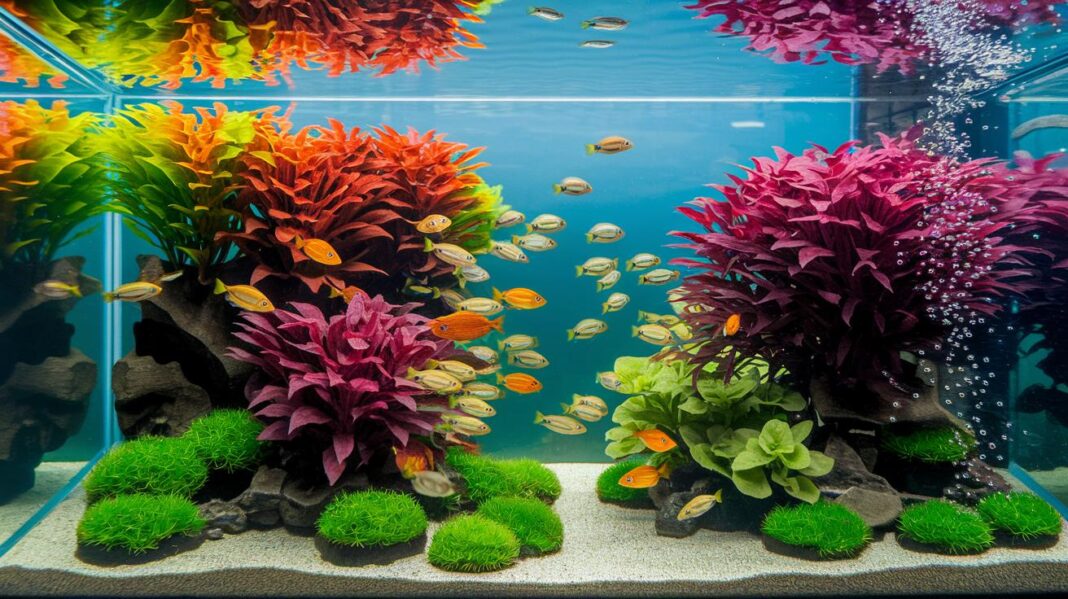

Ever notice how your tank’s plants and fish work like best buddies? The plants clean your water while the fish add natural goodness, almost like they’re having their own little aquarium dance. This gentle teamwork makes your tank feel calm and fresh, like a quiet creek on a sunny day. In this post, we’ll chat about picking the right mix so every fish and leaf plays its part in keeping your water clear and inviting.
Balancing Plants and Fish in Your Aquarium Ecosystem
Plants and fish work together like old friends in your aquarium, each helping the other out. Plants take in waste and decaying bits, cleaning the water so fish can swim happily. In return, fish produce waste that feeds the plants, almost like nature’s own recycling crew. It’s a neat, self-sustaining cycle where every part plays a role in keeping the water sparkling and clear.
Building this balanced ecosystem can take a few weeks or even months, depending on your tank and the fish and plants you choose. When healthy plants grow and fish waste is managed well, your tank becomes a peaceful haven. Ever think of your aquarium as a little rainforest, where every fish and plant helps freshen the water after a storm? It’s a beautiful reminder that every part counts.
When setting up your tank, pick plant types and fish that naturally get along. For example, steer clear of fish like Tinfoil Barbs, Silver Dollars, or large Plecostomus that might munch on your plants. Instead, try to choose species that treat their green neighbors with care.
| Practical Strategy | Description |
|---|---|
| Fast-Growing Plants | They quickly absorb extra nutrients, keeping the water balanced. |
| Moderate-Waste Fish | These fish produce just enough waste to benefit your plants without overwhelming them. |
| Regular Checks | Keep an eye on water conditions and the health of your plants. |
Balancing how much you feed your fish and how the plants grow is key. Over time, as your plants mature and your fish settle into their roles, your aquarium becomes a clear, natural wonder. It’s like watching a gentle stream flow, each drop, each ripple, contributing to a bright and vibrant underwater world.
Top Aquarium Plant Selections and Care Requirements
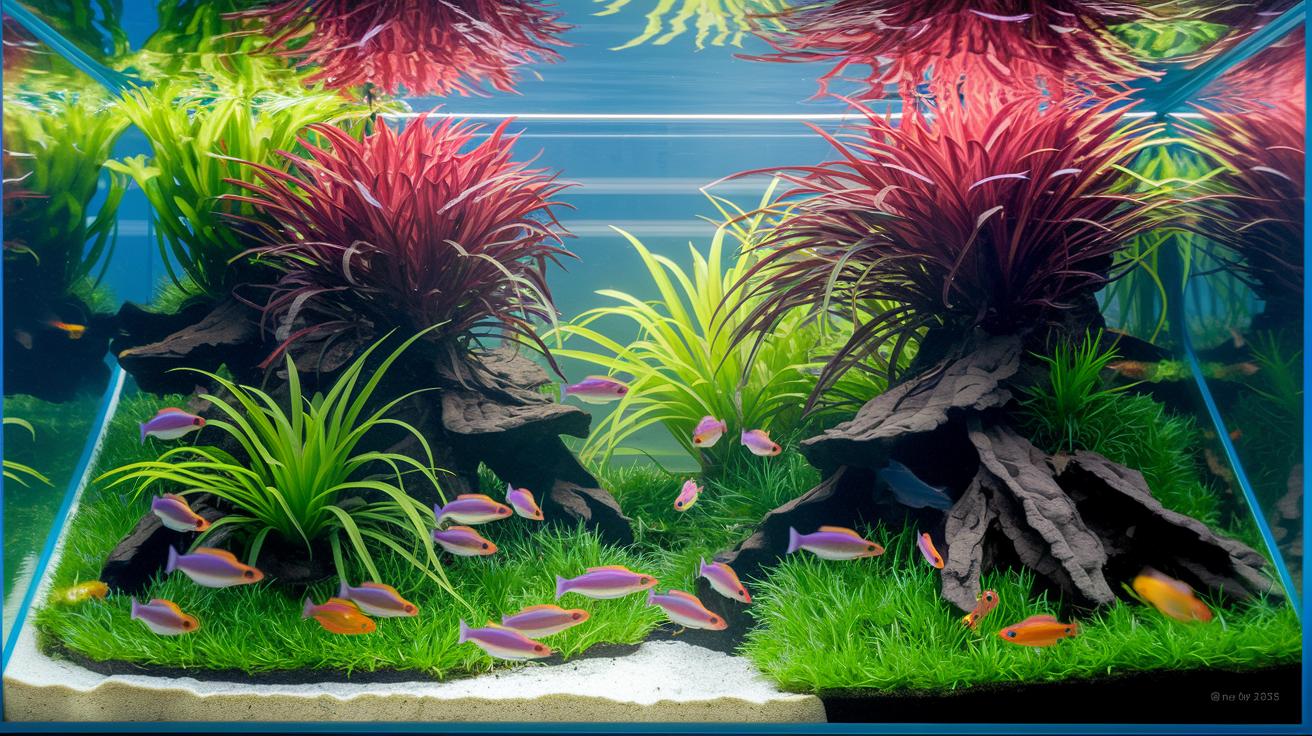
When you're setting up a lively planted tank, start with a careful pick of plants that bring both balance and beauty. For a stunning background, opt for tall plants like Vallisneria or Sagittaria. Their long, flowing leaves create a soft, natural curtain that lets the rest of your aquatic garden shine.
For the middle layer, try using sturdy choices such as Amazon Swords or large Anubias. These plants not only add a bold visual touch but also work like natural filters, gently cleaning your water while they thrive.
At the front of your tank, select low-profile options like Cryptocorynes or dwarf Anubias. These species add a delicate texture and a touch of drama without needing extra CO2. They’re perfect for easy, low-tech setups, which is great for beginners or anyone who prefers a simpler routine.
Each plant blooms best when set in the right kind of cozy home. Choose a substrate like coarse sand or fine gravel that kindly holds the roots in place. For an extra boost, you might use a specialist plant substrate enriched with iron and trace minerals. This not only strengthens your plants but also helps keep your water’s pH steady. Most aquatic plants love water that is moderately soft, with a pH between 6.8 and 7.8. If your tap water feels a bit hard, try mixing in some reverse-osmosis or deionized water to strike the right balance.
When planning your layout, sketch out a design that shows off both the height and spread of your plants. Try arranging taller varieties in the back and shorter ones up front, it’s a bit like creating a scenic underwater painting. You can also check out various aquarium plant supplies for tips on enriched substrates and fertilizers.
Enjoy the process of setting up your tank, and you’ll soon notice how every plant adds its own bit of magic, turning your aquarium into a beautiful, underwater haven.
Aquarium plants and fish: Pure Balanced Brilliance
When you set up a planted tank, matching your fish with the greenery is key. In smaller aquariums under 20 gallons, try picking schooling fish like Neon Tetras, Ember Tetras, or Harlequin Rasboras. These small, colorful swimmers move together in a sparkly display that brightens your tank without bothering the plants. Imagine a gentle dance of shimmering light weaving through a bed of green.
In bigger tanks over 100 gallons, there's plenty of room for fish that bring extra charm and movement. Species like Congo Tetras, Kribensis, Rainbowfish, Discus, or Angelfish work wonderfully in these settings. Not only do they add beauty, but they also help mix the water around the plants, much like a natural current caressing vibrant leaves such as Amazon Swords or Vallisneria.
The hardworking bottom-dwellers, like Corydoras catfish and Otocinclus, have a quiet but important job too. They help scrub away algae and debris from around the roots, keeping the tank floor neat and tidy. Just steer clear of herbivores that nibble on leaves, as they can upset the delicate balance that allows both your plants and fish to shine.
| Small Tanks | Large Tanks |
|---|---|
| Schooling fish in groups of six or more create lively swarms | Bigger species enhance décor and encourage smooth water flow |
Choosing your fish and plants with care means crafting an enchanting underwater scene where every ripple and flicker brings balance and beauty.
Substrate and Water Parameters for Healthy Plants and Fish
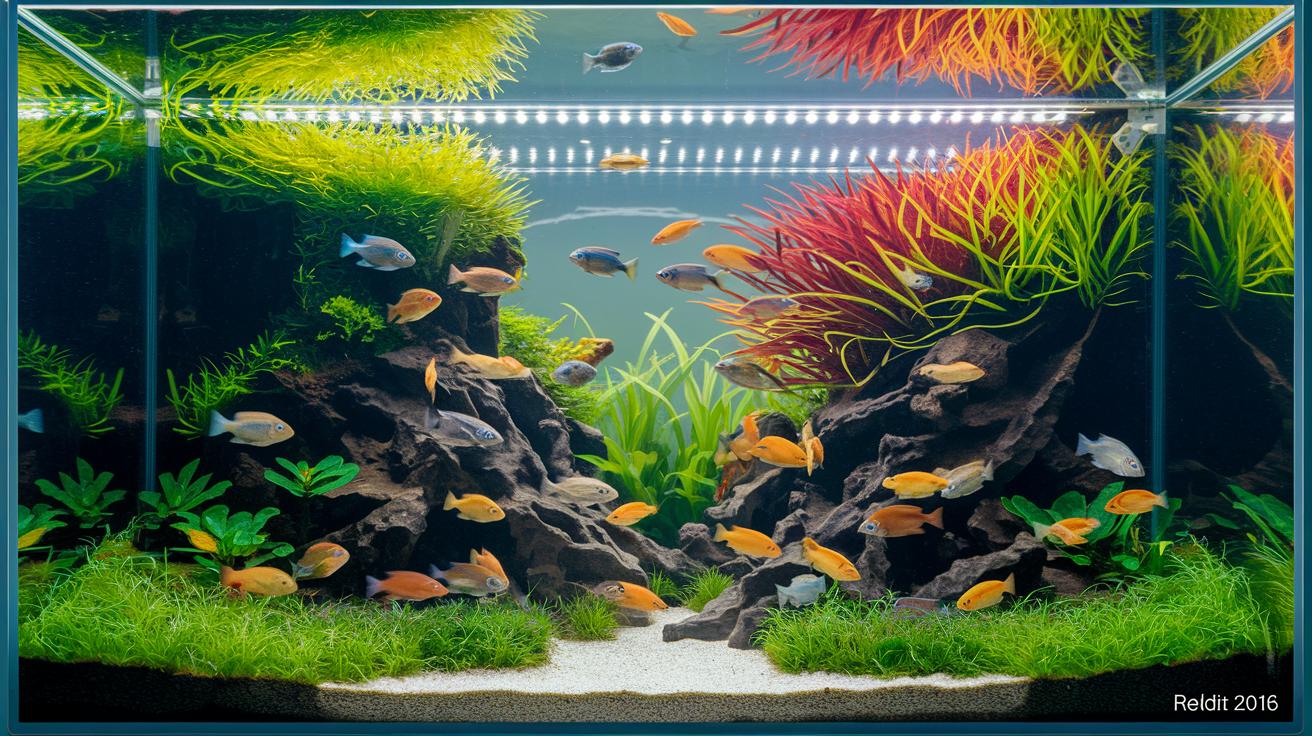
Start by picking a substrate that feels like the soft sand of a calm beach or the gentle crunch of fine gravel. Substrates made especially for plants, boosted with iron and minerals, help keep the pH in check and feed the roots, kind of like giving your plants a tasty snack while they grow.
Next, spread the substrate in thin, even layers. Think of it like carefully layering a simple cake, each layer lets the roots reach the nutrients without getting buried too deep.
Keep your water as friendly as a quiet pond by aiming for moderately soft water with a pH between 6.8 and 7.8. If your tap water seems too hard, mix in some RO or DI water to keep things balanced and calm.
Don’t forget to check the pH and hardness regularly. It’s a bit like giving your fish a little peek at their surroundings before a swim, those quick checks make sure everything stays balanced and stress-free.
Lighting and CO2 Strategies for Vibrant Plants and Fish Health
Try using LED lights like Aqueon OptiBright MAX, OptiBright+ LED, or the Clip-On Planted Aquarium LED (for tanks up to 20 gallons) to bring a crisp, natural glow into your aquarium. These lights beam in the 6500 to 8000 Kelvin range and come with neat features like dimming and sunrise/sunset modes. They help your plants grow strong while giving your tank a soft, inviting shine, just like the early morning light peeking over a quiet pond.
Adding extra CO2 is a key part of creating a lively underwater world. You can boost CO2 with pressurized reactors, a DIY yeast system, or liquid carbon. This extra carbon helps your plants soak up nutrients, making their colors pop and their leaves fuller. Just be careful not to overdo it; too much CO2 without enough nutrients can throw the balance off, like adding too much water to your favorite recipe.
When you balance light and CO2, you set the stage for plants to perform photosynthesis happily and even encourage your fish to be more active.
- Pick an LED light that shines in the right spectral range.
- Experiment with your CO2 setup to keep nutrient levels in check.
By fine-tuning these details, you can craft an underwater space where colorful plants and lively fish truly thrive together.
Aquascape Design Tips for Plants and Fish Integration
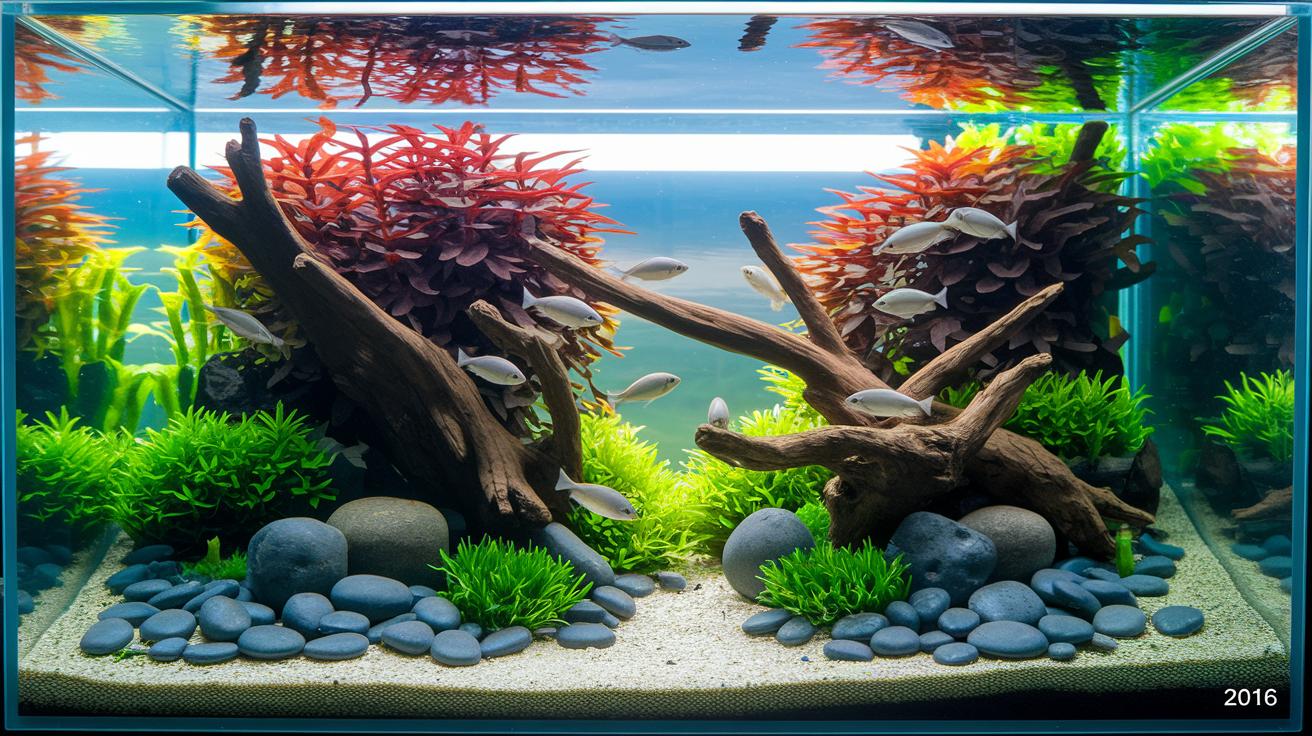
Start with a simple sketch that clearly marks different zones. Instead of picking the same plants again, draw clear borders between areas. Think of it like drawing a gentle line with driftwood or stone that softly divides the background from the middle, kind of like the calm separation between shallow and deep water.
Use natural features as both design highlights and cozy hangouts for your fish. These features help you easily create smooth transitions between each zone, giving your tank a unique feel without repeating the same plant details.
- Draw your overall layout with clear, separate zones
- Use driftwood or stones to mark off areas and make little hideaways for your fish
- Focus on arranging your space clearly rather than reusing plant ideas
Take your time to design each zone. Soon enough, you’ll have an aquascape that feels as peaceful and inviting as watching gentle ripples on a quiet pond.
Routine Maintenance and Algae Prevention in Planted Fish Tanks
Keeping your planted aquarium healthy is a lot like caring for a little garden underwater. Regular upkeep is essential for both your fish and plants to flourish. Aim for a 20–30% water change each week to keep the water fresh and balanced, much like giving your tank a gentle shower. This small routine helps stop the buildup of substances that can feed algae.
It’s also smart to check your water every week. Look at things like pH, hardness, and nutrients using trusted testing kits, these are like quick snapshots of your tank's health. These regular tests help you catch any problems early and decide when to trim your plants or adjust your chemicals.
Speaking of trimming, cut back on any dead or decaying leaves on your plants. This simple act can lower the extra organic matter that may promote algae blooms. And be careful with adding fertilizers or CO2; too much of these can disturb the tank’s natural balance and invite unwanted algae. Your live plants actually act like little filters, soaking up extra nutrients in their busy way.
| Step | Action |
|---|---|
| 1 | Test pH, hardness, and nutrient levels weekly |
| 2 | Change 20–30% of the water each week |
| 3 | Trim plants regularly to remove dead leaves |
| 4 | Monitor fertilizer and CO2 amounts to keep balance |
Final Words
In the action, we explored how live plants work with fish to keep waste in check, the right substrate and water settings, and smart lighting and CO2 methods to spark growth. We also covered fish and decor pairings that add charm to your setup.
This guide ties together insights for a lively display where aquarium plants and fish create a balanced, clean haven. Enjoy nurturing your vibrant underwater world and watch your aquatic space thrive!
FAQ
What plants are good for a fish aquarium?
The plants good for a fish tank include species like Amazon Sword, Anubias, Cryptocorynes, and Vallisneria that absorb excess nutrients and support a balanced water environment.
Can you add plants to an aquarium with fish already?
Adding plants to a tank with existing fish is safe. Live plants help soak up waste nutrients while a gradual introduction lets your fish adjust comfortably.
What fish should be avoided in a planted aquarium?
Fish such as Tinfoil Barbs, Silver Dollars, and large Plecostomus are best avoided because they tend to nibble on plants and can disrupt your tank’s balance.
What fish do well with live plants?
Fish like Neon Tetras, Ember Tetras, Corydoras, and Otocinclus flourish with live plants, complementing the greenery while helping manage algae naturally.
Where can I find live aquarium plants and fish for sale near me?
Local pet stores, aquarium shops, and trusted online sites offer live aquarium plants and fish. You can smoothly choose options that suit your tank’s needs.
What live aquarium plants are good for beginners?
Beginner-friendly choices include Java Fern, Anubias, and Cryptocorynes. These plants are hardy and require little extra care, making them perfect for starting your aquarium.
What resources provide a freshwater aquarium plants list with pictures?
Many online catalogs and aquarium blogs showcase freshwater plant options like Vallisneria and Amazon Sword with clear pictures to help guide your selections.
What is an aquarium plant factory?
An aquarium plant factory is a facility that grows a variety of live aquatic plants, ensuring fish keepers have a steady supply of quality greenery for healthier tanks.