

Ever feel like your aquarium could be more than just a glass box filled with water? Imagine a space where each soft plant and gently curved driftwood creates an underwater masterpiece. I once thought of it as turning your tank into a little slice of calm, a living painting where every element has its own story.
Here’s a thought: simple, easy-to-follow aquascaping ideas can transform your everyday setup into a peaceful haven. With just a bit of care and clear guidelines, your tank becomes a living display that not only relaxes you but also lets your creativity shine. Have you ever noticed how even the smallest ripple can spark a smile? That’s the spirit we’re after.
Mastering Aquascaping Design Fundamentals
When you start with a strong foundation, your aquarium becomes a lively underwater scene where every detail feels as vibrant as a bubbling stream. Clear, simple guidelines help everything, from graceful plants to gently curved driftwood, to join together like notes in a soothing melody.
- Simplicity: Keep things neat so each piece can shine on its own. Imagine placing one striking star plant against a calm, open background that lets you see every lovely curve.
- Variety: Mix different types of plants, stones, and other decor to create interesting textures and layers, much like a colorful patchwork quilt under the water.
- Proportion: Make sure all the elements work well together. Think of it like the natural rhythm of gentle tides, where no single element takes over the whole scene.
- Persistence: Take care of your aquascape regularly. Just as you tend a garden, trimming plants and making small adjustments can keep your underwater display looking fresh and balanced.
Your gear plays a key role in bringing these ideas to life. Lighting, for example, spreads a warm glow that not only highlights the beauty of each plant but also helps them make their food through a process called photosynthesis. Water filters work quietly, removing dirt and keeping your tank clear, much like a gentle current cleaning the water. And with CO₂ injection, your plants get that extra boost to help them thrive, ensuring your mix of variety and balance stays perfect.
With a caring touch and the right equipment, your aquascape turns into a serene underwater canvas that reflects your creative vision and brings a sense of calm, just like the soft murmur of water on smooth stones.
Planning Your Aquascaping Ecosystem Layout

Choosing the perfect base for your aquarium is like setting the stage for your underwater world. Start with a nutrient-rich soil and top it with inert sand or gravel. This cozy setup helps your plants show off their best colors and develop strong roots. It’s a bit like giving them a comfy bed full of tasty food. Plus, layering your substrates creates little homes for helpful bacteria that feed your plants gradually. If you want to dive deeper, check out a "soil for aquarium plants" resource.
When you build your tank’s foundation, think about adding a good filter that fits well with your soil. A mechanical filter acts like a net, catching stray debris, while a biological filter supports friendly bacteria that break down waste. And a chemical filter helps clear away any toxins, keeping the water safe for everyone. Together, they make your aquarium not just a pretty scene but a thriving, well-balanced ecosystem.
Designing Aquascaping Hardscape: Rocks and Driftwood Strategies
Driftwood and stones are like the sturdy bones of your underwater world. They build the frame that gives your tank depth and character, much like nature’s own design. Imagine a piece of driftwood curving naturally through your aquarium or a lone rock that adds a touch of rugged charm. This setup transforms your tank into a living piece of art.
When placing these elements, try using groups of three, five, or seven to keep the look relaxed and natural. Instead of clustering everything in one spot, let the pieces flow in gentle curves like a meandering stream. Using a dark background can also hide the clutter of equipment, making your driftwood and stones stand out even more. These simple choices help you create a balanced and welcoming seascape in your very own aquatic haven.
Selecting and Arranging Aquascaping Plants for Natural Aesthetics
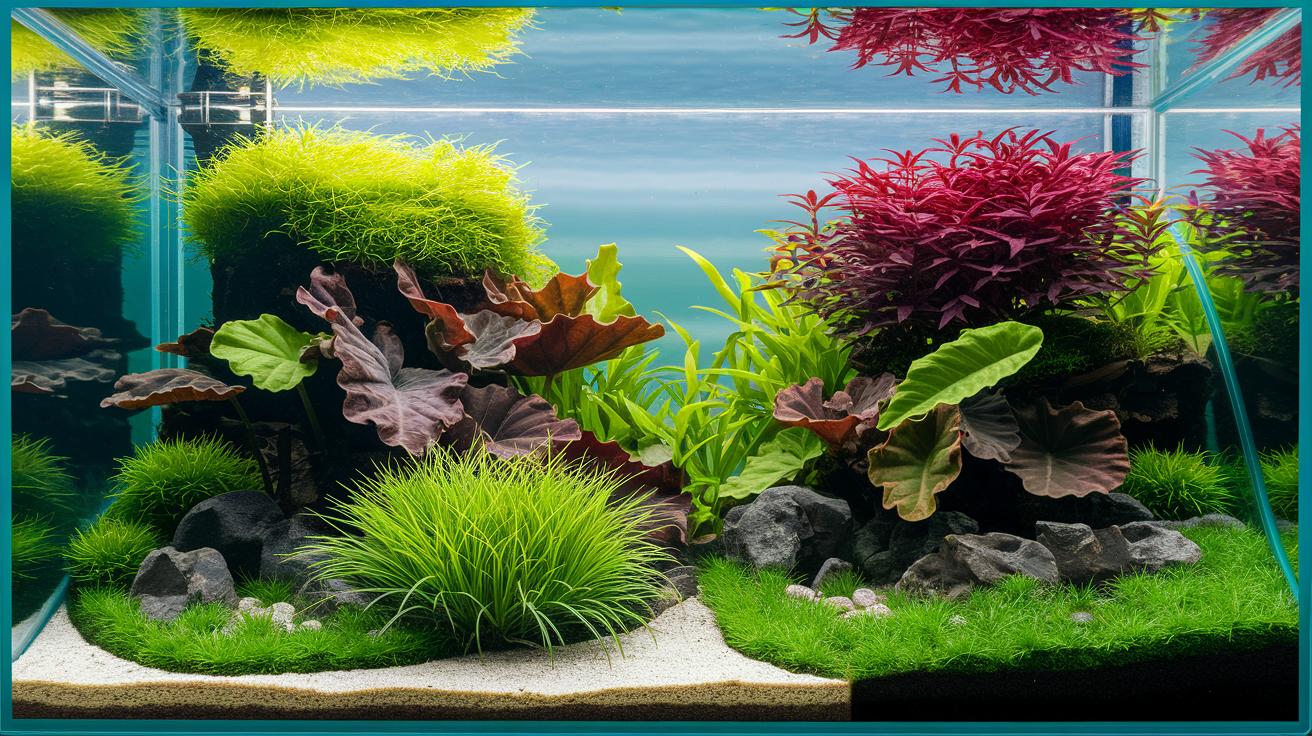
When you set up your aquarium, every layer plays a special role, much like the gentle flow of water over smooth stones. The front features tiny, delicate carpet plants that stretch like a natural rug. In the middle, small mosses and compact species mix together to create texture, while the background fills with taller, flowing aquatic plants that add depth and movement. It’s like arranging a living painting that shelters your fish and delights your eyes.
For a standout aquascape, try using dwarf hairgrass, Micranthemum Monte Carlo, and Hemianthus callitrichoides for that elegant, low cover. Java moss lends a soft, trailing touch in the midsection. These plants thrive with liquid fertilizer, which works like a nutrient drink by providing both macronutrients and micronutrients. And if you’re curious about how light affects these leafy friends, check out the tips at best light for aquarium plants; it’s a simple way to see how the brightness and color of your lamps can boost growth.
Keeping your aquascape lush is all about regular care. A little trimming keeps each plant neat and well-shaped, preventing overcrowding and helping every zone shine. Balancing the fertilizer with the right lighting and CO₂ levels is like fine-tuning a song, it ensures every layer remains vibrant, healthy, and as stunning as a clear, sparkling stream.
Aquascaping Design: Lighting and CO₂ Systems
Lighting is the heartbeat of any lively aquascape. The right light, measured in PAR, which is just a way to see if your plants are getting enough energy, helps them grow strong and turn vibrant. When you set up your lighting, imagine a soft sunrise gently bathing every corner of your tank. Position your fixtures so each plant, whether in the foreground or background, gets its own little spotlight.
CO₂ systems might seem a bit extra, but they really boost plant growth. Think of CO₂ like a special ingredient in your favorite recipe; it helps plants thrive when paired with a touch of liquid fertilizer. Balancing the mix of light, CO₂, and fertilizer is a lot like fine-tuning a tasty meal. When you’ve got a reliable CO₂ setup that fits seamlessly with your aquascape, every leaf and tendril will flourish, making your underwater garden truly shine.
Aquascaping Composition Techniques: Rule of Thirds, Golden Ratio, and Focal Points
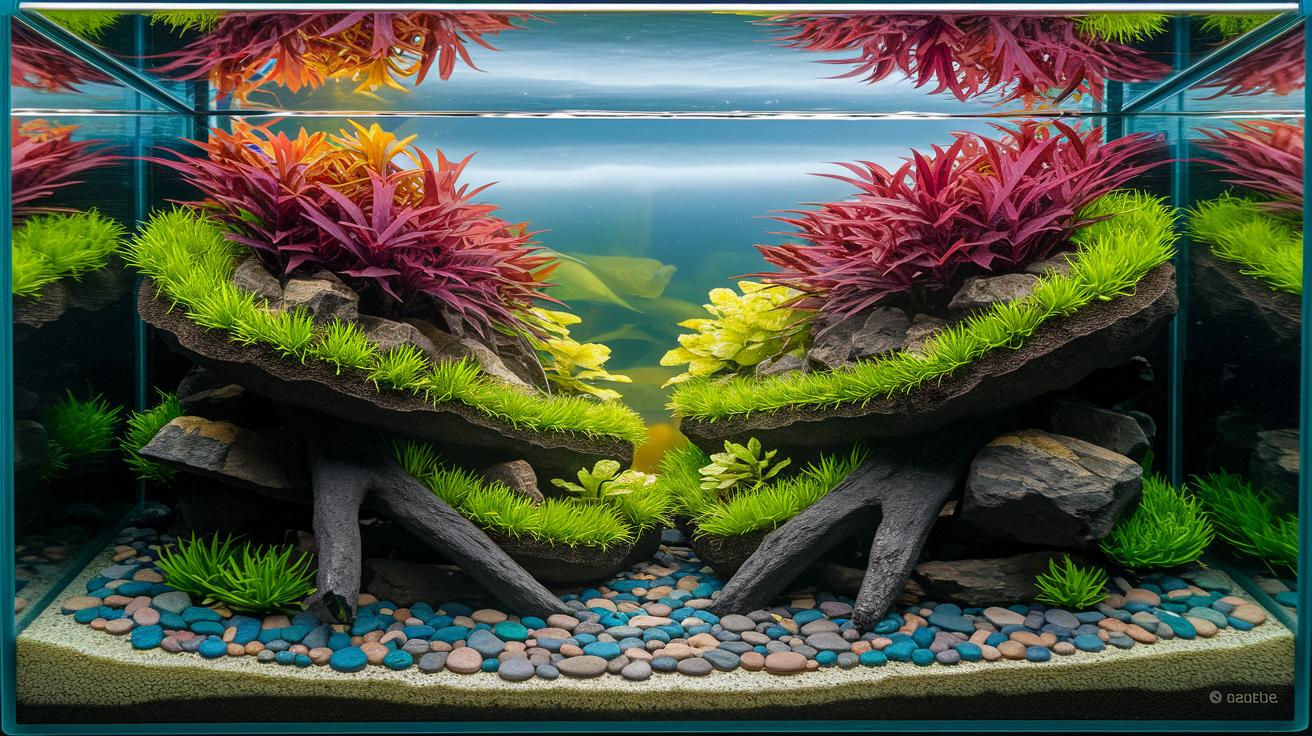
Imagine setting up your aquarium as if you were painting a peaceful underwater picture. Each stone and plant finds a spot where it can shine, giving your tank a natural, balanced look. Dividing the tank into thirds, both across and up and down, creates sweet little meeting points for your favorite features, so nothing feels too squished or out of place.
Now, think about the golden ratio, which is about 1:1.618. This idea helps you decide where your eyes should rest, kind of like placing a standout rock a bit off to the side and letting a curvy group of plants gently follow. This trick makes your tank look inviting, as if each detail playfully leads your gaze from one lovely point to the next.
Aquascaping Styles and Design Approaches
Aquascaping is like creating a lively underwater painting. Each style lets you shape your tank into a mini nature scene that feels soothing and alive.
Dutch Aquarium Style: key plant and layout traits
The Dutch style is all about neat layers of stem plants arranged like steps. Think of it as laying down stripes of colorful, living artwork. With about three types of plants each foot, the focus stays clear on the bright greens and reds without any hard decor stealing the show.
Jungle Aquarium Style: dense foliage and texture
This style bursts with wild, tangled plants that remind you of a deep, green forest. Tall plants in the back blend with thick, clustered bushes up close. It creates a textured, story-filled scene where every leaf seems to whisper its own tale.
Iwagumi Style: rock-centered minimalism
Taking a cue from Japanese design, Iwagumi is all about the beauty of rocks. You only see an odd number of stones paired with a few mat-like plants. The clean, simple layout brings attention to each rock, making the tank feel calm and balanced.
Nature Aquarium Style: balanced hardscape/softscape mix
The Nature Aquarium style mixes rocks, driftwood, moss, and a variety of plants to echo the look of a natural landscape. It’s like capturing a piece of the wild outdoors in your own tank. Every element flows smoothly into the next, making for a balanced and harmonious underwater scene.
Nano Aquascape: compact design considerations
Perfect for tiny tanks under 10 gallons, the Nano Aquascape style makes every inch count. Smaller plants like moss and dwarf hairgrass work wonders in these cozy spaces. With petite fish and little critters adding a dash of movement, the design remains neat and lively.
| Style | Key Features |
|---|---|
| Dutch Aquarium | Layered stem plants and no hardscape distractions |
| Jungle Aquarium | Lush, dense foliage with mixed plant heights |
| Iwagumi | Simplistic design with odd-numbered rocks |
| Nature Aquarium | A blend of rocks, driftwood, and soft plants |
| Nano Aquascape | Compact design for small tanks with petite species |
Step-by-Step Aquascaping Design Guide for Beginners
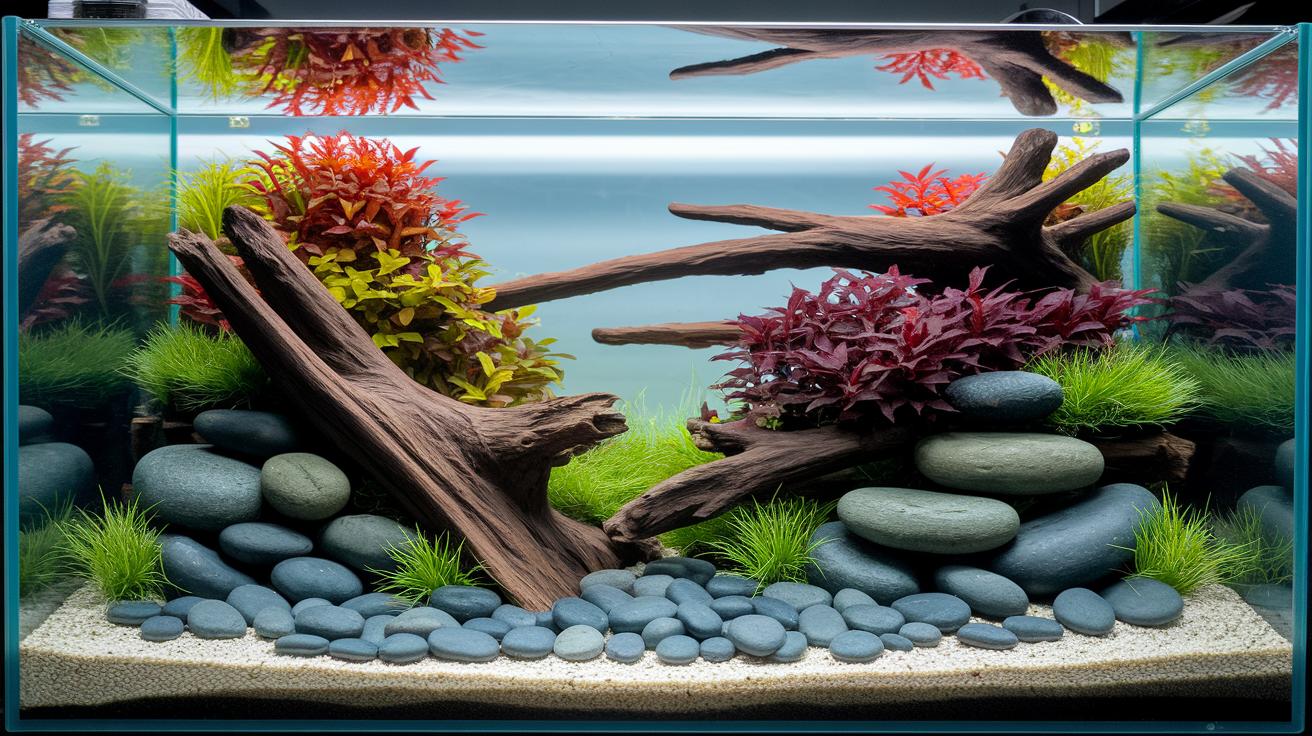
If you're just starting out, try a simple, step-by-step plan that uses the dry start method to give your plants time to settle in. Think of it like setting up a little underwater garden.
First, plan where your driftwood and stones will go, they form the backbone of your layout. Then, prepare your substrate by layering it carefully, and leave your setup without water for a few days so your plants can grow strong roots.
Next, it's time to add the plants and slowly fill your tank. Arrange plants in the front, middle, and back to create a clear, beautiful look. Gently fill your tank with water, just like slowly pouring a drink, to keep everything in place. Let the water cycle naturally until it’s safe for your fishies to call home.
For long-term health, stick to a few simple routine tasks. Trim your plants every week, change about 25%–30% of the water every now and then, and adjust your CO₂ and liquid fertilizer as needed to keep your aquatic world thriving.
Final Words
In the action, we covered everything from core design principles and substrate planning to rock and driftwood placement, plant selection, lighting, and CO₂ systems. Each section showed clear steps to build an attractive aquatic setup.
We tied these parts together to create a balanced, clean environment that supports life and beauty. When you see it all come together, your aquascaping design becomes a true celebration of underwater charm. Enjoy exploring each element, and keep refining your unique underwater space!
FAQ
Q: What are some easy aquascaping design ideas for beginners, including Iwagumi and driftwood options?
A: The aquascaping design ideas for beginners mix simple layouts, Iwagumi techniques, and driftwood elements to balance aquatic plants and stones, providing a clear roadmap for a natural, engaging underwater look.
Q: What is the rule of aquascaping?
A: The rule of aquascaping means placing key elements at balanced positions—like using grid points—to create a natural and well-ordered design that feels both intentional and visually smooth.
Q: What is the golden ratio for aquascaping?
A: The golden ratio in aquascaping means arranging elements in roughly a 1:1.618 proportion, helping rock, plant, and driftwood placements achieve an eye-pleasing, balanced underwater scene.
Q: Why is aquascaping so hard?
A: Aquascaping is hard because it calls for careful selection and placement of plants, stones, and driftwood, while also maintaining proper water conditions, which demands ongoing attention and routine care.
Q: What app helps design fish tanks?
A: The fish tank design app lets you plan your layout digitally by visualizing the placement of aquatic plants, rocks, and driftwood, making it easier to experiment with designs before setting up your tank.