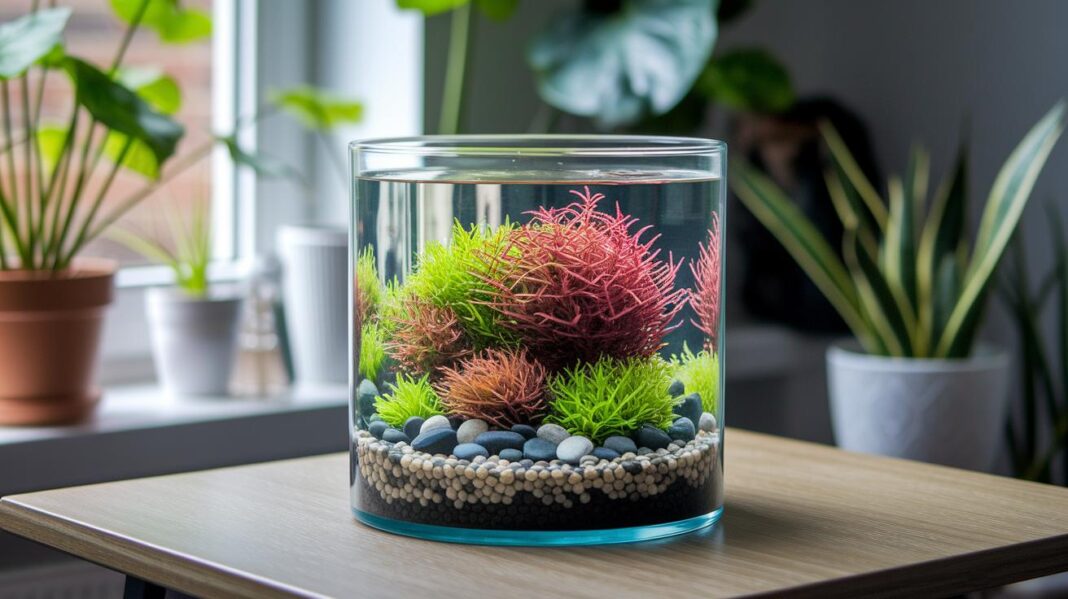

Ever wondered if a small tank can pack a big design punch? Well, think again! Aquascaping lets you turn a modest aquarium into a lively piece of art that celebrates your love for all things aquatic.
With a bit of planning, you can arrange stones, driftwood, and a solid base to create a snug home for your fish. Imagine the soft murmur of water flowing over carefully placed stones, much like a gentle ripple on a sunlit pond.
In this post, we share a few simple steps to design your very own mini underwater garden that is both practical and beautiful. Get ready to witness how even a compact tank can transform into a charming visual retreat.
Essential Steps for Aquascaping for Small Aquariums
Start by checking out your tank’s space. For nano tanks (think 5 to 20 gallons), measure your area and take note of how bright your lights are. Jot down your ideas on a piece of paper like you’re drawing a little map, it’s a fun way to plan your miniature garden with one clear focal point.
Next, collect all your supplies. Pick a base like nutrient-rich aquasoil or fine-grain gravel to set the stage. Then, choose some hardscape elements such as Dragon stone or Seiryu stone, and add driftwood options like Malaysian or Manzanita. Every piece should add beauty and function. For example, try creating a small island by placing the biggest stone in the center and letting the others drop in height toward the edges to mimic a natural slope.
Then, start building your design. Arrange the hardscape items first to form one strong centerpiece, and place the driftwood in a way that flows naturally with the stones. Once you’re happy with that, add your plants. Place smaller-leaved varieties at the back and larger leaves in the front. This layering gives your aquarium real depth and a lively perspective.
Finally, set up a regular maintenance routine. Trim your plants every 3 to 5 weeks to keep everything looking neat and vibrant. With these steps, your small tank turns into a charming, little underwater world that’s both practical and visually delightful.
Substrate and Hardscape Selection for Compact Aquatic Landscapes
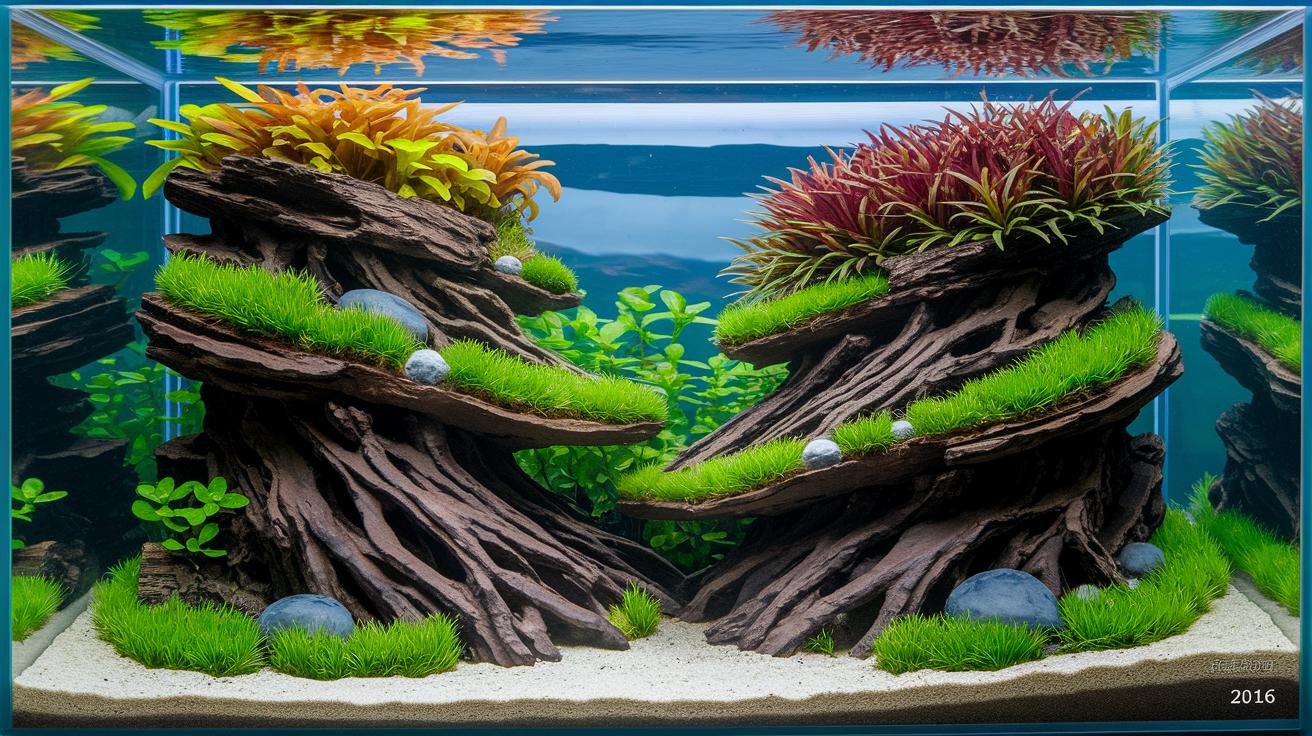
Start with a base of nutrient-rich aquasoil or fine-grain gravel. This base not only holds plant roots securely but also lays the groundwork for a beautifully designed tank. You might try layering by adding a thin top coat of finer gravel in key spots to boost varied plant growth. Ever considered using a coarser layer at the back to gently guide nutrient flow upward?
Mix in some hardscape treasures like Dragon stone, Seiryu stone, or Malaysian driftwood to match your tank’s layout. Instead of creating a strict island, try arranging these elements in a more natural, off-center pattern. You could cluster a few smaller pieces near the front while leaving the center open for a larger, eye-catching stone that really makes a statement.
Play around with the angles and spacing of your stones to gently steer water flow and give plants a secure spot to anchor. This approach not only enhances your tank’s overall look but also makes cleaning a bit easier. Imagine your substrate sloping just right to guide water where it’s needed, practical, yet a delight to watch.
| Advanced Technique | Application |
|---|---|
| Layered Substrate | Alternate layers of nutrient-rich base with patches of finer gravel for varied plant growth. |
| Asymmetrical Grouping | Arrange stones and driftwood in organic clusters to create natural focal points. |
| Flow-Directed Layout | Set up substrate and hardscape to channel water flow for easier cleaning and healthier plants. |
And remember, regular check-ups let you fine-tune these details so that your tank stays both beautiful and practical as your aquatic friends flourish.
Plant Choices and Placement Strategies in Small-Scale Aquascapes
Choose slow-growing plants like Monte Carlo, dwarf hairgrass, Anubias nana, and Java fern to keep your tiny tank looking neat. These plants grow gently, so they won’t crowd your space, allowing you to design a lively underwater scene even in a small aquarium.
Think of your tank like a three-dimensional artwork. Place the tallest stem plants at the back to form a natural curtain, then set mid-sized rosette species like Cryptocoryne in the center to add structure. In front, use low-growing carpet plants to create a soft border that guides your eye along the display. Mixing different leaf sizes helps add a natural sense of depth to your setup.
Here’s a fun tip: even a small change in plant placement can totally transform how your tank looks! Every little detail matters when shaping your aquatic haven.
Also, a little trim every 3 to 5 weeks is really helpful. Pruning keeps your design neat and makes sure each plant has room to grow, much like giving your miniature garden a refreshing cut so no one plant steals all the light.
By picking compact plants and arranging them in three clear layers, you create a balanced and inviting scene. Your careful choices will make every corner of your small aquarium come alive.
Lighting, CO2, and Equipment Essentials for Nano Aquascapes

To help your nano aquascape thrive, you need the right mix of light, CO2, and equipment. LED lights cast a clear beam over the tank’s bottom, giving your plants about 30 to 50 PAR. This means they get just enough light to grow strong without being overwhelmed, and it brings out the beauty in your underwater setup.
Next, correct CO2 levels are a big deal. Aim for around 3 mg/L, and soon you’ll see a big difference. Setting up a CO2 system might seem tricky at first, but once you get the hang of it, you’ll enjoy seeing those slow-growing plants perk up and algae stay under control. I remember when I first adjusted my CO2 just right, and it felt like my little aquatic world lit up with extra life.
Stable temperature matters too. A 25W heater from Cobalt Aquatics is perfect for keeping the water warm, supporting both your plants and any little fish swimming around. A compact canister filter is also a great pick for nano tanks because it keeps water flowing and clear without taking up too much space. It works quietly behind the scenes, ensuring your water stays fresh and inviting.
Regular care makes all the difference. Changing 20–30% of your water every week or two and checking the temperature with a digital thermometer helps keep everything steady. Each part, from lighting and CO2 to heating and filtering, plays its role in making your mini habitat both stunning and easy to look after.
Investing a bit of extra time in setting up these essentials means your nano aquascape will truly come alive. With the right balance of light, CO2, and equipment, your small tank becomes a living, breathing underwater world that’s as beautiful as it is calming.
Maintenance and Care Best Practices for Small Aquascapes
Changing the water in your mini aquarium every week is like giving it a refreshing drink after a long day. Swap about 20-30% of the water every week or every other week. This simple step stops harmful nitrates from building up and keeps your tiny aquatic home happy.
Testing the water for nutrients is another neat trick, kind of like giving your plants a vitamin boost. A few drops of liquid fertilizer help your greens stay lush and vibrant, making your tank sparkle like sunlight on the water.
Every three to five weeks, take some time to trim your aquatic plants. Think of it like a little haircut that lets more light reach all the corners of your tank. A timely trim keeps your setup neat and balanced, turning it into a charming living art display.
For keeping algae under control, why not try adding Neocaridina shrimp? They naturally nibble on algae, or you can do a bit of manual spot cleaning if that suits you better. These simple, daily care steps work together to preserve clear water and a lively, inviting aquascape.
Inspiring Nano Aquascape Design Styles and Stocking Examples
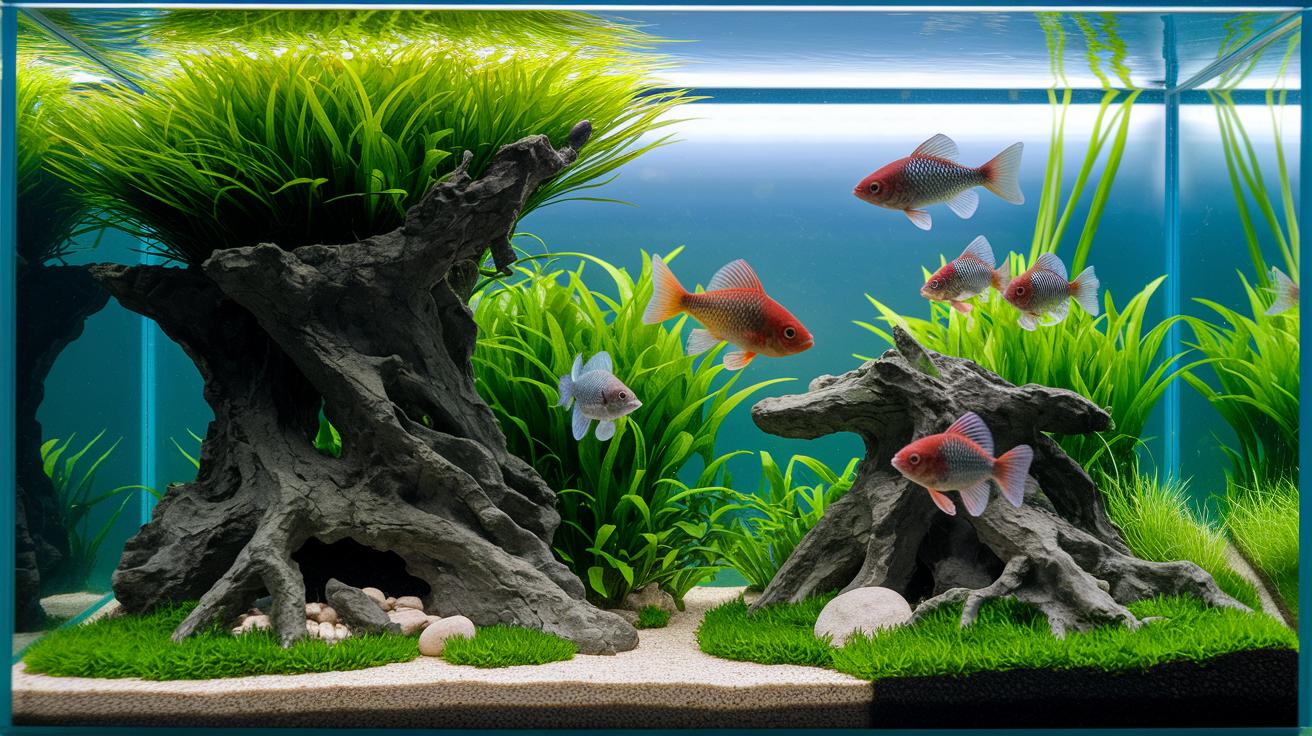
Imagine a little island of lush green plants, gently surrounded by Dragon stone. This design forms a striking center that draws your eye, much like a tiny mountain that adds natural charm to your tank.
Then, picture a nature-inspired layout featuring a cozy honey gourami swimming with a school of harlequin rasboras. The softly curving growth of plants creates a warm background that lets the fish show off their bright colors and graceful movements, almost like watching a peaceful forest stream.
Next up is the playful “Skittles” tank design. Here, vibrant Neocaridina shrimp replace the usual schooling fish. Their cheerful hues pop against a carefully arranged mix of small, low-growing plants, creating a scene as delightful and colorful as a display of sweet treats.
Now, consider a lakebed mimic created especially for shell-dwelling fish like Neolamprologus multifasciatus. By blending textured substrates with subtle rock formations, you set up a shallow edge where these tiny adventurers can hide in crevices and explore their natural environment.
Finally, imagine an aquascape built for breeding, perfect for a pair of Apistogramma dwarf cichlids. With carefully chosen rocks and neatly trimmed plants, you form intimate spaces that cater to their needs while adding a creative, artistic touch to your underwater world.
Advanced Design Techniques: Layering, Perspective, and Depth in Tiny Aquatic Gardens
Start with a gentle, tapered sand path that leads your eyes on a smooth journey from one corner of your aquarium to a captivating focal point. Imagine a soft slope of sand, like a tiny stream guiding you to a standout rock formation.
Mix up the heights of your plants and stones to create relaxed shadow plays. Place taller pieces on one side so their shadows gently fall behind, much like water gliding over pebbles in a shallow brook.
Leave plenty of open space around your chosen centerpiece. This extra room helps each element shine on its own and makes the overall setup feel naturally graceful. Picture a small bunch of low-growing plants beside a single larger rock, with calm blue water peeking through, just like a peaceful lake scene.
These creative techniques work together like water in a ripple, giving your tiny aquatic garden a lively, three-dimensional charm.
Final Words
In the action, we covered essential steps to build your very own miniature underwater retreat, from picking the right substrate and hardscape to choosing plants that suit your space. We talked about the proper lighting, water care, and techniques that add depth and charm. Every tip works together to simplify aquascaping for small aquariums and create a balanced, inviting habitat for your aquatic pets.
Enjoy planning your next design, and remember that small changes can make a big splash in your tank!
FAQ
What are some top ideas for small aquarium aquascaping?
The top ideas for small aquarium aquascaping include designing a central focal island with layered hardscape and plants, using compact stones and driftwood to create depth and visual balance.
How can I do DIY aquascaping for a small aquarium?
A DIY aquascape for a small aquarium starts with sketching a layout, selecting scaled materials, and arranging hardscape pieces and plants to form a balanced, natural underwater scene.
What are some inspiring nano tank aquascape ideas?
Inspiring nano tank ideas involve using miniature stones, driftwood, and small-leaf plants arranged in asymmetrical layers to create a lively, visual underwater display in a confined space.
What options exist for aquascape aquarium kits for beginners?
Aquascape aquarium kits for beginners offer bundled essentials like substrate, compact hardscape pieces, and easy-to-manage plants, making it simple to start a balanced and attractive aquascape.
What is the best floating plant for a small aquarium?
The best floating plant for a small aquarium includes species like Salvinia or duckweed, which provide surface cover, help reduce glare, and add a natural touch without crowding the tank.
What is the rule of aquascaping?
The rule of aquascaping calls for a balanced composition where a central focal point, layered plant heights, and naturally arranged hardscape elements combine to create a harmonious and dynamic underwater scene.
What is the best substrate for a small planted aquarium?
The best substrate for a small planted aquarium is nutrient-rich aquasoil or fine-grain gravel, offering an even base that supports robust root growth and fosters a well-balanced plant layout.
How do I scape a small aquarium?
Scaping a small aquarium involves planning with a clear layout, using a central hardscape focus for depth, arranging plants strategically in layers, and keeping regular maintenance like trimming to preserve the design.