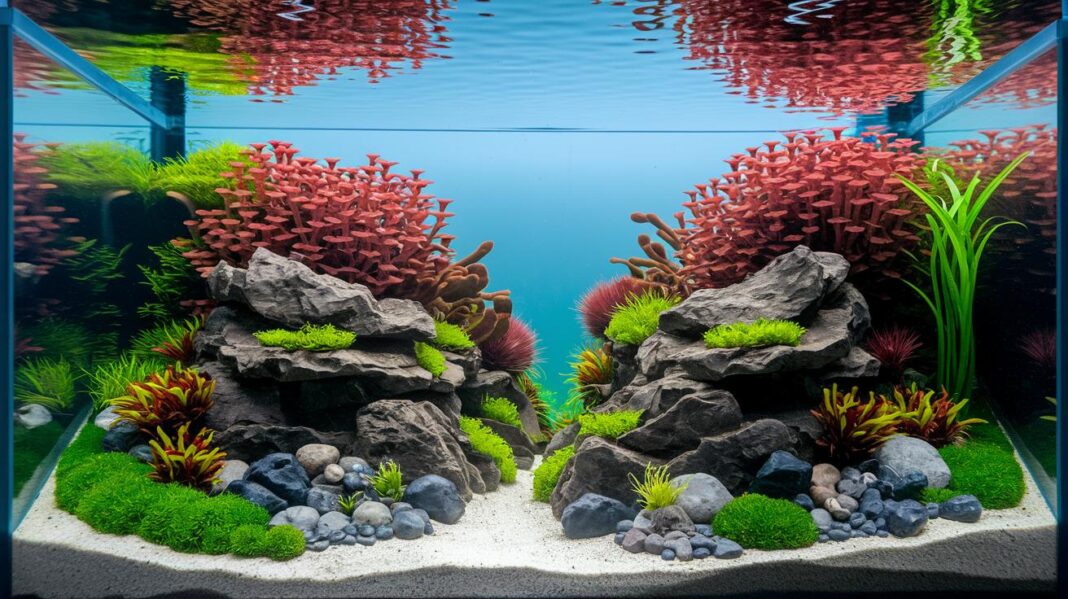

Have you ever thought that your tank could come alive like a moving painting? Aquascaping lets you build an underwater world where every stone and plant plays its part.
Imagine a scene where smooth rocks and lush greenery blend together, just like the gentle ripple of water over pebbles. This guide shares easy tips to help you place natural features and vibrant plants so your aquarium turns into a real piece of art.
Next time you look at your tank, you might just see it in a whole new light. Enjoy the creative flow and watch your aquarium come alive!
Essential Aquascaping Ideas for Stunning Underwater Landscapes
Aquascaping is like creating a living painting beneath the water. It mixes beauty and balance, turning your aquarium into a tiny garden where every stone and plant has its place.
Take a moment to picture this: In one award-winning setup, Team Buce Plant crafted the UNS 5N "Wolf’s Den" using just Dwarf Baby Tears and a Wolf Stone. It shows that sometimes a little goes a long way.
Designers such as Javier Lecuna break the mold with their imaginative dioramas. His 2019 “Vortex” design uses dramatic rock arches and varied plant textures to tell a lively story. Then there’s the UNS 60U “Nature’s Arch” where clever lighting, with blue backdrops and well-placed arches, casts enchanting shadows and adds depth. If you’re drawn to natural themes, blackwater biotopes offer a moody, tinted-water look, much like Melanie Homes’ design. And don’t overlook vertical aquascapes: the UNS 25T "The Collision" by Team Buce Plant proves that stacking rocks and adding height can create a dynamic, balanced scene with both rugged structure and soft, lush carpeting.
These ideas cover the basics of aquascaping, making them approachable for beginners and inspiring for seasoned hobbyists. Each design shows how to select, position, and care for both stones and plants, step by step.
From choosing just the right stone to placing every plant with care, every detail helps shape your aquarium’s unique personality. Experiment with different textures and lighting, and soon your underwater garden will come alive with stunning visual impact.
Planning Your Aquascaping Layout: Hardscape and Spatial Design
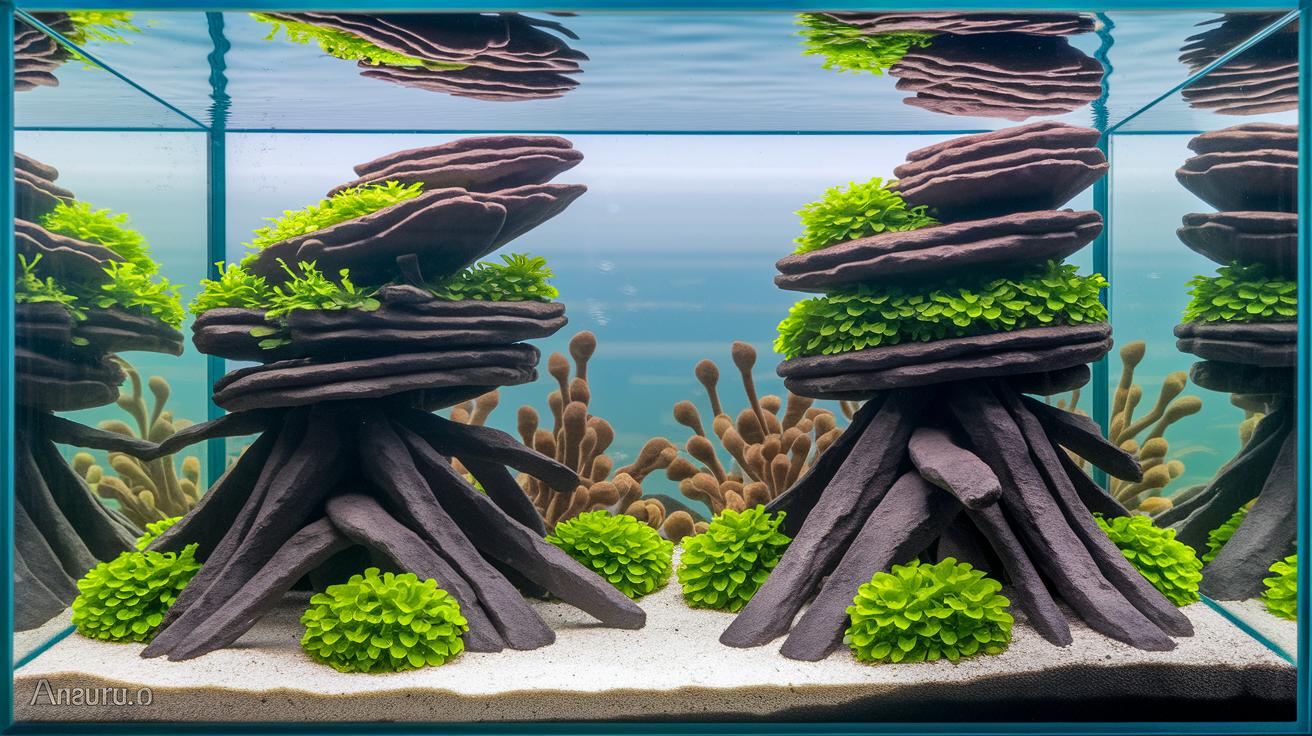
When planning your tank, start by making a clear map that shows both the solid, rocky parts and the open water spaces. Take the UNS 5N "Wolf’s Den" by Team Buce Plant, for example. They paired one bold Wolf Stone with a soft carpet of Dwarf Baby Tears to create a gentle, uncluttered design that guides your eye smoothly across the setup.
Modern aquarium arrangements are all about balance. By mixing sturdy structures with open spaces, you can give your tank a natural, layered look. Vertical layouts like the UNS 25T "The Collision" use stacked rocks to add height and depth. This arrangement of stones in different layers makes your tank feel grander and full of life.
Here are some simple tips to help you design your aquarium layout:
| Tip | Description |
|---|---|
| Focal Stones | Pick standout stones to anchor your design. |
| Substrate Gradients | Use gentle slopes to shift smoothly from front to back. |
| Layering | Place rocks and hardscape pieces at different heights to form natural gaps. |
This way of planning isn’t just pretty to look at, it helps your tank stay healthy too. The careful angles and open spaces let water flow nicely, which gives your aquatic plants room to grow. In truth, by combining smart stone placement with thoughtful empty spaces, you build a home that is as kind to your fish as it is to the eye.
Choosing and Positioning Plants for Optimal Aquascape Aesthetics
When setting up your tank, start by picking out plants for the front that add a vibrant, detailed look. Imagine a soft, lush carpet of Dwarf Baby Tears that instantly brings life to a bare bottom, almost like laying down a green welcome mat that pulls you right in.
Next, give some love to the midground. Think of designing a dreamy underwater scene where mid-sized stem plants frame rocky arches and create curvy, interesting shapes. Group these plants in smart clusters with different heights and textures. This way, every corner of your tank catches a bit of magic while still leaving enough room for each plant to catch light and enjoy the water’s flow.
Then, for the background, choose taller species that add depth and keep everything balanced. Arrange them in clusters so they support each other, letting light travel smoothly through the water and letting currents run free. With thoughtful placement like this, your aquarium won’t just be easy to care for, it’ll also look like a living piece of art that brings the calm and wonder of an underwater world right into your space.
Hardscape Styling Techniques: Driftwood and Natural Decor Integration
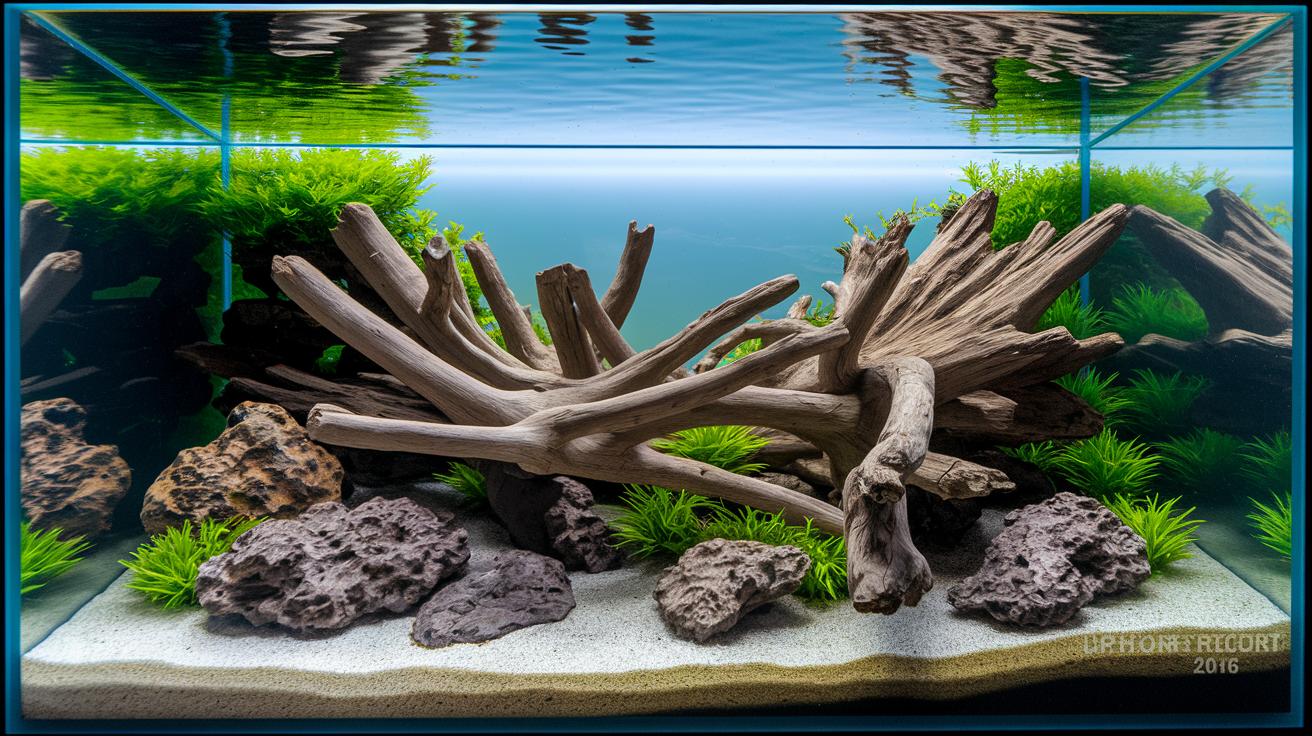
When you add natural decor to your aquarium, it’s like inviting a slice of nature into your own little world. Imagine a piece of driftwood, rich in tannins that seem to whisper stories of riverbanks, angled gently to guide your eyes along a flowing path, much like nature arranged it itself.
Pairing that driftwood with textured rocks creates a delightful contrast. Each rock and piece of wood gets its own space to shine, yet they come together to build a balanced, natural scene, much like the soft interplay of light and shadow seen in a real riverbank.
If you’re keen on DIY projects, try experimenting with naturally curved driftwood or a favorite submerged root as your centerpiece. Move things around until the layout feels just right, like shifting pebbles to find that perfect arrangement. And if you need more ideas, check out the nature decor aquarium collection here: nature decor aquarium.
Treat each piece of decor as both art and a functional part of your underwater world, creating a living scene that fills your tank with warmth and personality.
Exploring Aquascaping Themes: From Minimalist to Tropical Showpieces
Minimalist layouts let you enjoy clean spaces that feel calm and balanced. Picture a sleek aquarium with one standout stone and a soft spread of plants that guide your eyes gently from one side to the other. It’s like setting the scene with a whispered invitation, sometimes a single striking element is all you need.
Fantasy dioramas bring a splash of magic to your tank. Think of Javier Lecuna’s “Vortex,” where curving rock arches and lush plant textures mix to tell a vibrant story. The stones curl gracefully, and the plants burst with personality, layering your aquarium with a creative narrative that feels almost like a secret underwater tale.
Blackwater biotopes offer a moody, mysterious vibe. These setups use tannin-rich water and a few carefully chosen plants to highlight every natural detail. The subdued tones let each element shine, like soft shadows dancing over smooth pebbles, inviting you to explore nature’s quieter side.
Tropical themes, on the other hand, bring energetic pops of color and life. Bold stem plants flash upfront, creating dramatic contrasts and lively focuses that brighten the tank. This style blends creative aquascaping with DIY decoration tips, making it easy to refresh your underwater space with a touch of modern flair.
DIY Aquascaping Projects: Step-by-Step Setup and Maintenance Tips
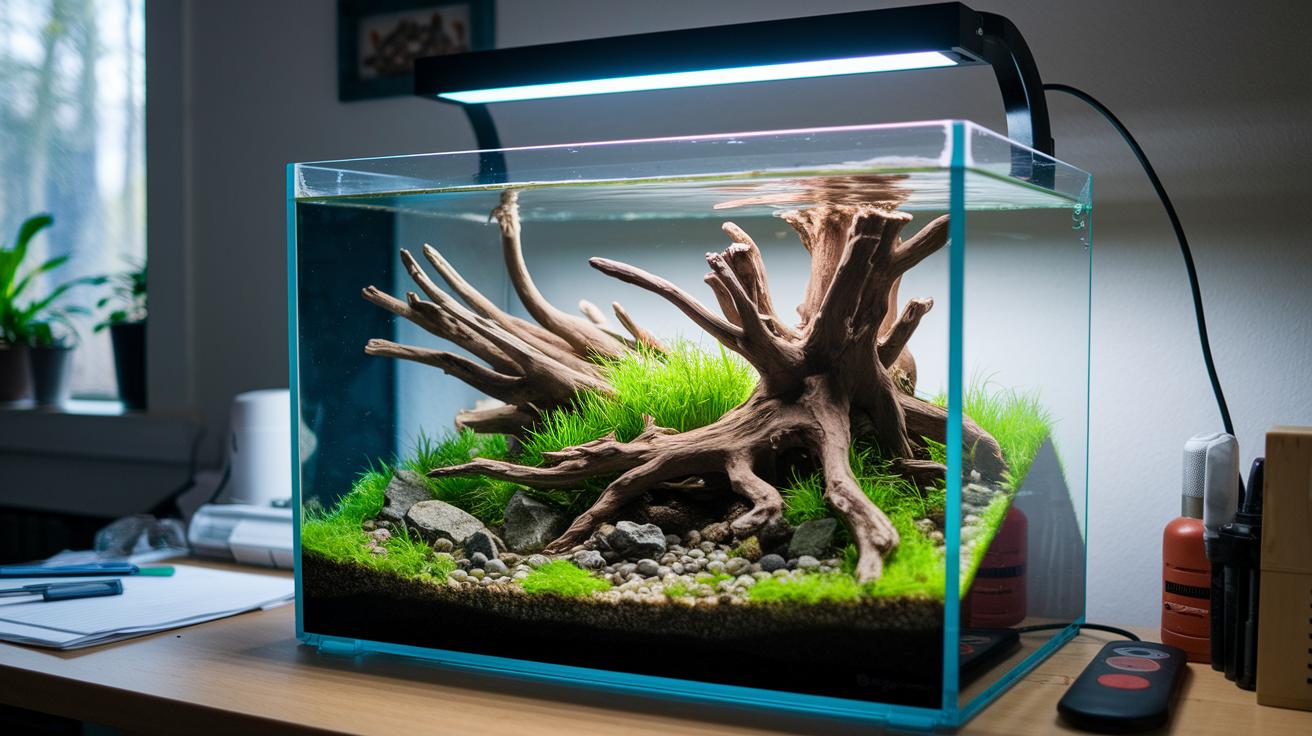
When starting your aquascape project, begin by gathering top-notch materials that make upkeep simple and enjoyable. Instead of rehashing what you might already know about substrate layers or where to place your plants, we’re here to guide you through a clear process that keeps your underwater world happy and healthy.
First, set up your hardscape features so you can easily trim and clean them later. Think of it like laying out a path of driftwood stones, making each corner of your tank reachable for a little touch-up. Your preplanned design will be your trusty map for regular checks and care.
Next, keep these practical tips in mind:
- Check the water’s clarity and adjust CO2 if needed, to keep that water sparkling.
- Trim your plants now and then so they stay neat and don’t overgrow.
- Give a quick look at your lighting and filtration systems to keep everything running smoothly.
| Task | Action |
|---|---|
| Water Quality | Check clarity and adjust CO2 |
| Plant Health | Regular pruning and trimming |
| System Check | Inspect lighting and filtration |
Final Words
In the action of transforming ideas into vivid, balanced aquascapes, the tips above blend art and care. We explored creative hardscape design, planting methods, and natural decor to build underwater worlds that look as good as they function. Step-by-step guidance ensures your aquarium stays healthy and inviting, while a dash of simplicity brings every element together. These aquascaping ideas inspire both a visual treat and a nurturing habitat for aquatic friends. Enjoy every moment as your aquarium becomes a prized living masterpiece.
FAQ
What are some aquascaping ideas for beginners and DIY enthusiasts?
Aquascaping ideas for beginners include simple layouts focusing on minimalism, easy plant choices, and creative hardscape placement. DIY projects often start with small, manageable setups that offer both beauty and balance.
Where can I find aquascaping inspiration on social media?
Aquascaping ideas on platforms like Pinterest and Reddit offer a pool of creative designs. These communities showcase unique layouts and tips that spark fresh ideas for your underwater display.
What are some aquascaping ideas for small tanks?
Aquascaping ideas for small tanks focus on maximizing space with compact designs, intricate plant arrangements, and a balanced mix of hardscape elements to create a striking yet manageable display.
What aquascaping ideas work well for saltwater setups?
Aquascaping ideas for saltwater setups highlight natural textures using live rock, marine plants, and suitable corals. This approach crafts dynamic scenes that echo the ocean’s natural beauty.
How can I incorporate driftwood and rocks into my aquascape?
Aquascaping ideas using driftwood and rocks mix natural features to create depth and visual flow. Combining these elements adds a distinct character and guides the viewer’s eye throughout the aquarium.
What is the rule of aquascaping?
The rule of aquascaping centers on balancing hardscape, plants, and open space. A well-designed layout uses these elements harmoniously to create an engaging and healthy underwater habitat.
What tank size is best for aquascaping?
The best tank size for aquascaping depends on your goals. Larger tanks allow more flexibility with design, while smaller tanks demand careful planning to maintain visual balance and a healthy ecosystem.
What does the golden ratio mean in aquascaping?
The golden ratio in aquascaping means arranging elements in a balanced, proportional way that naturally guides the eye. This design guideline helps create a pleasing and harmonious tank layout.
What equipment is needed for aquascaping?
Aquascaping equipment typically includes lighting, filtration, heaters, and CO₂ systems along with tools like substrate, rocks, and plants. These items work together to support a vibrant and thriving tank.