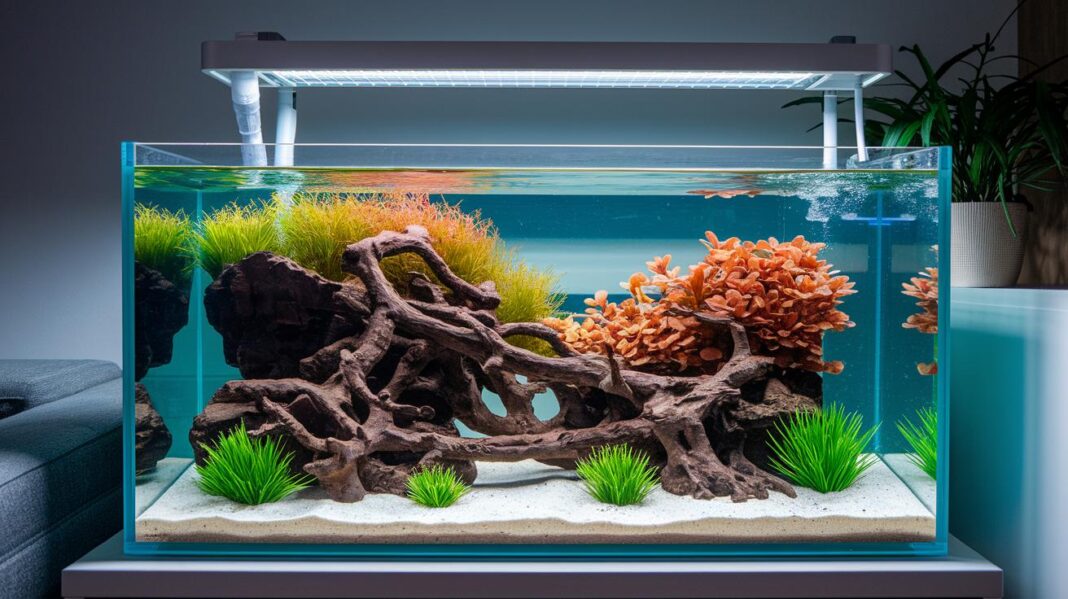

Have you ever wondered if your aquarium could take a little break from constant cleaning? Automatic water changes let your tank refresh itself, much like a gentle stream flowing by, so you spend less time scrubbing and more time enjoying your aquatic pals.
In this post, I'll show you how smart systems use pumps and sensors to keep your water sparkling and healthy without extra effort on your part. It’s a simple, efficient setup that lets you sit back, relax, and truly appreciate the vibrant underwater world you’ve created.
How Automatic Aquarium Water Changes Work
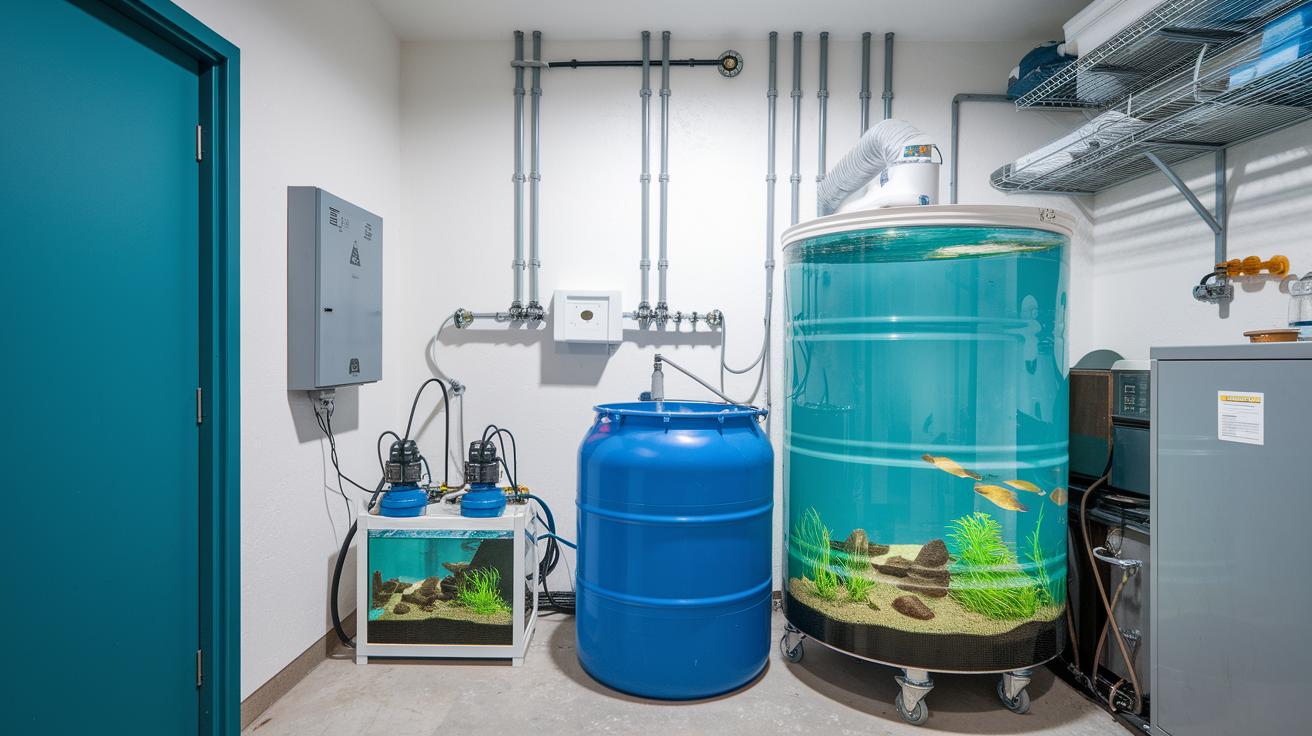
Automatic water change systems make keeping your aquarium clean as easy as a gentle tide. These setups work on a simple plug-and-play method that refreshes even huge tanks. Imagine a system that can clear over 200 gallons in a 400-gallon aquarium using a 250-gallon saltwater drum, all working together like the steady flow of a calm river.
The heart of the system is a pair of pumps, such as the Mag drive or the Sicce Ultra Zero pump, which moves water at around 790 gallons per hour. They work through 3/4-inch tubes that stretch 60–80 feet and lift water about 10 feet high. Think of it like a rhythmic pulse, steadily keeping your water fresh and vibrant.
Beyond saving you time, this clever setup lightens your workload and reduces stress on your corals. It’s almost like having a quiet, dependable friend who cares for your aquatic world so you don’t have to. Smart auto changers even have two sump sensors that automatically know when to drain and when to fill, acting like a gentle top-off system to maintain perfect water conditions.
| Component |
|---|
| Pumps |
| Piping |
| Sensors |
| Controllers |
| Reservoirs |
| Adapters |
When it comes to keeping the water flowing just right, designers balance pump speed with water pressure to beat friction loss over long pipes. For example, a Mag drive pump running at a slower pace can lift water over long distances, while some DOS pumps are set up to swap out around 10% of the tank’s water every week on a continuous cycle. It’s all about finding that sweet spot between a gentle, steady current and a faster change for extra efficiency, ensuring both your fish and corals feel right at home.
Comparing Top Automatic Aquarium Water Change Devices
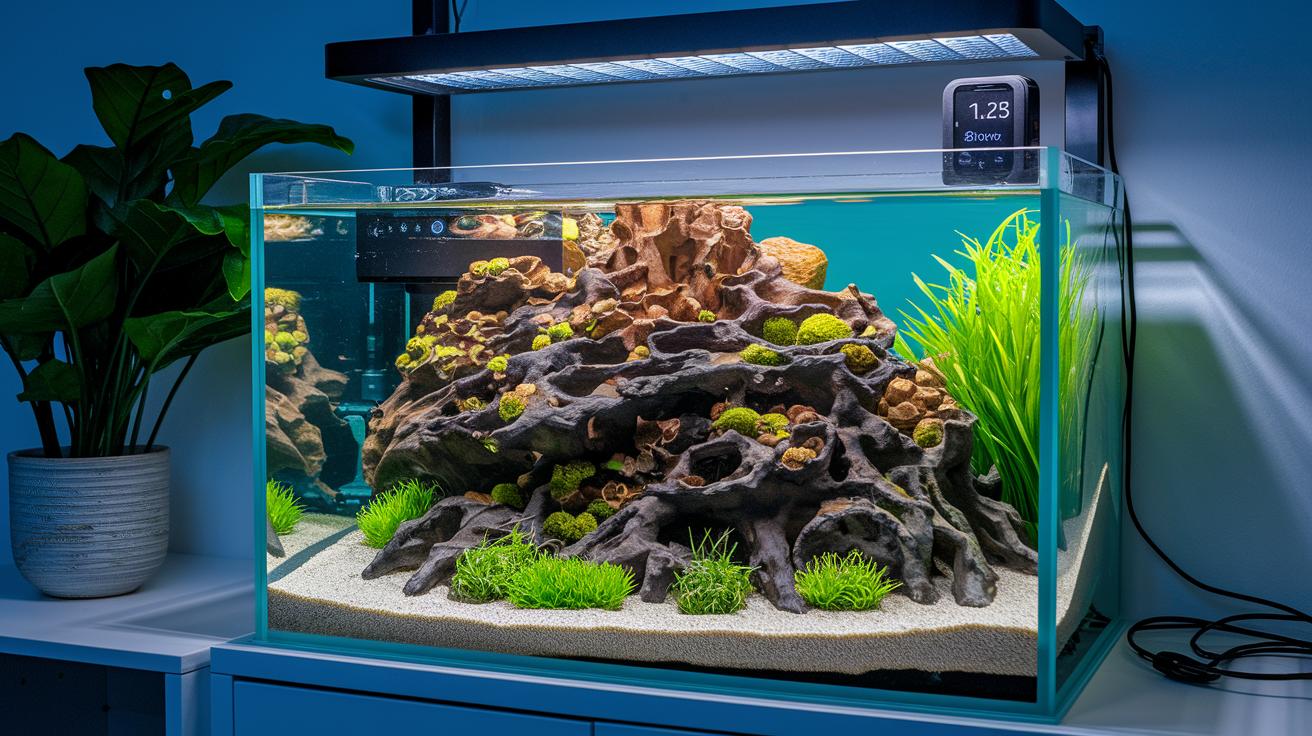
More and more aquarium enthusiasts are finding that automatic water change systems make keeping a clean tank a breeze. These systems mix smart controls with reliable performance, and they blend beautifully into different aquarium setups. Take, for instance, a unit with optical sensors and an auto top-off feature, it adjusts water levels on its own, much like a gentle tide that refreshes your underwater world without you having to lift a finger.
| Device | Flow Rate | Control Method | Key Features |
|---|---|---|---|
| Auto Aqua AWC | Tailored for small tanks | Optical sensors with built-in ATO | Three compact pumps, perfect for cozy aquariums |
| Kamoer X2SR | 900 ml/min | WiFi app control | Dual stepper motors with precision, even at 32 ft head pressure |
| DOS+Apex | High-volume change | Built-in leak and level sensors | Includes pH and temperature probes; finishes a water change in minutes |
| GHL Doser Maxi | Variable dosing | Works solo or with ProfiLux | Offers precise dosing for the perfect water change every time |
Each option has its own special charm. If you're working with a smaller tank, the Auto Aqua AWC is a great buddy because its simple design fits snugly into tight spaces. And if you like the idea of controlling things from afar, the Kamoer X2SR brings robust remote monitoring right to your phone. For larger setups that need fast, real-time alerts, the DOS+Apex system is quick and smart. Lastly, the GHL Doser Maxi gives you that extra level of precision for when every single drop matters. So, when choosing your perfect device, think about your tank's size and your budget. Budget-friendly options work well for modest setups, while premium devices with advanced features can really boost the clarity and ease of maintaining your underwater haven.
Installation Guide for Automatic Aquarium Water Change Systems
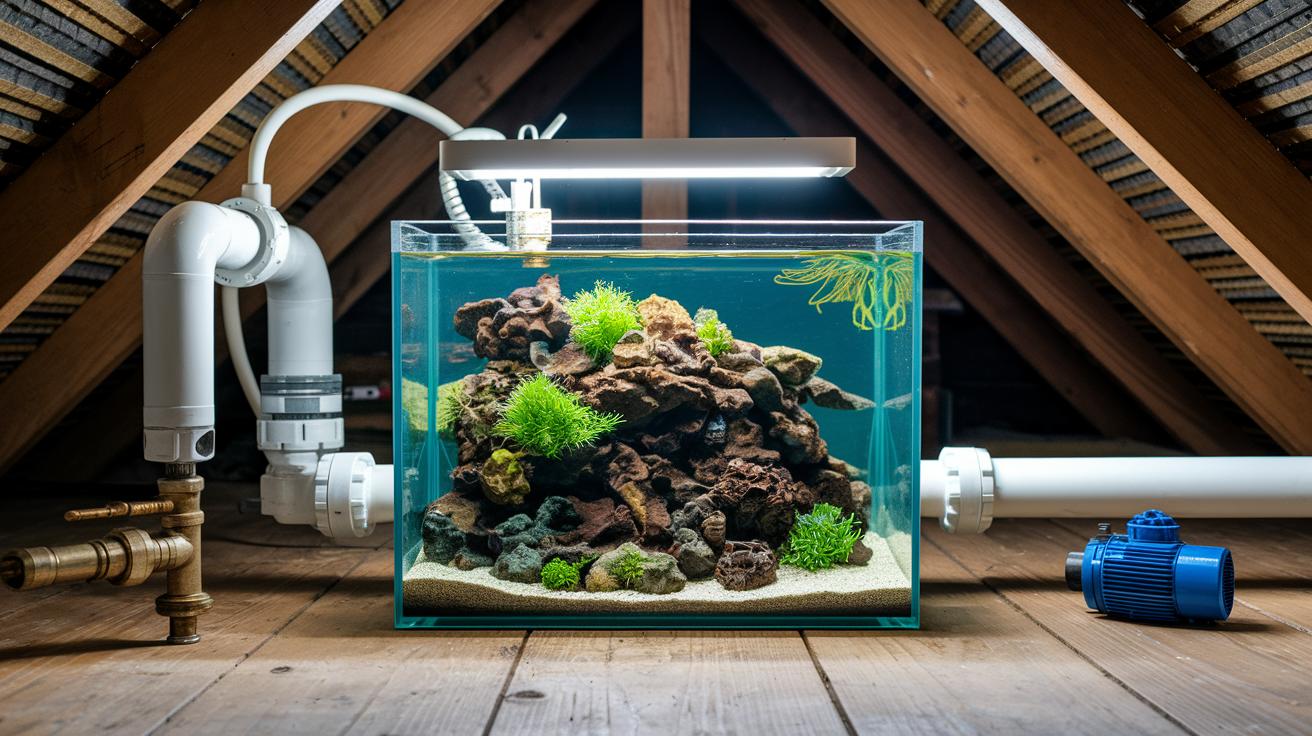
Imagine planning your aquarium upgrade like setting up your own little underwater haven. Picture your tubing gently hidden behind walls or in the attic, keeping your space looking neat and clean. Start by picking out a pair of sturdy dual pumps, one for the sump and one for the reservoir. These pumps form the heart of your system, much like a pair of trusty fins working together. Using smooth 3/4″ PVC piping helps guide the water gracefully along its path, and inline ball and check valves act like friendly gatekeepers, stopping any water from flowing in the wrong direction.
Next, add two sensors, either optical or float types, in your sump. These extra eyes keep track of water levels during both filling and draining, ensuring everything flows as it should. Then, hook up a Python No-Spill faucet adapter to get a reliable and easy refill every time. Testing the flow slowly is like gently stirring the water with a soft hand; it helps you adjust for head pressure and tweak any settings for a perfectly balanced setup.
- Select and install dual pumps in the sump and reservoir to create smooth, balanced water movement.
- Run 3/4″ PVC piping through your attic or wall space to hide the lines while keeping the flow steady.
- Mount two optical or float sensors in the sump to keep a close eye on water levels during both fill and drain cycles.
- Install inline ball and check valves on the water lines to ward off unwanted backflow, keeping your system safe.
- Connect the Python No-Spill faucet adapter for a simple refill source and run a slow-flow test to make sure everything works together in harmony.
After setting up these parts, take a moment to run a few careful safety checks. Adjust the intake and output positions so that the water flows smoothly, like a gentle current in a tranquil pond. Running a few extra tests helps catch any tiny issues before they become big problems, ensuring your water change system is reliable and safe, just like the calm, steady rhythm of nature under water.
DIY Automatic Aquarium Water Change Solutions
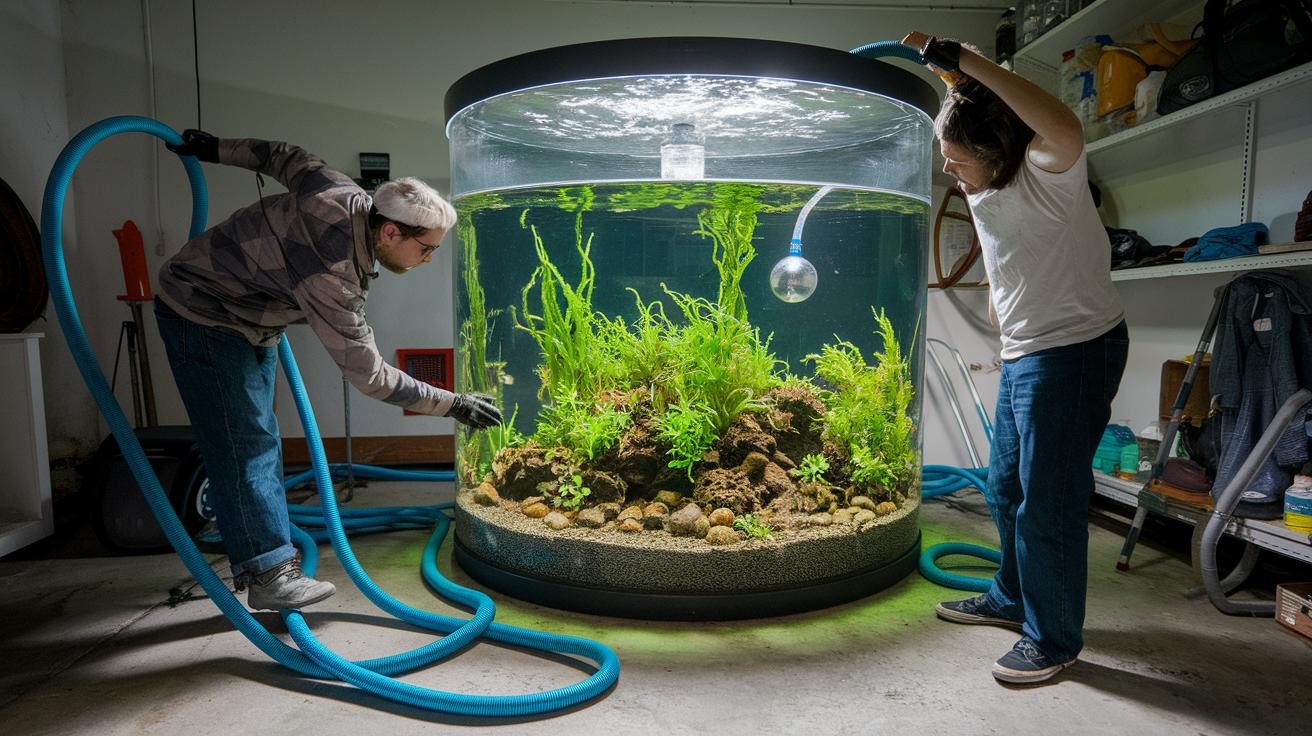
Building your own water refresh system can be both fun and practical. You get to design something that fits your aquarium's unique rhythm, like setting up a personal current that keeps your tank sparkling. Imagine it as creating a gentle, flowing stream that works perfectly with your underwater world.
- Drum-and-Sump Build: Uses a 250-gallon reservoir with a float-switch sump pump to handle large water changes.
- DOS Pump Loop: Designed for a 10% weekly water refresh over 60 feet of tubing, with an extra 4-foot lift to keep the water flowing smoothly.
- Python No-Spill Adapter: A clever faucet attachment that lets water refill by gravity, making the whole process neat and hassle-free.
The material costs usually fall between $150 and $300. This budget covers all the key parts like pumps, tubing, and adapters, all bought from trusted aquatic suppliers. If you want to take it a step further, you can add an outdoor sump pump with a float switch that swaps water quickly without disturbing your display tank. These DIY projects give you a satisfying hands-on experience while keeping your aquarium thriving and clear.
Maintenance & Troubleshooting for Automatic Aquarium Water Changes
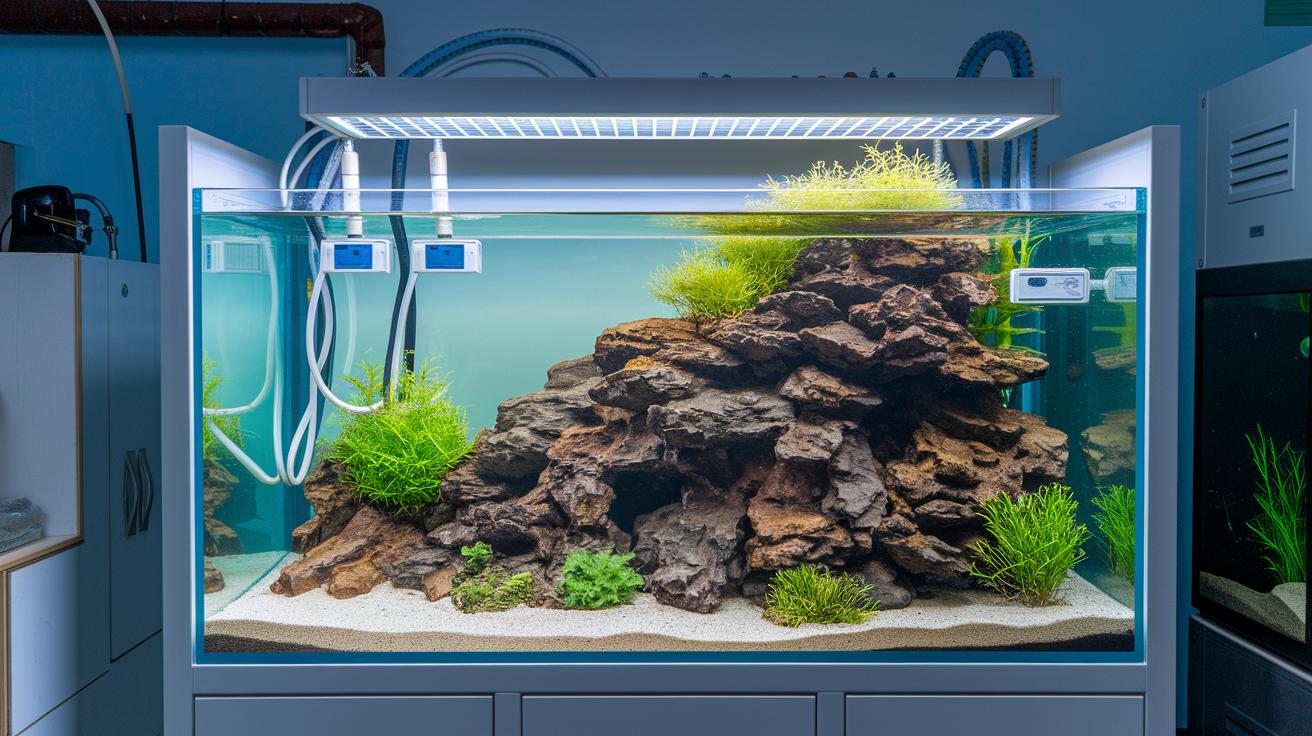
Keeping your water change system in tip-top shape is like giving your favorite tank a refreshing rinse. Regular care not only makes your setup run smoothly but also catches little issues before they turn into big problems. I like to check my system every month, cleaning the tubing and sensors, checking the pump, and making sure the intake and output vents are in the right spot. It’s like clearing away the tiny bits that could slow things down.
Here are some friendly tips to keep your system humming:
- Friction Head Loss: Slow down your pump and clean your tubing every month to keep the water flowing as smoothly as a gentle stream.
- Mag-Drive Pump Noise: If you notice any odd sounds, it might be time to service or even replace the pump. Sometimes a slower pump setting can help quiet the noise.
- Sensor Fouling: Give your optical or float sensors a soft rinse with fresh water each month so they can keep giving you accurate readings.
- New-Water Loss During Simultaneous Drain/Fill: Adjust the intake and output in your sump so that any minor water loss stays to a minimum.
- Dosing-Pump Calibration Drift: Recalibrate your dosing pump now and then. This helps you maintain just the right water change volumes and keeps everything balanced.
It’s good to keep an eye on your sensors too, especially as the seasons change. A shift in temperature can cause condensation or buildup on them, so sometimes they need a little recalibration. Checking them each season not only helps fine-tune the system but also ensures your tank’s water quality remains as refreshing as a cool ocean breeze.
By sticking to these care tips and troubleshooting steps, you’ll keep your automatic water change system working like clockwork, ensuring that your aquarium stays sparkling and inviting for its inhabitants.
Cost & Benefits of Automatic Aquarium Water Changes
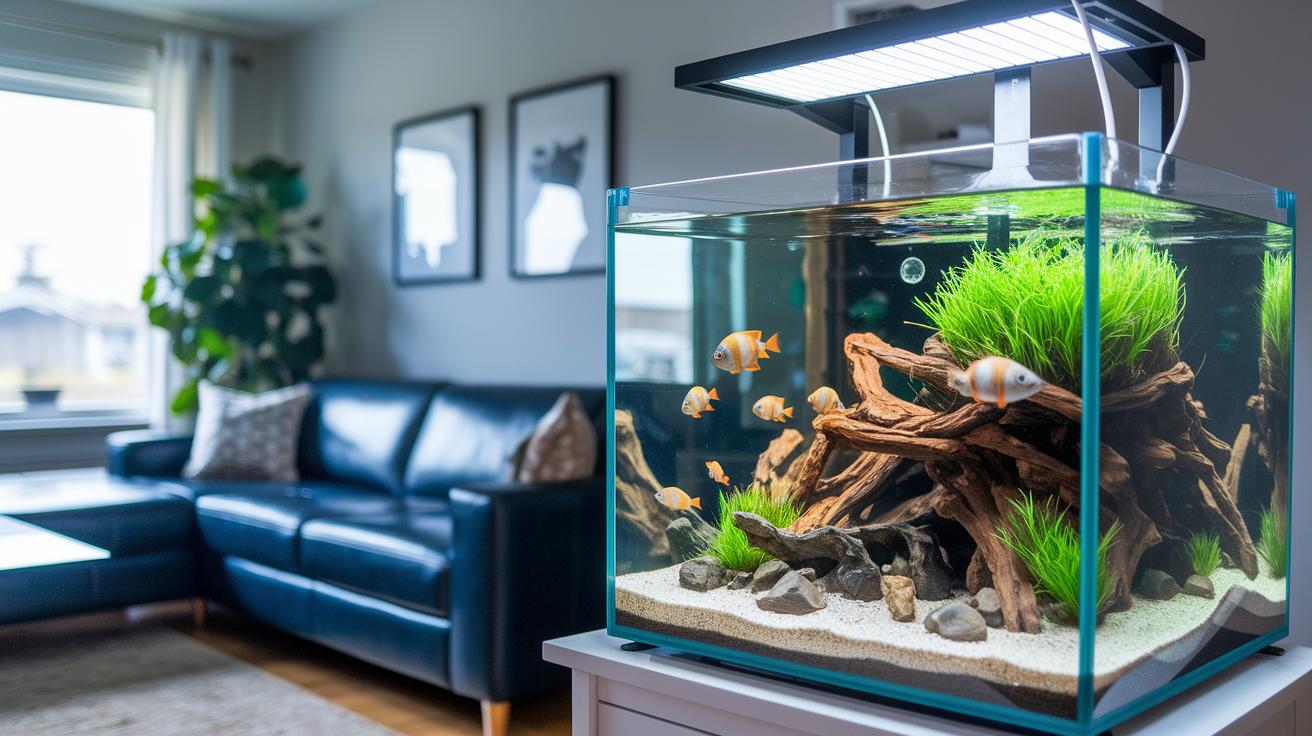
Imagine the soft trickle of water gently clearing your tank. With an automatic water change system, your aquatic home stays healthy and sparkling without you having to lift a finger. It works by regularly flushing away unwanted nitrates and organic debris, letting your fish and coral thrive in a calm, balanced space.
Key Benefits:
- It keeps excess nutrients at bay, so algae don’t take over.
- It cuts down on your daily chores, giving you more time to enjoy watching your fish.
- It helps maintain steady water conditions, making sure your underwater friends stay happy and stress-free.
- It promotes an eco-friendly swap of water, which keeps your tank environment balanced.
Cost Components:
- Devices come in a range from about $50 to $500, with choices like the Python No-Spill and Kamoer X2SR.
- Pipes and fittings usually cost between $50 and $150.
- Sensor modules are priced between $30 and $100, ensuring water quality stays in check.
- There are also ongoing maintenance parts to keep the system running smoothly.
Many aquarium enthusiasts find that the savings in time and the improvement in tank health can pay off the initial investment in around a year.
Final Words
In the action, this guide led us through setting up systems that simplify aquarium care. We covered the inner workings of automatic aquarium water changes, compared top devices, and offered easy-to-follow installation and DIY ideas. We also shared tips on keeping sensors clean and troubleshooting common issues while weighing the costs and benefits. Each step brings you closer to a beautiful, balanced aquatic space that helps keep your fish happy and healthy. Enjoy the calm of a well-managed tank and relax knowing your system is keeping your underwater world pristine.
FAQ
What are the best automatic aquarium water change systems?
The best automatic aquarium water change systems simplify tank care with plug-and-play designs, dual pumps, and smart sensors. They reliably remove waste and help keep water parameters stable.
How are automatic aquarium water change systems viewed on Reddit?
The automatic aquarium water change systems are seen on Reddit as effective tools for reducing manual upkeep and boosting water quality, sparking friendly chats among aquarium enthusiasts.
How can I build a DIY automatic aquarium water change system?
The DIY automatic water change system lets you create a custom solution using a drum-and-sump setup, float switches, and faucet adapters. It offers a hands-on way to maintain clean, balanced water.
What options exist when buying an automatic aquarium water change system?
The automatic aquarium water change systems available for sale range from budget-friendly DIY kits to advanced units with sensors and smart controls, catering to both small freshwater and larger saltwater setups.
How does an automatic water change system work for a saltwater aquarium?
The automatic water change system for saltwater aquariums uses dual pumps, long piping, and sensor-controlled fill and drain cycles. It supports stable water chemistry ideal for marine life.
Are water changes good for an aquarium?
The idea that water changes are good for an aquarium holds true as they help remove nitrates and organic waste, keep pH levels balanced, and promote a healthy environment for your fish.
Are aquarium chillers worth it?
The notion that aquarium chillers are worth it depends on your needs; they effectively control water temperature for sensitive species, providing a steady environment and reducing stress for your aquatic friends.
What is the automatic water test for aquariums?
The automatic water test employs sensors to monitor parameters like pH, temperature, and nitrate levels. It offers real-time feedback, making it easier to maintain ideal conditions in your aquarium.
Is a 30% water change too much for an aquarium?
The idea that a 30% water change is too much usually depends on tank conditions; while some tanks thrive on it for toxin removal, regular testing ensures the change suits your system’s size and species.