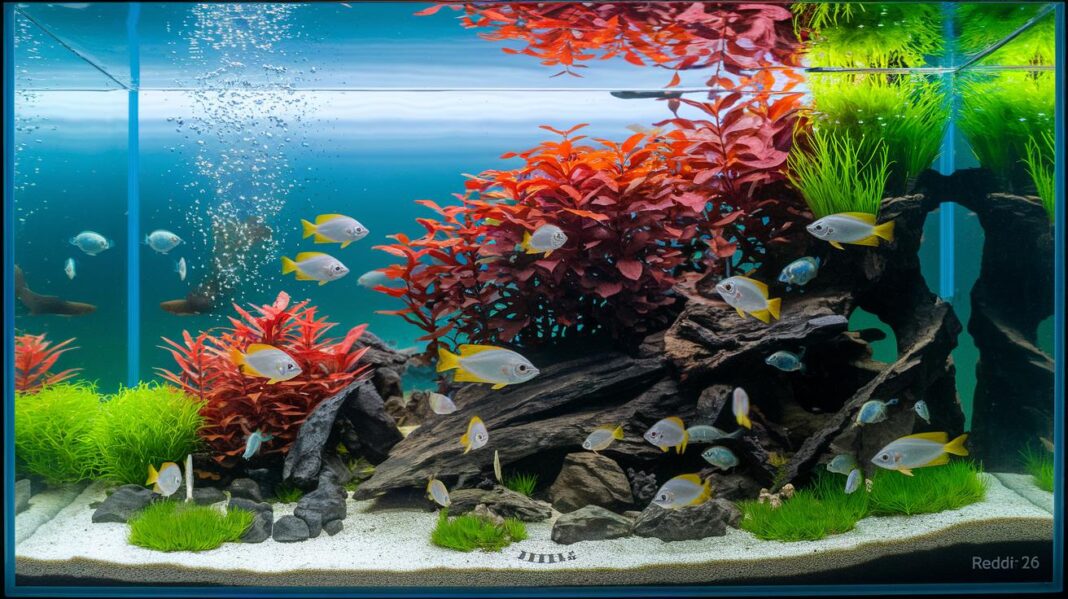

Ever wondered how the tiniest helpers in your tank keep everything in check? Beneath the calm surface, little bacteria work away like a soft, natural filter, turning fish waste into safe, clean water.
They quietly clear the water so your fish and plants enjoy a balanced, happy home. Our post spills the secrets of these microscopic heroes and shows how keeping an eye on them makes your tank care feel as smooth as a gentle ripple.
Join us as we dive into the magic of managing these little champions. With a bit of know-how, you can boost your aquarium’s overall health and keep your underwater world thriving.
How Beneficial Bacteria Drive Balance in Aquarium Ecosystems
Beneficial bacteria are the quiet champions of your aquarium, working behind the scenes to keep your tank safe and lively. They form a bustling community in your water that turns harmful ammonia from fish waste first into nitrite and then into nitrate, a natural cleaning process that your mechanical filters can’t do on their own. It’s pretty amazing to think that even in a cozy home tank, these tiny critters number as many as the stars in the night sky, each one busy transforming waste into harmless compounds.
These microscopic helpers are essential because they stop dangerous toxin spikes that could otherwise stress out your fish and plants. When waste is processed steadily, your tank stays balanced, allowing fish to be active and healthy while plants pick up extra nutrients and release oxygen. It’s like watching a tranquil dance where every participant, big or small, plays its part.
The variety among these bacteria is just as important as their work. A diverse group of microbes speeds up waste conversion and helps keep the water clear and safe. Imagine your aquarium as a small world where every organism contributes, much like each instrument in a gently flowing melody.
To keep this natural harmony intact, try to maintain steady water conditions by checking things like temperature, pH, and oxygen levels. With a little regular care, these bacteria can thrive, preserving the beauty and balance of your underwater world.
Decoding the Aquarium Nitrogen Cycle with Beneficial Bacteria
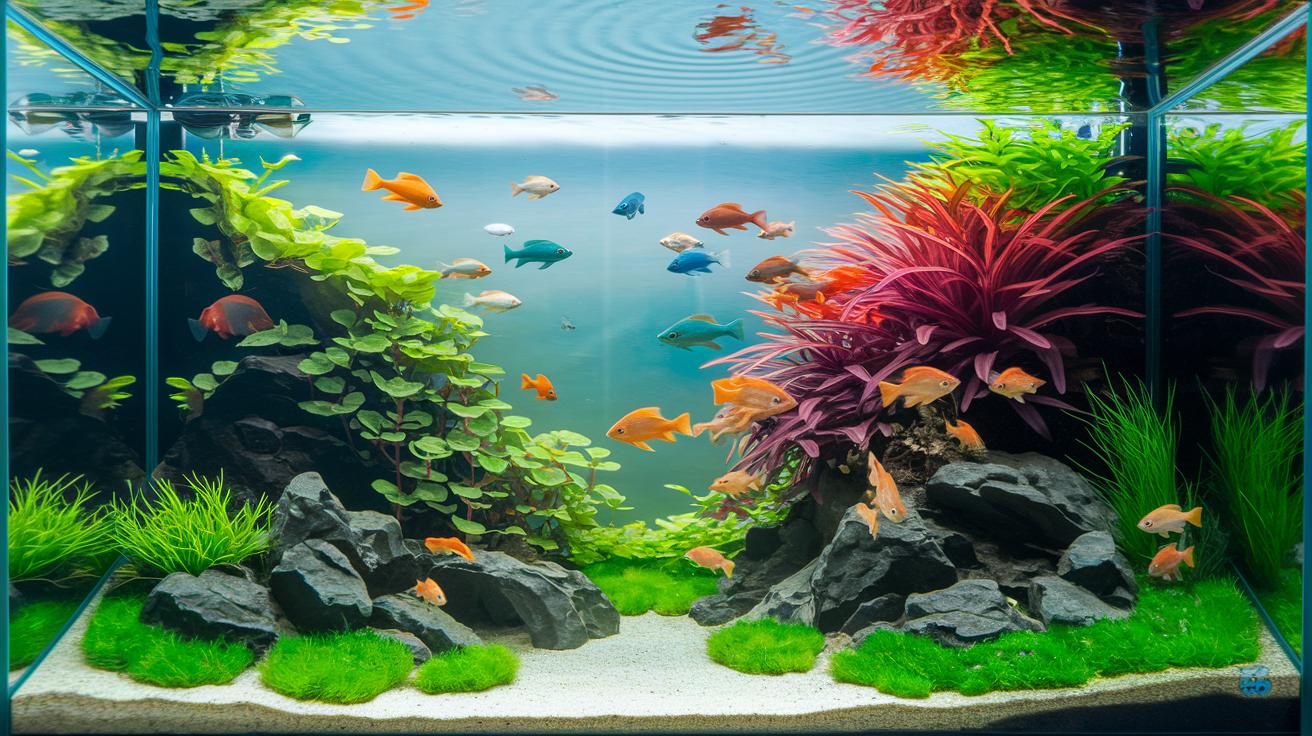
Imagine your aquarium's nitrogen cycle as a smooth relay race in water. It starts when handy little Nitrosomonas bacteria break down ammonia, this toxic substance comes from fish waste, and turn it into nitrite. Then, Nitrobacter bacteria step in to change nitrite into nitrate. Nitrate is much safer and even gives plants a boost, much like nature turning harm into help.
When the water has less oxygen, special denitrifying bacteria take over. They turn nitrate back into harmless nitrogen gas. This step is like nature's secret cleanup crew, but it only works when oxygen levels drop. Keeping an eye on oxygen and water flow is key to letting these tiny helpers do their job.
Sometimes, things can go wrong. When waste piles up or the temperature suddenly shifts, ammonia or nitrite levels can spike dangerously. To keep your fish safe, check your tank regularly and adjust as needed. It’s a bit like making sure your favorite pond is always clear and calm.
You can help these bacteria work better by doing regular water changes and keeping the temperature steady. At the same time, managing oxygen levels will support the bacteria that reduce nitrate buildup. In simple terms, a balanced aquarium is happy, healthy, and safe for all your aquatic friends.
Cultivating Beneficial Bacteria: Practical Biofilter Management
Before you add any fish, try starting with a fishless cycle to give your biofilter media a gentle head start. This step lets you fill the filter with those hardworking bacteria that break down ammonia. Picture this: you add a precise amount of ammonia to a new filter and watch the bacteria transform it over several days, getting everything ready for when your fish join the fun.
Another smart move is to use some filter media from an already running aquarium. This media is like a mini garden, already full of busy bacteria ready to help. Transplanting it into your new setup jump-starts the process, making your system stronger right from the start.
Creating a stable environment is key too. Keep the water temperature steady between 75 and 80°F. This warm range not only makes your fish feel at home but also speeds up the bacteria’s work. And don’t forget about oxygen, ensuring there’s plenty in the water is like giving your microbes a deep, refreshing breath that keeps them active.
Here’s a simple step-by-step plan for your biofilter:
- Start with a fishless cycle to safely build up the bacterial colony.
- If you can, move in some mature filter media from an established aquarium.
- Keep the water temperature steady between 75 and 80°F for the best results.
- Make sure your tank is well-aerated so the bacteria get the oxygen they need.
If your tank’s cycling seems slow, you might consider a little probiotic boost. Adding probiotics is like giving your filter an extra sip of water when it needs it, helping to stabilize and energize the bacterial community.
Stick to this plan and soon you’ll see a thriving microbial community that quietly turns waste into safety, keeping your aquatic playground balanced and healthy. Enjoy watching your little underwater world flourish!
Optimizing Aquarium Water Chemistry for Bacterial Health

Keeping your aquarium water just right helps your fish and supports the hardworking bacteria that clean your tank. Here are some friendly targets to aim for:
- pH: between 6.8 and 7.5
- Temperature: around 75–80°F
- Dissolved oxygen: above 5 mg/L
- Nitrate: below 20 ppm
- Nitrite: near 0 ppm
These numbers are like a recipe for a thriving biofilter, they keep everything balanced, just like the gentle flow of a small stream. Regular water checks, paired with these guidelines, make sure your underwater friends stay happy and healthy.
Troubleshooting Bacterial Imbalances in Aquarium Ecosystems
If your tank ever feels a bit off, small changes might be tipping the balance of those busy bacteria. A slight shift in the number of fish or the way you feed them can easily overwhelm these little workers. For example, when you add new fish, the ammonia in your water can spike if the bacteria haven't had time to adjust. And if you feed your fish more than usual, the extra leftovers can strain your tank’s system.
Temperature changes also play a big role. A sudden drop in temperature can slow down the process that turns harmful compounds into safe ones. This might make your water look cloudy, leave your fish feeling sluggish, or even lead to problems like gas-bubble disease. I remember a friend telling me, "I saw my water get murky and my fish start hovering near the top after a quick dip in temperature." It really drives home how important it is to keep conditions steady, just like a smooth, calm stream.
Below is a table that shows common causes, what to look out for, and some simple fixes:
| Cause | Symptom | Remedy |
|---|---|---|
| New fish introductions | Ammonia/nitrite spike, erratic fish behavior | Quarantine new arrivals, allow gradual acclimation |
| Feeding changes | Cloudy water, increased waste | Reduce feeding, perform partial water changes |
| Sudden temperature drop | Slow nitrification, toxic build-up | Stabilize room temperature, use a heater |
| Overloading the bioload | Lethargic fish, murky water | Adjust fish count, monitor feeding routine |
Keep a close eye on your tank and try to keep the water conditions as steady as possible. Regular checks and a little extra care can help your aquarium stay balanced and your fish swim happily.
Long-Term Strategies for Sustained Beneficial Bacteria Balance

Keep an eye on your tank's water each week so you can catch little shifts before they turn into big issues. It’s just like checking your car’s oil to stay on top of things.
Every month, give your filter a gentle rinse using water from the tank. This simple step cleans out debris without disturbing the helpful bacteria that keep your tank healthy.
Switch up your routine with the seasons. In warmer weather, try feeding a bit less to reduce extra waste, and when it's cooler, boost oxygen levels a little to help your aquatic friends thrive.
These steps join together with other friendly tips to create a balanced, stable home for your fish, keeping their world calm and clear.
Final Words
In the action as beneficial bacteria work to transform harmful compounds, each step from seeding your tank to careful water checks plays a role. The article walked through how bacterial activity supports natural biofiltration, maintained the nitrogen cycle, and guided adjustments in water chemistry. Remember, regular care and attentive troubleshooting keep tanks vibrant and fish thriving. With these practices, you’re well on your way to balancing beneficial bacteria in aquarium ecosystems and creating a healthy, peaceful underwater world.
FAQ
How do I naturally grow beneficial bacteria in my aquarium?
The natural growth of beneficial bacteria relies on using fishless cycling and introducing mature filter media from an established tank. This helps start a strong bacterial colony that converts waste into safe compounds.
What are beneficial bacteria for aquariums and how can I tell they’re working?
Beneficial bacteria are microscopic helpers that convert waste like ammonia and nitrite into less harmful nitrate. A healthy tank with clear water and active fish signals these bacteria are doing their job.
How do I speed up nitrifying bacteria growth in my aquarium?
Quick growth of nitrifying bacteria comes from maintaining the right pH, temperature, and oxygen levels, plus adding mature media or probiotics. This setup promotes a smooth conversion of toxins in your tank.
Can you put too much beneficial bacteria in an aquarium?
Adding extra beneficial bacteria rarely harms your aquarium. They work to process waste, but be sure to match your bacterial count with your fish load and water testing for balance.
Does vacuuming gravel remove beneficial bacteria?
Vacuuming gravel takes out debris and some bacteria, but doing it gently and only occasionally keeps your natural filter layers mostly intact and your aquarium healthy.
How often should I add beneficial bacteria to my aquarium?
Once your aquarium is stable, regular boosts aren’t necessary. Consider adding bacteria during a tank setup or after major changes to help re-establish the colony.
Which products can boost beneficial bacteria in my aquarium?
Products like Brightwell Aquatics MicroBacter7, Seachem Stability, and Dr Tim’s Aquatics One & Only bring extra bacteria to your tank, supporting efficient cycling and a balanced water ecosystem.