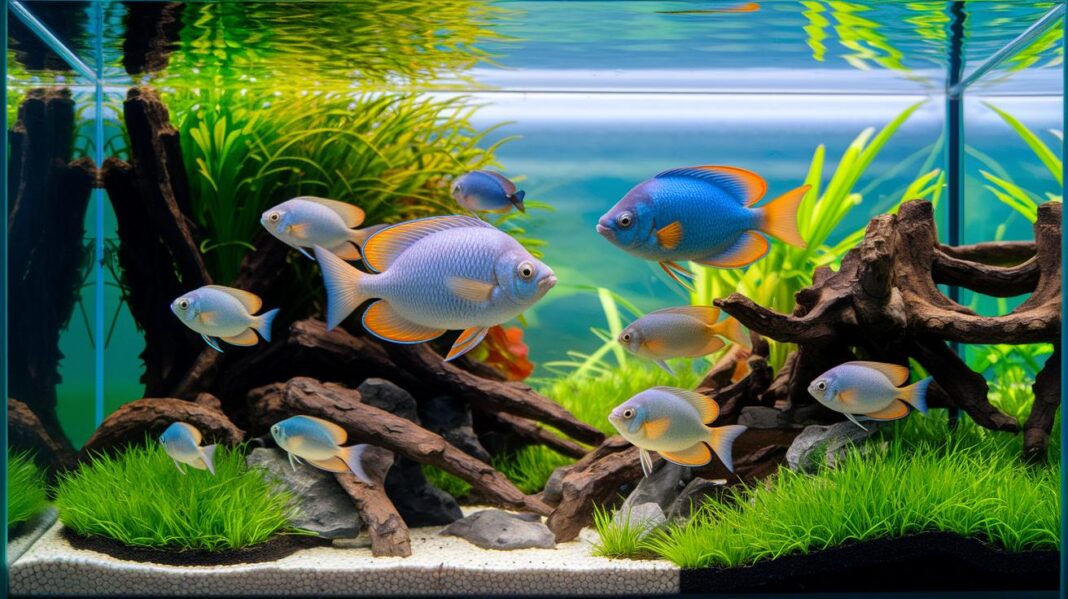

Ever wondered if your tank could sparkle like a hidden underwater treasure? Picking the right fish can be just like adding a splash of bright color to your day. I've noticed that a few special species, such as the lively Neon Tetra and the gentle Guppy, can change an aquarium into a vibrant and relaxing scene.
If you’re ready for your tank to burst with color and calm, give these cheerful swimmers a try. They bring not only beauty but also that soothing, natural vibe that makes your aquatic world feel truly alive.
Top Freshwater Fish Selections for Your Aquarium
Choosing the right fish can turn your tank into a calm and colorful underwater community. In my own experiences, these species not only thrive in peaceful setups but work wonderfully in tanks of different sizes. Neon Tetras flash bright red and blue colors, and they do best when kept in groups of six or more in a tank that holds at least 10 gallons. Guppies, with their flowing, rainbow fins and relaxed nature, are live-bearers that need very little care.
Corydoras Catfish are friendly fish that like staying near the bottom and doing well in the company of three or more pals. Platies and Mollies are great for beginners because they are tough and adapt easily, though sometimes they breed faster than you might expect. Keyhole Cichlids and Kribensis each add their own gentle charm, Keyhole Cichlids like a few cozy hiding spots among the tank decor, while Kribensis show off a delightful rose-colored belly. And if you’re looking for something unique, Kuhli Loaches have an eel-like, orange-brown shape that works best in groups of five or more with a sandy bottom in tanks of at least 20 gallons. Lastly, Zebrafish, with their striking horizontal blue stripes, form lively schools that create a beautiful flow in your display when you follow the one-inch-per-gallon guideline.
| Species | Min Tank Size | Temperament | Schooling Requirement | Life Expectancy |
|---|---|---|---|---|
| Neon Tetra | 10 gal | Peaceful | 6+ | 3–4 years |
| Guppy | Varies | Calm | Small group | Varies |
| Corydoras Catfish | Varies | Social | 3+ | Up to 10 years |
| Platy | Varies | Friendly | Small group | 2–3 years |
| Molly | Varies | Calm | Schooling | 3–4 years |
| Keyhole Cichlid | Medium | Peaceful | None | 4–5 years |
| Kribensis | Varies | Calm | Pair or small group | 4–6 years |
| Kuhli Loach | 20 gal | Shy, friendly | 5+ | 8–10 years |
| Zebrafish | Varies | Active | 6+ | 3–4 years |
Each of these fish types has been chosen to help your tank feel balanced and alive. When kept in groups, their natural schooling habits create a peaceful, flowing underwater scene that feels stress free. Consider these friendly picks to build an aquarium that reflects your love for freshwater life while keeping care simple and fun.
Freshwater Fish Tank Environment and Basics
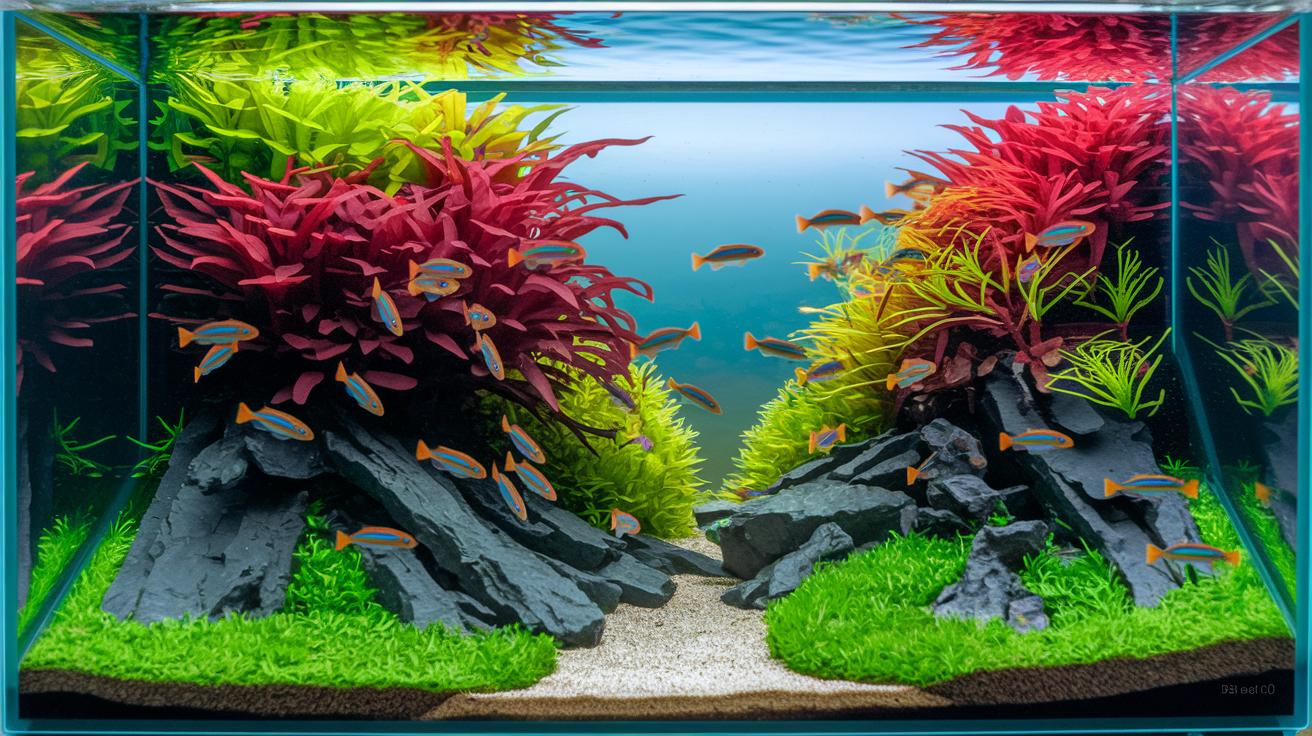
A vibrant aquarium is like a peaceful underwater world where your fish can really shine. It sets the stage for a dazzling display, giving each fish plenty of room to live stress-free and enjoy their home.
Stick to a simple rule: plan for one inch of adult fish for every net gallon of water. This little guideline helps prevent overcrowding and keeps the water clear and comfy for your aquatic pals.
Keep an eye on these key water details:
- Temperature: 72 to 82 °F
- pH: 6.5 to 7.5
- Hardness: soft to moderately hard
Some fish have special needs. For example, Neon Tetras do best in a tank of at least 10 gallons so their bright colors can burst forth and they have enough room to school. Kuhli Loaches need a space of 20 gallons or more with a fine sand base that mimics their natural, bottom-dwelling world. Zebrafish thrive with a gentle water current that keeps them active, while Keyhole Cichlids enjoy plenty of cozy spots among tank decorations to feel secure.
Regular water changes and a steady filtration routine make a big splash in keeping your freshwater setup healthy and lively.
Compatibility and Community-Friendly Freshwater Fish
When setting up your community tank, think about how each fish interacts rather than just counting numbers. Neon Tetras, for example, flourish when they are in groups of six or more. Their smooth, shimmering movement feels like watching nature paint a live work of art, easing any social tension in the tank. Ever imagine a group of eight Neon Tetras sparkling like tiny stars?
It helps to mix fish that get along well. Bottom dwellers like Corydoras work well with lively swimmers such as Zebrafish because they use different spaces. Kuhli Loaches are happiest with soft, sandy areas where they can hide when things get busy. And gentle fish like Keyhole Cichlids and Kribensis add a calm touch, but they really need room to feel relaxed.
Here are some simple tips to design a happy community tank:
- Add decorations and plants to create cozy, quiet spots and open swimming areas.
- Watch fish at feeding time for any signs of stress when it gets crowded.
- Group fish that naturally soothe each other, like energetic mid-water swimmers with the more reserved bottom dwellers.
| Practical Tip | Benefit |
|---|---|
| Add hiding spots and gentle water flow areas | Reduces stress for shy species |
| Designate open swimming zones | Supports the energy needs of active swimmers |
Experiment with how you place your decorations and plants underwater to discover the best mix. Picture your aquarium as a small neighborhood where every fish has a special nook, and shared spaces help them connect gently and happily.
Best Freshwater Fish for Aquarium: Sparkling Choices
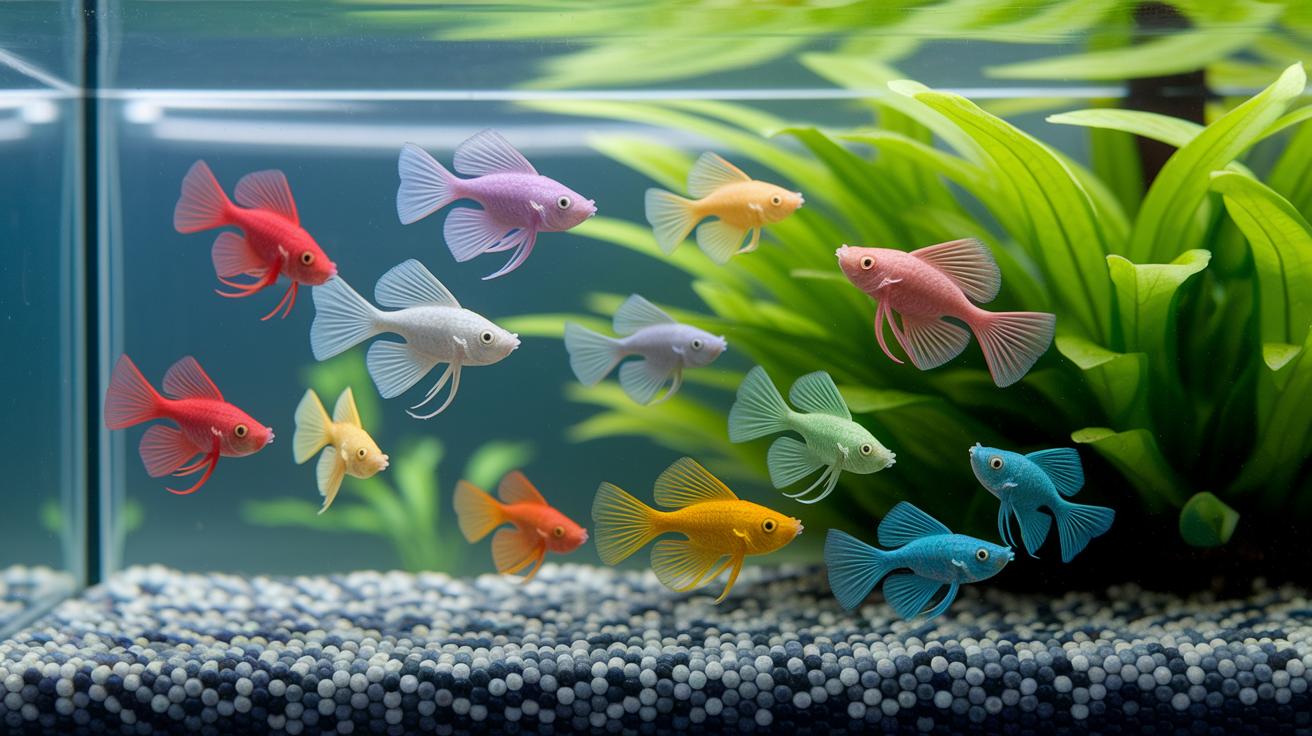
Guppies
When guppies have little fry swimming around, it's important to keep a close watch. Setting up a little nursery tank for the fry can really help them grow strong. Check your water often because even small changes can make these cheerful fish feel a bit stressed. I remember one time, a quick dip in the water temperature had the guppies hiding in every corner, urging me to test the water right away.
Neon Tetras
Neon Tetras are delicate and can signal when something’s off by changing their usual school patterns. If you notice them sticking close or hesitating by the surface, it might be a sign that the water needs a little tweak. One friend of mine once added some extra plants, and it reminded the fish of their vibrant, shimmering colors, like a burst of underwater magic.
Platies
Platies are known for their rapid breeding, which means you might soon find your tank a bit crowded. It helps to create extra hiding spots and rearrange the tank decor every now and then. A fellow aquarist of mine noticed that even small changes in the layout could ease any crowding stress, keeping the tank playful and balanced.
Mollies
Mollies can show off their colors a bit more when the water has a slight brackish quality. If you see any Molly holding back while its tank mates are getting a bit rowdy, consider testing the water’s salt level. I heard a story about an enthusiast who adjusted the salt mix, and just like that, the mollies began to display a more vibrant and lively motion.
Corydoras Catfish
Corydoras really enjoy a soft, gentle substrate that protects their delicate whiskers. Watching them is like reading the pulse of your tank, a busy little scavenge means everything’s healthy, while slower, less active movements might indicate a water issue. One keeper shared that adding some extra soft gravel not only helped the catfish forage better but also made the tank look fresh and inviting.
Compact and Colorful Freshwater Fish for Small Tanks
If you have a compact tank, you can still enjoy a burst of color and energy without crowding your space. Imagine Zebrafish gliding in lively groups of six or more, their quick movements adding a spark of life to your mini setup. And then there are Celestial Pearl Danios; keeping them in small groups in 5- to 10-gallon tanks lets you see tiny splashes of bright color, almost like a little cluster of stars dancing in the water.
For a fish that really stands out, consider a Keyhole Cichlid. They do best in tanks around 20 gallons, but their vibrant hues and modest size of about 5 inches make them a striking focal point. If you have just a bit more room, Kuhli Loaches are a great pick. Their slender, orange-brown bodies love to wander over a sandy bottom in small groups, just as they would in the wild.
Also, if you can find them, Boraras Brigittae are a real treat. These tiny fish thrive in 10-gallon setups, gathering together to form a bustling, colorful community that brings an extra splash of liveliness to your aquatic world.
Essential Care and Maintenance for Freshwater Aquarium Fish
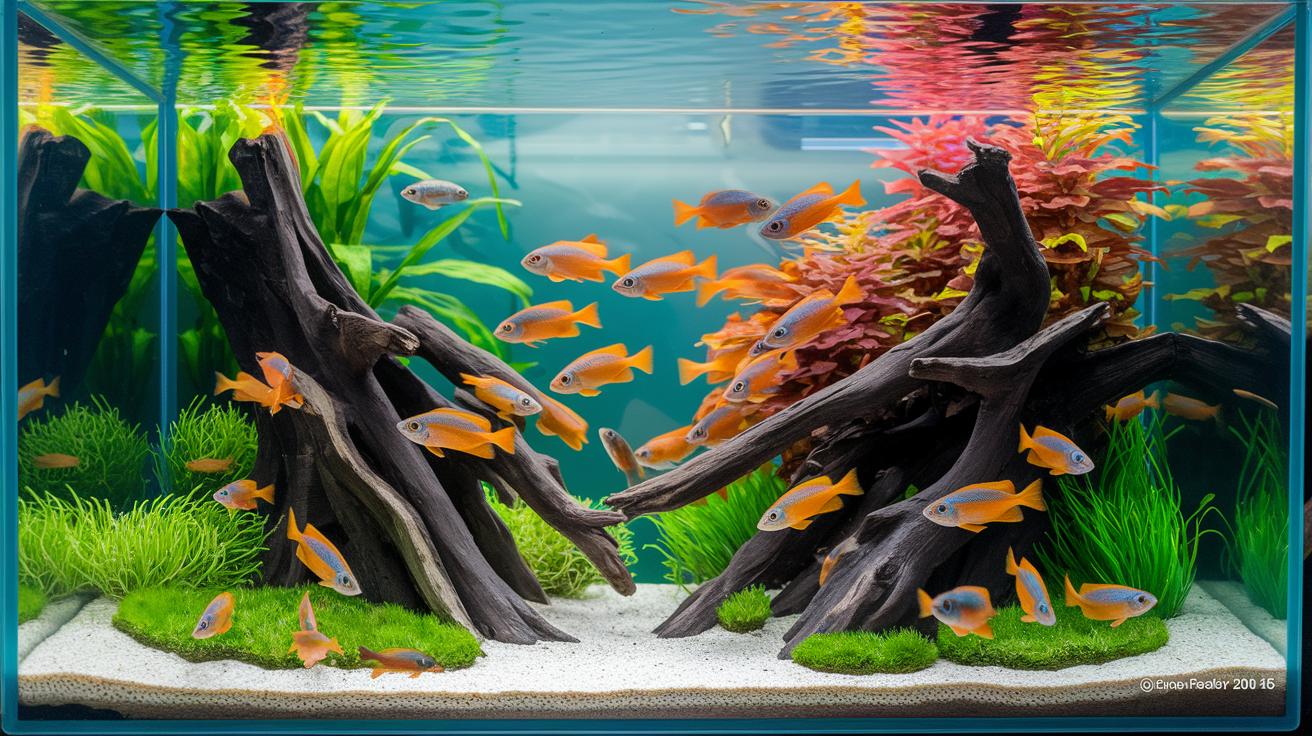
Taking care of your aquarium feels like nurturing a small, underwater garden. A regular routine keeps your fish comfy and your water as clear as a soft ripple on a sunny day.
Keeping things simple helps you avoid future issues, like a gentle wave keeping debris at bay. Here’s a friendly checklist to follow:
- Every week, change about 25% of your water to wash away waste and keep it sparkling clean.
- Check your water’s temperature, pH, and hardness every two weeks, so you know the water is just right.
- Feed your fish twice a day with quality flakes, pellets, or even live and frozen treats. Just be careful not to overfeed, which can cause unwanted spikes in ammonia.
- Once a month, give your filter a little love with some cleaning and replace the media when needed. For cool filters, test kits, and food, visit https://sweetfysh.com?p=222.
- Keep an eye on your fish. If you see signs of stress like clamped fins or gasping, they might be trying to tell you something.
- Add some driftwood and live plants. They work like natural filters and provide cozy hideaways for your fish.
- Consider adding snails or shrimp to help clean up algae and leftover food.
By following these easy tips, you create a balanced, eco-friendly home for your fish. Soon, you’ll be enjoying a lively aquarium that feels as refreshing as a quiet dip in a clear pond.
Final Words
In the action, we explored a variety of vibrant species, from Neon Tetras to Guppies, while sharing simple tips for maintaining a clean, balanced tank. We showed how small details can improve tank aesthetics and how thoughtful grouping leads to peaceful communities. Our guide outlined everything from essential water parameters and habitat tips to hands-on care routines that keep your aquatic friends thriving. With these insights, you’re well on your way to creating a beautiful, sustainable underwater world filled with the best freshwater fish for aquarium care. Enjoy your time watching your aquatic life flourish!
FAQ
What are some of the best freshwater fish for aquariums recommended for beginners?
The best freshwater fish for beginner aquariums include guppies, neon tetras, platies, and mollies. These hardy species add bright colors and work well in community tanks, making them a great choice for new fish keepers.
What are some good combinations for a community freshwater aquarium?
The best freshwater aquarium combinations pair schooling neon tetras, peaceful corydoras, active guppies, and calm mollies. Their friendly temperaments and similar care needs create a balanced, visually appealing community tank.
What is the most low maintenance freshwater fish?
The most low maintenance freshwater fish is the guppy. Guppies are hardy, adapt well to different conditions, and require minimal care, making them a solid option for hobbyists new and experienced.
Which freshwater fish is known for helping keep the tank clean?
The corydoras catfish is known for helping keep the tank clean. Its bottom-feeding behavior helps remove uneaten food and debris, reducing buildup and contributing to a healthier aquarium environment.
Which freshwater fish is highly popular among aquarium enthusiasts?
Neon tetras are highly popular for their vivid colors and charming schooling behavior. Their striking appearance elevates any aquarium, making them one of the most sought after species among fish enthusiasts.