

Have you ever thought that the wrong light might change the feeling of your aquarium? The right light does so much more than just brighten up the water, it helps your fish stay healthy and gives your plants a boost. Options like LED full spectrum fixtures (which mimic natural sunlight) and strong lamps each offer their own special glow.
When you choose a light that fits your tank perfectly, every ripple feels renewed, like a gentle splash of energy. I remember when I first got my aquarium, the perfect light turned it into a little underwater paradise.
Let's chat about the best lighting choices to help your aquatic world shine bright and bring that calm, refreshing energy to your tank.
Quick Guide to the Best Lighting for Aquarium: Top Types and Specs
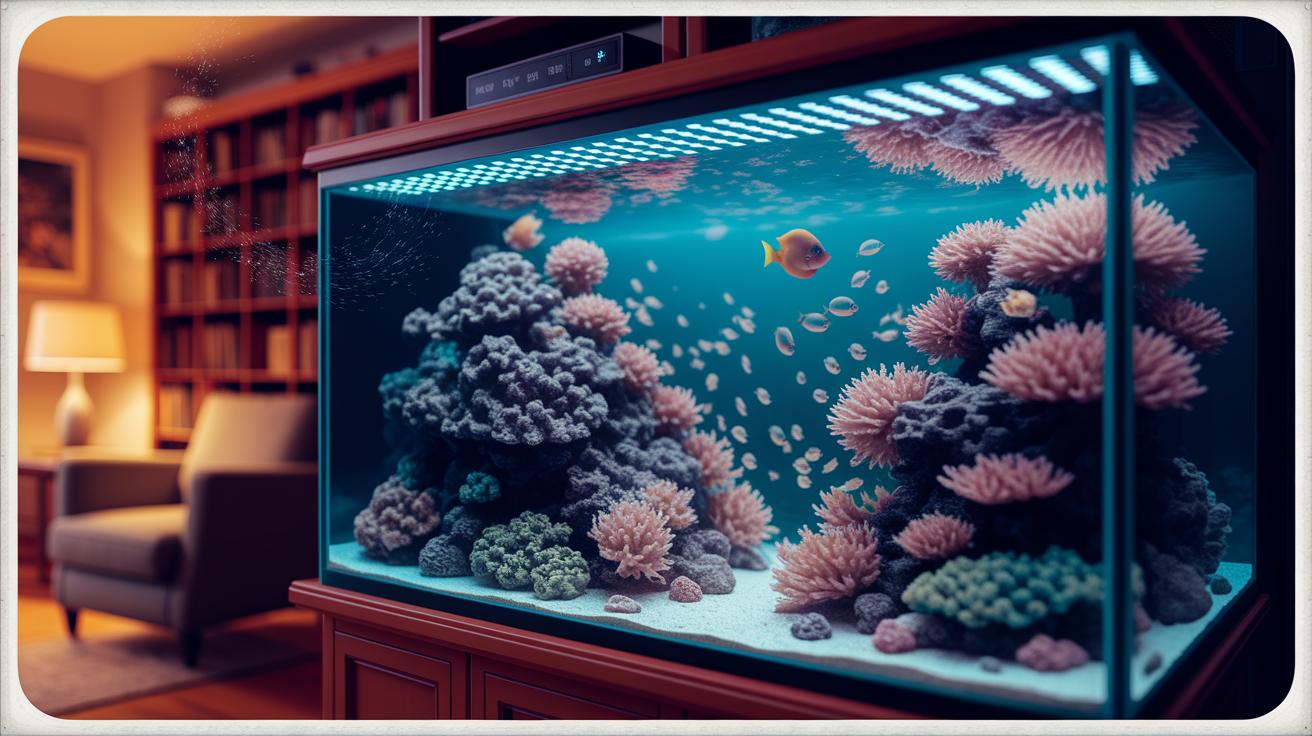
Choosing the right lighting for your aquarium is like finding the perfect piece to complete a beautiful underwater picture. It not only makes your tank look amazing but also helps keep your fish and plants healthy. When you pick a lamp with a Kelvin rating between 5,500K and 6,000K, you create a cozy, daylight-like glow that nurtures your aquatic friends without inviting too much algae.
Light intensity and color are just as important. For reef tanks, a setting between 9,000K and 10,000K works well to support soft corals. If you have a deeper tank, you might need light up to 14,000K to reach every corner. Planted aquariums, however, require extra brightness to feed different types of plants. LED lights are a favorite among many aquarists these days because they save money and let you adjust the light to best suit your tank’s needs. It’s similar to hosting an underwater show where every fish and plant shines in its own special way.
| Lighting Option | Key Features |
|---|---|
| LED Full-Spectrum Fixtures | 5,500K–6,000K, adjustable spectrum for a natural glow |
| T5 Fluorescent Tubes | Cost-effective with an even light spread |
| Metal Halide Lamps | High intensity, great for deep tanks |
| High-Output LED Bars | Modular design, app-controlled for easy tweaks |
| Clip-On USB LED Lights | Portable and budget-friendly, perfect for quick setups |
Match the lighting option to the type of tank and the needs of your plants and fish. With the perfect light, your aquarium becomes a vibrant, lively home where each splash and ripple adds to the charm of your underwater world.
Understanding Color Spectrum and Light Intensity for Aquariums

Choosing the right light for your aquarium is a bit like picking your favorite song, it sets the mood for everyone inside. We usually look at three things: Kelvin, PAR, and lux. Kelvin tells us about the warmth of the light. For example, a setting between 5,500K and 6,000K gives off a natural daylight vibe that's perfect for freshwater tanks. PAR, which stands for Photosynthetically Active Radiation, is all about making sure your plants get enough energy to grow strong. In short, Kelvin creates the look and feel, while PAR acts like fuel for plant life. These numbers help you check that every corner of your tank is getting just the right amount of light.
| Environment | Kelvin Range | PAR Target (μmol/m²/s) |
|---|---|---|
| Freshwater | 5,500K–6,000K | >30 μmol/m²/s |
| Reef | 9,000K–10,000K (up to 14,000K for deeper tanks) | >30 μmol/m²/s |
| Planted | Adjusted based on species | Higher than fish-only setups |
Think of matching your light spectrum as composing a unique anthem for your tank. Freshwater fish and plants thrive with a light that mimics natural daylight. Reef tanks, with their delicate soft corals, benefit from higher Kelvin and deeper light penetration. And if your tank is full of plants, you might need a bit more intensity to help them flourish. Your lighting setup is like a recipe, mix the perfect Kelvin with enough PAR so that every fish and plant gets the energy they need. A few extra lumens can really boost your tank’s vibrancy, keeping photosynthesis running smoothly and colors as bright as ever. Regular tweaks and close observation will help your aquarium shine like a hidden underwater gem.
Comparative Analysis of LED Tank Lighting Solutions: Top Products Reviewed
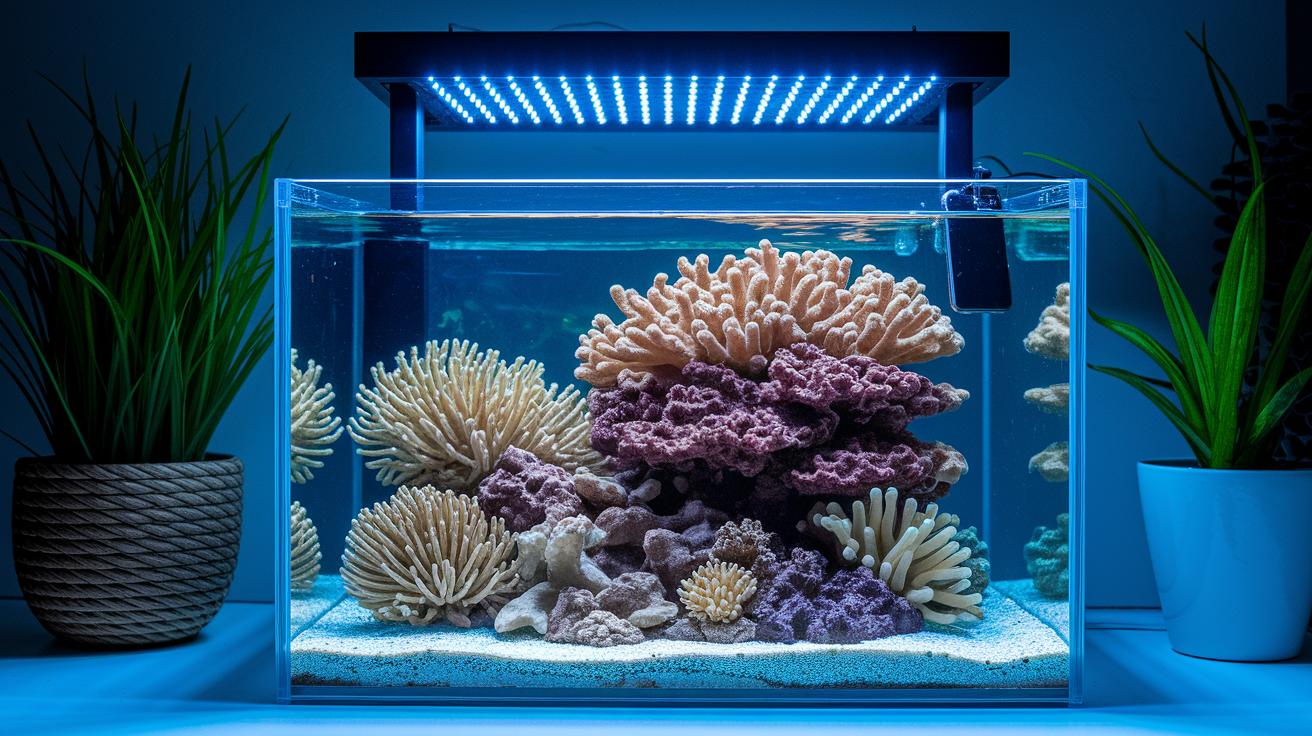
When picking the best LED tank lights, we consider a few simple things. We check out the price, how flexible the light colors are, its PAR power (that helps plants grow), and whether it fits your tank perfectly. This way, you can balance how much you spend with making sure your tank gets just the right glow for both your fish and plants. Imagine your tank lighting shifting moods smoothly, just like a favorite song that sets a new vibe every time.
Take the Aqua Worx SOL LED Light as a good example, it brings full-spectrum lighting that feels like natural sunlight. Then there are high-tech choices that let you adjust the lights right from your phone for a custom underwater scene.
| Product | Price | Spectrum (K) | Max PAR | Best For |
|---|---|---|---|---|
| Aqua Worx SOL LED Light | $56.99 | Full-spectrum (approx. 5500K–6000K) | Moderate | Nano tanks |
| Lifegard Aquatics Clip-on USB LED | $14.99 | Standard range | Lower output | Tanks under 15 gal |
| ReefBreeders Pico LED | $69.99 | Customizable spectrum | Moderate | Reef setups |
| Aquaillumination Freshwater Blade | $129.99 | Adjustable | High | Freshwater community tanks |
| EcoTech Freshwater Radion | Premium | Programmable | Very high | Advanced setups |
When choosing the perfect glow for your tank, think about what your fish and plants really need. A tiny tank may do best with a small light like the Aqua Worx SOL LED Light, while a bigger aquarium or a setup loaded with tech might benefit from the EcoTech Freshwater Radion. Reflect on your tank size, the lighting your plants require, and the overall look you’re aiming for. This simple breakdown makes it easy to light up your tank in a way that is both practical and a real treat for the eyes.
Energy-Efficient Aquatic LEDs: Maximizing Light Output with Minimal Power
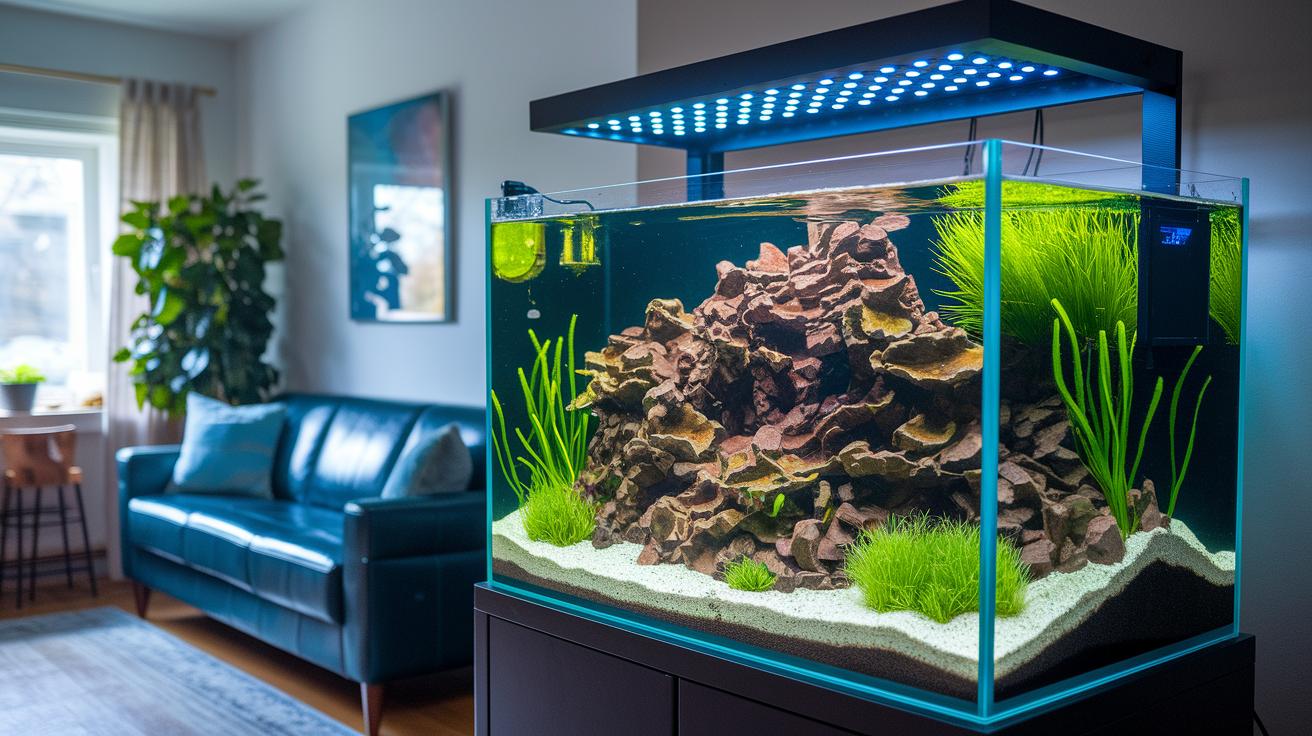
LEDs bring a brilliant glow to your tank while using as much as 100 lumens per watt. They outlast old fluorescent bulbs and use only about 0.5 to 1 watt for every liter in your tank. This means you get a dazzling display without a shocking energy bill. They also run cool, which helps keep your finned friends comfortable. Plus, you can adjust the light spectrum to boost your plants' growth without extra power, making your tank as efficient as it is stunning.
| Benefits | Description |
|---|---|
| High brightness | Gives bright illumination with up to 100 lumens per watt. |
| Long lifespan | Lasts much longer, cutting down on frequent replacements. |
| Low heat output | Keeps the water cool and protects your sensitive aquatic life. |
| Spectrum control | Allows you to fine-tune the light for vibrant plant growth. |
| Considerations | Description |
|---|---|
| Upfront cost | They can be pricier than basic lighting options. |
| Heat-sink needs | May require extra parts to keep them running smoothly over time. |
| Control complexity | The settings might take a bit of learning to master. |
The first step in setting up your lighting is knowing your tank’s volume. Multiply that volume by the 0.5 to 1 watt per liter guideline to figure out the ideal wattage for your setup. This simple method helps you match your energy use to your specific needs, so every watt works hard to keep your aquatic world vibrant and energy bills low.
Ever notice how a gentle pool of light can change the feel of your tank? It’s like watching sunlight dance on water, a little detail that makes all the difference.
best lighting for aquarium: Energize Tank Life
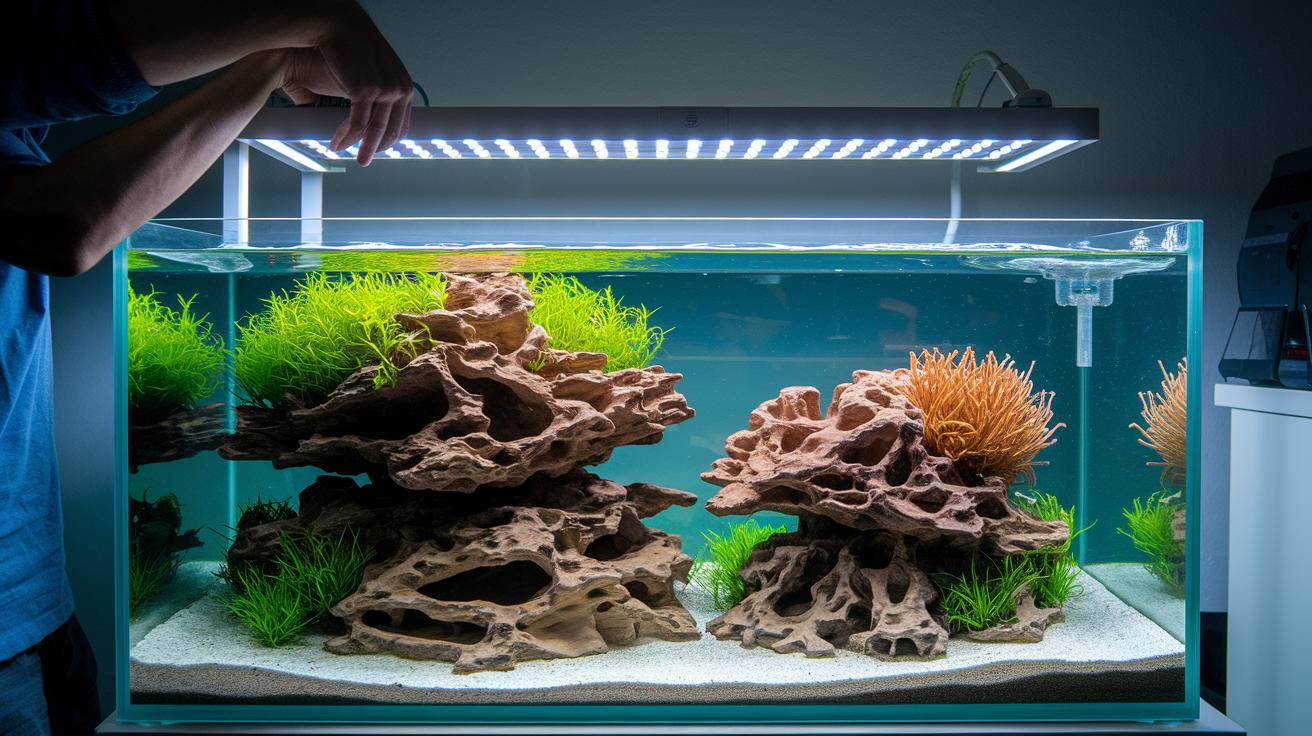
Setting up your aquarium lights can be as fun as arranging a mini light show for your underwater pals. Try hanging your fixtures about 2 to 6 inches above the water so the gentle glow spreads nicely and no area gets too bright or too dark. It also helps to place the lights evenly around the tank. In humid spots, using waterproof brackets and sealant is a smart move. And remember, keeping a steady 12-hour on and 12-hour off schedule keeps your plants thriving and stops algae from taking over.
Follow these steps for a smooth setup:
- Measure your tank to know the area you'll cover.
- Choose a mounting style that fits your tank, whether it’s suction or clamp-based.
- Hang your light at the right height, around 2 to 6 inches above the water.
- Set your timer for a consistent 12-hour light and 12-hour dark cycle.
- Double-check that light reaches every corner of your aquarium.
By automating your light cycle to match nature’s rhythms, you create a calm, harmonious home for your fish and plants.
Maintenance Tips for Aquatic Lights to Ensure Reliability

Keeping your aquarium lights in tip-top shape is a bit like tending to a little underwater garden. Regular cleaning makes sure your tank stays vibrant, giving your fish and plants the steady, quality glow they need. It’s a simple habit that helps nip problems in the bud and lets your underwater world shine brightly.
Here are some easy tasks to keep in mind:
- Wipe down the light housings every month to sweep away dust and salt buildup.
- Change out the LED modules or bulbs every 6 to 12 months following the maker’s advice.
- Check the cables and connections every three months to spot any signs of corrosion.
- Look over the waterproof seals on your fixtures to keep unwanted moisture out.
Jotting down the date each time you clean or replace a part is like keeping a diary for your aquarium. This little log will remind you when it’s time for a checkup and even help catch small issues before they grow. In truth, regular maintenance is a small step that makes a big difference, keeping your tank running smoothly and sparkling like the gentle ripple of water on smooth stones.
best lighting for aquarium: Energize Tank Life

When you set up your tank, remember that algae loves warm colors, while your plants do best with a mix of hues for lively growth.
Try keeping your lights on for 12 hours and off for 12 hours a day, this simple routine really helps keep algae from taking over. It’s like giving your aquarium its own natural day and night cycle.
For freshwater tanks, aim for lights with a color range between 5,500K and 6,000K. If you have a reef tank, go for a brighter range of 9,000K to 10,000K. This way, you avoid too much red light that stokes algae growth.
To keep a clear tank, lower the red peaks in your light spectrum. This trick supports the natural blue and white shades that both your fish and plants love while keeping algae in check. Also, make sure your light strength matches up with your CO₂ and nutrient levels so your plants can flourish without giving algae a free pass.
One neat tip I love is that many beginners are surprised to see how a simple 12/12 light schedule can really cut down on algae. Regularly checking your water helps you see if these changes are working and keeps your tank in tip-top shape.
For more cool advice on controlling algae, check out this link: troubleshooting algae issues in aquarium maintenance.
Final Words
In the action, this guide showed how to set up and maintain your tank lights with clear, simple steps. We covered how light color and intensity shape your underwater space, reviewed top LED options, and shared tips on positioning and upkeep. We even touched on light tweaks that help keep algae in check while supporting healthy plant growth. Each tip is meant to help create a bright, thriving home for your aquatic friends. Enjoy exploring the best lighting for aquarium and making your tank a true underwater haven.
FAQ
What does the best LED aquarium lighting for plants offer?
The best LED aquarium lighting for plants provides full-spectrum light in the 5500K–6000K range, enhancing plant growth and vibrant colors while boosting overall tank health.
What do users on Reddit and Amazon say about aquarium lighting?
Reviews show that many aquarium hobbyists choose LED fixtures for their energy efficiency and adjustable spectrums, making them favorites on both Reddit and Amazon for various tank setups.
What type of lighting helps prevent algae in fish tanks?
A well-chosen light that stays within recommended Kelvin ranges and supports proper light cycles helps control algae, ensuring that both plants and fish thrive without unwanted algae blooms.
Which is better: T5 or LED aquarium lighting?
When comparing T5 and LED lighting, LEDs often come out ahead for their energy savings, improved spectral control, and lower heat output—benefiting most tank setups.
How do fish respond to blue versus white light or bright versus dark conditions?
Fish experience using both blue and white light; they thrive with balanced brightness during the day and benefit from periods of lower light intensity that simulate natural day-night cycles.
What options are available in Chihiros and Hygger aquarium lights?
Chihiros and Hygger offer a range of LED fixtures with adjustable colors and intensities, making them excellent choices for different tank sizes, planted setups, and specific lighting needs.