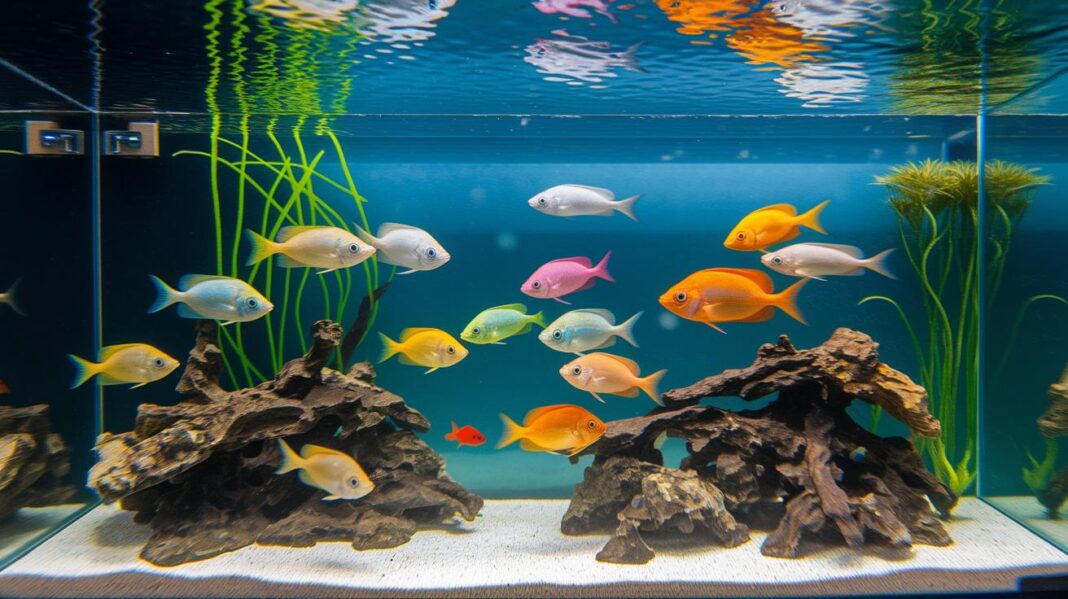

Ever wonder if your fish are getting the proper nutrition they need? Watching how they nibble can give you clues, maybe they need a bit less food or even a switch-up in type. In this post, I'll share some friendly tips on how to monitor your fish’s diet without cluttering your tank. By keeping a simple feeding log and taking a few careful observations, you can easily tell when it's time to tweak their meals. Stick with these straightforward practices, and you'll love seeing your aquatic pals stay healthy and active.
Effective Practices for Monitoring Aquarium Fish Nutrition
Begin with a fresh start by offering your fish small meals several times a day. They usually eat their food quickly, which keeps the water clean and clear. If you see food left in the tank after feeding, try giving a bit less next time.
Take a moment to watch how your fish eat. Notice how long they take to finish and if any of them have a hard time with the type of food offered. Keeping a little feeding diary helps you track how much they eat every time. Here are some friendly tips:
| Tip | What to Do |
|---|---|
| Log Feeding Time | Write down when you feed your fish and how much you give. |
| Adjust Portions | If you see leftover food, reduce the amount next feeding. |
| Use Regular Feeding Spots | Stick to the same spots so you can notice any changes in behavior. |
| Observe Activity | Watch how lively your fish are during mealtime. |
Set up a regular feeding routine by recording each meal in a log. This little habit helps you keep an eye on what your fish are eating and how often they dine. Sticking to this healthy pattern can make a big difference in keeping your tank balanced and your fish happy. For more ideas on a balanced fish diet, you can check out https://sweetfysh.com?p=1607.
In short, by following these simple steps, you can fine-tune your approach to fish nutrition and spot any changes right away that might need a vet's advice. Enjoy watching your little underwater buddies thrive!
Nutritional Benchmarks for Aquarium Fish Nutrition

When caring for your aquarium fish, it's important to know they need just the right mix of nutrients to thrive. Every fish, whether it nibbles on plants, goes after protein-rich bites, or enjoys a bit of both, needs a special balance of protein, fats, vitamins, and minerals. For plant-eaters, high-fiber feeds made from plants keep them energized and vibrant, while meat-lovers benefit from protein-packed treats that help build strong muscles. And for those fish that eat a little bit of everything, a well-rounded diet is like a perfect wave of nourishment.
Marine fish, for example, enjoy special feed blends that suit their saltwater world. Freshwater species have their own guidelines too, with mixes that balance protein and fiber in just the right way. It’s a bit like crafting the perfect water landscape for your favorite underwater garden.
Many fish enthusiasts keep track of these nutrient details with feed charts and logs. These handy tools help you monitor how much protein, vitamins, and other elements your fish get, making it easier to adjust their meals as they grow. Checking vitamin levels and mineral balances is key to avoiding any shortages and keeping your fish feeling their best.
If you want to dive a bit deeper into getting the perfect blend of protein, vitamins, and minerals for your aquatic pals, check out this resource on essential nutrients in fish: https://sweetfysh.com?p=1578. Keeping a close eye on nutrition is the first step to ensuring your fish enjoy both a sparkling present and a healthy future.
Tools and Techniques for Precision Aquarium Fish Nutrition Monitoring
Ever wondered how to serve your fish the perfect meal? Precision scales that measure every pellet or flake to 0.1 g let you know exactly how much food each fish gets. These reliable scales work with simple nutrient tests that check protein and fat levels, making sure every meal is balanced for your aquatic pals. Testing the effectiveness of pellet food even helps you see if your fish are truly enjoying and benefiting from their meal.
Next, think about how food behaves in water. Using methods that show whether food sinks or floats gives you a clear idea of whether your fish can reach it. When you drop a measured amount into the tank, you can watch how it settles and check if your fish manage to grab it. Plus, a quick look at different parts of the tank tells you if nutrients spread out evenly or if there's room for improvement.
Reviewing the nutritional profile of flakes shows if they maintain their vitamins and minerals over time, just like checking a recipe to make sure all the ingredients stay fresh. And if you offer live feed like brine shrimp or daphnia, simple quality checks ensure they are free from harmful germs, giving you peace of mind.
Finally, options like freeze-dried and frozen feeds keep natural enzymes safe, making sure your fish get not just a tasty meal but a nutritious one too. Combining these tests with regular water analysis makes feeding your aquatic friends simple and effective.
Impact of Water Quality on Aquarium Fish Nutrition
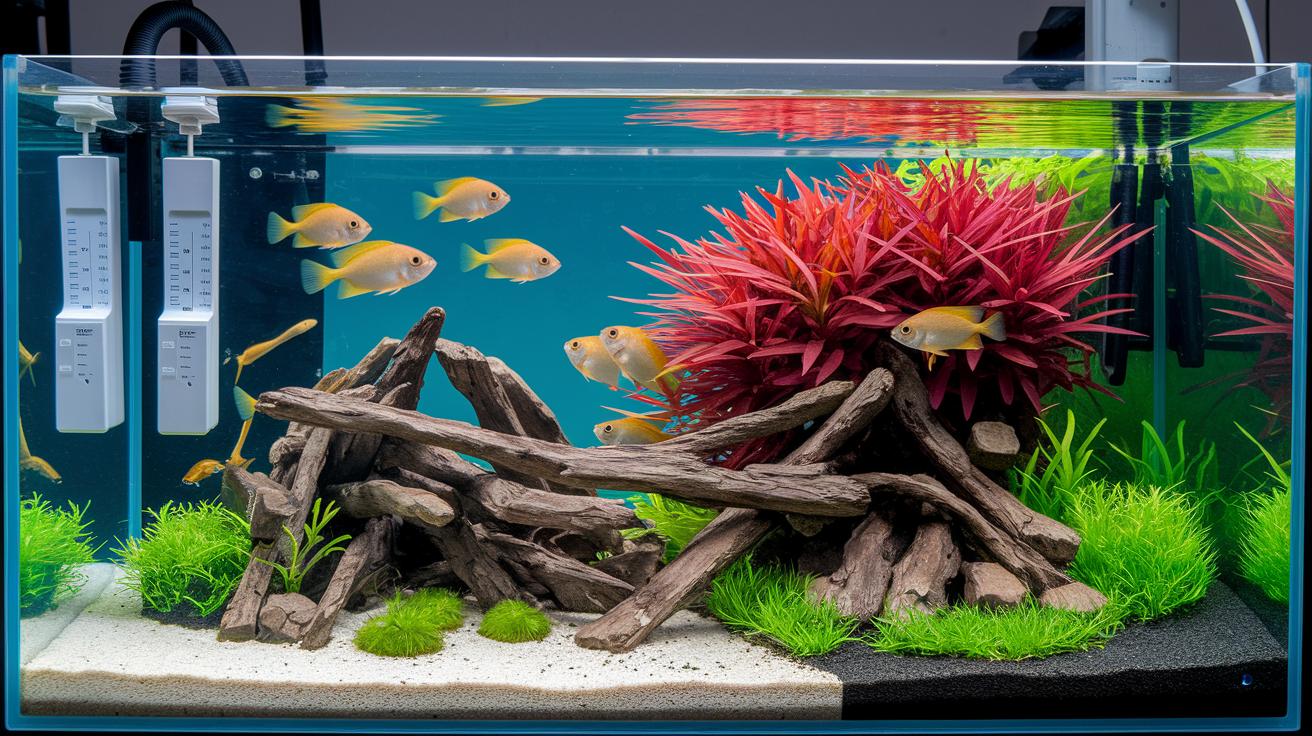
Water quality is key to how your fish break down and take in their food. Overfeeding can make harmful substances like ammonia and nitrates build up, which can stress out your fish and make them less hungry. When the water gets messy, your fish might eat less, leading to unbalanced diets and slower growth. Keeping an eye on these substances using simple freshwater testing kits can really help.
Testing your water each week lets you catch little changes before they become big problems. Even a small amount of ammonia can make your fish uncomfortable, so it's smart to check often. Regular nitrate tests can also catch issues early, giving you peace of mind that your fish are in a healthy setting.
A dissolved oxygen meter is a useful tool, too. It tells you if there’s enough oxygen in the water, which helps your fish breathe easier and digest their food well. When oxygen levels drop, you might even want to tweak how much you feed your fish.
Maintaining the right pH is another important step. Balancing the pH keeps the water just right for your fish, so they can get all the nutrients they need effectively. Plus, the water temperature has a big role, it can affect how quickly your fish digest their meals. Adjusting the temperature helps you find the perfect feeding time when your fish are most active.
All in all, keeping track of ammonia, nitrates, oxygen, pH, and temperature creates a lovely, balanced underwater home. This caring approach makes sure your fish grow strong and happy every day.
Troubleshooting Common Aquarium Fish Nutrition Issues
Keeping a close eye on your fish’s meals is a bit like watching the gentle ripples on a quiet pond. If you notice things like your fish quickly gaining weight from too much food or their fins looking pale because they might be missing nutrients, it's best to act fast. Regularly checking their size and colors can help you spot these early signs.
Sometimes, it's helpful to compare how much food you give with how much your fish grow. This simple study of their feed-to-growth ratio is like checking if they’re getting the right amount of protein and nutrients. You might find that lowering portions or mixing in some live or frozen foods can make a big difference.
Keeping your fish fit and active is as important as keeping your tank sparkling clean. If your fish start to look a little sluggish or even bloated, it could be a signal to review their vitamin and mineral intake. A small boost, such as a touch of vitamin C combined with balanced minerals, can help steer their growth in the right direction.
Watching the balance between feed and growth over time helps you notice if something’s off with their protein and nutrient levels. By keeping up with these simple checks and jotting down your findings, you can be sure your fish are enjoying a healthy environment.
Advanced Data-Driven Strategies in Aquarium Fish Nutrition Monitoring

Modern tech has truly changed the way we care for our fish. These days, smart sensors are like little underwater detectives, they tell you the pH, the oxygen levels, and the temperature all in real time. It’s like listening to the gentle murmur of your aquarium, catching even the slightest ripple of change that could affect how your fish digest their food.
Digital logs have made it super easy to keep a diary of meal times and food portions. Picture this: you glance at your digital notebook one day and notice that your fish aren’t eating as usual. That little delay might be a hint that your water quality needs another look. And with mobile apps tying that feeding data to online nutrition tips, it almost feels like having a fish nutrition expert right beside you.
Automated feeders are another cool upgrade. They dish out pre-measured food at set times, keeping a steady feeding routine even when you’re not home. This helps prevent the messy overfeeding or underfeeding risks that can change your water conditions. Then, when you check out an easy-to-read analytics dashboard, you can spot trends over a month. If you see a drop in your fish’s growth during one week, you know it’s time to tweak their protein levels or feeding schedule.
When you put together these smart sensors, digital tracking, and automated feeders, you get a powerful network that keeps tabs on your fish’s diet. The performance reviews these tools provide help you fine-tune every meal so that each one works hard to support your fish’s health.
Species-Specific Guidelines for Monitoring Aquarium Fish Nutrition
Every fish in your tank has its own unique food needs that keep them thriving over time. Young fish, for example, need a little extra protein and more frequent meals to help them grow fast. I once added a bit more protein to feed my young tang, it was amazing to see his energy burst like little ripples dancing on a pond.
Adult fish do best with a carefully balanced mix of protein and fiber. Sticking to a regular feeding schedule makes it easier to notice any quiet changes in their behavior or growth. It’s a bit like watching the gentle flow of water and spotting tiny currents that tell you everything’s alright.
When it comes to older fish, reducing the protein and boosting vitamins can help them feel better as they age. I’ve found that giving them smaller, extra-nutritious meals over time really makes a difference.
For herbivores, simple blanched vegetables work wonders. These greens are easy on their digestive systems and packed with nutrients. When adding these foods, try introducing a little bit at a time and watch how excited your fish get with every nibble.
Carnivores, on the other hand, benefit from live or frozen prey that mimics their natural hunting instincts and gives them plenty of protein. Omnivores love a mix of different ingredients that match what they’d find in nature.
To really keep track of how each species is doing, consider setting up a simple log. Jot down what you feed them, any changes in their color or energy, and make adjustments as needed. This way, you’re always in tune with your little underwater friends.
Final Words
In the action of crafting a healthy aquatic environment, we explored key methods like small, frequent feedings and precise nutrient tracking. The article covered how water quality and feeding tools support balanced fish diets and discussed troubleshooting common nutrition issues. We even touched on advanced digital tracking and species-specific feeding for every life stage.
Following the best practices for monitoring aquarium fish nutrition can truly transform your tank into a vibrant, thriving underwater home. Enjoy building your optimal aquatic haven!
FAQ
How can I monitor my aquarium fish’s nutrition effectively?
Monitoring your fish’s nutrition means tracking feeding times, noting what they eat, and adjusting portions when food is left over. Observing behavior and keeping a feeding log help maintain a healthy routine.
What tools and techniques can help measure fish feed precisely?
Tools like precision scales, nutrient analyzers, and live feed inspections make it easy to measure portions and check protein, fat, and vitamin levels for balanced meals in your aquarium.
How does water quality affect fish nutrition and feeding?
Water quality directly influences fish appetite and digestion. Testing for ammonia, nitrates, pH, and oxygen helps you adjust feeding routines so fish can absorb nutrients properly.
What steps should I take if my fish show nutritional issues?
If you notice changes like pale coloring or sluggish behavior, adjust feeding amounts or add vitamin and mineral supplements. Tracking growth and feed conversion can guide necessary diet tweaks.
How do advanced data-driven strategies enhance nutrition monitoring?
Using smart sensors, digital logs, and mobile apps gives you real-time insights into feeding patterns and water conditions. This data helps refine diets and maintain balanced nutrition effortlessly.
How can I meet species-specific nutritional needs for my fish?
Meeting species-specific needs involves creating feeding plans that match age and dietary types. Juveniles need more protein with frequent meals, while seniors do better with fewer proteins and added vitamins for optimal health.