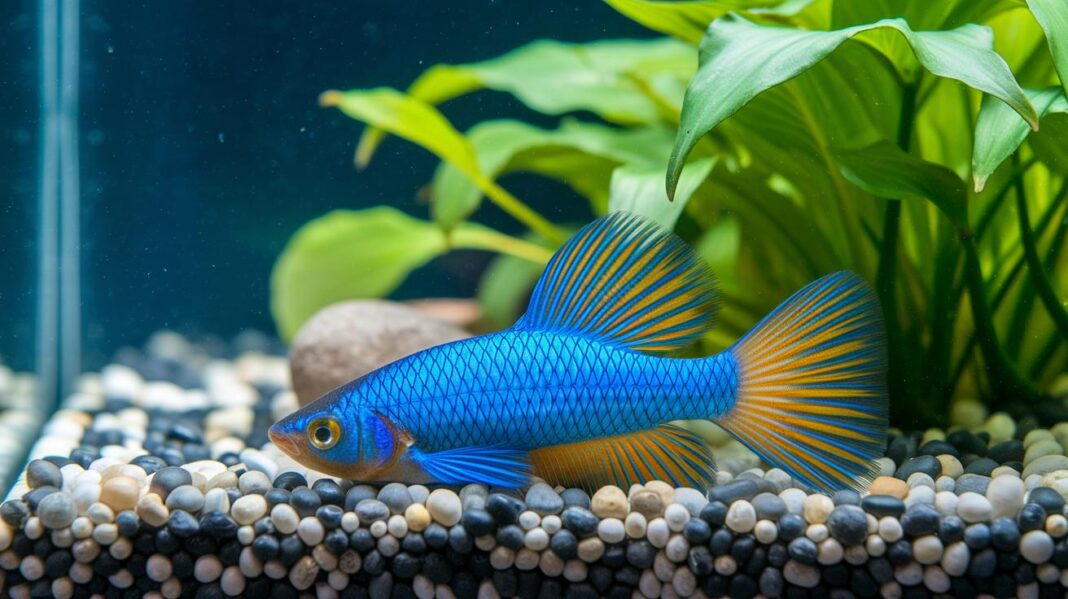

Ever notice your betta resting quietly at the bottom of the tank? It might seem a bit unusual, but sometimes your little friend just needs a breather, like you might enjoy a calm moment after a busy day. Maybe it's settling into a new home or simply taking a well-deserved pause.
If you see this resting habit happening too much, it could be a sign to check on the tank’s environment. A gentle look at the water temperature and overall setup might help ensure everything is just right. This article walks you through what to watch for and shares easy tips to keep your fish safe and happy.
Understanding Why Betta Fish Lay on the Tank Bottom
Have you ever noticed your betta taking a rest at the bottom of its tank? Sometimes it’s just settling into a new home or catching a bit of extra sleep, much like you might after a long day. But if this behavior happens all the time, it’s a gentle hint that something in the tank might need a little attention.
There are a few reasons why your betta might prefer the bottom. It might not be serious; sometimes your fish is just unwinding. Yet it’s always smart to check on its surroundings to make sure everything feels just right. Think of it like making sure your favorite fishbowl is set up with a little extra care, much like polishing a treasured shell on a sunny beach.
Here are some things to consider:
| Possible Cause | What to Watch For |
|---|---|
| New Environment or Routine Changes | The fish could feel a bit stressed or unsure |
| Normal Sleep Cycle | Your betta might just be taking a nap |
| Temperature Extremes | Water not kept around 75–80°F (24–27°C) |
| Poor Water Quality | High levels of ammonia, nitrites, or nitrates can upset your fish |
| Tank Size | Small tanks (under 5 gallons) might limit its swimming space |
| Early Signs of Health Issues | This could affect overall behavior and energy |
It all comes down to finding out what might be nudging your betta into this resting spot. Small changes, like keeping the water at a cozy temperature, cleaning the tank more often, or giving your betta more room to glide, can make a big difference. Just like the gentle ripple of water on smooth stones, these adjustments help your fish stay active, happy, and swimming in a welcoming home.
How Water Conditions Trigger Betta Fish Bottom Resting

Keeping your betta happy means looking after the water they swim in. You want the water to be just right, ideally between 75 and 80°F (or 24 to 27°C). When the water gets too hot or too cold, your betta might feel a bit off and decide to rest at the bottom of the tank.
It also helps to have a gentle water flow. Think of it like trying to walk against a strong wind; a fast current can tire out your betta, who isn’t built for speedy swimming. A soft, steady flow is like a calm river that lets your fish move freely.
The mix of chemicals in the water is super important too. Ideally, ammonia should be at or below 0.25 ppm, nitrites should stay at 0 ppm, and nitrates are best kept under 20 ppm. When these numbers go up, they can lower the oxygen in the water, making your betta feel stressed and prompting it to rest on the bottom to cope.
| Parameter | Optimal Range | Impact of Deviation |
|---|---|---|
| Temperature | 75–80°F (24–27°C) | The fish may feel stressed and sluggish if it’s too hot or too cold |
| Ammonia | ≤0.25 ppm | Too much can hurt your betta’s gills and overall health |
| Nitrites | 0 ppm | Any nitrites can interfere with breathing |
| Nitrates | <20 ppm | High levels can lower your fish’s vitality |
| Flow Rate | Gentle | A strong flow can tire out bettas who prefer a leisurely swim |
Regular check-ups on your tank’s water are key. Testing your water every week with a good kit and doing small water changes can catch little shifts before they become big problems. This way, your betta gets to enjoy a balanced home where it can swim around and not feel forced to hide at the bottom.
Identifying Health Problems Causing Betta Bottom-Lying Behavior
When your betta spends too much time resting at the bottom of its tank, it might be a sign that something isn't quite right. Even small shifts in how it moves or holds itself can hint at health issues lying beneath the surface.
Swim Bladder Disorder
Sometimes, your betta may struggle with a condition known as swim bladder disorder. This problem can arise from overfeeding, constipation, or even infections. If you notice your betta tilting or sinking instead of swimming smoothly, try offering smaller, more frequent meals. You might also switch to food that’s easier to digest or add a bit of fiber. If things don’t improve, it could be a sign of an infection needing extra attention.
Bacterial & Parasitic Infections
Bacteria or parasites can make your betta feel sluggish and less vibrant. Watch out for signs like a puffy body, worn-out or dull fins, or any changes in color, these might be clues to conditions like fin rot or dropsy. A little antibiotic dip can sometimes help turn things around, much like giving your betta a caring boost back to its bubbly self.
Chemical Exposure & Injuries
Chemical exposure from cleaning agents or other harsh substances can also affect your betta’s behavior. Sharp tank décor can cause injuries too, leaving tiny cuts or causing irritation. If you notice these issues, take immediate steps to remove any harmful items and offer some first-aid care. This quick action can help keep your betta on track and feeling more its usual self.
If any of these signs continue, it’s a good idea to chat with a vet who knows all about fish health.
Adjusting Nutrition to Combat Betta Bottom-Resting
A poor diet or too much food can really sap your betta's energy and even mess with how he floats. When his meals lack variety or are overfed, he might end up with swim bladder issues that make him too tired to explore his tank. Think of your betta's food like fuel for a little motor, he needs the right mix to run smoothly. Ever wonder what would happen if you only ever filled your car with one type of fuel? His performance would surely take a hit.
Tweaking his feeding schedule can make a big splash. Try mixing up nutrient-rich pellets with occasional live or frozen treats to keep things interesting. And if you're using dry food, soaking it up before serving can help prevent him from gulping down too much air, which often leads to buoyancy issues. Smaller, more frequent meals give him a better chance to digest his food without feeling weighed down.
In truth, adjusting the portions and adding variety not only sparks his interest in mealtime but also supports a more lively and buoyant lifestyle. Keep an eye on how he reacts to these small changes, like fine-tuning a tiny engine, every little adjustment goes a long way in helping your aquatic friend thrive.
Optimizing Tank Setup to Prevent Betta from Laying on Bottom
Having the right tank size truly makes a difference. A tank that holds between 5 and 10 gallons lets your betta swim around and enjoy their space. A slow filter flow under 50 GPH is like a gentle stream for your fish, just enough to keep the water fresh without tiring your little friend out.
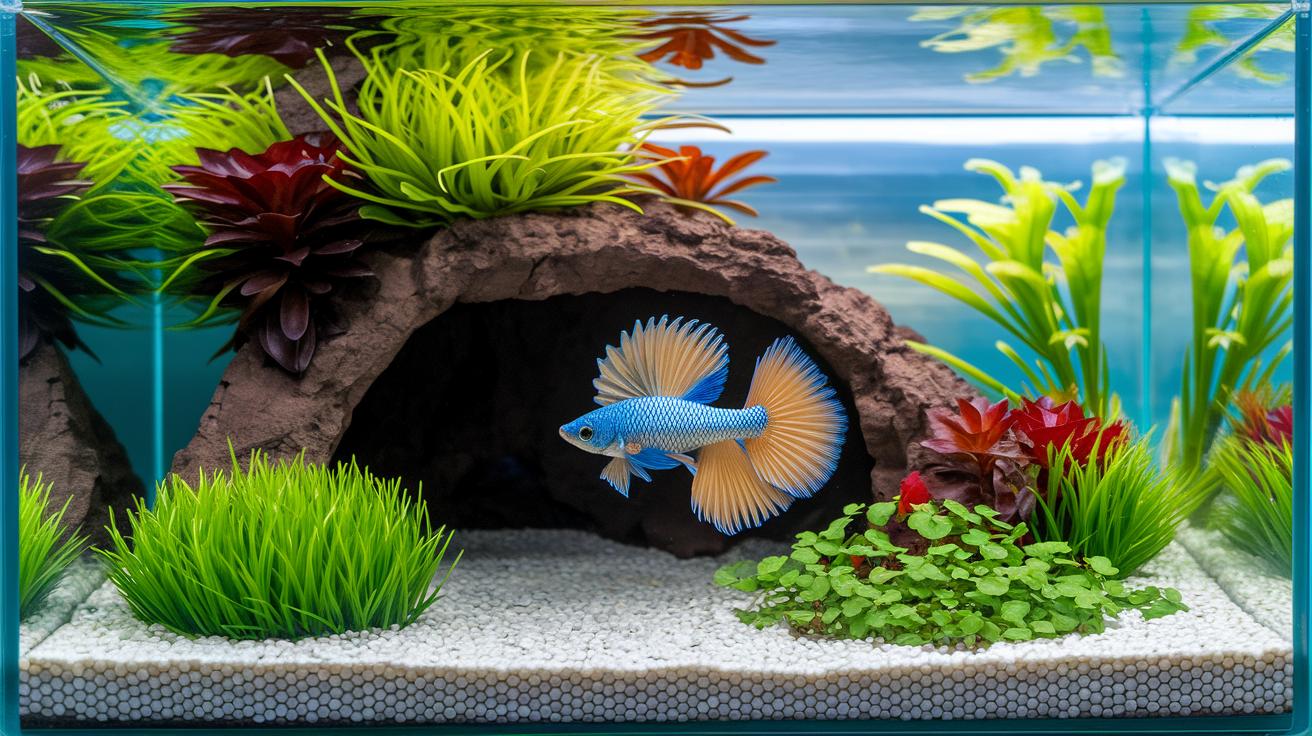
Picking the right floor and décor for the tank is just as important. A smooth substrate helps avoid any scrapes when your betta is exploring. Adding simple decorations like caves or tunnels gives your fish cozy hideaways, reducing stress and sparking an eager, playful mood during feeding and fun moments.
Designing a tank with live plants and natural features is a real game changer. Think of it like finding shade on a hot day, live plants and well-placed décor light up your betta’s world and invite more swimming action. These natural touches make the tank feel more like home, keeping your fish active instead of staying low on the bottom.
Monitoring and Care Strategies for Betta Bottom-Resting Incidents
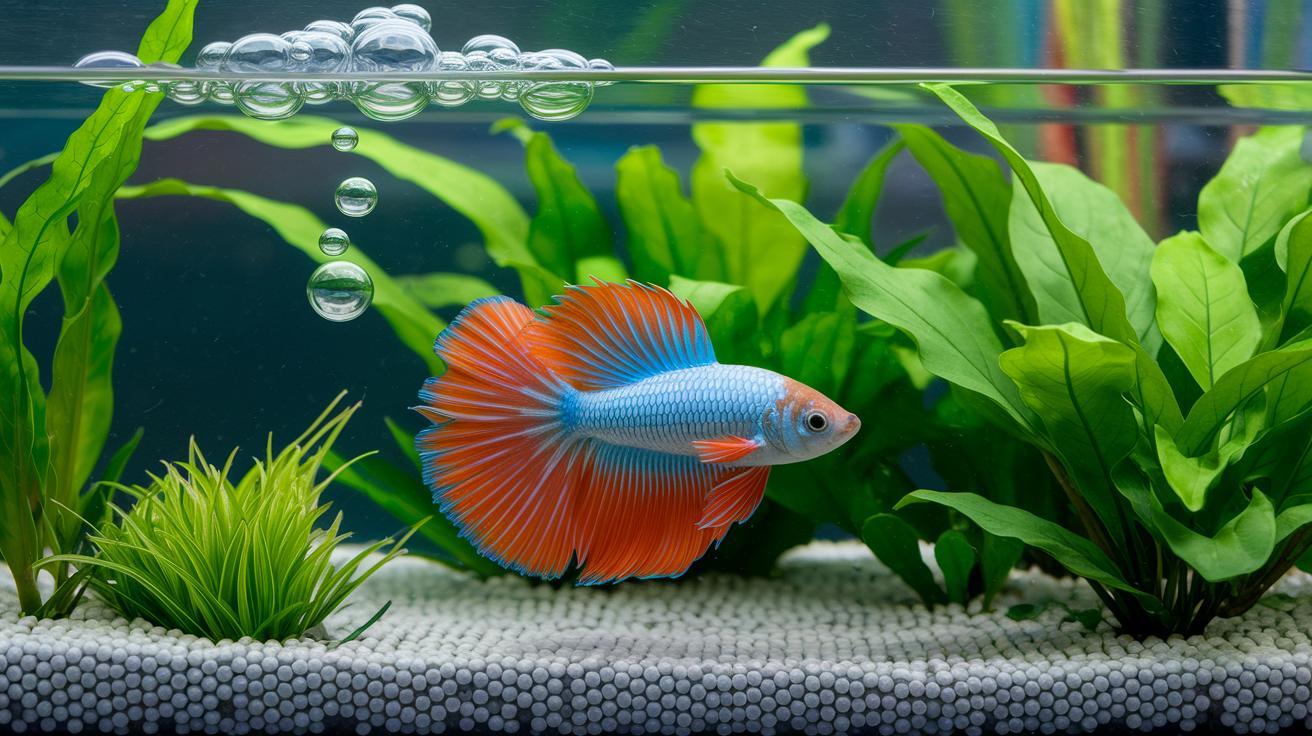
Start your day by taking a moment to watch your betta. Notice if it breathes gently, shows off bright, lively colors, proudly displays its full fins, and swims around energetically. For instance, you might observe, "Today, my betta is taking about 30 soft breaths per minute and its colors are sparkling." These little observations are like checking in to see if your fish feels safe in its watery world.
Next, try to test your water every week. Check for things like ammonia, nitrites, nitrates, and even the water’s temperature. Write down what you find, even a quick note can help catch tiny changes before they become big problems. Think of it as keeping a friendly checklist that helps you detect any shifts early on.
If you notice something unusual, be ready with a few first-aid steps. A small water change, a little tweak to the heater, or removing any possible toxins can quickly bring things back to balance. For example, if you see your betta’s colors fading, a timely water change might just bring back its sparkle.
Lastly, keep a simple care diary to track what you notice over time. Recording details like breathing rates and any quirky behaviors helps you spot patterns. This little log acts as a friendly guide, showing that every small observation matters in keeping your betta happy and healthy.
Final Words
In the action, we explored why betta fish lay on bottom of tank. We looked at water conditions, health signals, dietary tweaks, and ideal setups that help create a vibrant underwater space. Observing your fish’s behavior and monitoring tank parameters is like tuning into the gentle rhythm of water. Each element plays a role in boosting your pet's wellness and activity. With steady care and attention, you can help your fish thrive and enjoy a bright life.
FAQ
Q: Why is my betta fish laying at the bottom of the tank?
A: Your betta fish laying at the bottom can signal stress from a new environment, unsuitable water temperature or quality, cramped space, or early illness. Checking these factors helps guide corrective care.
Q: What does it mean when my betta fish refuses food while resting at the bottom?
A: A betta fish that refuses food and stays at the bottom might be showing signs of stress or underlying health issues like swim bladder disorder and poor water conditions. Evaluating its diet and surroundings is key.
Q: What might cause my betta to breathe heavily and lose color while at the bottom?
A: When a betta breathes heavily and loses color at the tank bottom, it can be struggling with low oxygen levels, water contamination, or an infection, and requires immediate water testing and care adjustments.
Q: Why is my betta fish sometimes staying near the top of the tank instead of the bottom?
A: A betta fish staying near the top often indicates it is gulping for air due to low oxygen levels or poor water quality, so be sure to test your water and check for proper oxygenation.
Q: Are behaviors like lying on its side at the bottom linked to swim bladder disorder?
A: Lying on its side can be a sign of swim bladder disorder, often resulting from overfeeding or an infection, and it calls for a review of feeding practices and careful observation of other health issues.