

Ever wonder if the deep sea hides its very own light show? Bioluminescent sea creatures glow like tiny underwater fireflies, lighting up the dark waters with a magical sparkle. A new study found that almost 75% of these deep-sea animals in Monterey Bay shine thanks to a simple, natural chemical reaction.
It’s like nature dips its brush in glowing paint and sprinkles it over the ocean floor. In truth, these creatures use chemistry in the simplest way to create bursts of light that add a special charm to the depths. Next time you picture the ocean, imagine soft, dancing beams brightening the mysterious blue. Isn't it wonderful how a little glow can change our view of the underwater world?
Understanding Bioluminescent Sea Creatures: Definition & Global Prevalence
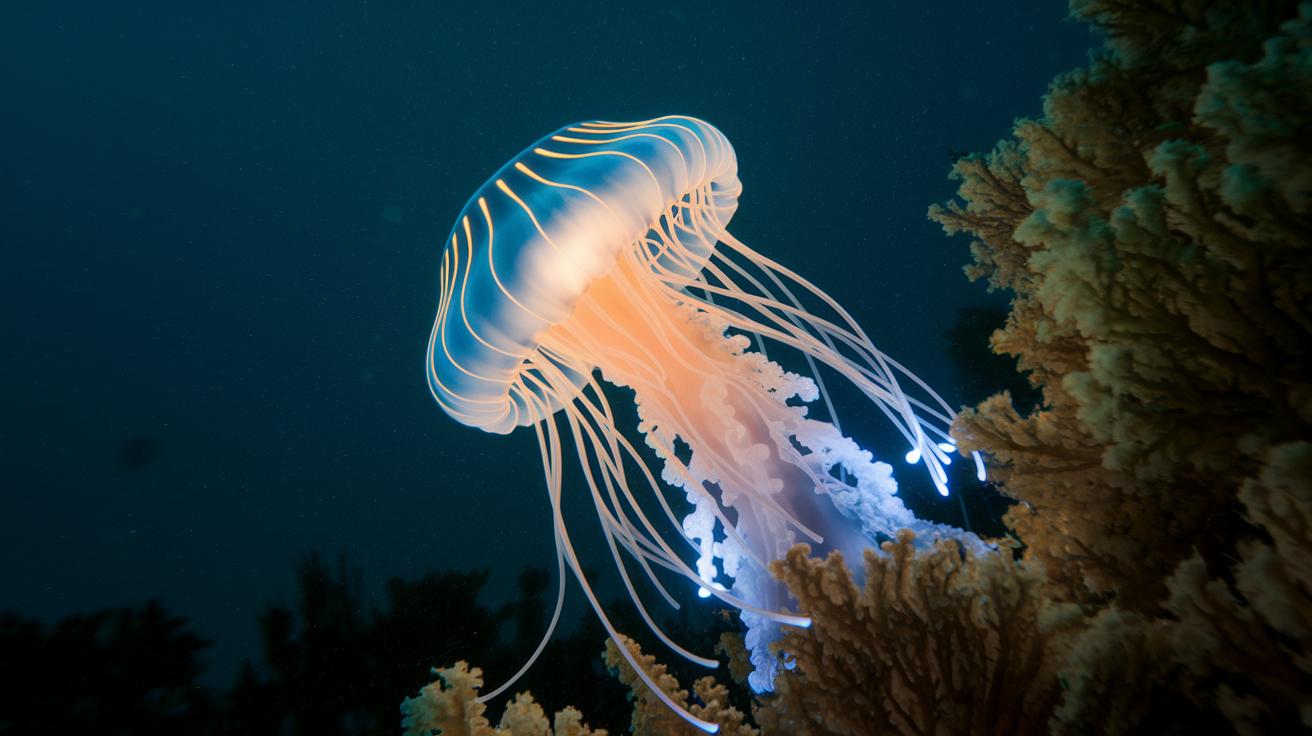
Bioluminescent sea creatures are animals that light up thanks to a natural chemical reaction. They mix special chemicals that glow when they meet oxygen, creating a soft shine in the deep, dark water. Did you know that a 2023 MBARI study found 75% of deep-sea animals from the surface down to 4,000 meters in Monterey Bay can glow? Wow, nature really knows how to throw its own underwater light show.
MBARI is a trusted non-profit research center with over 30 years of experience. They use modern technology to capture these glowing moments as they happen. Their work shows that glowing sea life isn’t just a rare trick used by a few species. Fish, squid, and even tiny plankton use their light to attract mates, ward off predators, or blend into the shimmering backdrop of the ocean, each one like a little natural lantern.
This gentle glow in the deep is changing how scientists view marine life. Researchers can now track movement, learn about mating habits, and see how these light displays help sea creatures survive in the darkness. Below is a simple table that sums up a key detail from MBARI’s exciting work:
| Depth Range | Glowing Creatures Percentage | Study Note |
|---|---|---|
| Surface to 4,000 m | 75% | In Monterey Bay waters |
Isn’t it amazing how the ocean’s secrets shine through even in the deepest dark zones? Every glowing creature adds a spark to the vast underwater world, reminding us that nature always has a brilliant surprise up its sleeve.
Chemical Mechanisms Behind Marine Bioluminescence
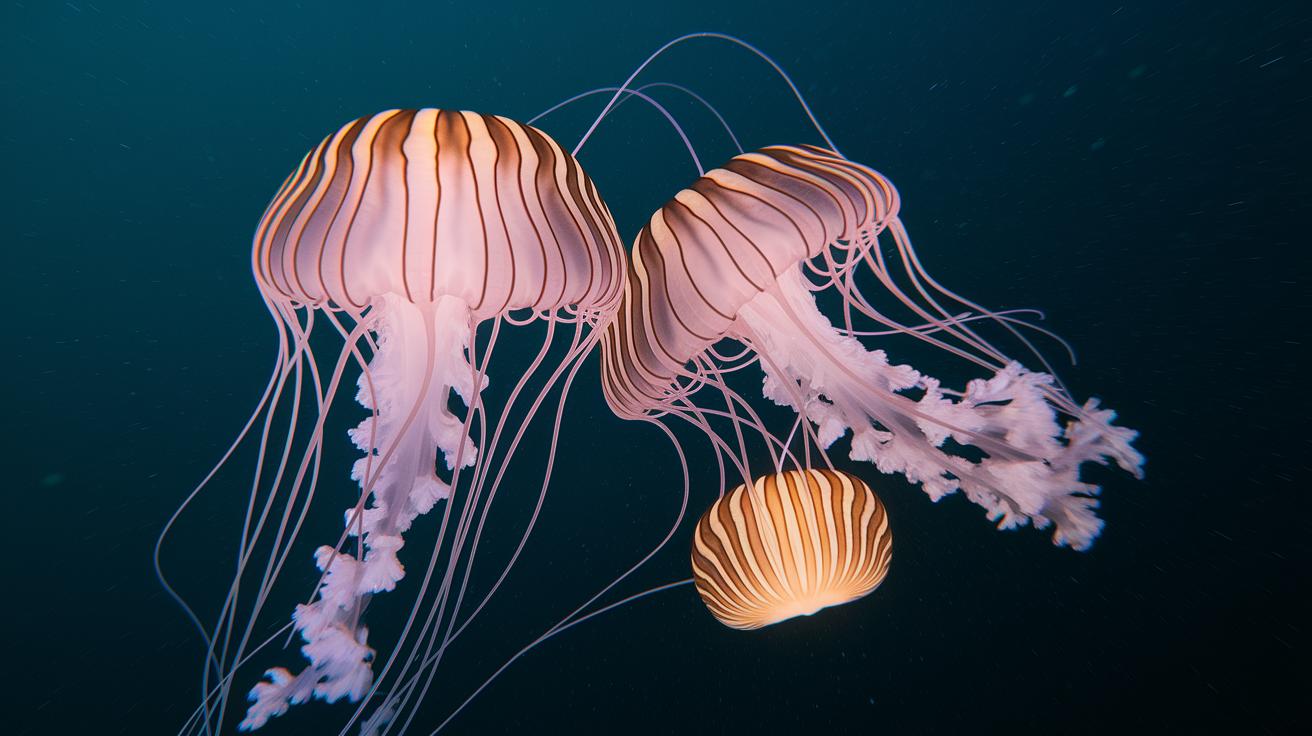
In many sea creatures, a natural glow is made possible by two key players: luciferin and luciferase. Luciferin is a special molecule that lights up when it meets oxygen, and luciferase is the helper enzyme that speeds up this reaction. When oxygen is around, luciferin reacts to release energy in the form of light. Many deep-sea animals use this trick, turning the dark ocean into their own magic stage.
This simple dance between luciferin and oxygen creates bursts of light that many species share. Some jellyfish glow gently to blend into their surroundings, while certain fish flash brilliantly to confuse predators. Think of luciferase as that quick friend who makes sure the light appears in an instant.
At the core, this glow is a finely tuned reaction that transforms stored chemical energy into visible light. Not only does it let these creatures communicate and defend themselves, but it also captivates scientists with its beauty and efficiency. Imagine a tiny underwater light show, with each flash powered by a process similar to how your flashlight works, only happening on a molecular scale in the deep sea.
Major Groups of Bioluminescent Sea Creatures
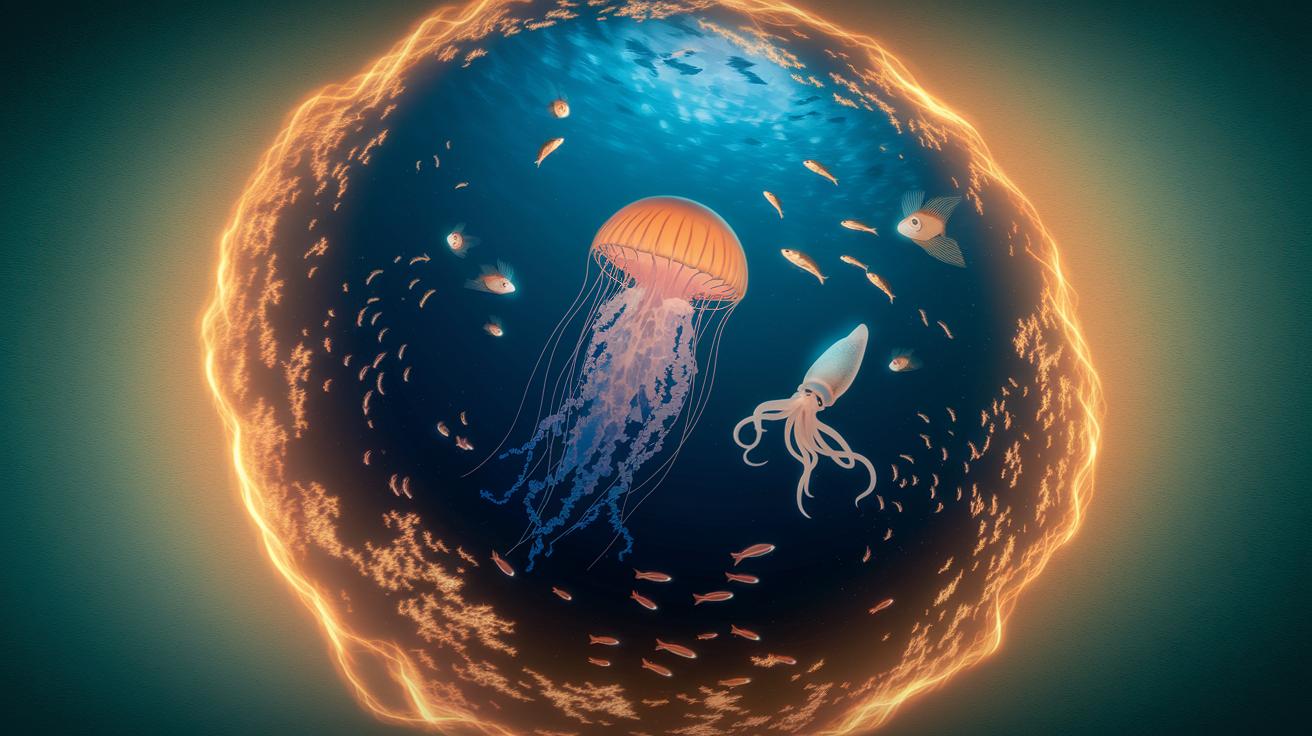
Glowing ocean creatures come in many forms, each bringing its own special light to the deep blue. Take jellyfish, for example, they pulse gentle lights that float like tiny lanterns, turning the water into a soft, glowing scene. That peaceful glow not only makes the sea more beautiful but also helps lure in food and keep off foes. Ever notice how a jellyfish’s mellow blue light feels like watching a natural underwater dance?
Bioluminescent fish add a splash of magic to the dark depths. Many sport bright spots or stripes that flash quick signals, almost like secret messages between friends. These flashes help them talk to each other, confuse potential attackers, or invite small prey closer. Imagine a fish sending a wink of light that lights up the vast ocean.
Then there are the mollusks, such as squid and octopus, who put on a dazzling light show all their own. These clever creatures control their glow with amazing skill, creating shifting patterns that can startle predators or help them blend right into the sparkling water around them. Think of a squid quickly changing its light like a fast, living camouflage.
Even tiny plankton join the party. When they gather in large numbers, they create shimmering waves of light that spread across the water like fields of starlight. It’s like watching the ocean turn into a sky full of sparkling wonder.
| Group | Light Use |
|---|---|
| Jellyfish | Soft, pulsing glow for beauty and defense |
| Bioluminescent Fish | Quick flashes to signal, confuse, and attract |
| Mollusks | Controlled, shifting displays for camouflage and surprise |
| Plankton | Mass glows that light up the dark with sparkling waves |
Ecological Roles of Bioluminescence in Sea Creatures
Glowing sea creatures have some really cool tricks. They use their natural light to fool predators or mix in with beams of light, almost like hiding behind a curtain of sunshine underwater. Ever imagine a squid lighting up in a flash when a threat gets too close? That burst of brightness really throws off any attacker.
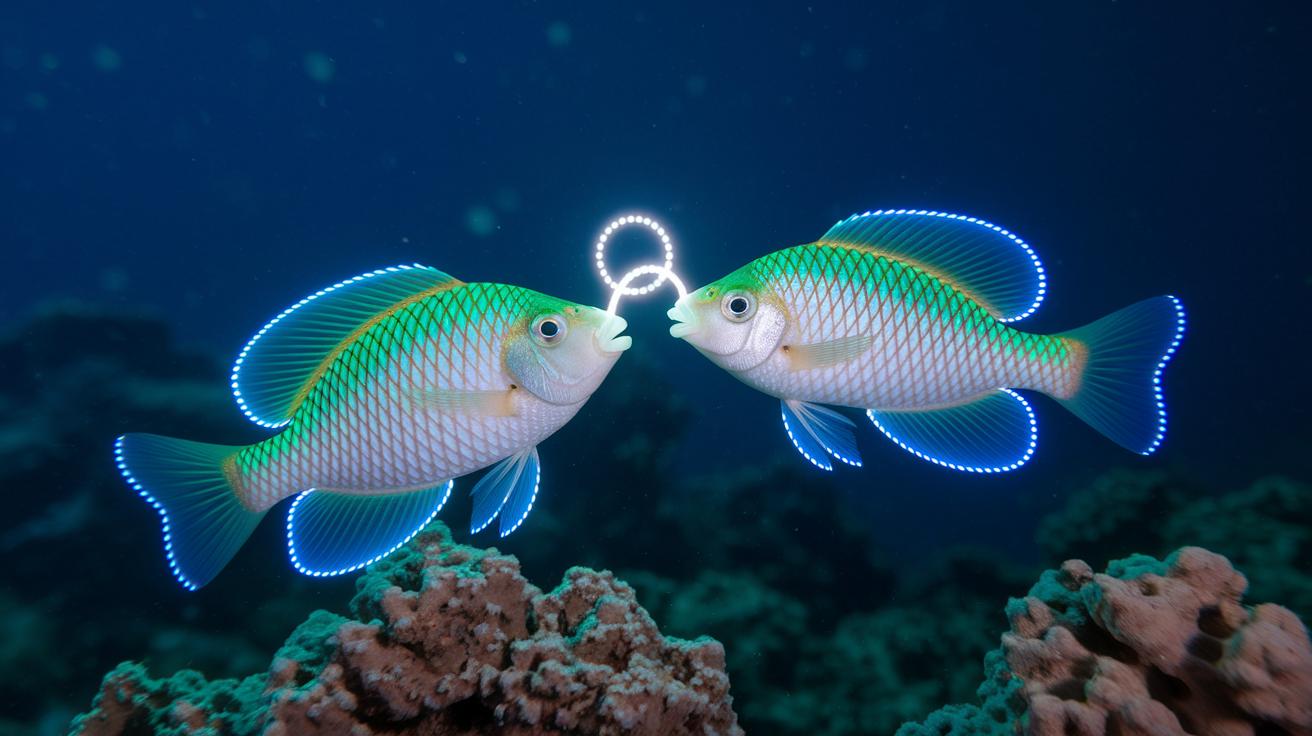
Many sea dwellers also use their light to chat with one another. Some fish send out gentle pulses that signal it might be time to find a mate, like a secret underwater wink. Thanks to MBARI’s interactive guides and data, we get an up-close look at these flickering messages and see just how nature uses light for communication.
Other creatures use their glow to attract a meal. They send out a soft, inviting light that lures unsuspecting prey right where they want it, almost like setting out a little dinner invitation. This clever trick not only helps them snatch a meal but can also startle off other would-be attackers. Sometimes, two different species even join forces, one shines to draw in food while the other is ready to grab it in a snap.
Lastly, these glowing patterns work as a stealthy disguise. Sea creatures blend their light with the natural shimmer of the ocean, staying hidden from threats while keeping their secrets safe.
Technological Advances and Current Research on Marine Luminescence
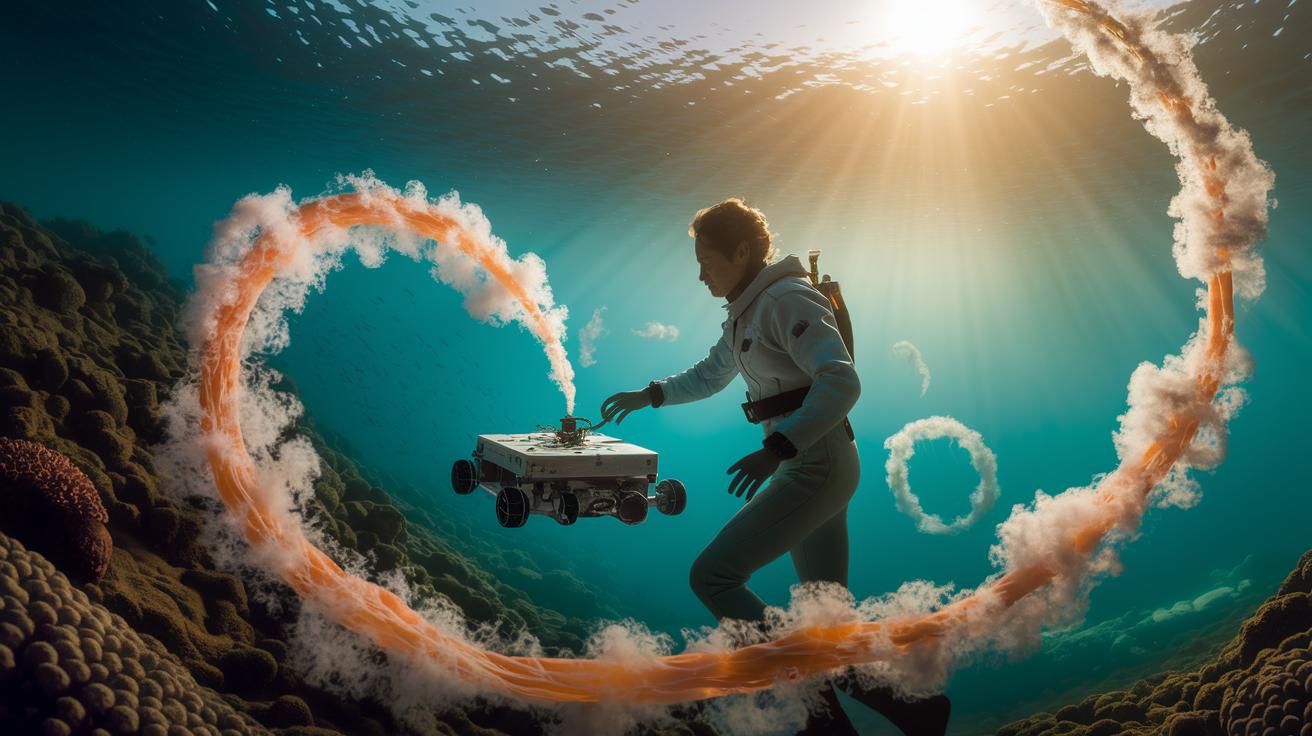
MBARI is stirring curiosity in the marine world with smart tools like autonomous vehicles and imaging sensors that map and measure light in the ocean. These gadgets glide through the water, snapping clear pictures and gathering neat data on glowing sea creatures. Researchers can now see how these animals use their light to signal, hide, or attract prey. One study even tracked tiny flashes from deepwater animals, capturing each subtle glow like watching the sea light up one pulse at a time.
MBARI doesn't stop with just collecting data. They share their open datasets and create easy lesson plans that bring underwater light wonders into classrooms and local events. When teachers use these detailed guides, students get to witness marine bioluminescence in real time, sparking their curiosity. Seminars and community events let fans and budding scientists experience firsthand how cool tech is changing our understanding of ocean light, it's like sitting up close to a natural light show where every flash tells a story.
The project also bridges research and everyday tools through tech transfer, where innovative imaging meets educational outreach. With clever ocean light cameras capturing every twist and shimmer, scientists are not only guiding new fishing tips but also inspiring creative projects for future marine enthusiasts. These ongoing efforts keep pushing the boundaries and painting a brighter, more vibrant picture of life under the waves.
Observing and Photographing Bioluminescent Sea Creatures
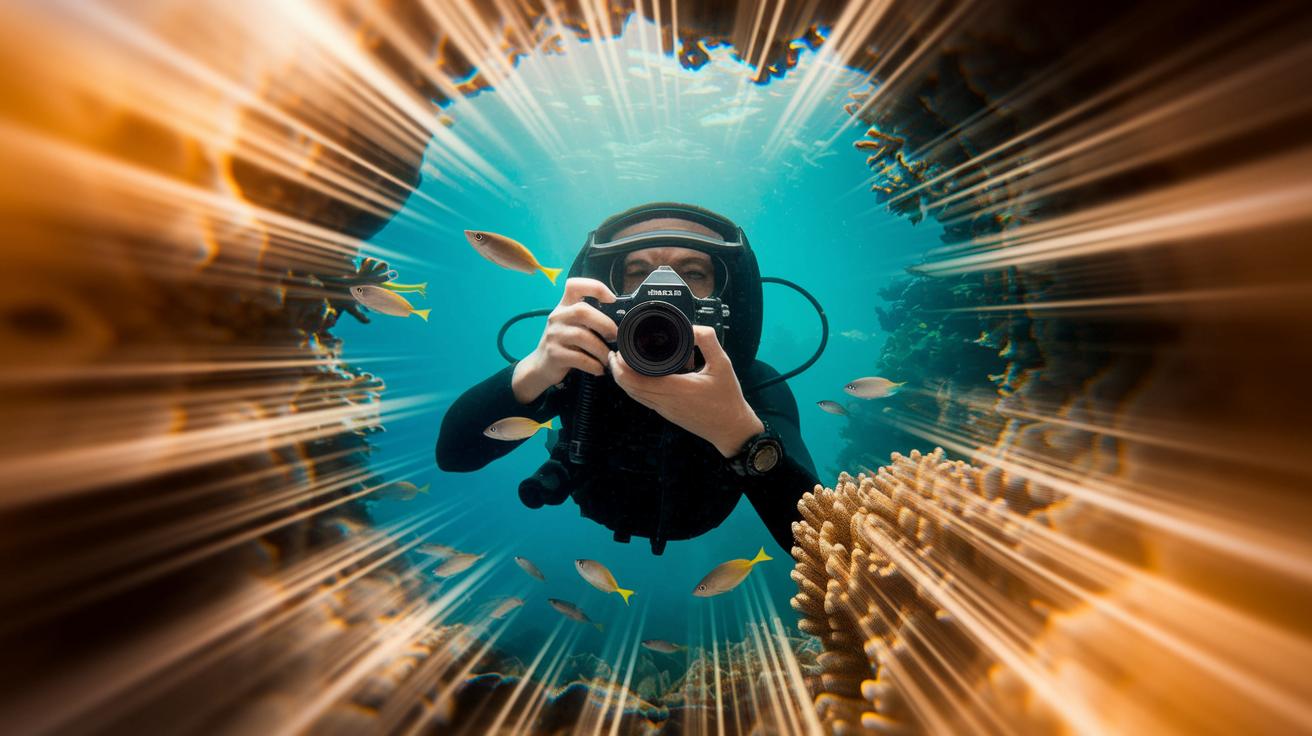
Capturing the magic of glowing sea life is like catching a tiny light show under the waves. It takes a bit of patience, the right equipment, and knowing how to adjust your camera for those low-light moments. Using a camera that lets you tweak settings like exposure and shutter speed makes it all feel like a personal adventure. A good underwater housing and a sturdy tripod also work wonders when the light is scarce.
Here are some friendly tips to get you started:
- Use slow shutter speeds to let more light in. For example, a 15- to 30-second exposure can capture that gentle glow.
- Experiment with ISO settings; try starting around ISO 800 and adjust based on how dark it is underwater.
- Bring a wide-angle lens to embrace the big ocean scene or a telephoto lens if you're aiming to catch distant, sparkling flashes.
When you decide to record time-lapse videos of these underwater glows, think of it like painting a picture with light. Set your camera to continuous shooting mode and let it capture the gradual buildup of nature's own artwork. And if you’re by clear, dark waters, whether on a quiet coast or someplace remote, you’re in for a real treat watching every burst of glowing wonder.
Final Words
In the action of exploring marine wonders, we unraveled how glowing sea life uses natural light to thrive underwater. We touched on chemical magic, various groups, and the roles these animals play in their watery world.
We also looked at tech breakthroughs and tips to capture their brilliance. Bioluminescent sea creatures remind us to care for and appreciate our aquatic pets. Enjoy watching the water light up and keep your tank a vibrant home!
FAQ
What marine creatures are bioluminescent and which sea creatures use bioluminescence?
The question about marine life using bioluminescence covers many species. Glowing fish, jellyfish, mollusks, plankton, and algae produce light through chemical reactions to help them communicate, hunt, or hide.
What are some examples of bioluminescent sea creatures, including jellyfish, fish, plankton, and algae?
The inquiry about examples highlights glowing jellyfish, luminous fish, light-emitting plankton, and vibrant algae. Each uses its glow for camouflage, attracting mates, or luring prey in deep, dark waters.
Where can I find a list or pictures of beautiful bioluminescent sea creatures?
The query about visual resources points to online marine research sites, scientific articles, and photo galleries where experts showcase stunning images and detailed lists of glowing sea life in their natural habitats.
Are there any bioluminescent animals on land and what do we know about terrestrial bioluminescence?
The question regarding land-based bio-light points out that certain insects like fireflies, some fungi, and even a few millipedes emit light. They use this glow for mating signals or to deter predators.
Why can’t you swim in bioluminescent water?
The concern about swimming in glowing water arises because such water may be linked to harmful algae blooms or bacteria. These conditions could pose health risks, making swimming unsafe during a bioluminescent event.
What is the largest bioluminescent sea creature in the world?
The question about the biggest glowing sea animal refers to large deep-sea species, such as some impressive deep-water fish or squid, that use unique luminescent traits to thrive in dark ocean depths.