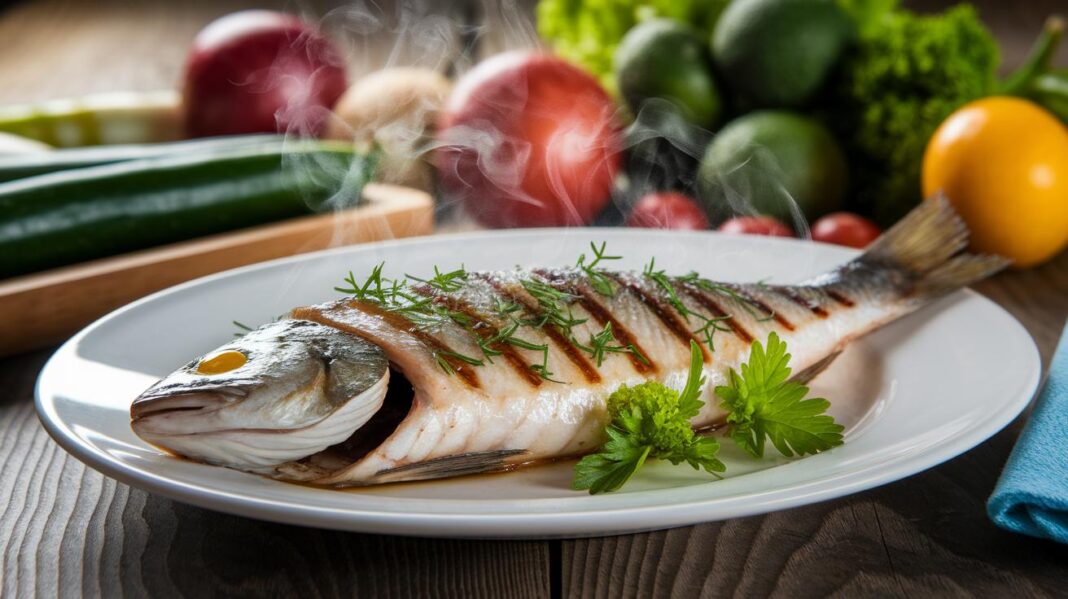

Ever wonder if a fish could be your secret helper in the kitchen? It might sound odd, but certain fish carry just the right energy to power your day. For example, salmon gives you a solid boost, while cod feels a bit lighter and fresh. Our guide dives into the calorie facts of different fish, making it easy for you to choose the best ones for a well-balanced meal. Keep reading to see how a few simple numbers can help shape a tasty diet perfect for you.
Charting Fish Calorie Content by Species
Ever wondered what fuel your fish can provide? Knowing how many calories each type holds can make planning your meals a delightful adventure. Take salmon, for example. When raw, it gives you 140 calories per 100 grams, and when cooked in a three-ounce serving, it climbs to around 200 calories.
Cod is another treat. With only 82 calories per 100 grams raw, it offers a light and satisfying option. Lean whitefish like cod and haddock stay under 100 calories for a cooked three-ounce portion, making them great choices for a balanced meal.
Then there’s mackerel. It’s a richer fish that packs about 200 calories per three-ounce serving and delivers those key omega-3 fats your body needs. Other fish like tuna, tilapia, trout, sardines, halibut, and snapper complete the calorie spectrum, though not every cooked value is laid out in detail.
Below is a handy guide to compare raw and cooked values for these delicious fish:
| Fish | Raw Calories (per 100 g) | Cooked Calories (3oz portion) |
|---|---|---|
| Salmon | 140 | ~200 |
| Tuna | 140 | Not specified |
| Cod | 82 | <100 |
| Tilapia | 96 | Not specified |
| Trout | 150 | Not specified |
| Mackerel | 200 | ~200 |
| Sardines | 210 | Not specified |
| Haddock | 90 | <100 |
| Halibut | 110 | Not specified |
| Snapper | 100 | Not specified |
| Flounder* | Not specified | <100 |
| Sole* | Not specified | <100 |
| Herring* | Not specified | ~200 |
*Values marked with an asterisk show fish where the cooked calorie info is provided, but the raw numbers aren’t listed.
Choosing Low-Calorie Fish for Healthy Meal Planning
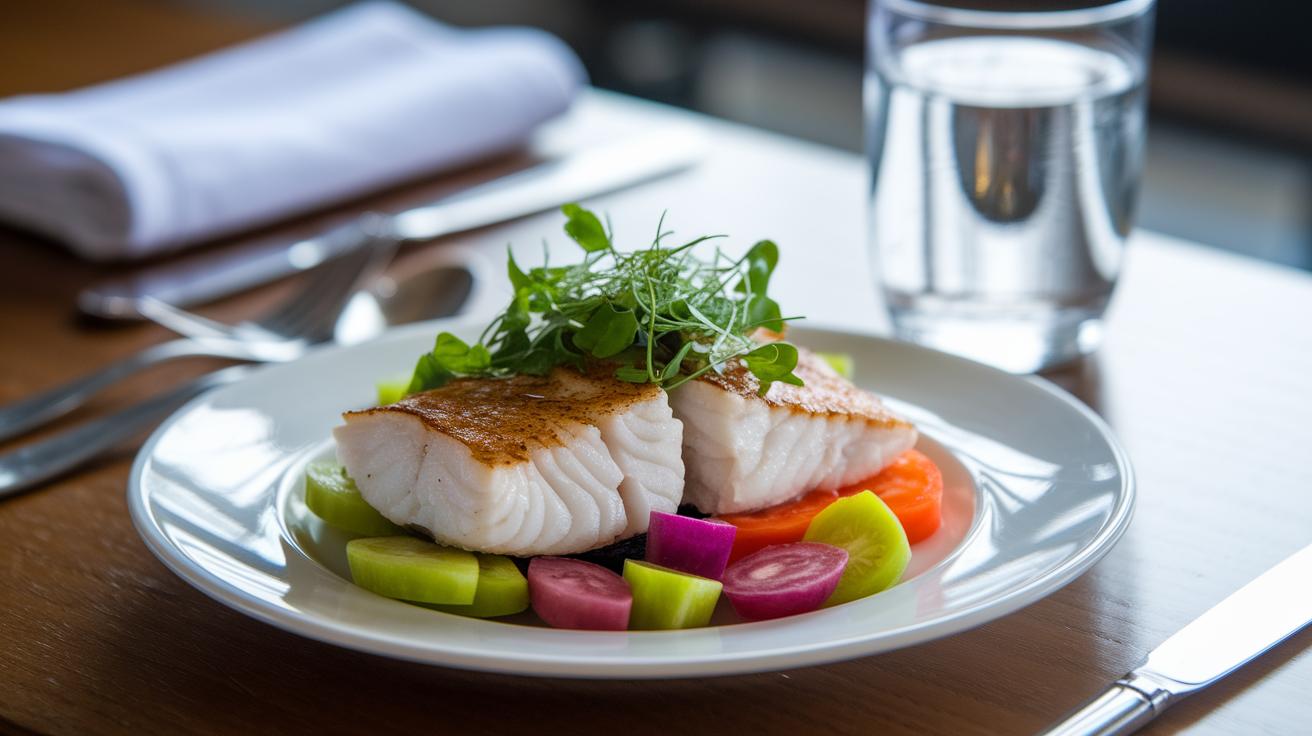
When you're planning a healthy meal, low-calorie fish can be a great catch. Lean whitefish like cod, haddock, flounder, and sole offer fewer than 100 calories in a three-ounce serving. It's a bit like a cool splash on a warm day, refreshing and light, yet totally satisfying. And then there's tilapia, clocking in at about 96 calories per 100 grams of raw fish, which makes it a smart choice when you're watching your intake.
Not only do these fish help keep calories in check, but they also fit perfectly into a low-fat diet. Most lean fish and shellfish come in with less than 5% fat, so you can enjoy delightful meals that energize you without feeling heavy. Imagine a plate of steamed haddock paired with crisp, fresh vegetables, it's a lean, healthy choice that still feels indulgent. With each bite, you're getting quality protein and essential nutrients while keeping your meals light and enjoyable.
High-Protein and Omega-3 Fish Calorie Profiles
Oily fish like salmon, mackerel, and herring are not only tasty but also pack about 200 calories per three-ounce serving. Every bite brings a healthy dose of protein along with omega-3 fats that do wonders for your heart and brain. For example, a wild Atlantic salmon fillet weighing 154 grams gives you roughly 280 calories, 39.2 grams of protein, and 12.5 grams of fat. I still remember a day when a salmon fillet before the gym powered me through a long, busy schedule, proving that nutritious food can be both delicious and energizing.
Tuna is another favorite among fish lovers. At about 140 calories per 100 grams and close to 30 grams of protein, it’s a smart choice if you’re aiming for low-calorie, high-protein meals. Rich in omega-3s, these fish help not only with muscle repair but also with keeping you balanced and bright.
Adding these omega-3-rich fish to your meals is like giving your body a refreshing splash of energy. They brighten up your plate with flavor and wholesome goodness, much like the way a lively aquarium brings a room to life.
How Cooking Methods Influence Fish Calorie Counts
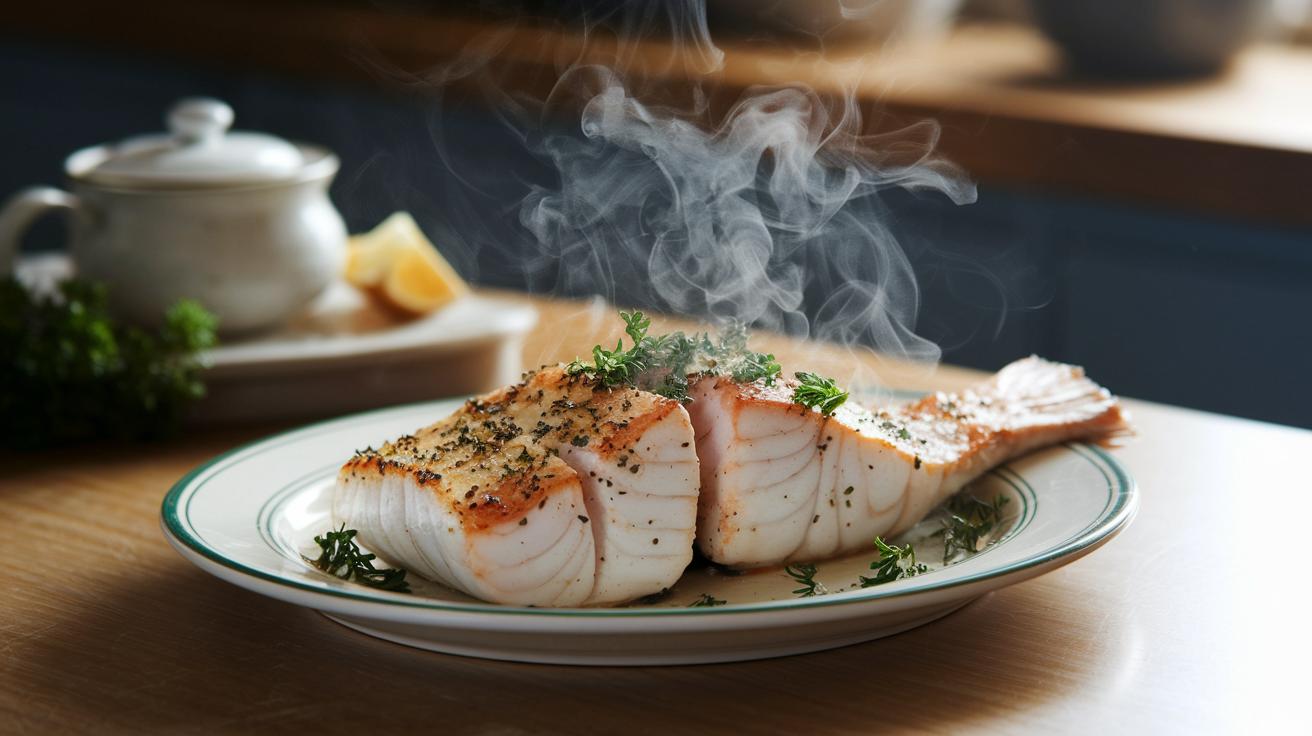
Ever notice how different cooking methods can change the calories in your fish? For instance, raw cod sits at about 82 calories per 100 grams. When you bake it, that number nudges up to around 90 calories. Grilling keeps it close to raw with roughly 85 calories per 100 grams. But when you pan-fry your cod, it jumps to nearly 140 calories per 100 grams because it picks up extra fat during frying. It's like adding a bit more flavor and richness, but you also end up with more energy on your plate.
Cooking techniques that use little or no extra fat, such as steaming or grilling, help keep your meal light and lean. If you're watching your calorie intake, dry-heat methods might be your best bet. Yet, if you're after that crispy texture and deeper flavor, pan-frying can be a fun choice, even though it bumps up the calories by about 50 to 100 extra calories per serving.
| Cooking Method | Calories per 100 g | Added Fat (g) |
|---|---|---|
| Raw | 82 | 0 |
| Baked | 90 | 2 |
| Grilled | 85 | 1 |
| Fried | 140 | 6 |
This easy breakdown shows how the method you choose can tweak your meal's overall calorie count while still keeping a burst of flavor. Next time you're in the kitchen, you might find fun experimenting with these different methods to see which one fits your taste and health goals best.
Estimating Calories by Portion Size and Serving
Think of planning your fish meal as a little balancing dance. A three-ounce cooked portion usually means your fish loses about a quarter of its weight when cooked. So if you start with 100 grams of raw fish, you get roughly 75 grams after cooking. This little trick is handy when you set up your meals. For example, a wild Atlantic salmon fillet weighing 154 grams raw will give you about 280 calories when cooked, each bite is carefully measured and full of goodness.
Picture getting ready to serve a three-ounce portion on your plate. Start by checking the raw weight, then adjust for that cooking loss. Many experts recommend having two seafood meals a week. It is not just about enjoying the taste of fish but also about hitting your calorie goals by keeping your portions just right.
Remember, if you know that cooking takes away roughly one-quarter of the weight, you can work backwards from your cooked serving to figure out how much raw fish you need. It is like having a fun little conversion secret that helps you make smart choices when shopping or cooking your favorite fish dishes.
calories of fish: Savory Diet Perks
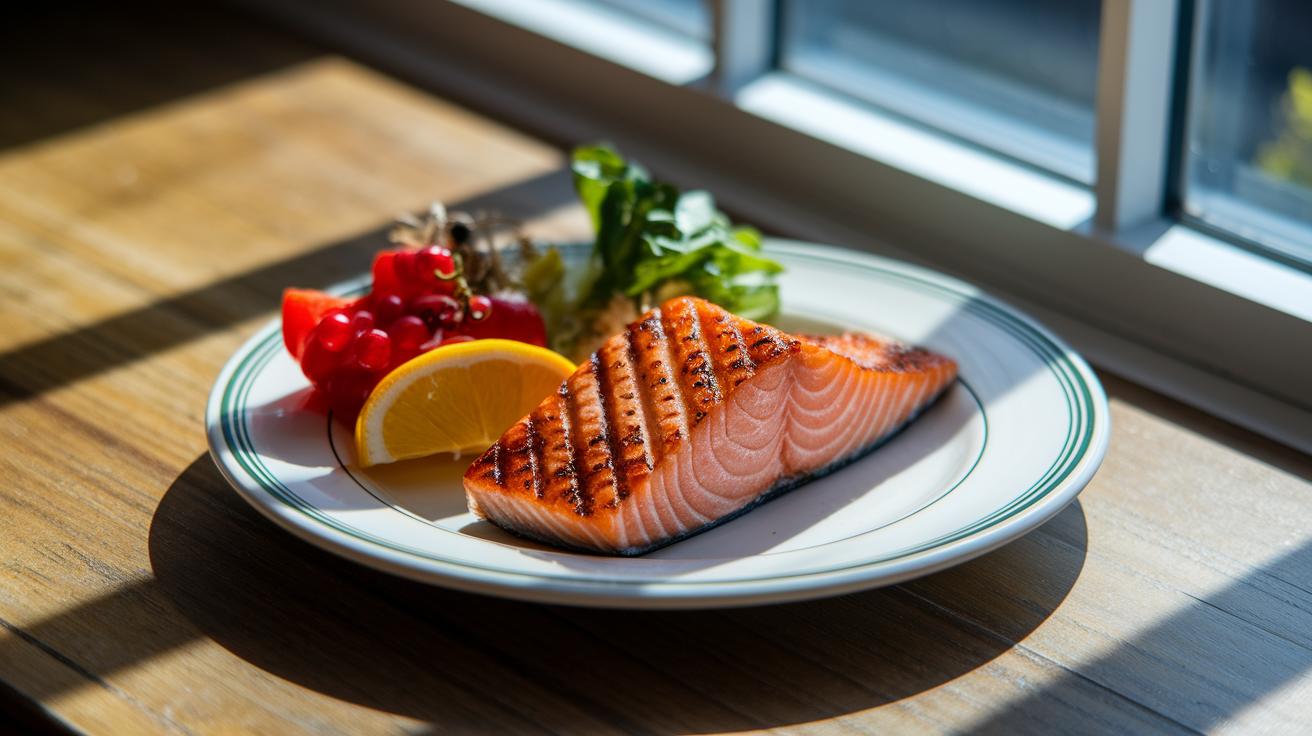
Fish isn’t just a lean protein source with low calories, it’s packed with vitamins and minerals that help keep you feeling great. Most fish carry less than 5% fat, and even the creamier varieties clock in at about 15%. They’re loaded with heart-friendly polyunsaturated fats, making each bite a refreshing burst of nutritious goodness.
B vitamins give you the energy you need to power through the day and help your body bounce back after a tough time. Meanwhile, vitamins D and A quietly look after your nerves, eyes, skin, and bones. When you enjoy a serving of salmon, it’s like letting a gentle wave of well-being lap at your senses and boost your overall health.
Omega-3 fatty acids, think DHA and EPA, are the secret heroes behind fish’s long-lasting perks. These nutrients help protect your heart, lower the risk of stroke and heart disease, and even support healthy development in little ones. Adding omega-3-rich fish to your meals is like setting up a natural safety net for both your heart and mind.
Regularly eating fish can also help keep obesity and high blood pressure at bay. Every bite you take is more than just a calorie count; it’s a step toward a balanced and fulfilling diet that nourishes you from the inside out.
Final Words
In the action, we looked at how different fish types and cooking methods shift their calorie counts. We compared lean whitefish and rich omega-3 options, shared a handy HTML table, and broke down converting raw to cooked portions.
We also touched on fish benefits beyond calories. With clear tips to balance aesthetic appeal and health, understanding the calories of fish makes planning meals enjoyable and simple. Enjoy setting up your tank and making smart, tasty choices in your aquatic care.
FAQ
Q: What are the fish calories per 100g and per ounce?
A: The fish calories per 100g vary by species, with lean fish like cod near 80–90 calories and fattier options like salmon around 140 calories. One ounce (about 28g) equals roughly one‐third the 100g value.
Q: What are the fish calories in 1 kg?
A: The fish calories in 1 kg equal about 10 times the calories found in 100g. For instance, if 100g of cod has roughly 82 calories, 1 kg would have approximately 820 calories.
Q: What is the calorie count for one piece or fillet of cooked fish?
A: One piece of cooked fish, whether a fillet or a small serving, generally ranges from about 70 to 200 calories, depending on the species and cooking method used.
Q: Which fish has the lowest calorie count?
A: The lean whitefish types such as cod, haddock, and flounder offer the lowest calories, with around 82 to 90 calories per 100g raw and under 100 calories per typical three‐ounce cooked serving.
Q: How many calories are in 4 oz of fish?
A: Four ounces of fish (roughly 113g) generally contain about 90 to 140 calories, with lean options like cod on the lower end and fattier species like salmon on the higher end.
Q: How much fish equals 200 calories?
A: For fattier fish like salmon, a three‐ounce cooked portion typically provides around 200 calories, while leaner fish might require a slightly larger serving to reach the same caloric value.
Q: How many calories are in one whole fish?
A: The total calories in one whole fish depend on its size, species, and preparation method; it’s best to calculate based on weight and use nutritional guides for accurate estimates.