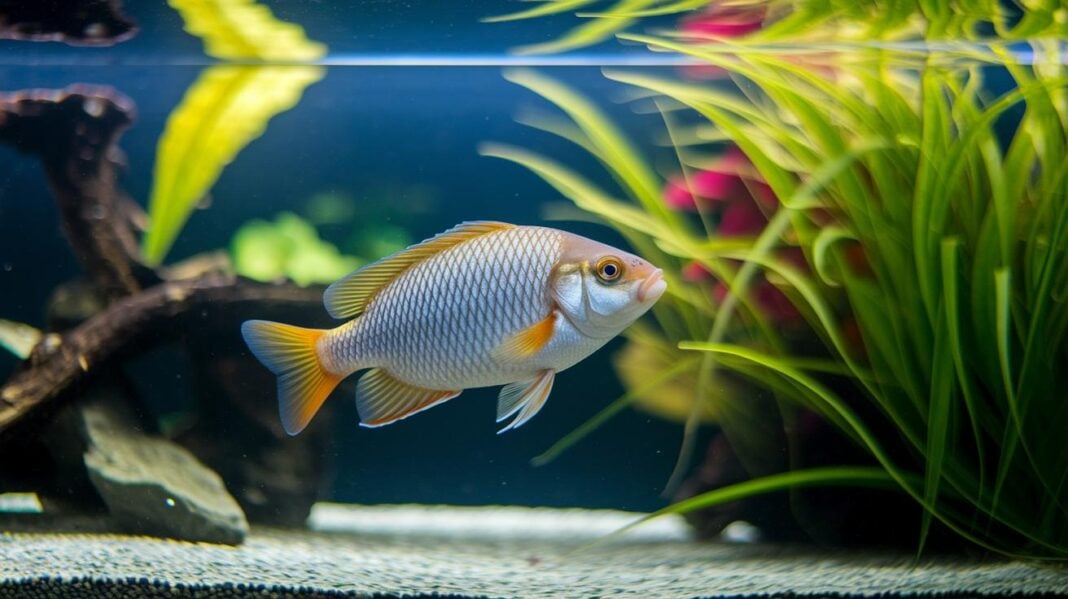

Have you noticed your fish not being their usual bright selves? Sometimes a change in color or odd swimming can be like a little splash of stress in the tank. Spotting these early hints lets you quickly give your aquarium the love it needs so your fish feel better in no time.
In this piece, we chat about the simple clues that show when your fish might be feeling off. Plus, we share easy tips to help bring back that spark. Ever see how a small change can make your tank feel like a peaceful underwater garden? Stick around and discover how to keep your finned friends happy and thriving.
Quick Reference: Top Signs of Stress in Fish
Watching your aquarium is a bit like listening to the soft murmur of water over pebbles. When your fish start showing odd signs, it could mean they’re feeling stressed and need a little extra care.
- Faded or dull coloration: A fish that once shone bright might lose its sparkle, kind of like a rainbow hidden by clouds.
- Rapid gill movement: If you notice your fish breathing much faster than usual, it might mean the water isn’t holding enough oxygen, sort of like trying to catch your breath on a brisk day.
- Gasping at the surface: When fish keep swimming to the top, they could be saying the water quality just isn’t up to par.
- Erratic swimming: Sudden, jerky movements or a fish that seems lost in the current might be reacting to a stressful environment.
- Hiding or isolation: When a normally active fish retreats to a quiet corner, it might be looking for a safe place away from the hustle and bustle of the tank.
Later sections will dive deeper into each of these signs, explaining what might be causing them and sharing simple tips to help restore peace to your aquatic home. Keep a close eye on these signals, and tinker with the tank settings if you notice any changes. Early action can make a big difference, helping your fish return to their happy, vibrant selves.
Physical Alterations: Color, Scales & Fin Damage
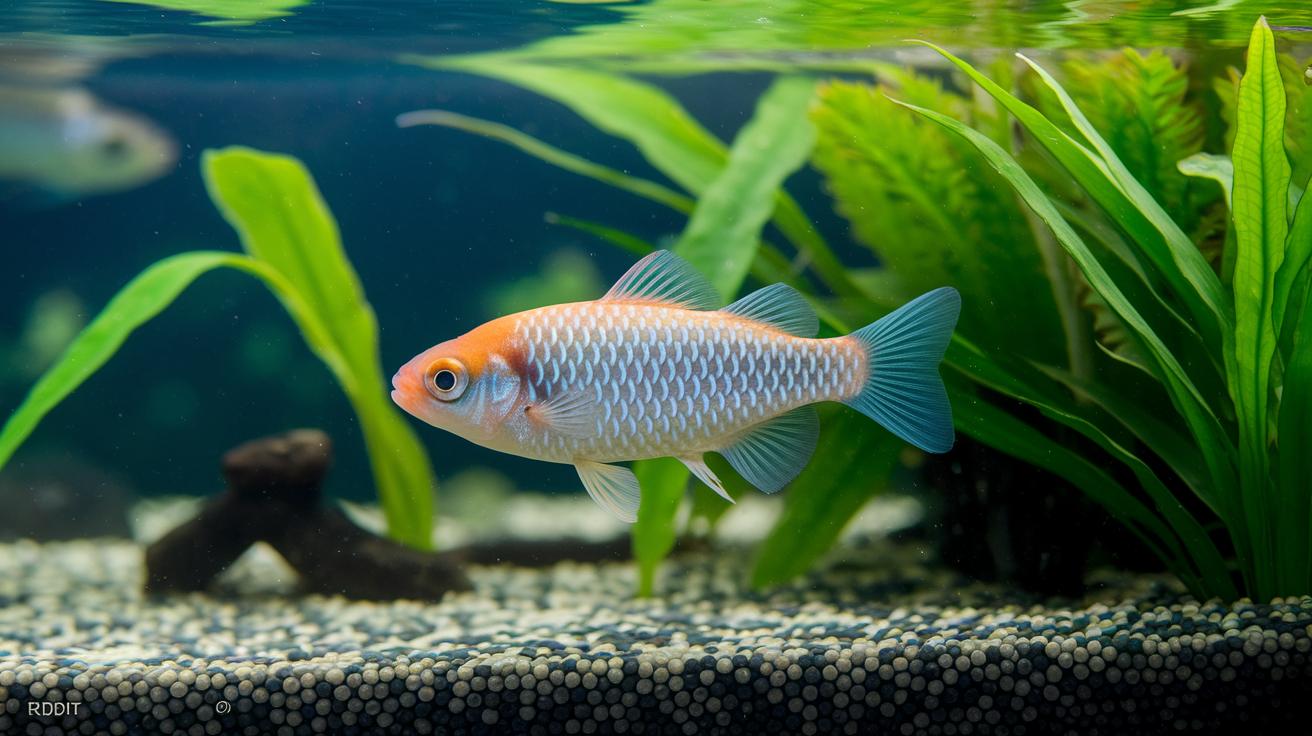
Ever notice how a fish that used to shine bright can suddenly look a little dull? When a fish turns pale or washed-out, it's like a quiet signal that something in its watery world isn't quite right. Imagine a neon tetra that once glowed like a tiny light, if it starts to fade, it’s gently letting you know there's trouble.
Sometimes, stress shows up in a fish’s scales too. If those smooth, shiny scales begin to look patchy or rough, it might be a sign that toxins or illness have crept in. It’s like seeing a beautiful armor get a few scratches, it tells you that the fish's outer protection isn’t as strong as it once was.
And then there’s the fins. When you spot red spots, fin rot, or even frayed edges, it’s a clear sign the fish is uncomfortable. You might even see a fish swimming with its fins tucked close, almost as if it’s feeling sore. These changes can come from a bacterial problem or pesky parasites leaving tiny white marks along the skin.
Sometimes you might notice extra mucus on the fish, too. It’s like the fish is trying to patch things up on its own, overcompensating for a slip in water quality or a weak immune system. Even small shifts in their watery home or a few unwanted critters can make our fish friends produce more mucus than usual.
Behavioral Changes & Swimming Pattern Irregularities
When a fish is stressed, you'll see sudden, jerky moves that catch your eye. They dart around like little boats churning through choppy waves. When your fish zips in a zigzag and then quickly stops near a rock or plant, it might be telling you that something is not quite right.
Sometimes, stressed fish spend more time near the top of the water, almost gasping for air like they can’t get enough. You might watch a fish float near the surface repeatedly, as if it's trying to catch a quick breath. This isn’t just quirky behavior, it’s a clear sign that your tank’s water might need a little extra care.
Fish that love to swim in groups might suddenly decide to be alone. You may see one slip away behind some plants or rocks, looking for a quiet corner. It’s like it’s asking for a safer, more comfortable space to relax.
Keep an eye on these little signs and consider checking your tank’s water quality. A few small tweaks might help your fish feel more at home and swim happily again.
Environmental Triggers Behind Aquarium Fish Stress
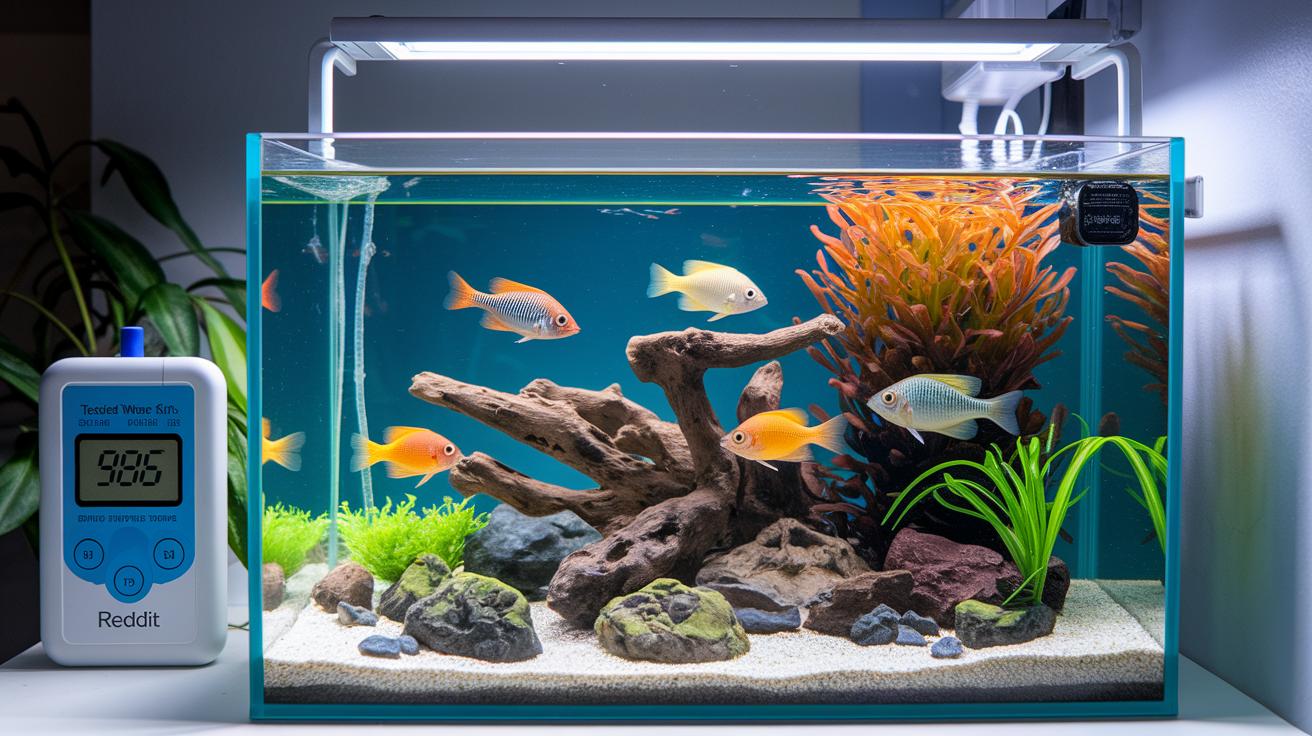
Stress in a fish tank can come from several factors in the environment. Sudden pH changes, shifts in salt levels, or strong water currents can quickly unsettle your fish. Think of it like ripples on a pond, when the water's balance changes so fast, there’s little time for your fish to adjust.
Overcrowding can make life in the tank even tougher. When too many fish live in a small space, they have less room to swim and share the oxygen. This often leads to a build-up of waste, causing spikes in harmful substances like ammonia. It’s a bit like being in a busy school hall where everyone keeps bumping into each other.
The tank’s setup also matters a lot. When there aren’t enough places for fish to hide, they can feel very exposed. Bright or harsh lighting can disrupt their natural day and night cycle. Add in loud noises or vibrations from nearby appliances or traffic, and you have a situation that feels as unsettling as a storm in the water.
Finally, poor maintenance makes things even harder for your fish. Skimping on regular cleaning encourages the growth of dangerous chemicals, making it difficult for your fish to breathe and thrive. Just like in nature, every little change adds up, so keeping a close watch on the tank can help your aquatic friends feel at ease.
Monitoring Water Chemistry to Prevent Stress
Taking care of your water is like giving your fish a warm hug. Keeping the pH in a calm range of 6.8 to 7.5 and the CO₂ below 30 ppm means your fish have a safe, cozy home. You can think of it as checking the mood of your aquarium, testing for ammonia, nitrites, and nitrates helps you spot any early signs of water trouble. And just like you wouldn’t like a sudden cold shower, fish get stressed by quick temperature changes, so using a trusty thermometer and heater is key.
Even tiny shifts in pH might seem small, but they throw off your tank’s natural balance. A good flow of air in the water is also really important. When oxygen levels drop, fish might start gasping at the top of the tank, which is their way of saying, “I need more breath!” That’s why a well-working filter shines, helping both circulation and oxygen levels stay just right.
You might also want to keep an eye on water hardness and salinity. When these stay steady, your fish don’t have to work hard to keep their bodies balanced, and that means they stay happy and healthy. Simple test kits make it easy to keep an eye on these numbers, giving you peace of mind while your aquatic pals swim around contentedly. Regular check-ups and small tweaks go a long way in keeping your fish relaxed and ready to show off their playful side.
Remediation & Best Practices for Reducing Fish Stress
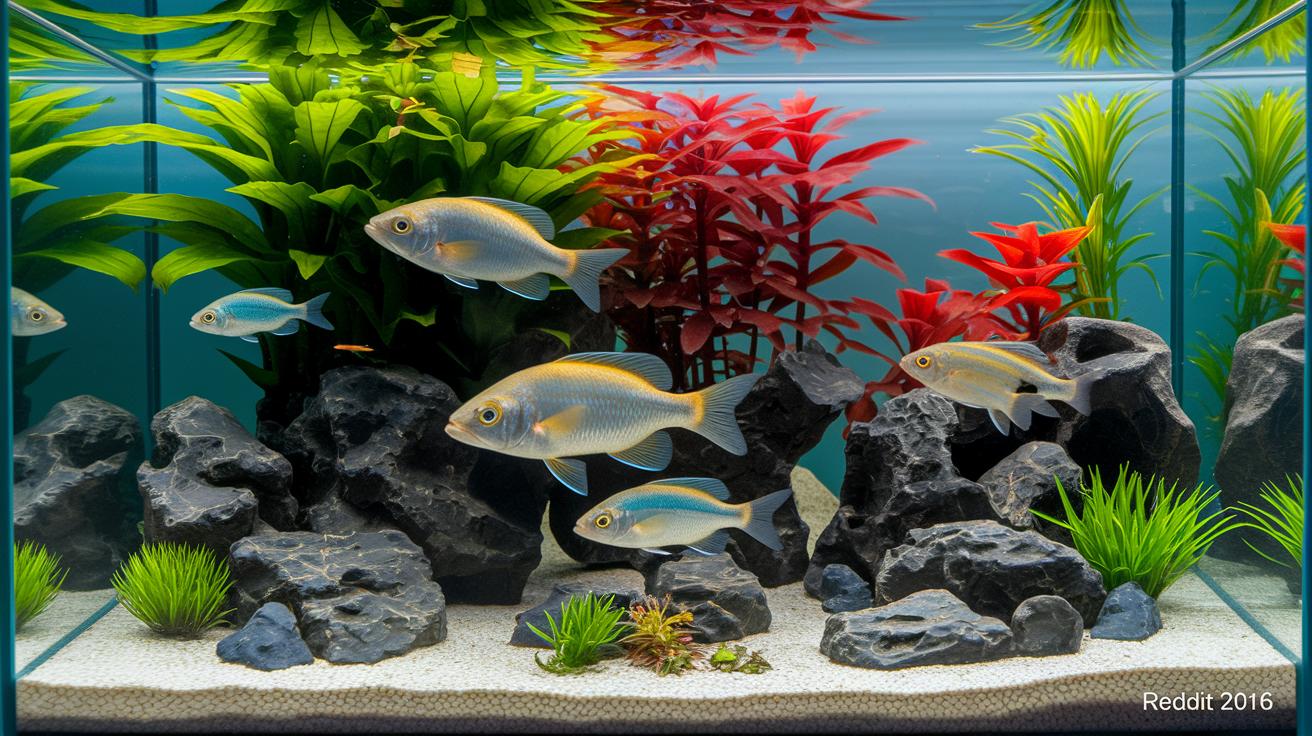
When you bring new fish home, start by putting them in quarantine until the water conditions are just right. This little pause lets them adjust gently without the shock of sudden pH, temperature, or ammonia changes, much like giving someone a quiet spot at a busy party.
Creating plenty of hideaways in your tank is a big win for your fish. Simple touches like live plants, rocks, or even a small piece of decor give them a cozy refuge when things get a bit too lively. And don’t forget to pair fish that get along; having friendly tank mates keeps the mood relaxed and stops any little turf wars.
Regular water changes and careful filter upkeep are like routine checkups for your tank. These steps help keep ammonia and nitrates low, stopping water quality from turning into a stress-inducing mess. Lower the light and reduce any nearby vibrations from appliances to create a calmer scene. Using digital monitors to check the temperature and other important details gives you real-time updates on your tank’s health.
Sticking to a proper feeding schedule helps you avoid overfeeding, which can cause water quality issues later on. And by avoiding overcrowding, every fish gets enough room to swim freely without feeling crowded or stressed. Just like planning out a balanced meal, these habits together build a healthier, more vibrant aquatic home.
Final Words
In the action of exploring fish well-being, this article has highlighted key signals like altered color and erratic swimming. It breaks down how physical changes and tank conditions can influence our aquatic companions’ behavior. Each section provides clear guidance on detecting problems from water chemistry to behavioral shifts. By understanding common signs of fish stress, we can improve tank conditions and help our pets thrive. Keep tweaking your setup, and enjoy the peaceful beauty of a healthy aquatic home.
FAQ
How can I tell if my fish are stressed?
Noticing your fish, you might see faded coloration, rapid gill movement, erratic swimming, gasping at the surface, and hiding behavior. These cues signal that they are feeling uncomfortable.
How do I treat stressed fish?
Treating stressed fish begins by improving water quality, maintaining steady temperature, reducing noise, providing hiding spots, and avoiding overcrowding to help restore their balance.
What are the signs of ammonia stress in fish?
Recognizing your fish, signs of ammonia stress include rapid gill movement, gasping at the water’s surface, and erratic swimming. These indicators mean water quality should be checked and corrected.
What are some signs a fish is dying?
Observing your fish, signs they might be in distress include severe lethargy, loss of appetite, faded colors, and abnormal swimming patterns, which suggest urgent care is needed.
Can a stressed fish recover?
A stressed fish can recover with timely improvements to its environment. Restoring stable water conditions, reducing disturbances, and ensuring proper care create a path for recovery.
Which factors most likely cause fish stress?
Looking at your tank setup, factors like pH swings, overcrowding, improper lighting, and excessive noise or vibrations can cause stress by disrupting the fish’s natural balance.