

Ever thought about setting up your very own underwater paradise? Many believe that getting an aquarium kit means dealing with a ton of tricky details, but it really doesn’t have to be that way.
In just one or two weeks, you can create a cozy, safe home for your fish that feels as inviting as a gentle tide on a quiet shore. This friendly guide walks you through each step and shares the right tools, almost like giving your fish a little spa day. So relax and enjoy, knowing you have trusted tips and practical advice to help you build your very own aquatic world.
Aquarium Starter Kits Overview: What Beginners Need to Know
An aquarium is like a tiny underwater world where every little part matters. When you first set up your tank, start by using a water conditioner on chlorinated tap water, most U.S. water has chlorine. This simple step acts like a safety net, shielding your fish from harsh chemicals and keeping them happy.
Getting your aquatic display up and running usually takes about one to two weeks. In that time, you gather your supplies, set up the equipment, and let nature do its thing by growing good bacteria in your tank. Most beginner kits include a tank that holds between 20 and 50 gallons, plus easy-to-install filters, heaters, and lights. Even though you might spend around $200 on a kit, it’s a worthwhile investment to create a healthy home for your fish.
Many kits also come with clear diagrams and visuals that show you exactly where each piece goes and how the water flows. This step-by-step guide makes the setup process feel more like a fun project than a daunting chore. For more details, you can check out the Fish Tank for Beginners. With the right starter kit, you’ll have everything you need to build a warm and inviting aquatic world that your fish will love.
Essential Equipment Checklist for Aquarium Starter Kits

Building your very first aquarium is like creating your own little underwater world. Think of this guide as a friendly chat about the must-have tools and a few extras to make your tank a cozy home for your fish.
-
Aquarium tank (20–50 gallons)
Start with a tank between 20 and 50 gallons. For instance, a 30-gallon tank gives your fish plenty of room to swim while keeping things balanced, much like choosing the perfect bowl for a small garden. -
Sponge filter
A sponge filter is a real gem. It creates a gentle current in your tank and is super easy to clean, sort of like giving your aquarium a mini-spa treatment. -
Heater and thermometer
Pair these up to keep your water comfortably warm (around 74–80°F). Your fish will feel safe, almost as if they’re wrapped in a warm, inviting blanket. -
Lighting
Good lighting makes all the difference. If your aquarium doesn’t have plants, a built-in LED light works well. But if you fancy a lush, green display, try LED lights with a timer that mimic the soft glow of natural sunlight. -
Substrate
Choose a substrate like gravel, sand, or a plant-ready mix. Rinse it really well (skip the soap) to keep your water clear and sparkling, just like a smooth river bed. -
Water dechlorinator
This tool gets rid of any harsh chemicals in tap water. It’s like giving your water a little detox, so your fish can happily swim in a safe, clean home. -
Fish food
Feed your fish a tiny bit once a day, only enough that they can eat it in about one minute. This helps avoid leftover food, keeping your tank neat and your fish healthy. -
Aquarium hood/cover
Lastly, an aquarium hood or cover is key. It helps keep the temperature steady, reduces evaporation, and adds a layer of protection, much like a gentle roof over your underwater haven.
Step-by-Step Setup Guide for Your First Aquarium Starter Kit
First off, pick a safe, sturdy spot for your aquarium. Look for a flat, waterproof surface that can hold at least 10 pounds per gallon. Imagine setting up your little underwater world on a countertop that’s as solid as a rock.
Next, give your tank, substrate, and decorations a good rinse. This simple cleaning step removes dust and loose particles, making sure your water stays as clear as a mountain stream. It’s just like washing your plate before dinner, a fresh start for your aquatic home.
After cleaning, it’s time to install your sponge filter and heater. Place them carefully so they work together nicely, much like two friends teaming up. Then, fill your tank slowly with water that has been treated with a water conditioner. This little helper protects your fish from harsh chemicals in tap water, much like treating a delicate flower vase with care.
Finally, let your tank sit for two to four weeks to begin the cycling process. During this time, friendly bacteria grow and work hard to turn harmful toxins into safe compounds. Test the pH, ammonia, and nitrite levels regularly with simple test strips or liquid kits. Once the readings are steady, add your fish gradually, one small step at a time. Enjoy watching your mini-ocean come to life!
How to Choose the Best Aquarium Starter Kit: Capacity, Features, and Budget

When you're setting up your first aquarium, start by choosing a tank that holds between 20 and 50 gallons. This size gives your fish plenty of room to swim and helps create a steady, balanced environment where good bacteria can grow. All-in-one kits come with everything you need, filters, heaters, and lights bundled together, which makes getting started a whole lot easier. Sure, you might need to upgrade parts later if you get really into the hobby, but these kits save you time and often money in the beginning.
Price also plays a big role in picking the right kit. If you're looking to keep things simple, there are lots of budget-friendly options under $100 that do the job well. Mid-range kits, usually around $200, often bring a good mix of quality and ease of use with features like sponge filters that are simple to install and care for. And if you're after a bit more power with extra features like canister filters and fancy lighting, premium kits over $300 might be your best bet while also offering longer warranties and better support.
Here are a few things to keep in mind when choosing your kit:
- Filter type: Think about whether a sponge filter, which is easy to maintain, suits you, or if a canister filter with extra cleaning power is worth the upgrade.
- Lighting requirements: Decide if you want built-in lights just for decoration, or if you need brighter LED lights to help your live plants flourish.
- Warranty and customer support: Look for a kit that comes with good after-purchase help so you feel safe and supported.
Match your kit with your available space, how comfortable you are with maintenance, and your overall budget, and you'll be ready to create a beautiful little underwater world.
Water Care and Maintenance Routines for Aquarium Starter Kits
Keeping your aquarium happy is like watching a calm stream flow. Every day, give your heater and filter a quick look. Make sure the water stays between 74 and 80 °F so your fish are comfortable and safe. A simple morning check can catch small issues before they grow, just like noticing a gentle hum from the filter that tells you everything’s okay.
Every week, spend a little time checking your water’s health. Test levels like pH, ammonia, and nitrite using easy test strips or liquid kits. And don’t forget to change out 10–20% of the water to refresh the tank and wash away impurities. When you rinse the sponge filter, use water from the tank, not the tap; this helps keep the friendly bacteria that break down fish waste. Think of it like cleaning a small, magical ecosystem that needs every bit of care.
Once a month, treat your filter media to a deep clean or replace it entirely. This step helps avoid a bacterial crash that might make the water unhealthy. It’s a bit like tidying up your room after a busy week. These regular routines keep your aquarium safe and ensure your fish stay happy and healthy. Enjoy the rhythm of caring for your underwater world!
Troubleshooting Common Aquarium Starter Kit Issues
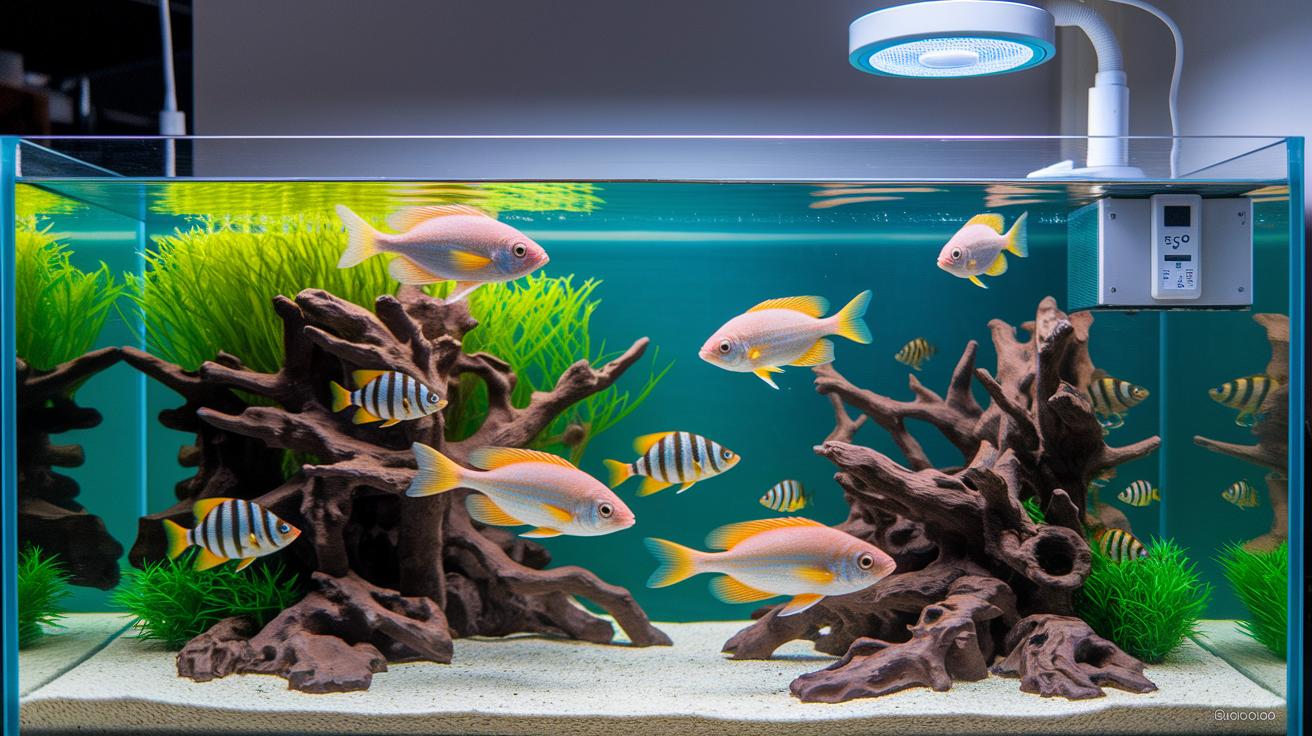
Starting out in your aquarium adventure can feel a bit like setting sail on a calm river that suddenly gets a few rapids. You might notice the water getting cloudy, and that’s usually because the substrate wasn’t rinsed well or there’s a sudden bloom of bacteria during the cycling process. Sometimes, a quick partial water change of about 10–20% does the trick. Fun fact: before Mark learned about the importance of rinsing the substrate, he thought his murky water was just part of the process. It turned out that a good rinse can make your tank shine like a clear mountain stream!
Algae overgrowth is another common bump in the road. Too much light or extra nutrients from overfeeding can invite unwanted algae to join the party. You might want to trim down the light duration and serve your fish only as much food as they can polish off in about a minute. It’s like giving your tank a little spa day to keep things in balance.
Temperature swings can also ruffle your aquarium’s calm. If your heater isn’t working properly or your tank doesn’t have a cover, your water might fluctuate too much. Keeping the water steady between 74 and 80°F is just the cozy comfort your fish need. Make sure your heater is up to the task, and don’t forget a lid to help hold in the warmth.
Sometimes, cycling setbacks crop up, too. Persistent ammonia spikes are usually a sign that those helpful bacteria haven’t quite settled in yet. In such times, feeding less or adding a dose of bottled beneficial bacteria can help bring harmony back to your underwater world.
| Issue | Cause & Fix |
|---|---|
| Cloudy Water | Poorly rinsed substrate or a bacterial bloom; try a 10–20% water change. |
| Algae Overgrowth | Excess light or extra nutrients; reduce light time and avoid overfeeding. |
| Temperature Swings | Faulty heater or missing lid; check your heater and add a cover. |
| Cycling Setbacks | High ammonia levels; cut down on feeding or add good bacteria. |
Stay patient, keep an eye on your water, and enjoy watching your aquatic world settle into its natural rhythm.
Top Beginner-Friendly Aquarium Starter Kits: Recommendations and Comparisons
When you're just starting out on your fish-keeping journey, choosing the right kit can feel like finding a perfect swim buddy. One great option to consider is the all-in-one Kit A. With room for 20 gallons, it comes with a sponge filter that acts like a bubbly heartbeat, a heater to keep the water cozy, LED lights that shine like sunlight on rippling water, and a hood. This kit is a smart choice for a simple freshwater setup, making sure all the important parts work together smoothly.
If you’re watching your budget or have a smaller space, Budget Kit B might be just what you need. Its 10-gallon tank is paired with a cartridge filter, a basic heater, and LED light, making it perfect for a dorm room, desktop, or any place where space is precious.
For those who dream of a vibrant underwater garden brimming with live plants, Planted Kit C fits the bill. This kit features a 30-gallon tank with a built-in CO₂-ready light, a substrate tray to help plants settle in, and a sponge filter to keep the water clear. The setup helps your plants thrive, creating a lively aquatic scene that grows along with your passion for greenery.
If you’re aiming for a kit that leaves room to grow and upgrade as you get more experienced, Premium Kit D is an excellent match. With a spacious 40-gallon tank, it comes complete with a canister filter, a digital heater/thermometer combo, and full-spectrum LED lights. This kit brings top-notch features to your fingertips, setting up an aquarium that can evolve as your skills and dreams do.
| Kit Name | Capacity | Components | Price | Best For |
|---|---|---|---|---|
| All-in-one Kit A | 20 gal | Sponge filter, heater, LED light, hood | $150 | Basic freshwater setups |
| Budget Kit B | 10 gal | Cartridge filter, basic heater, LED light | $80 | Compact dorm or desktop use |
| Planted Kit C | 30 gal | CO₂-ready light, substrate tray, sponge filter | $220 | Starter for live plants |
| Premium Kit D | 40 gal | Canister filter, digital heater/thermometer, full-spectrum LED | $350 | Room for upgrade |
Final Words
In the action of setting up your first aquarium, we explored everything from selecting the right kit to mastering daily care. We shared clear steps on equipment placement and water care routines while tackling common issues many beginners face. This complete beginner's guide to aquarium starter kits gives you simple advice for creating a beautiful, healthy underwater world. Let the calm rhythm of your tank inspire each step as you build a personal aquatic haven, enjoying every moment watching your ecosystem thrive.
FAQ
What does a complete beginner’s guide to aquarium starter kits and starting a fish tank for beginners include?
The guide outlines key equipment, proper water conditioning, and simple setup steps to help beginners create and maintain a balanced freshwater ecosystem.
How do I set up a freshwater aquarium with live plants or a tropical fish tank for the first time?
Setting up a tank for live plants or tropical fish involves careful placement of equipment, thorough rinsing of substrates, and a slow fill with conditioned water as you patiently cycle the system.
What is the best starter fish for beginners in a freshwater aquarium?
For beginners, hardy fish like guppies or tetras work best because they adapt well to changes, making them ideal for a newly established freshwater aquarium.
How long should I let a new aquarium sit before adding fish?
You should wait 1–2 weeks with the tank cycling to allow beneficial bacteria to develop and water parameters to stabilize before adding fish.
What do I need to buy to start an aquarium?
To start an aquarium, you need a tank, filter, heater, lighting, substrate, a dechlorinator, and fish food, along with optional accessories like a hood to safeguard temperature and reduce evaporation.