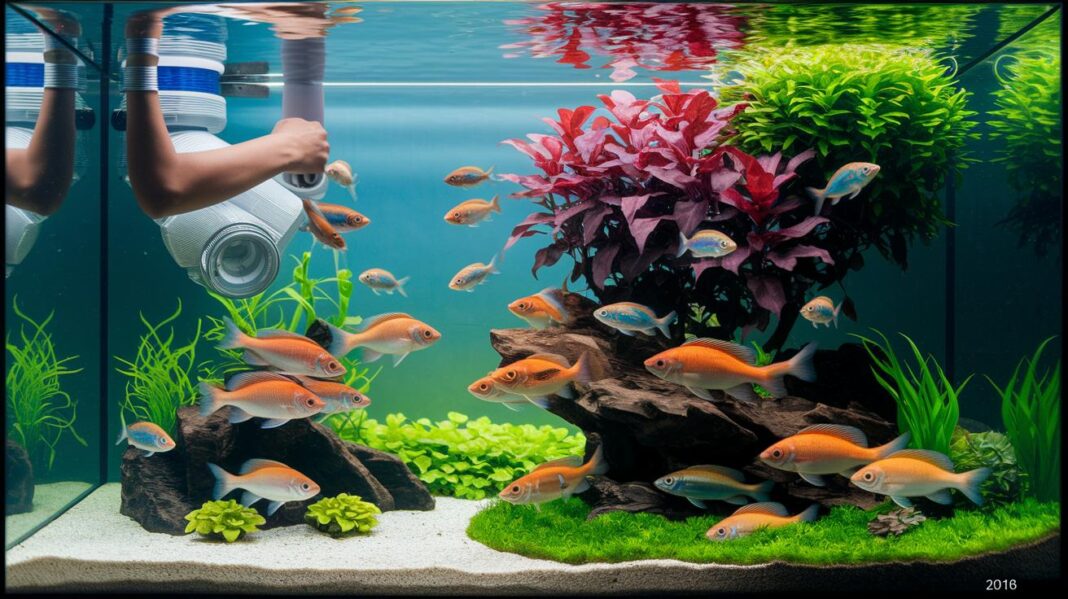

Have you ever thought about how fast your aquarium's water could turn into a bit of a mess if it's not cared for properly? Both fish and plants release waste that can disrupt the calm of your tank faster than you might expect. Even a tiny burst of unwanted substances can stress your aquatic pals. Simple steps, like feeding just the right amount and clearing out debris, can help bring back that steady rhythm. Keeping an eye on the bioload is really the secret to creating a peaceful and healthy underwater home.
Essential Techniques for Controlling Bioload in Aquarium Ecosystem
Bioload is simply all the waste produced by your fish, invertebrates, and even plants. This waste includes tricky substances like ammonia, nitrites, and nitrates that can upset the calm of your underwater world. Did you know even a tiny rise above 0.02 mg/L of ammonia can really stress out your fish and send your water quality swirling downwards?
When too much waste builds up, it can make the water feel off. This extra burden can cause little shifts in pH and create stressful conditions for your aquatic friends. Imagine a filter trying its best to keep everything in balance while tons of waste pile up; soon, even the best filter gets overwhelmed, making it hard to keep nitrates low and sludge in check.
One simple trick to help your tank is using mechanical debris removal. Think of it like using a kitchen strainer to catch food bits before they spoil. Sponge filters or undergravel systems act as that handy strainer, catching solid waste before it has a chance to break down and affect the water.
Another cool tip is to rely on nature’s own cleaners, nitrifying bacteria. These tiny helpers settle on bio-media and work nonstop to change harmful ammonia into less dangerous nitrites, and then into nitrates. It’s like having a crew of microscopic janitors creating balance in your tank, keeping everything just right for your fish.
You can also try chemical adsorption combined with smart feeding habits. Using activated carbon or resin in your chemical filters can grab those dissolved toxins right out of the water. Plus, by feeding your fish only what they can gobble up in a couple of minutes, you avoid leftover food that might decay and bump up the waste.
Mixing these techniques together helps form a balanced aquatic haven. Clear water, steady pH, proper hardness and a good amount of oxygen make your tank a calm and safe space. It’s all about thoughtful care that not only manages waste but also keeps algae in check, ensuring that your underwater world remains a peaceful retreat.
Integrating Mechanical, Biological, and Chemical Filtration to Manage Bioload
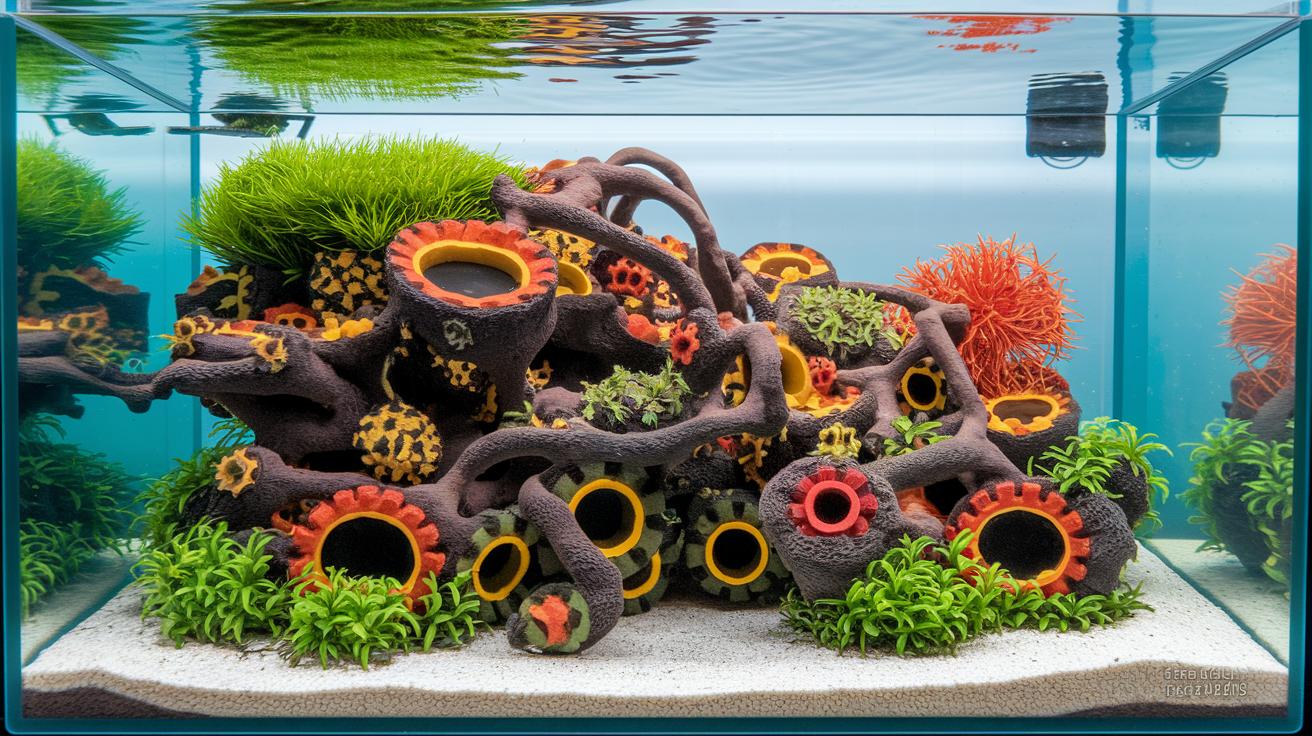
A well-planned multi-step filter system is like having a team of little helpers keeping your tank peaceful and clean. Mixing mechanical, biological, and chemical filtration makes it easy to handle even a busy tank.
Mechanical sponges work like the kitchen strainer in your cupboard, catching solid waste before it can start to break down. Then, bio-media like ceramic rings or bio-balls offer a cozy home for helpful bacteria. These bacteria change dangerous ammonia into gentler nitrites and nitrates, making the water friendlier for your fish. Finally, chemical filtration, using activated carbon or special resins, zooms in on dissolved toxins, giving your water that extra sparkle.
Did you know a well-sized canister filter can process up to six times your tank's volume every hour? It’s amazing how quickly it removes harmful ammonia, keeping the water safe and fresh.
| Filter Type | Function | Maintenance Frequency | Ideal Bioload Capacity |
|---|---|---|---|
| Mechanical Sponge | Traps solid waste | Backwash every 4-6 weeks | Low to moderate |
| Bio-Filter Media | Hosts nitrifying bacteria | Inspect monthly, replace as needed | Moderate |
| Activated Carbon | Removes dissolved toxins | Replace every 4-6 weeks | Moderate to high |
| Protein Skimmer | Extracts dissolved organics | Maintain as per usage | High |
Each part of your filter system plays a big role. For instance, if your canister filter slows down because it’s overloaded, it might not remove ammonia as fast. That’s why regular cleaning and checking are key to a happy tank.
Many aquarium enthusiasts mix filter types, like undergravel and canister filters, to match their tank’s size and waste levels. In marine tanks, protein skimmers add an extra layer by whisking away organic compounds before they can cause trouble.
Taking time to monitor and care for each part means your entire system works smoothly, keeping your fish content and your water crystal clear.
Routine Maintenance and Water Changes to Control Bioload in Aquarium Ecosystem
Keeping your tank clean is like giving your fish a fresh start every week. When you perform routine cleaning, you help keep the water clear and safe, protecting your aquatic friends from buildup of harmful waste. Regular water changes not only lower nitrate levels, from about 40 mg/L down to under 20 mg/L, but they also remove unwanted bits of organic matter floating around. Vacuuming the substrate takes care of any debris that might settle at the bottom, which stops the formation of gunky sludge. All of these small steps create a gentle, balanced environment where good bacteria can flourish and filters work better.
- Weekly Task: Do a 20–30% water change and use a vacuum to clean the gravel. Using special aquarium cleaning tools makes the job simpler and helps get rid of debris fast. In this way, you stop waste from building up and keep the filter systems happy.
- Monthly Task: Take a moment to check your filter cartridges or media, giving them a gentle rinse. This keeps the water flowing smoothly and helps maintain the community of good bacteria that keep your tank in great shape.
- Quarterly Task: Go for a deeper clean by examining your whole tank. Replace any old filter media, clean the gravel thoroughly, and review your upkeep routine. This closer look helps you spot any problems before they have a chance to affect your aquatic life.
By following this step-by-step routine, you'll enjoy consistent cleanliness and stable water quality. Isn't it wonderful how a few simple tasks can create such a harmonious home for your fish and plants?
Smart Stocking Density and Feeding Control to Reduce Bioload
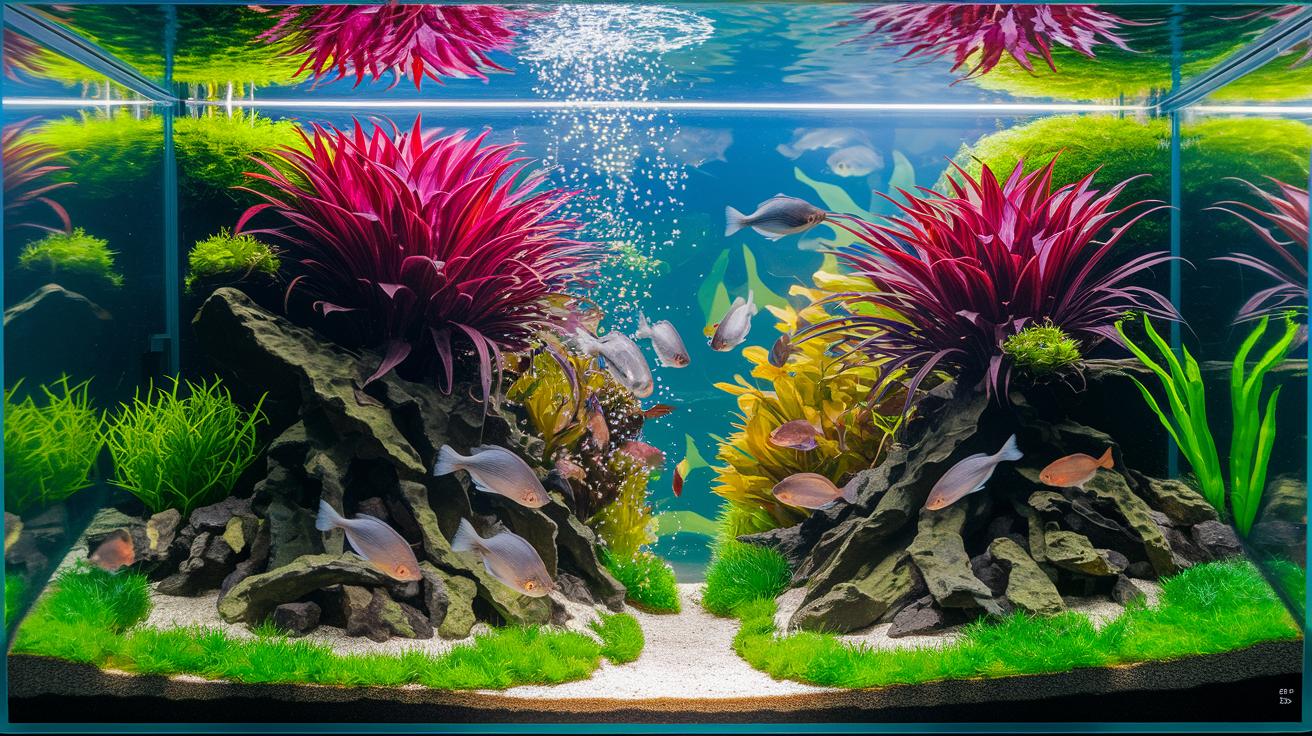
Using smart stocking ideas is like giving your fish a well-kept watery home. When you set up your tank, remember that having more than about one inch of fish per gallon can raise ammonia levels to a point that may stress your fish. Think of it like this: each fish's size and behavior matter, just as every ripple in water tells its own story. A balanced mix of bottom dwellers and mid-water swimmers helps spread out waste evenly, making it easier for your filter to work its magic.
When it comes to feeding, less is sometimes more. Aim to give your fish only as much food as they can gobble up in about two minutes. This way, you avoid extra particles decaying into harmful waste that could upset your tank's balance. By pairing careful feeding with smart stocking, you create a serene, harmonious setup that keeps your tank clear and your aquatic friends thriving.
Using Live Plants and Beneficial Bacteria for Bioload Control and Nitrogen Cycle Optimization
Live plants and friendly bacteria team up to create a well-balanced aquarium that feels almost like a hidden underwater garden. Fast-growing greens such as hornwort and anacharis soak up as much as 10 mg/L of nitrate every day for every 10 g of plant matter, cutting down extra nutrients that might otherwise cloud your water. These plants not only pump out fresh oxygen but also offer a snug home for tiny helpers, making your tank clearer and healthier overall. At the same time, adding bacterial boosts speeds up the arrival of nitrifiers, helping control ammonia spikes in new tanks by roughly 40% and ensuring the nitrogen cycle flows smoothly.
Live Plant Filtration Roles
Live plants work like natural filters. They pull nitrate right out of the water while bubbling fresh oxygen back into the mix. Their roots do double duty by both holding the plant steady and hosting all kinds of microscopic life that helps the tank stay balanced. Plus, these green friends keep organic waste in check, setting the stage for a calm and sparkling aquarium.
Bacterial Colonization Techniques
Bringing in the right bacteria is like inviting a bunch of tiny cleaning crews to your tank. These beneficial bacteria help speed up the nitrogen cycle by quickly turning harmful compounds into something safer for your fish. Hobbyists add these bacteria during the cycling process, sticking to a scheduling plan to help them grow steadily. With regular use and the right dose, these bacteria break down waste in the substrate and keep the tank’s nitrogen cycle well-managed, ensuring a happy, healthy underwater world.
Advanced Testing Procedures to Monitor and Maintain Bioload Control
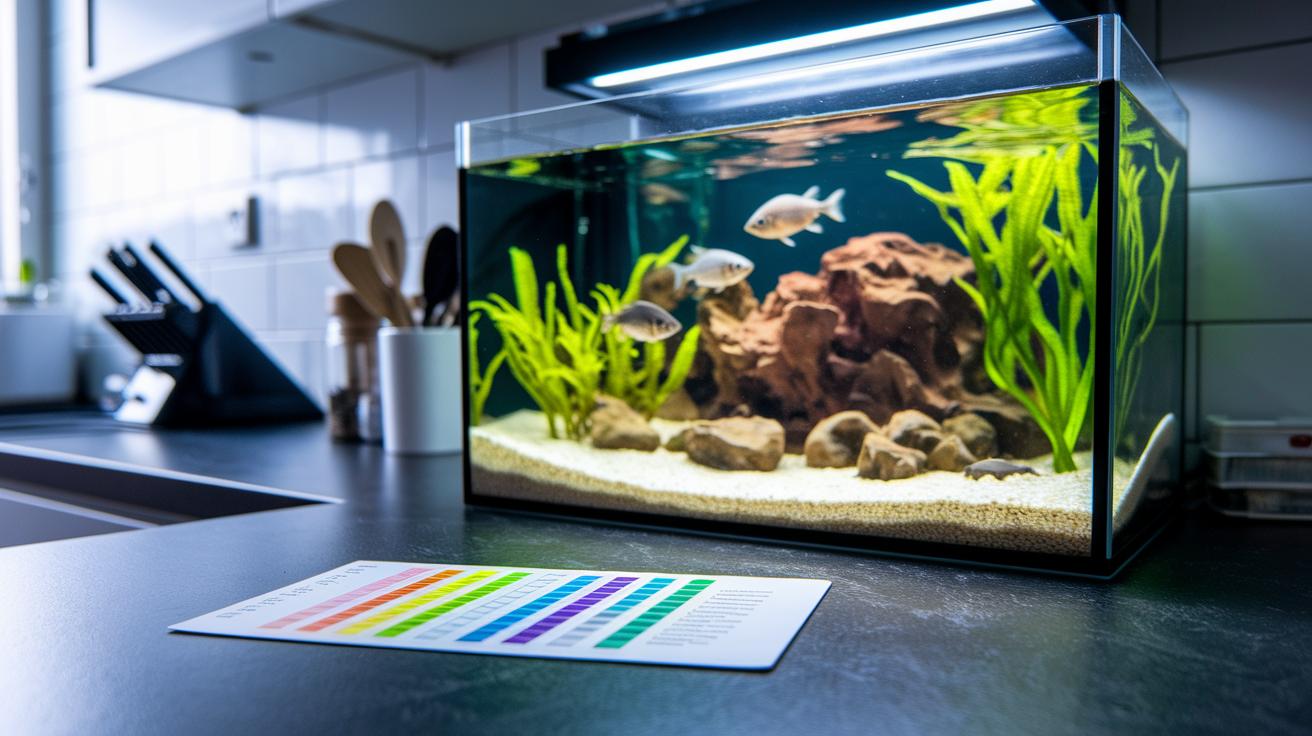
Keeping an eye on your water tests is key to a thriving aquatic home. Checking levels like ammonia (keep it below 0.02 mg/L), nitrite (should be 0 mg/L), and nitrate (under 20 mg/L) helps you stay on top of your tank’s health. It’s good to maintain a pH between 6.8 and 7.5 and water hardness around 4 to 8 dGH. Also, ensuring dissolved oxygen levels are above 6 mg/L keeps your fish happy and safe. Regular testing lets you catch any unusual changes early, so your aquatic pals remain stress-free.
Aquarium test kits with color strips are like having a tiny lab at home. They cost around $10 to $20 and give you quick readings in less than two minutes. Using these kits is simple and shows you exactly how your tank is doing. They help you monitor pH, check on ammonia removal, control nitrites, track nitrates, adjust water hardness, and even make sure the water is moving right. It’s almost like adding a little science experiment to your daily care routine!
When you notice any of these values drifting out of their safe range, it’s time to act. For instance, if ammonia climbs above 0.02 mg/L or nitrite isn’t at zero, try doing a partial water change or adding a chemical that helps lower these toxins. Sometimes, you might also need to adjust the pH and water hardness to bring the tank back to a cozy, safe state for your fish and little invertebrates.
Final Words
In the action, our guide walked us through smart stocking, routine cleaning, and using live plants to boost aquarium water quality. We explored multi-stage filtration systems and effective testing procedures to make managing waste a breeze. Each tip helps in controlling bioload in aquarium ecosystem with care and simplicity. Enjoy putting these ideas into practice, keeping your underwater space balanced and thriving. Let every improvement bring a little extra joy to your aquatic haven.
FAQ
Controlling bioload in an aquarium ecosystem reddit
Discussions on controlling bioload in an aquarium ecosystem highlight using mechanical, biological, and chemical filters along with routine maintenance to manage fish waste and maintain clear, healthy water.
Bioload aquarium calculator
A bioload aquarium calculator estimates the waste output from your fish and other inhabitants. It guides you in adjusting feeding and cleaning routines to keep your water quality balanced.
What is bioload in microbiology and an aquarium?
Bioload, in both microbiology and aquariums, refers to the total waste produced by fish, plants, and invertebrates. This waste includes substances like ammonia that need management for healthy water conditions.
How do I prevent biofilm in my aquarium?
Preventing biofilm in your aquarium means cleaning surfaces regularly, removing debris, and using balanced filtration with sufficient water movement to stop slime layers from forming.
How do I reduce algae in my fish tank naturally?
Reducing algae naturally involves managing nutrient levels using live plants, controlled feeding, and smart stocking densities, along with routine water changes that help lower excess nutrients.
How to reduce waste in a fish tank?
Reducing waste in your tank means practicing smart feeding, maintaining proper stocking, using effective filters, and performing regular water changes to lower organic buildup and keep your water clean.