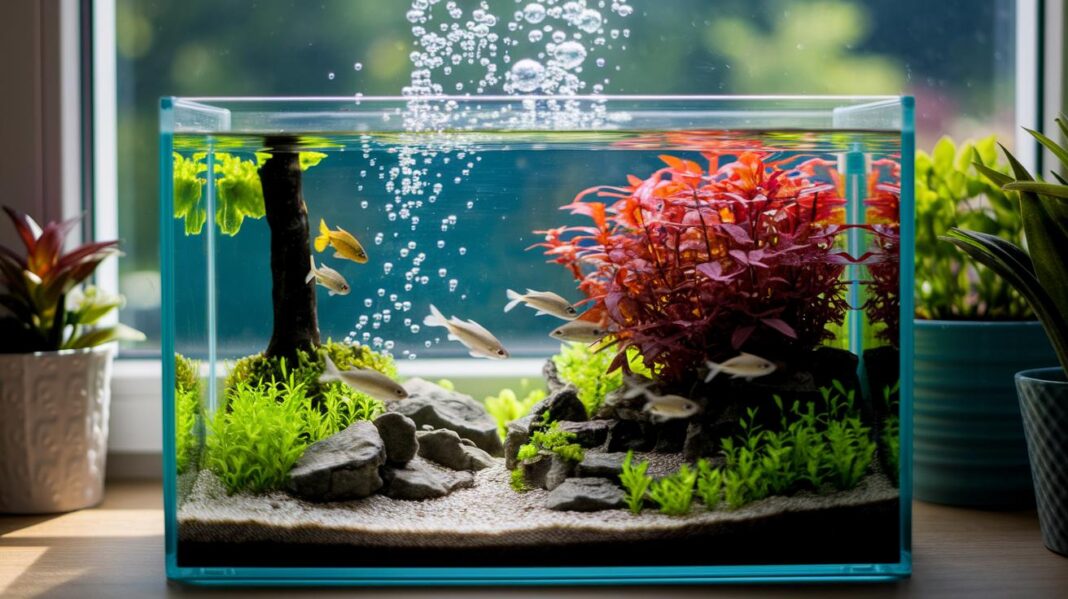

Have you ever wondered if your aquarium might take care of itself? Picture a small underwater world where nature does the cleaning for you. In this setup, friendly plants and tiny helpers work together like a team to keep your water clear and your fish smiling. The plants soak up extra waste just like soft sponges, while helpful bacteria break down any byproducts. This self-sustaining ecosystem not only makes smart use of nature’s ways but also fills your days with joy as you enjoy your little aquatic haven with hardly any upkeep.
Key Steps to Achieve a Self-Sustaining Aquarium Ecosystem
Imagine creating a little underwater world that runs much like nature itself. Start by knowing that a self-sustaining aquarium is all about balance, where living plants and helpful microbes work together. Fish waste naturally turns into ammonia, and then, friendly bacteria step in to change it first into nitrites and later into nitrates. It’s like having a natural cleaning crew right in your tank!
Plants that grow fast play a big role here. They soak up those ammonia and nitrate leftovers much like a sponge, meaning you don’t have to change the water all the time. Choose plant species that love a nutrient-rich environment; think of them as nature’s vacuum cleaners that help keep the water clear and safe for your finned friends.
Lighting is also a must-have. Use LED lights set for plant growth and adjust the light intensity for about 6 to 8 hours each day. This light lets the plants perform photosynthesis, which is a fancy way of saying they use the sunshine to grow and clean the water. It feels a bit like setting the perfect, cozy lighting in your living room.
Set up your aquarium with a base of nutrient-rich plant soil about 1.5 to 2 inches deep. This layer gives rooted plants a cozy spot to settle in, and for plants that float or grow in the water, you can add a bit of liquid fertilizer to help them out. If you add a thicker sand bed, around 2 to 4 inches, it creates special spots where bacteria can turn nasty nitrates into harmless nitrogen gas. This process is key to keeping your tank safe and balanced.
Once everything is in place, you’ll find that the upkeep is pretty minimal. Usually, all you need is an occasional water top-off to make up for evaporation. It’s a setup that lets you enjoy a beautiful tank without constant work, letting nature handle most of the cleaning.
Selecting Tank Size and Equipment for a Self-Sustaining Aquarium Ecosystem

Choosing the Right Tank Size
If you're just starting out, pick a tank that fits both your skills and the steady water quality you want to maintain. A 10 gallon tank is a friendly option for beginners, you can check one out here: 10 Gallon Fish Tank. Tanks between 10 and 20 gallons are easier to manage because they help keep the water balanced. Think of a small tank like a tiny underwater world where every space matters. It’s like designing a little home where each corner helps your fish and plants live happily.
Essential Lighting and Filtration Equipment
Now, let’s talk about getting the right atmosphere with good lighting and filtration. LED lights made for plant growth work best when set for 6 to 8 hours a day. They help your plants soak up energy and keep pesky algae in check. When it comes to keeping your water clean, your filter is your tank’s heartbeat. Whether you choose a sponge filter, a canister filter with bio media, or even a DIY option, make sure it circulates the water without overdoing it. You want to keep the helpful bacteria, which turn fish waste into something harmless. Imagine your filter as the gentle current that spreads oxygen evenly throughout your little aquatic home.
| Equipment | Purpose | Recommended Specification |
|---|---|---|
| 10 Gallon Fish Tank | Starter tank for parameter stability | 10 gallons |
| Plant-Specific Soil | Provides nutrients and anchors plant roots | 1.5–2 inches depth |
| Deep Sand Bed | Creates zones for bacterial denitrification | 2–4 inches deep |
| LED Plant-Growth Lighting | Facilitates photosynthesis and curbs algae | 6–8 hours/day, adjustable intensity |
| Filtration System | Develops an integrated biofilter and circulation | Sponge or canister filter with bio media |
Creating a Self Sustaining Aquarium Ecosystem Sparks Joy
Fast-growing stem plants like Hygrophila difformis and Rotala rotundifolia do a great job by soaking up extra nutrients. Floating plants like Lemna minor add a splash of green that keeps your water feeling fresh. These plants bring natural balance, much like a lively burst of energy in a little underwater garden.
Liquid fertilizers with NPK work wonders for plants that grow close to the surface, such as Java moss and Anubias. Think of them as a vitamin boost for your underwater pals. If you're on the hunt for quality supplies, check out aquarium plant supplies designed to keep your live plants happy and healthy.
Encouraging biofilms on your decor and substrate is another neat trick. These films serve as extra food and a home for helpful bacteria. This friendly bacterial community breaks down fish waste and naturally cleans your water, keeping everything in balance.
Aim to cover around 50 to 70 percent of your tank's surface area with plants. This helps maintain a balanced mix of oxygen and carbon dioxide, making your tank feel like a harmonious symphony where every note is in tune. When the coverage is just right, your aquarium becomes a vibrant space that truly sparks joy.
Cycling Water and Establishing a Bioactive Filter for Your Self-Sustaining Aquarium Ecosystem
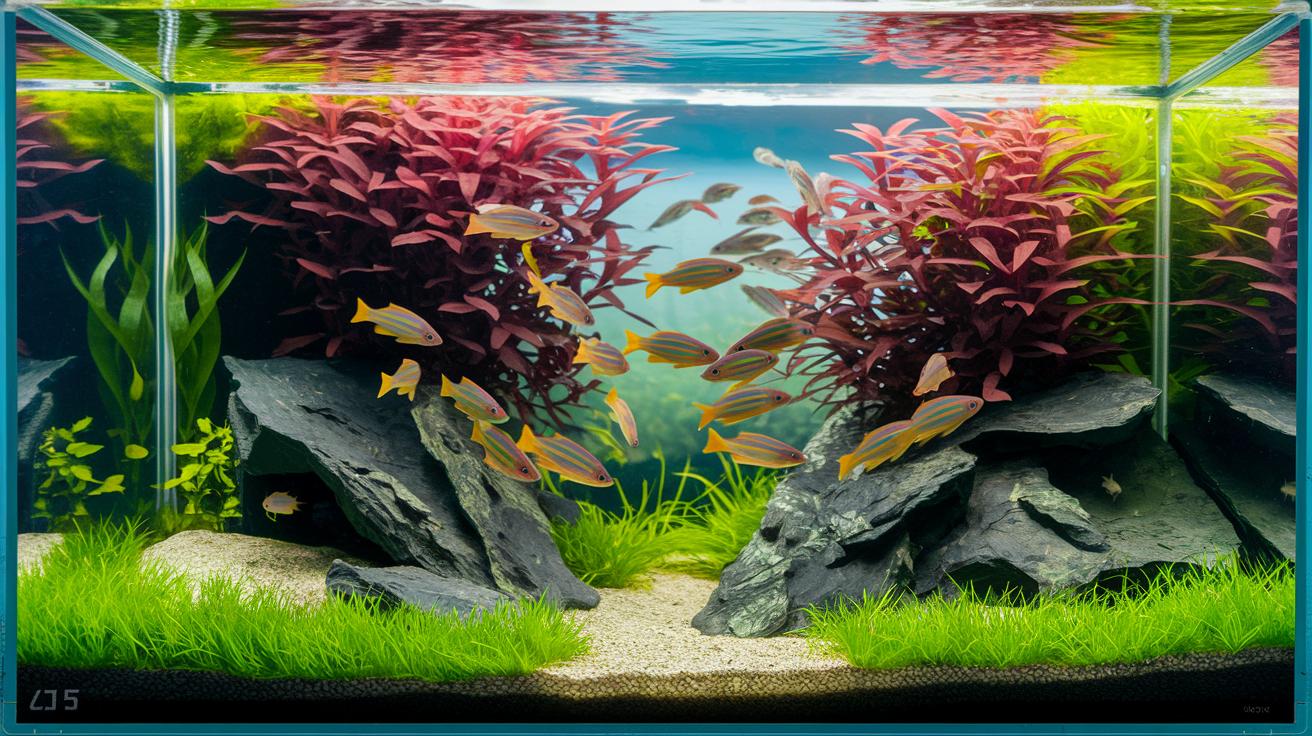
Start by building a bioactive filter. Seed both your filter media and your substrate to get a lively, natural cleaning system going. This process takes about 4–6 weeks, much like watching a school of fish work together to keep their tank clear and healthy.
Keep an eye on your water by testing it often. Aim for ammonia and nitrites at 0 ppm and keep nitrates below 20 ppm. Checking the water every few days lets you adjust the setup as needed, much like fine-tuning a favorite melody to keep everything in perfect balance.
| Parameter | Target Level | Test Frequency |
|---|---|---|
| Ammonia | 0 ppm | Every few days |
| Nitrites | 0 ppm | Every few days |
| Nitrates | Below 20 ppm | Weekly |
Stocking Fish and Invertebrates in a Self-Sustaining Aquarium Ecosystem
Start with a simple rule: one inch of fish for every gallon of water. This helps keep the tank balanced and gives every fish plenty of room to swim in clean water. It’s a bit like planning a small neighborhood where everyone plays their part.
For a lively community, try adding small schooling fish like neon tetras or danios. You can mix in bottom-dwellers such as Corydoras, which gently sift through the gravel without disturbing too much. Picture a school of neon tetras gliding by, their bright bodies adding splashes of color like little bursts of joy.
Also, think about inviting some cleanup crew members. Little helpers such as Cherry shrimp, Amano shrimp, and Nerite snails work hard to clear away leftover food and waste. Their busy work helps keep the tank naturally balanced and free from extra buildup.
During the first six to eight weeks, check your water weekly for things like ammonia, nitrite, and nitrate. If your plants are thriving, you might add a CO₂ system later to support a bit more life in the tank. This careful routine ensures every creature in your self-sustaining aquarium has a chance to flourish.
Monitoring and Maintenance for Long-Term Stability of a Self-Sustaining Aquarium Ecosystem

Regular check-ups are the secret to keeping your aquarium happy and healthy. Every few days, take a quick look at your water’s condition. You want ammonia and nitrites at 0 ppm while keeping nitrates below 20 to 40 ppm. Think of it like tuning your favorite instrument, where a perfect note makes everything sing together beautifully.
Every 3 to 4 weeks, trim your aquarium plants. It’s like giving a little haircut to help new growth flourish. And when it comes to your filter, gently rinse the media once a month using water from your tank instead of tap water. This little step helps keep the friendly bacteria that work hard to clean your water.
Don't forget to top off any lost water from evaporation. Add dechlorinated water to keep the tank’s volume steady. Picture this as pouring a refreshing drink on a hot day, keeping your fish comfortable and stress-free.
When algae starts to take over, try adjusting how long your lights stay on and remove the extra algae by hand. A thick layer of plants also helps because they use up the nutrients that algae need. If you notice any yellowing leaves or your fish look a bit off, it might be time to tweak your care routine.
- Regularly test and note your water’s readings.
- Trim plants every 3 to 4 weeks to keep them neat.
- Rinse filter media with tank water each month.
- Add dechlorinated water when evaporation lowers the level.
Taking these simple steps builds a lasting, low-maintenance haven for your aquatic friends, ensuring every part of your aquarium stays in balance over time.
Optimizing and Upgrading Your Self-Sustaining Aquarium Ecosystem
Ever think a little CO₂ injection could make waves in your tank? Try aiming for one to two bubbles each second. This gentle trick helps your plants soak up the nutrients they need, kind of like giving them a refreshing sip, which in turn keeps your aquarium balanced and thriving.
Then there are dosing pumps. Picture these as tiny chefs sprinkling in trace elements like iron and potassium on a weekly schedule. They make sure both your plants and the little critters have the extra boost to really flourish.
Aquarium controllers are also a total game-changer. These smart devices keep an eye on your tank's temperature, pH, and lighting, adjusting things automatically. This lets your aquarium run smoothly on its own, leaving you more time to enjoy watching the water ripple.
And here’s a tip about the deep sand bed, it takes a while to set up. Over a couple of years, it forms special zones that gradually change nitrates into nitrogen gas, playing a key role in cleaning your tank. When you see shrimp or fish breeding, it’s a great sign that your careful upgrades are doing the trick. Each of these improvements works together to create a beautiful, balanced, and low-maintenance underwater world.
Troubleshooting Common Challenges in a Self-Sustaining Aquarium Ecosystem
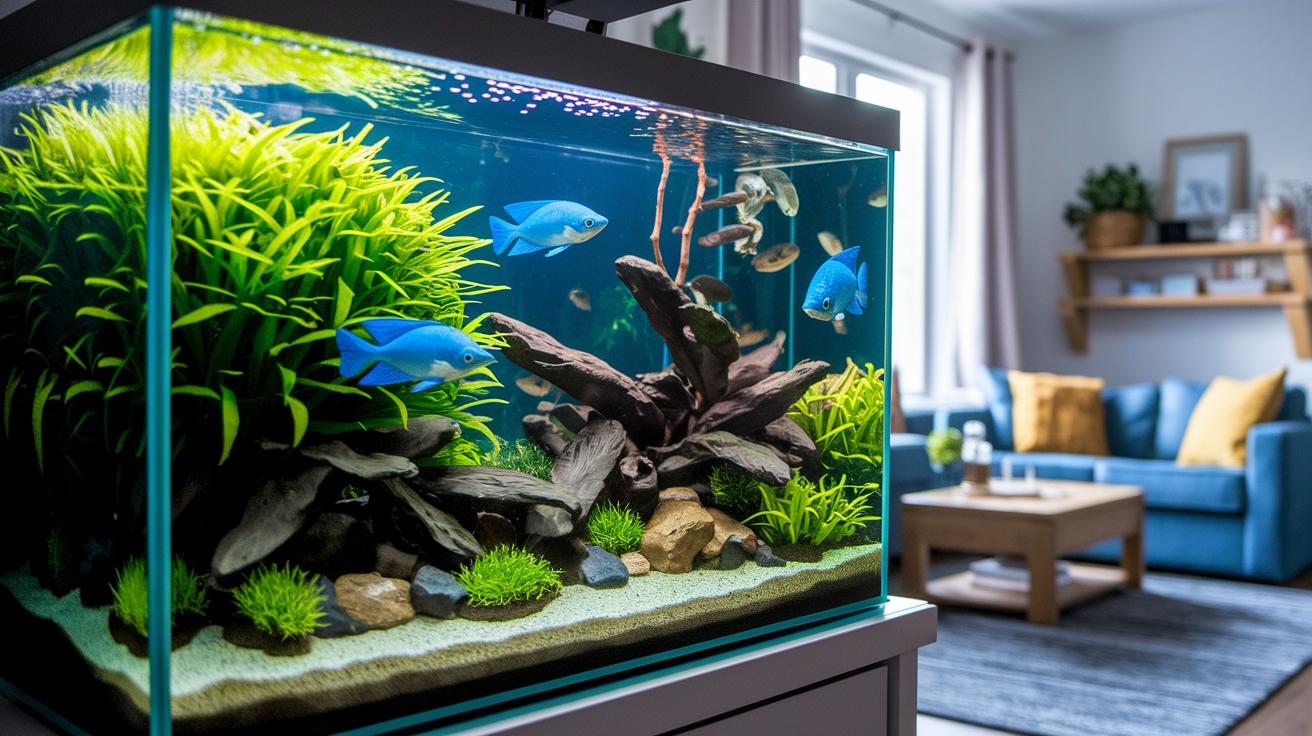
Sometimes you notice your aquarium doesn't feel quite balanced. You might see an algae bloom when there's too much light or extra nutrients floating around. I’ve found that cutting down the light hours or adding fast-growing plants helps keep that algae under control.
If you see curtains of algae forming, try switching up your lighting and let your plants compete for those nutrients. It’s like a little tug-of-war in your tank, and it usually works out nicely.
Another common hiccup is when plants start to fade. Look out for droopy or discolored leaves as early warnings. Removing these sad parts quickly stops decaying bits from causing ammonia spikes, which can stress your fish.
I always give my tank a quick check now and then. This little routine helps keep everything running smoothly and your fish feeling at home.
Sometimes, cleaning your filter too vigorously can wipe away good bacteria. These helpful microbes break down fish waste naturally. So, gently rinse your filter media in some tank water, and if necessary, add a bit of material from a healthy tank to bring those buddies back.
And if nitrates start climbing above 40 ppm, that's a sign to act fast. You might want to pop in some extra plants or do a partial water change to reduce the buildup. If your fish seem to be gasping, adding a bit more surface movement or an air stone can boost the oxygen flow in your tank.
| What to Do | How It Helps |
|---|---|
| Adjust light cycles | Controls algae growth |
| Trim dying plant parts | Prevents ammonia spikes |
| Gently clean filters | Protects good bacteria |
| Add more plants or change water | Lowers nitrate levels |
Taking these simple steps can help you create a balanced, eco-friendly aquarium where both fish and plants thrive.
Final Words
In the action of designing and maintaining a dynamic aquatic habitat, we explored key steps like selecting the right tank size, choosing smart equipment, integrating thriving plants, and setting up a balanced nitrogen cycle. Each element plays a role in creating a self sustaining aquarium ecosystem that mirrors nature’s calm rhythm.
These insights help establish a system that is both visually appealing and healthy for your fish. Enjoy the process of nurturing your underwater sanctuary and watch your aquatic world flourish.
FAQ
What does a self-sustaining fish tank ecosystem kit include?
The self-sustaining fish tank ecosystem kit includes the essential parts—substrate, plants, lighting, and filtration—needed to build an aquarium that mimics natural water systems with minimal upkeep.
How do you make a self-sustaining fish tank and set up an aquarium ecosystem project?
The process to make a self-sustaining fish tank involves establishing a nutrient cycle with beneficial bacteria, adding fast-growing plants, and selecting compatible fish to create a mini natural water world that cycles nutrients on its own.
Which fish are best for a self-sustaining aquarium?
The best fish for a self-sustaining aquarium include small schooling species like neon tetras and danios, along with bottom dwellers such as Corydoras that help keep the tank clean.
What are the best plants for a self-sustaining aquarium?
The best plants for a self-sustaining aquarium are fast-growing varieties like Hygrophila difformis and Rotala rotundifolia, plus floating plants such as Lemna minor that absorb extra nutrients and support water quality.
How can you create a self-sustaining aquarium in a jar?
The self-sustaining aquarium in a jar uses miniature plants, small aquatic life, and a sealed design that cycles nutrients naturally, offering a compact yet balanced ecosystem.
How do you build a self-sustaining ecosystem with animals, seal it, and help it grow?
Building a self-sustaining ecosystem with animals involves combining live plants, aquatic creatures, and proper substrates in a sealed setup, allowing natural nutrient cycles and biological processes to support life over time.
What are the three key components needed for a self-sustaining ecosystem?
The three key components include live plants for nutrient uptake, beneficial bacteria to break down waste, and a balanced aquatic environment maintained by proper lighting and substrate.
Is a self-sustaining aquarium possible?
A self-sustaining aquarium is possible by carefully balancing fish, plants, beneficial bacteria, and the physical setup so that natural cycles recycle nutrients with little additional intervention.