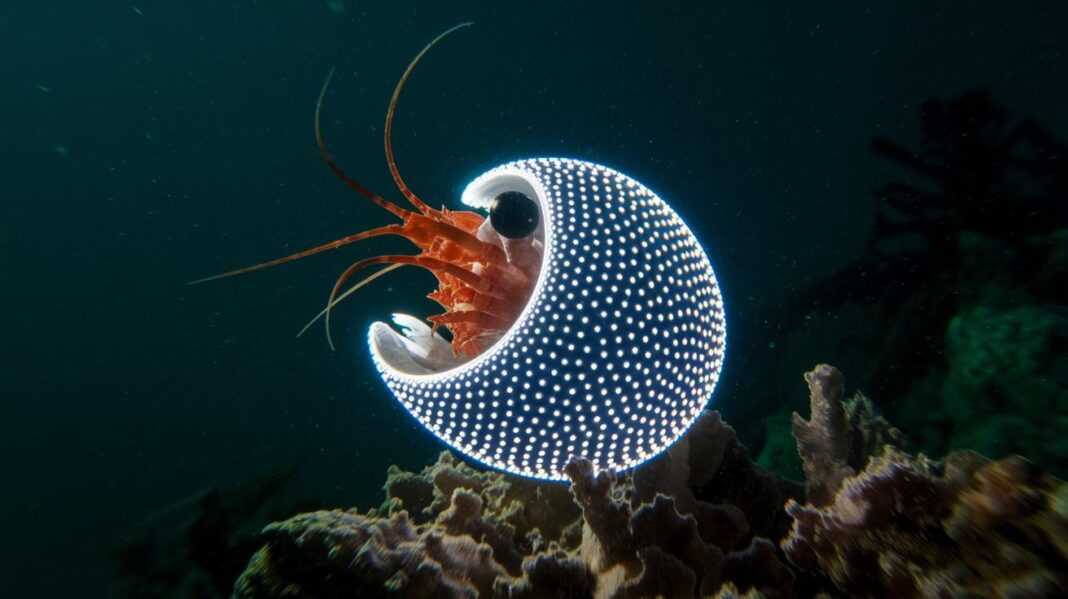

Ever wonder how some sea creatures manage to thrive in the deep, dark parts of our ocean? Let’s take a closer look at these amazing crustaceans, from tiny, glowing copepods that light up like little lighthouses to giant, rugged isopods that stroll along the muddy ocean floor. They use nature’s clever tricks to survive, much like a fish finding its way through a twisting current. In this dive into the underwater world, we’ll explore the unique lives and homes of deep sea crustaceans and see how they keep adapting and flourishing in one of Earth’s toughest neighborhoods.
Essential Biology of Deep Sea Crustaceans
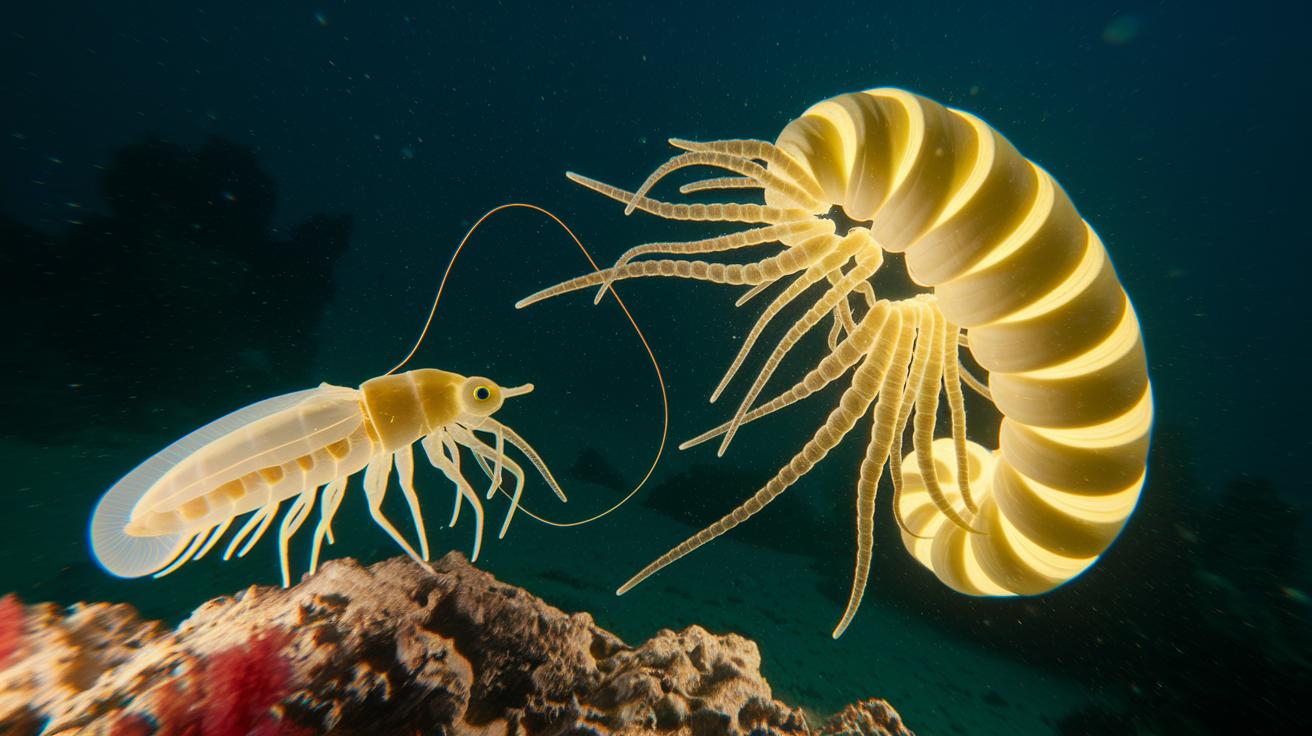
Crustaceans are part of the arthropod family, which means they have many jointed legs, paired antennae to sense their surroundings, and several types of mouthparts for different eating needs. They wear a tough, shell-like coat that keeps their insides safe. Imagine holding a mini machine made just for swimming, it’s like nature’s own underwater gadget. It’s pretty cool to see how these simple designs help them live in the wild, deep blue sea.
These creatures show off an amazing range of sizes and forms. Think of tiny copepods, just a few millimeters long, glowing softly with tiny light spots to find their way in the dark water. Then there are giant isopods, which can get as long as 76 cm! Even the smallest glowing creature boasts the same basic plan as the giant ones. It’s a reminder of nature’s wonder and clever ways to solve the problems of deep-sea life.
Crab-like decapods sport ten legs that help them roam along the ocean floor in search of food. Shrimp, on the other hand, have paddle-like arms and finely bristled mouthparts that make their filter feeding a breeze. And groups like krill play their own part by serving as a key meal for larger sea animals. Each group shows its own special tricks for moving and eating, proving that deep-sea life is full of creative solutions.
Habitat and Distribution of Deep Sea Crustaceans
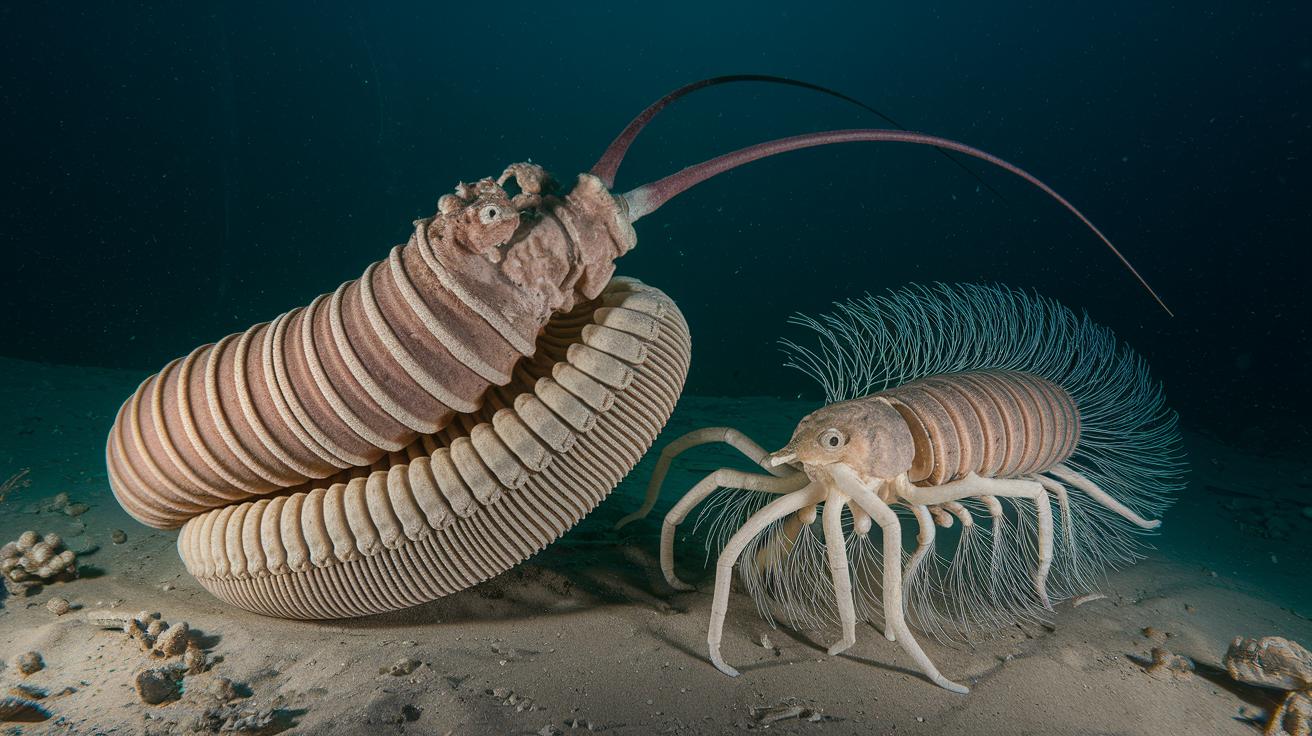
Deep sea crustaceans can be found in many different parts of the ocean. They live at all sorts of depths, from near the surface to the dark, deep waters. For example, giant isopods make their homes on muddy or sandy sea floors, found anywhere between 170 and 2,140 meters deep in the Atlantic, Pacific, and Indian oceans. And then there are amphipods, which can live in shallow coastal waters or dive down to over 10,000 meters in the Mariana Trench. One type of amphipod, Alicella gigantea, even grows larger in these deep zones! Recently, a new species called Dulcibella camanchaca was seen thriving beyond 8,000 meters in the Atacama Trench, marking a record depth for big predatory crustaceans.
What decides where these creatures settle? The answer is a mix of the sea floor type and the water conditions. Many of these crustaceans prefer soft floors like sand or mud because these offer them a natural cover and make it easier to find bits of food. Changes in temperature and pressure also play a big role. In chilly, deep waters, creatures need tougher shells and special body traits to survive. This blend of depth, sea floor texture, and climate creates unique zones along the ocean floor, giving each species a special spot to thrive even in the most extreme underwater conditions.
Survival Adaptations of Deep Sea Crustaceans
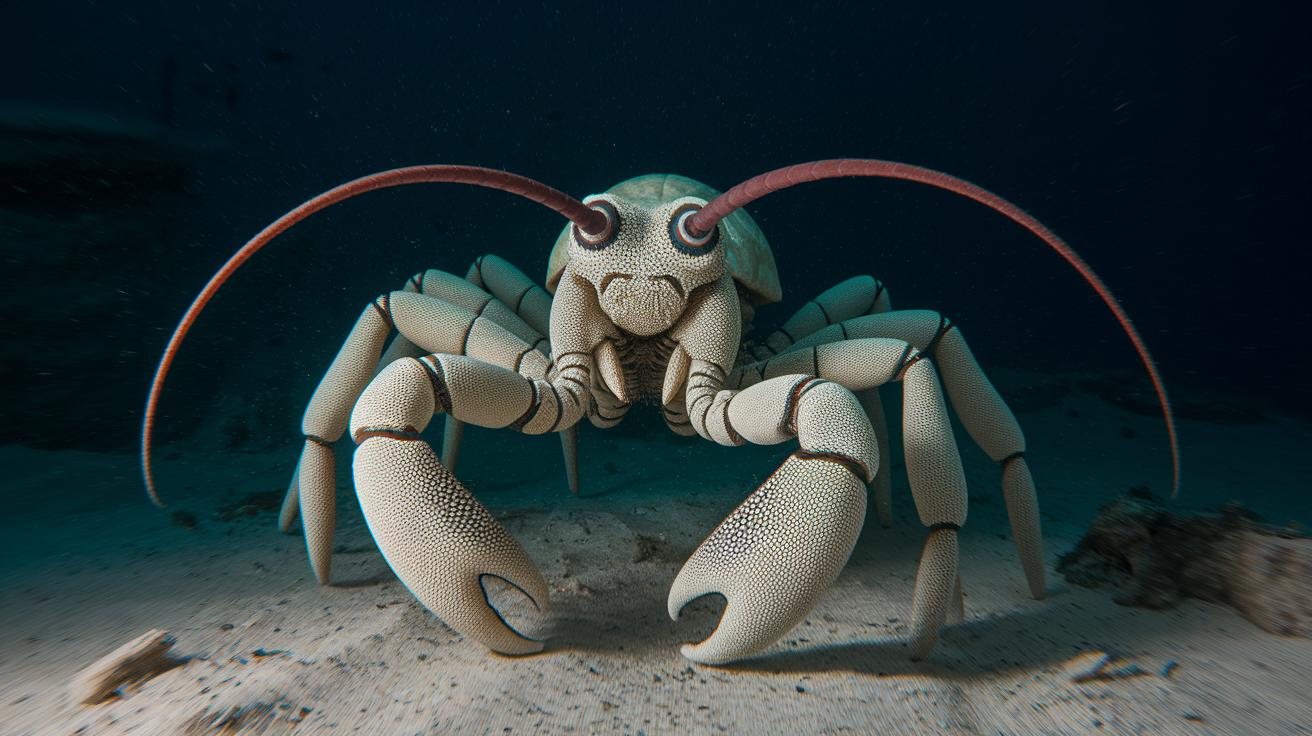
Deep sea crustaceans have come up with some really clever ways to live in the cold, dark, and heavy waters far below the surface. Take giant isopods, for example. They sport big, compound eyes that can catch even the faintest spark of light, and their tough, armor-like shells made of chitin act like a sturdy suit to keep them safe from predators and crushing pressure. It’s almost like they’ve got built-in underwater protection!
Their methods for feeding and growing are equally fascinating. Some amphipods, like Alicella gigantea, grow surprisingly large in deep waters so they can make the most of the floor of the ocean. Meanwhile, tiny copepods flash small bursts of light for communication, turning the dark into a signal-filled wonderland. And pelagic shrimp? They’ve got special filter-feeding appendages that let them catch tiny food particles drifting by, a neat trick that helps them survive in a challenging environment.
- Big, compound eyes that work well in low light
- A strong chitin armor to fend off predators and resist pressure
- Amphipods showing giant growth to use deep-sea resources effectively
- Bioluminescence and special feeding parts that capture drifting food
Taxonomy and Classification of Deep Sea Crustaceans
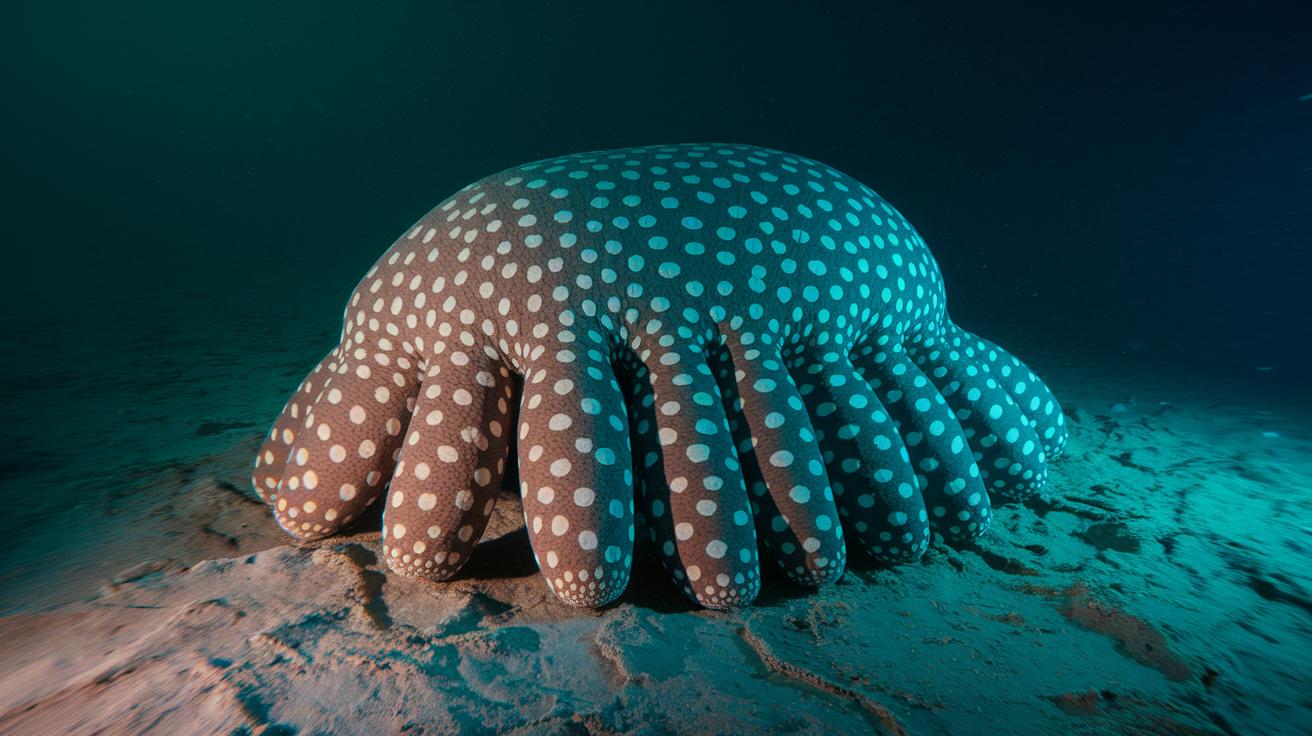
Deep sea crustaceans live in a mysterious underwater world. They belong to the subphylum Crustacea and the class Malacostraca, a group that has evolved a special design to thrive in deep, dark waters. They sport two pairs of sensory antennae along with at least three pairs of mouthparts, a bit like having a handy underwater toolkit built to help them find food and stay safe. Ever notice how each part of your aquarium setup has its own job? It’s pretty cool to think of it that way.
When we dive a bit deeper, we see that these creatures fall into different orders with unique traits. For instance, the Isopoda order includes the giant isopods. These tough fellows are built for life on the ocean floor, handling the challenges of deep-sea living with ease. Then there’s Amphipoda, which brings us species like Alicella gigantea, known for growing much larger when the pressure deepens.
Next up is the Decapoda order, home to crabs and lobsters. These critters have ten strong legs that help them move and forage along the seabed, much like the way a good aquarium filter helps keep everything in motion. Meanwhile, Euphausiacea features tiny krill, nimble swimmers that play a key role in the ocean’s food chain. And let’s not forget Copepoda, a group of minuscule, free-floating crustaceans that sometimes emit a gentle light, creating a natural underwater light show.
Fossil records even show that decapods have ancient roots dating back to the Devonian period. Back then, early crustaceans began crafting specialized mouthparts and limbs that have evolved over millions of years. These timeless adaptations remind us how nature’s creativity keeps surprising us, even in the most challenging spots on Earth.
Giant Deep Sea Crustacean Species
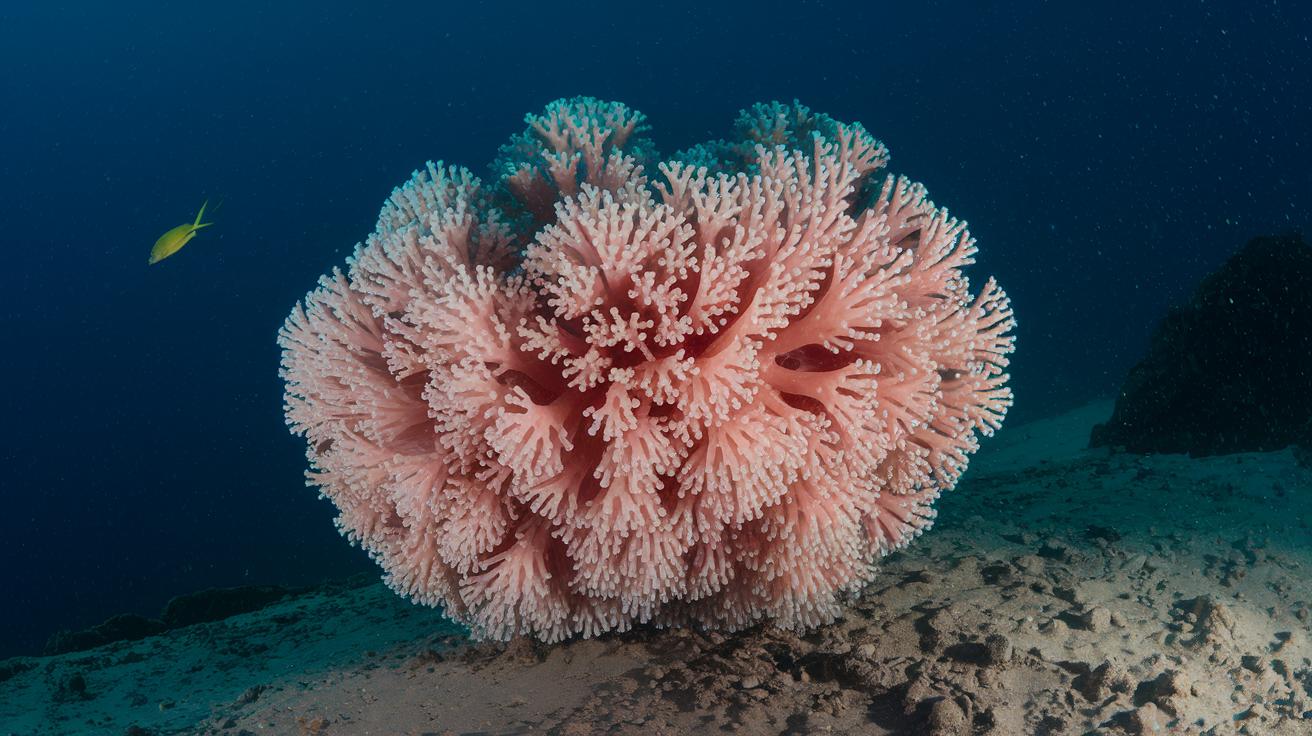
Deep-sea creatures have some amazing tricks up their sleeves. They’ve evolved in such unique ways to handle the harsh, dark world of the deep. Take Bathynomus giganteus for example, it seems to use its big body like a storage tank to hold extra energy when food is hard to find. And then there’s Dulcibella camanchaca, which has developed special hunting skills to thrive where the light barely reaches. Imagine a creature that saves energy like a secret reservoir, ready for those lean times.
These remarkable animals also play different roles in their underwater world. While Bathynomus giganteus gains an energy boost from its size, another species, Alicella gigantea, changes its body shape to better survive the crushing pressures deep down. Their unique adaptations show us how life finds a way even in the most extreme conditions.
| Species | Maximum Size | Depth Range | Unique Feature |
|---|---|---|---|
| Bathynomus giganteus | 76 cm | Up to 2,140 m | Uses its body to store energy during scarce feeding times |
| Dulcibella camanchaca | Large (unspecified) | Beyond 8,000 m | Developed special predatory traits to hunt in near-total darkness |
| Alicella gigantea | Over 34 cm | Hadal zone | Has a body shift that helps it endure high-pressure environments |
Ecological Roles of Deep Sea Crustaceans
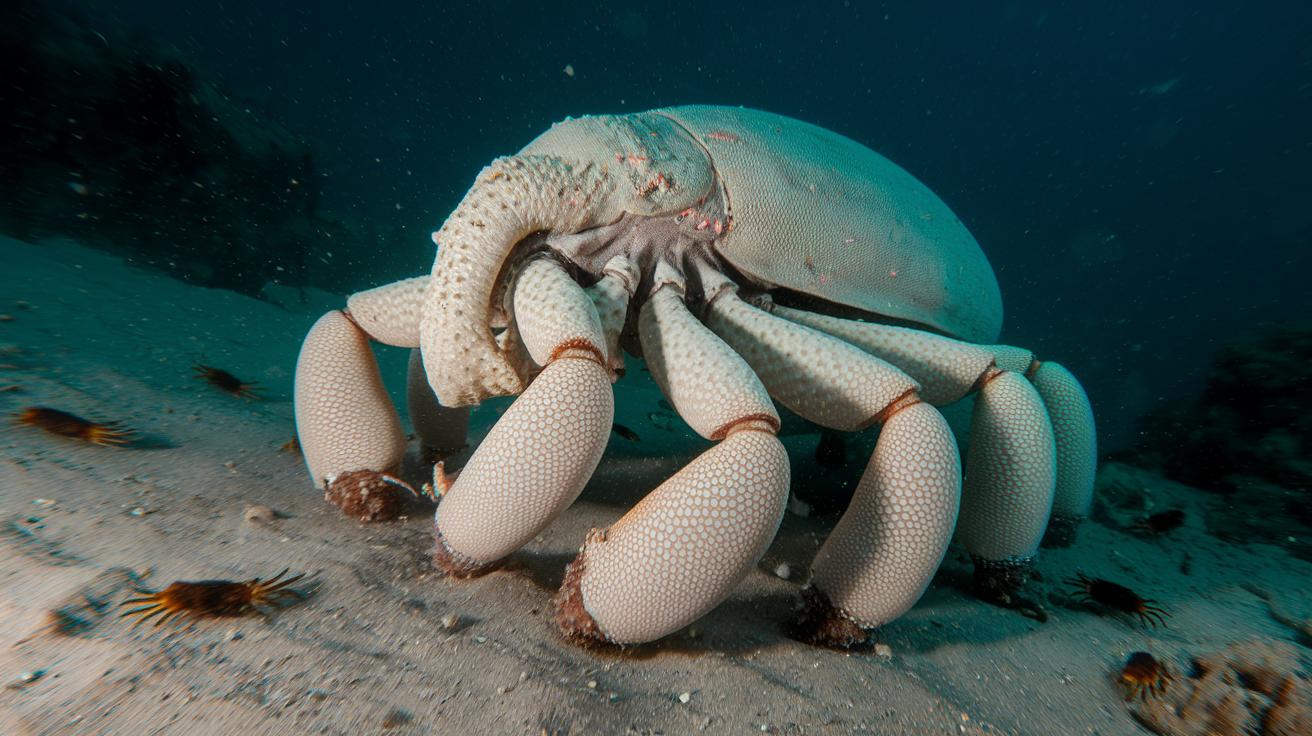
Deep sea crustaceans are nature’s little janitors, helping clean and care for the ocean floor. Giant isopods, for example, scavenge on dead whales and fish, breaking down these big meals and returning important nutrients to the water. Meanwhile, amphipods work hard every day, munching on decaying material equal to nearly all of their body weight. It’s a bit like having a trusty filter keeping your aquarium free of unwanted bits.
These critters also act like links in a long underwater chain. Imagine Antarctic krill moving in huge swarms, serving as a high-energy meal for baleen whales on their migration. Other scavengers, like decapods, take leftovers from the deep and help feed larger creatures higher up the food web. This natural cycle makes sure energy and nutrients travel along, keeping the whole deep sea ecosystem lively and balanced.
Research and Conservation for Deep Sea Crustaceans
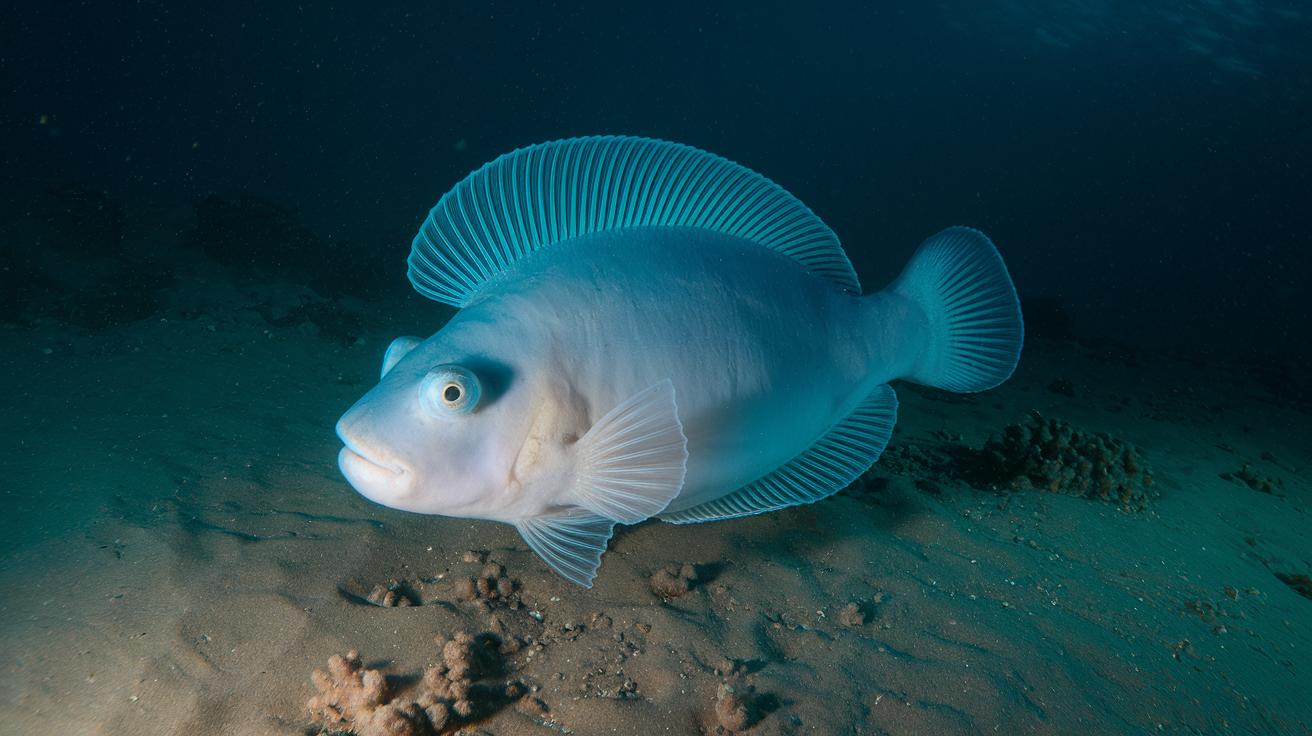
Lately, scientists have taken deep ocean trips to uncover amazing secrets about crustaceans living in the deep. They used tools like deep-sea trawls and advanced photography to capture clear images and collect samples of a species known as Dulcibella camanchaca, which lives at depths beyond 8,000 meters. With modern methods and basic genetic tests, researchers are learning how these creatures handle extreme pressure and chilly temperatures.
Storytelling through videos and scientific reports is making many people notice these underwater wonders. Ocean photography awards have showcased vivid pictures of these deep-sea critters, and that excitement is helping to boost funding for new research. This growing interest from both the public and the science community is slowly revealing more about the variety of these marine creatures and the hidden life in our deep oceans.
At the same time, challenges like climate change and deep-sea mining are causing fresh worries about conservation. Studies now show that rising water temperatures and disruptions from mining are affecting these deep habitats. While scientists continue to explore how these animals adjust with unique genetic traits, they are also reminding us that protecting these special underwater worlds is more important than ever.
Final Words
In the action, the blog post took us through the fascinating biology of these mysterious ocean dwellers. It explained their unique body parts, size range, and survival tricks, while also sharing insights on where they live and how they fit into the ocean’s food web.
We also looked at the classification and research that help us care for fish and maintain healthy tanks. Every deep sea crustacean reminds us how nature crafts extraordinary lives beneath the waves.
FAQ
What are some deep sea crustacean species?
The deep sea features species such as isopods, crabs, and shrimp. These creatures have evolved specialized body parts to thrive under high pressure and low light conditions.
What is the size range of deep sea crustaceans?
Deep sea crustaceans vary greatly in size, from minute copepods to giant isopods like Bathynomus giganteus, which can reach lengths of up to 76 cm.
What is a deep sea isopod?
A deep sea isopod, like Bathynomus giganteus, is a long-bodied crustacean with a tough exoskeleton. It is adapted to survive in extreme depths where food is scarce and pressure is intense.
What types of deep sea crustaceans exist?
Deep sea crustaceans include amphipods, decapods such as crabs and lobsters, and species resembling woodlice. Each type has unique features that help it live in the ocean’s depths.
What do deep sea crustacean fossils tell us?
Fossils of deep sea crustaceans show a long history of evolution with gradual changes in mouthparts and limbs. These records highlight how these creatures adapted to life in the deep over millions of years.
What is the new deep-sea crustacean?
The new deep-sea crustacean is Dulcibella camanchaca, a recently described large predatory species recorded at great depths in the Atacama Trench.
Do crustaceans live in the deep sea?
Crustaceans do live in the deep sea. They include various species, like crabs, shrimp, and giant isopods, that have developed special adaptations to survive in low-light, high-pressure environments.
What is the deepest living crustacean?
Some crustaceans, particularly certain amphipods, are found living in extreme depths, with records of individuals from the Mariana Trench reaching over 10,000 meters.