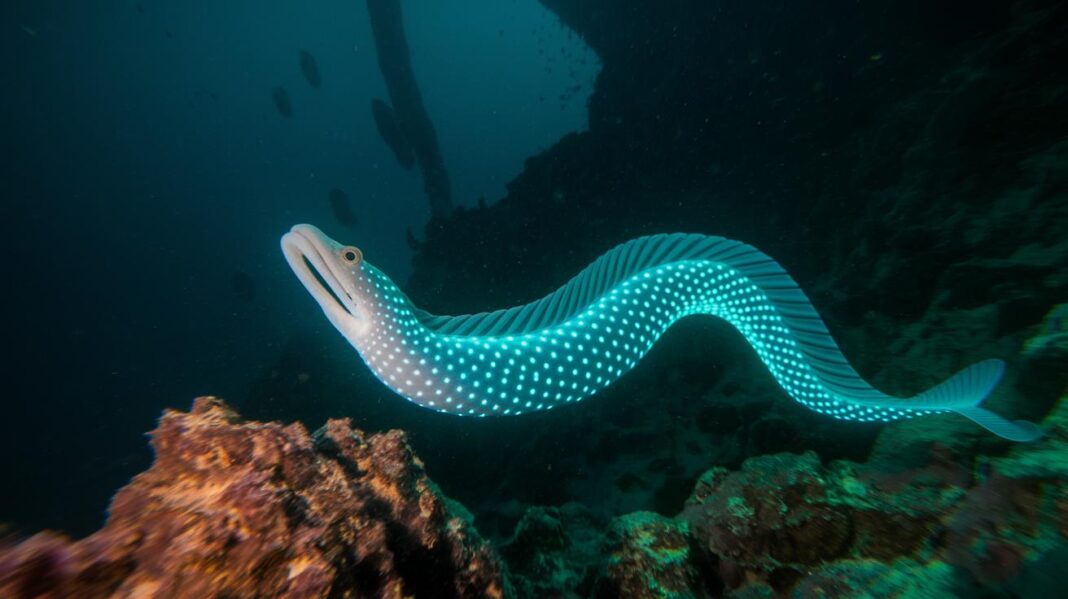

Have you ever paused to wonder how some creatures live in the deep, almost pitch-black parts of the ocean? Deep sea eels, like the pelican eel with its cool expandable jaw, show us that nature is full of surprises. They have clever body tricks that let them snap up unexpected meals and glide gracefully despite the crushing pressure of the deep waters.
Let’s dive in together and explore the special world where these amazing eels call home. Imagine the gentle ripple of water as you learn about their unique biology, it’s like uncovering a secret underwater treasure!
Comprehensive Biological Profile of Deep Sea Eels
Deep sea eels are truly remarkable creatures, especially the pelican or gulper eel from the Eurypharyngidae family. These secretive fish live in the mesopelagic and bathypelagic zones, at depths ranging from 500 to 3,000 meters in both tropical and temperate waters. Picture a hidden underwater world where every twist and turn of nature's design helps these eels thrive in near darkness.
One of the coolest features of the pelican eel is its expandable lower jaw. This jaw can stretch out to nearly a quarter of the eel's body length, almost like a flexible net that catches larger meals than you’d expect. Along with this impressive jaw, these eels have no scales or pelvic fins, and they miss out on having a swim bladder, a little organ that helps fish float. Instead, their smooth, streamlined bodies and tapering tails work like a natural design to save energy. Their small eyes are fine-tuned to catch even a faint glimmer in the deep, dark waters. Imagine a creature whose delicate eyes barely hold a trace of light, yet it balances that with clever body features.
To handle life under crushing water pressure, these eels have some neat tricks up their fins. Without a swim bladder, they depend on gentle, wave-like tail movements to glide through the deep. This special way of moving helps them conserve energy and stay steady in an environment where even the tiniest shift makes a big difference.
Submerged Habitat and Global Distribution of Deep Sea Eels
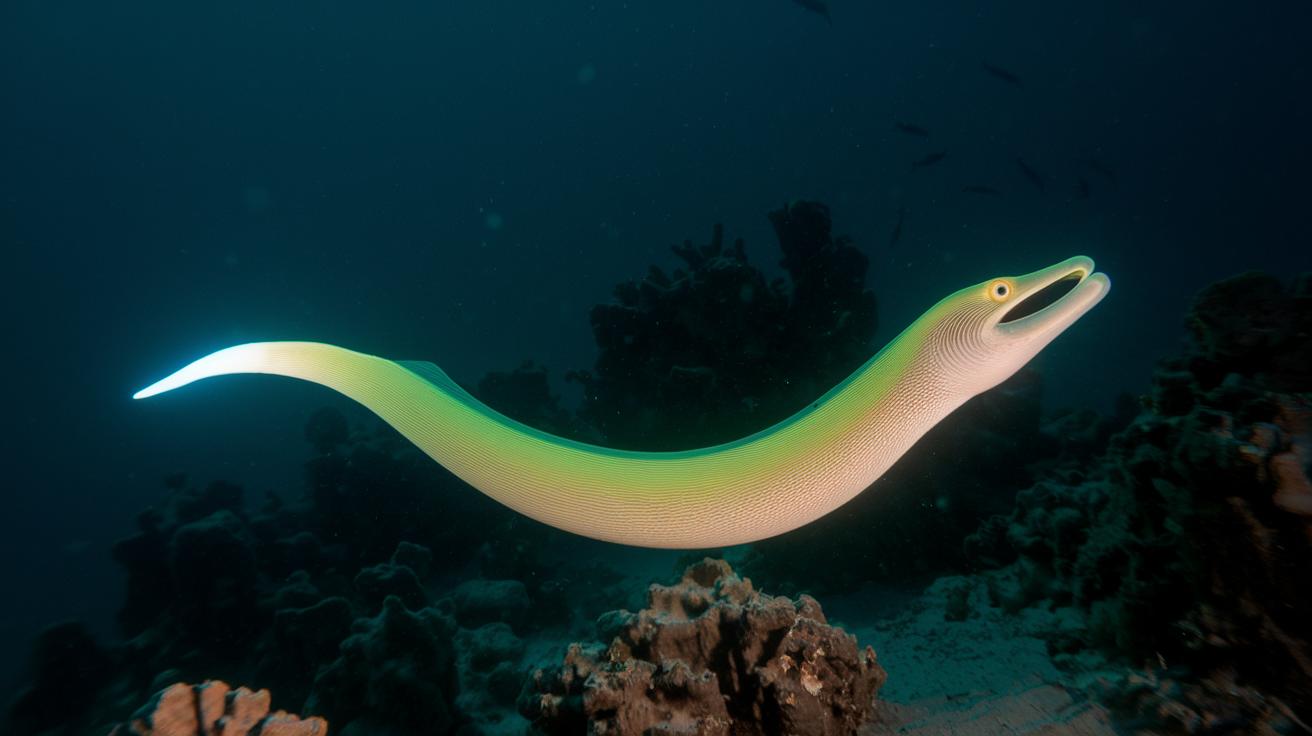
Deep sea eels living in the mesopelagic zone move with a quiet, quick grace. They dart through the soft, dim light like a flicker of shadow, unlike their bathypelagic cousins that use slow, energy-saving motions in almost complete darkness. Even tiny shifts in temperature or water pressure guide changes in their muscles and how they float, so each eel ends up a little different.
These unique eels are found over tropical continental slopes and far-off abyssal plains. In waters where temperature changes quickly and nutrients flow unevenly, some eels adapt by tweaking their body shape or hunting style. For example, an eel along a steep slope might have a leaner form for rapid turns, while those in the steady deep basins show a more relaxed body shape.
Unique Anatomy and Adaptations of Deep Sea Eels
Deep sea eels display some of nature's most fascinating tricks. Their special, expandable lower jaw works like a giant net, grabbing prey much larger than you might expect. Combined with a stretchable throat, these eels can gulp down meals without being choosy, which is a real win in a dark, food-sparse world.
Their glowing tail tip, shining in soft pink or red, acts like a friendly beacon to guide curious organisms right into their path. Plus, with a body free of scales and a swim bladder, they save energy and glide smoothly like a gentle underwater ballet.
| Adaptation | Function | Species |
|---|---|---|
| Expandable lower jaw | Grabs larger prey | Pelican eel |
| Bioluminescent tail lure | Draws prey in dark waters | Pelican eel |
| Scale-less body & no swim bladder | Saves energy for easy gliding | Pelican eel |
When you compare these features with other deep-sea eels, the pelican eel certainly stands out. While many eels rely on a regular body shape and simple camouflage, the pelican eel takes it up a notch with its stretchy jaw and bright tail lure. This clever design helps it snap up food quickly and keeps energy use low, key advantages in an environment where each catch counts. It’s a remarkable mix of active hunting and smart energy-saving, allowing the pelican eel to thrive under the crushing pressure and near darkness of the deep sea.
Oceanic Feeding Mechanisms and Predator Behavior of Deep Sea Eels

Down in the deep, where light barely reaches and the water feels like a heavy blanket, deep sea eels face one tough challenge. At depths over 1,000 meters, finding even a small snack can be a big struggle. Every move they make is planned like setting up a tiny underwater trap, because missing a meal can leave them hungry for a long time.
These clever eels have some amazing tricks up their sleeves. For instance, they stretch their jaws wide, almost like a little balloon, to scoop up prey much larger than they are. Ever notice how a well-set trap can change your day? Their unique method is just as surprising.
They use a mix of techniques that work together like a team in a flowing stream:
- Jaw-expansion “net” technique
- Tail-light bioluminescent luring
- Undulatory stealth movement
- Water-expulsion post-capture
- Opportunistic nocturnal feeding
By opening their jaws like a net, the eels quickly gobble up unsuspecting food and then shake off extra water through their gill slits, kind of like shaking off a wet towel after a swim. Their glowing tails, casting soft pink or red lights, draw in prey in the dark. And with slow, wavelike movements, they glide close enough without startling anyone, saving energy with every careful move.
This blend of bold, rapid strikes and patient, well-timed hunts gives these eels a varied and flexible menu. They’re able to catch big, rare meals as well as smaller, more regular snacks. In a place where every bite can mean the difference between survival and simply drifting away, every meal is a small victory under the surface.
Life Cycle, Reproduction, and Larval Development of Deep Sea Eels
Deep sea eels have a fascinating way of reproducing, yet their methods remain wrapped in mystery. Researchers believe these eels might come together in seasonal groups to mate, almost like an undercover underwater celebration that happens once a year. It’s a surprising thought, as if nature threw a secret festival just for these mysterious creatures. Although adult eels show hardly any obvious signs during mating, experts rely on scattered sightings and hints from the deep to piece the puzzle together.
Their early life adds even more intrigue. The larval stage, called the leptocephalus, is rarely seen, making the story even more elusive. Because these tiny, delicate creatures are hard to spot in the vast deep, scientists often struggle to get clear images or samples. This means many details about how long this stage lasts or what these young eels look like remain a mystery. It’s a bit like trying to catch fireflies on a windy night, both magical and challenging at the same time.
Trophic Role and Ecological Impact of Deep Sea Eels
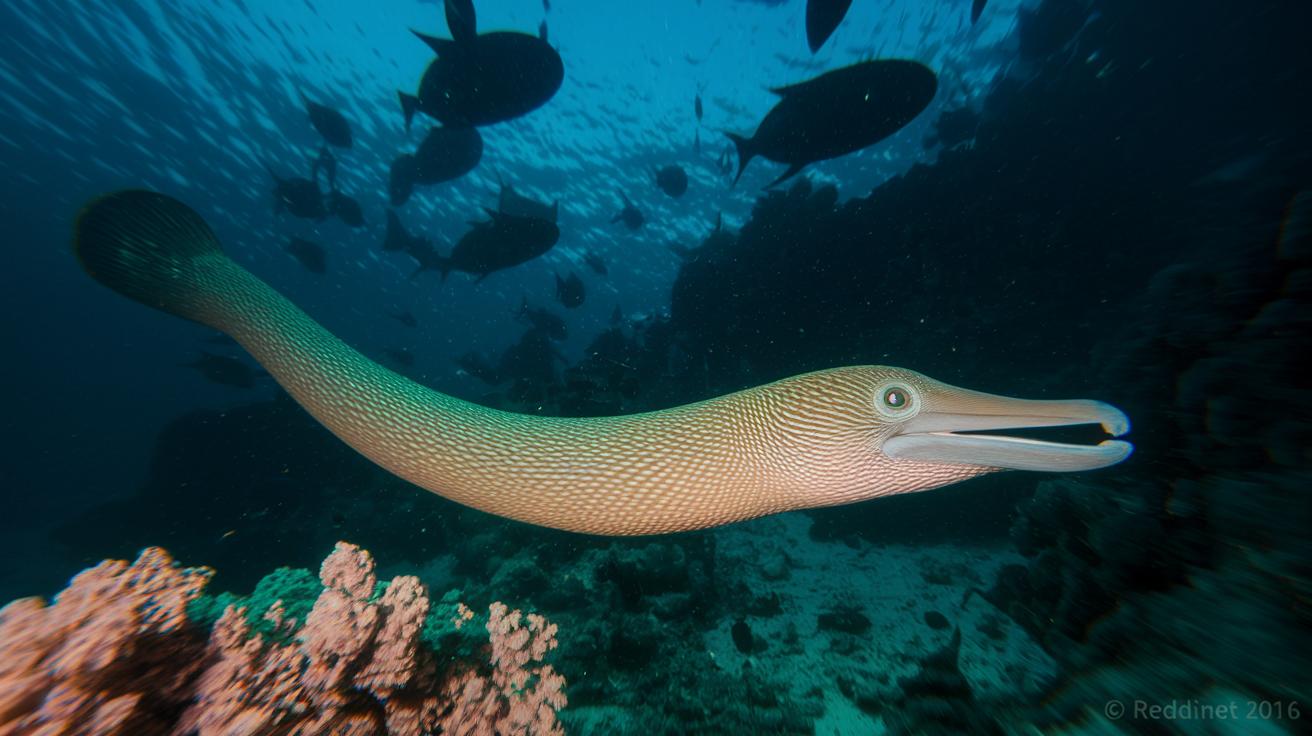
Deep sea eels hang out in mysterious, shadowy parts of the ocean, playing a cool double role in nature. They sneak up on tiny, midwater fish in dim light and, when it's their turn, become tasty treats for bigger deep-sea fish. It's like they’re both the hunter and the dish on the menu, keeping everything balanced much like a well-set aquarium.
But they’re not just after their next meal. These eels help shift vital nutrients such as carbon from the sunlit surface into the deeper zones, acting almost like nature’s own moving mixer. Scientists, using handy methods like DNA scans and tagging, have noticed that every twist and turn of these eels sends bursts of energy through the dark ocean, powering a network of life that quietly thrives in the hidden corners of our seas.
Conservation Status and Scientific Exploration of Deep Sea Eels
IUCN labels the pelican or gulper eel as Least Concern, yet we still have many gaps in our knowledge about their numbers. Out in the deep sea, where these mysterious creatures make their home, long-term information is sparse. Studies suggest that shifting conditions and small human influences could affect their numbers, even though things seem pretty stable right now. Without regular monitoring, though, we continue to wonder if any hidden threats might be on the horizon. It's a bit like trying to spot a shy friend at an exclusive underwater party, every moment counts, but the details often remain just out of reach.
Between 2018 and 2023, scientists have upped their deep-sea study game with cool tools like environmental DNA sampling and ROAM tagging. These methods give us fresh clues about where the eels go and how they behave, almost like following little glowing footprints along the dark ocean floor. Advances in submersible technology and deep-sea vehicles make it easier to explore these extreme depths. With these innovative techniques, researchers can track eel movements more clearly and set the stage for long-term conservation efforts. It's a perfect mix of modern science and relentless curiosity that keeps us learning about these elusive underwater residents.
Final Words
In the action, we explored deep sea eel biology, from its unique anatomy and stealthy feeding mechanisms to its global distribution and subtle role in the marine food web. The article took us through deep dives into habitat, evolutionary traits, and even hinted at conservation research using modern techniques.
Each element painted a clear picture of this remarkable creature, highlighting how every adaptation helps the deep sea eel thrive. It leaves us feeling excited about future aquatic discoveries.
FAQ
Deep sea eel for sale
The inquiry about deep sea eel for sale shows that deep-sea eels are rarely available commercially since they live in remote, extreme environments and need highly specialized conditions not suited for typical pet trade settings.
What is the size of deep sea eels, gulper eels, and pelican eels?
The question on size indicates that deep sea eel sizes vary; pelican and gulper eels typically measure around 2 to 3 feet in length, with features like expandable jaws enhancing their unique look.
Are gulper eels dangerous to humans?
The question about gulper eel danger reveals that these creatures are generally shy and not harmful to humans, with their unusual appearance not reflecting any aggressive behavior.
What do deep-sea eels eat and how do they feed?
The inquiry on deep-sea eel eating explains that these eels use extendable jaws to catch prey, snaring smaller fish and invertebrates in their dark, deepwater habitat with a unique feeding technique.
Do deep sea eels bite?
The question on deep sea eel bites means that although deep sea eels have the capacity to bite, encounters with humans are extremely rare due to their secluded lifestyle.
What are the names of deep sea eels, and which species inhabit these depths?
The question regarding deep sea eel names shows that species such as the gulper eel and pelican eel are common deep ocean dwellers, known for their distinctive jaw and bioluminescence adaptations.
Are deep-sea eels venomous or poisonous?
The question on venomous deep-sea eels reveals that these animals are neither venomous nor poisonous, relying instead on their anatomical adaptations and stealthy feeding methods to thrive in harsh deepwater conditions.