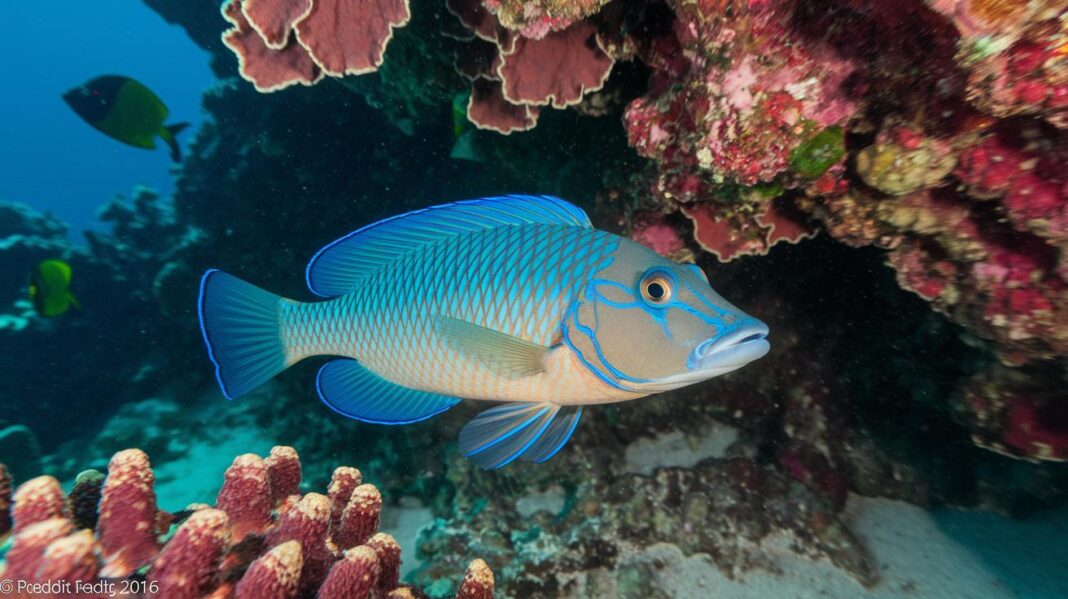

Have you ever wondered about the odd creatures hiding in the dark parts of our oceans? Out there, the deep sea lizardfish is a real survivor that has surprisingly changed what scientists thought about living in extreme places.
This fish lives where light is scarce and the water pushes down hard, yet it manages to thrive with its unique looks and clever ways of catching food. Its story is a bit like a mystery adventure under water, where every ripple can hide a secret.
If you enjoy learning about the wonders of the deep, stick around as we share more about this fascinating resident of the deep sea. Let’s dive into its world and discover how it makes life work in a place where almost nothing else can.
Deep Sea Lizardfish: Fascinating Science & Facts
The deep sea lizardfish is one truly captivating creature that calls the dark depths of the ocean home. It belongs to the family Bathysauridae and is often simply known as the deep sea lizardfish. Imagine early explorers coming across a fish with a look so unusual that it seemed to break all the rules of deepwater life!
Living in the shadowy corners of the ocean, this fish has an appearance that's as intriguing as it is unexpected. Even though it sports large, protruding teeth and dark, piercing eyes, it's not some monster from a spooky movie. Instead, it's a genuine resident of the abyss, drawing scientists in ever since they first hauled it up from the deep with their trawls. Its discovery even made experts rethink what life can be like under crushing pressure and near-total darkness.
Its long, cylindrical body and sharp, cone-shaped teeth prepare the lizardfish perfectly for life as a stealthy ambush predator. Designed for swift, silent gliding along the ocean floor, it waits patiently like a hidden treasure, ready to snap up any unsuspecting meal. This remarkable survival strategy, honed over countless years, is a testament to nature's clever design in the deep.
Every time you picture the deep sea lizardfish, think of a creature finely tuned to the mysterious rhythms of the ocean. Its striking appearance and smart hunting skills remind us how wonderfully surprising and diverse the underwater world can be.
Deep Sea Lizardfish Distribution and Benthic Zone Habitat
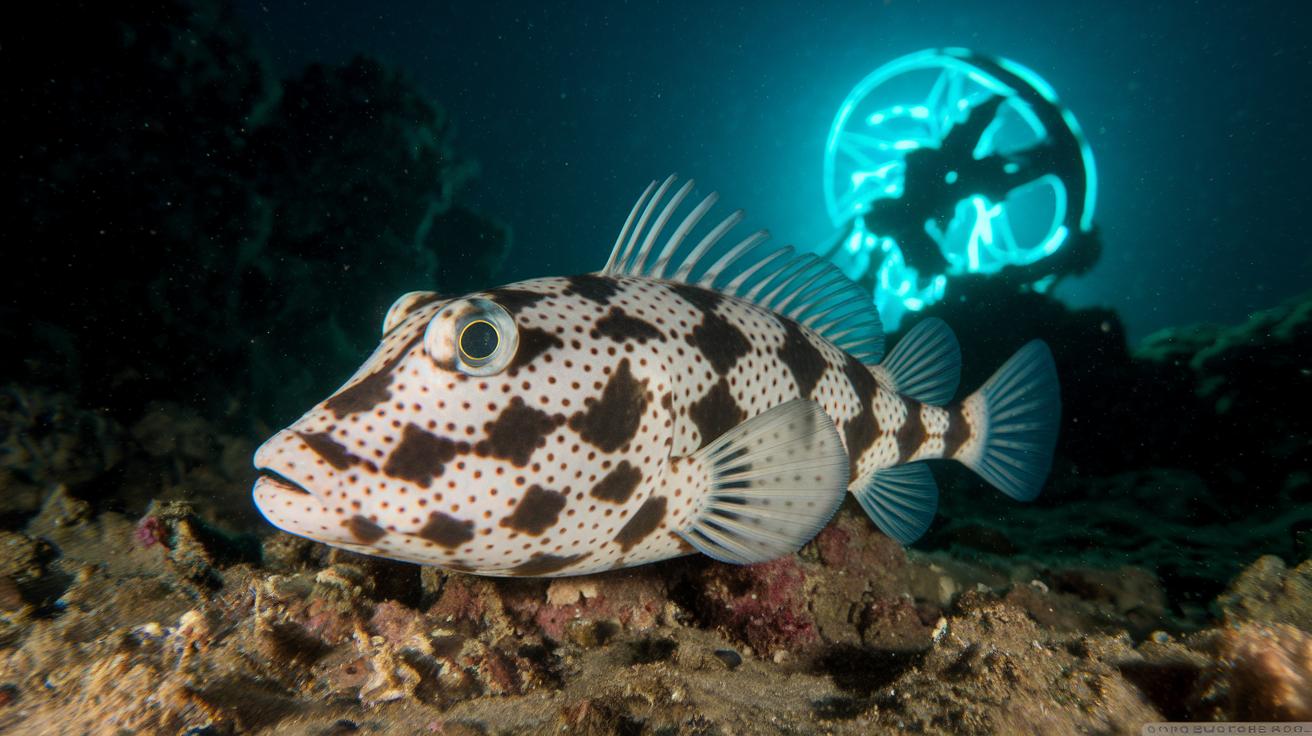
Deep in the ocean, the lizardfish has made a cozy home on the sea floor. It mostly lives between 1,500 and 3,500 meters down, where the water is dark and the pressure is high. In that quiet, stable benthic layer, food may be hidden like little treasures, but the lizardfish has learned to find it. It’s a bit like discovering secret nooks in your favorite coral reef.
This hardy fish isn’t limited to just one part of the ocean. Researchers have found it in the Atlantic, Pacific, and Indian Oceans, and they even think its habitat might stretch across more waters than we first believed. Studying these clever critters from different oceans gives scientists fun insights into how similar and different deep-sea homes can be.
| Region | Typical Depth Range (m) |
|---|---|
| Atlantic Ocean | 1,500 – 3,500 |
| Pacific Ocean | 1,500 – 3,500 |
| Indian Ocean | 1,500 – 3,500 |
| Global Distribution Patterns | 1,500 – 3,500 |
Deep Sea Lizardfish Anatomy: Fanglike Dentition and Body Structure
The deep sea lizardfish is built to survive in the dark, mysterious depths. Its long, cylindrical body moves smoothly through the deep water, and its rough, scaled skin helps it blend into the rocky bottom. This streamlined shape lets the fish glide quietly, slipping through tight spaces and over uneven ground.
Its jaw is designed for surprise attacks. The lizardfish sports big, fanglike teeth that deliver a powerful bite. These teeth are arranged perfectly for a fast, decisive strike when a meal comes close. Its dark eyes are tuned for low-light conditions, working hand in hand with its quick-moving jaw to grab prey in an instant.
| Feature | Description |
|---|---|
| Body shape and musculature | Long and streamlined to move quietly and efficiently |
| Scale type and skin texture | Rugged scales that blend with the seafloor |
| Jaw articulation and bite force | Powerful jaws that snap shut quickly |
| Tooth arrangement and replacement | Fanglike teeth designed for rapid, effective strikes; continuously renewed |
| Eye size and placement | Eyes perfectly adapted for dim light |
Each of these features plays a crucial role in the lizardfish’s ability to thrive in the deep ocean. Its sleek form reduces drag and supports strong tail muscles, allowing for silent propulsion. Durable scales shield it from abrasive surfaces, while its specialized jaw and renewing teeth make sure every bite counts. Coupled with eyes that see in the dark, the deep sea lizardfish shows how nature equips its creatures to flourish even in the most challenging environments.
Deep Sea Lizardfish Sensory Adaptations and Camouflage Techniques
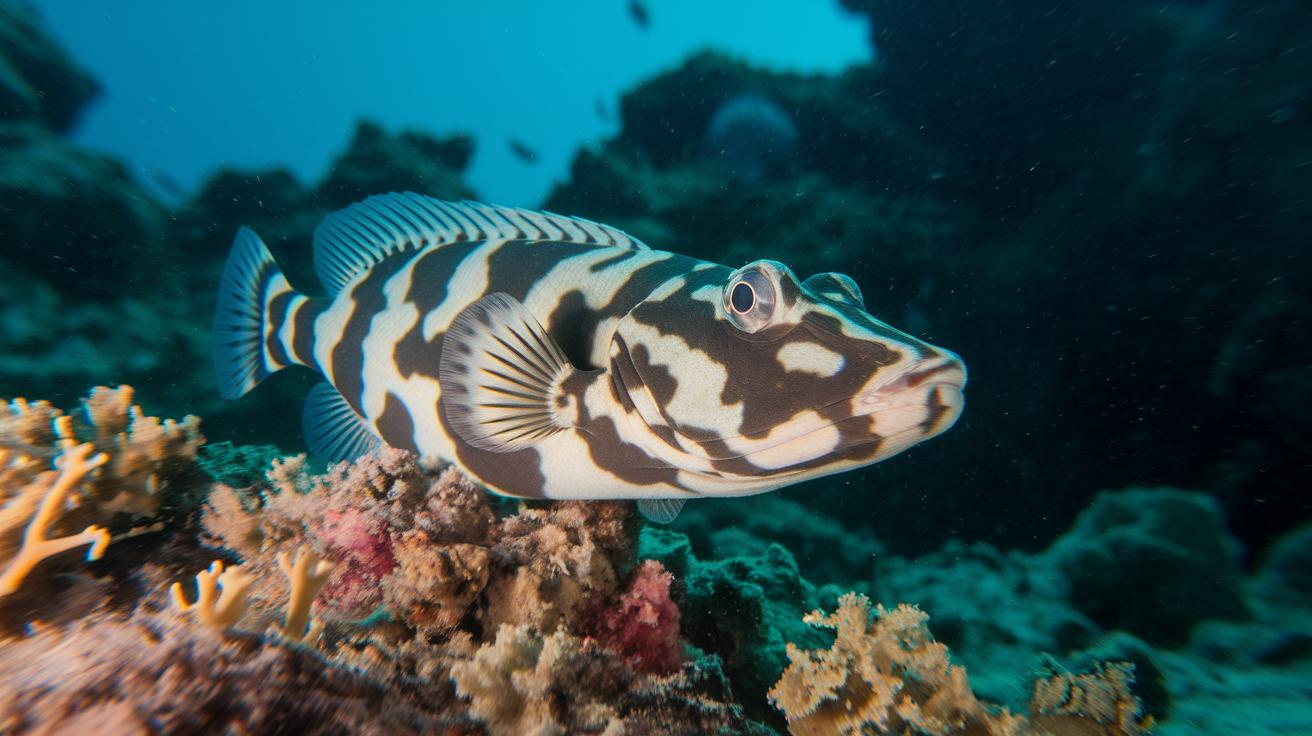
The deep sea lizardfish has some amazing visual tweaks that help it live in almost total darkness. Its big lens picks up even the tiniest bits of light, and its many rod cells make movement easy to spot. Plus, its sensitive lateral line works like a radar underwater, catching even the softest ripples. For example, its dark eyes and keen senses work together much like a nocturnal animal that sees well at night, it’s really a wonder of deepwater life.
Its colors and mottled skin let it blend perfectly with the changing textures of the ocean floor. The shades on its body mix with the sediment so well that its shape almost disappears as it drifts above rocky or sandy bottoms. The bumps and patterns on its skin mimic the uneven seafloor, making it nearly invisible to both prey and predators. Imagine a fish that wears the ocean floor like a disguise, silently merging with its surroundings.
When it comes to behavior, the deep sea lizardfish uses clever moves to stay hidden. It often freezes completely, waiting for the right moment before striking quickly. Sometimes it even buries part of its body in the sediment to hide even better, patiently waiting for an unsuspecting meal to come close. These sneaky moves are key to its survival, helping it thrive in the dark, busy world of the deep sea.
Deep Sea Lizardfish Feeding Behavior and Diet Composition
Deep in the dark ocean, the lizardfish is a master of surprise. It lies perfectly still on the seafloor, blending in just like the smooth rocks around it. Then, with a flash of speed and a sudden bite, it grabs its prey using a mix of quick suction feeding and snapping jaws. In these near-black waters, even the smallest ripple or faint glow can be the clue it needs.
Its special traits let it spot tiny movements and soft glows in the dark, guiding it to a fresh meal. This unique feeding dance tells us a lot about how deep-sea creatures adapt to live in such a challenging world. Ever notice how even the quietest details down there can mean the difference between hunger and a full belly?
- Primary prey (small fish, crustaceans, cephalopods)
- Ambush timing during the night
- Suction versus biting methods
- Opportunistic scavenging on remains along the seafloor
In the vast underwater abyss, the lizardfish plays a key role in the food chain. By hunting live prey and feasting on leftovers, it helps control small animal populations and recycles nutrients along the ocean floor. Acting as a mid-level predator, it connects the tiniest creatures with the larger, deep-sea hunters. Watching this clever feeding behavior not only shows just how adaptable nature can be but also helps researchers figure out how energy and nutrients move in the deep, mysterious sea.
Deep Sea Lizardfish Reproductive Behavior and Life Cycle

Deep sea lizardfish have a mysterious way of reproducing that still puzzles scientists. It seems these fascinating fish might follow a seasonal rhythm, with mating habits sparked by gentle shifts in deepwater conditions. People think they spawn when the surrounding environment is just right for eggs to be fertilized, but we don't have a lot of clear details about their courtship dances yet. Researchers are like deep-sea detectives, piecing together clues from rare sightings and small hints in the abyss.
Once they spawn, the eggs of the lizardfish start a delicate journey in open water by entering what we call a pelagic larval stage. In this stage, tiny larvae drift along with the ocean currents as they slowly build the basic features of their kind. Early signs suggest that these young fish take their time adapting to deepwater life, growing stronger step by step in an environment where even tiny changes mean a lot.
As these creatures grow older, the young lizardfish leave the open waters and settle along the seafloor for a more bottom-dwelling life. Studies show that they grow slowly and can live many years even in harsh deep-sea surroundings. During this shift, the juveniles gradually change their body shape and behavior to become better ambush predators on the dark ocean floor. This smooth transition highlights how much we still need to learn about their deepwater life cycle.
Ecological Role and Conservation Concerns for Deep Sea Lizardfish
The deep sea lizardfish plays a key role deep in the ocean, quietly keeping things balanced on the seafloor. It acts like a gentle guardian by eating smaller fish and little invertebrates, much like a natural caretaker who makes sure no species takes over the others.
This remarkable fish faces several challenges that make life in the deep sea a bit rough. For instance, pollution from microplastics and oil spills taints its watery home. Climate change is also shifting its surroundings, while deepwater fishing sometimes traps it accidentally. Trawling stirs up its habitat even more, and only through careful research and new rules are we trying to help.
Observations show that these fish are feeling more stress from human activities. But since we don’t have much data on how many there are or how they're really doing, scientists are left with unanswered questions about their true state.
Experts suggest ramping up efforts to monitor these fish and study their changing home. With issues like pollution, climate changes, and risky fishing rising, protecting the deep sea lizardfish really means taking care of the whole underwater community. Just like maintaining a beautiful, balanced aquarium, careful study and thoughtful actions are needed to keep the deep ocean healthy and full of life.
Deep Sea Lizardfish Research Techniques and Exploration Technologies

For many years, scientists have used old-school methods like deep-sea trawls and dredges to study lizardfish that live in the deep ocean. These methods drag nets or equipment along the ocean floor to catch the fish. While these techniques have helped us learn about these mysterious creatures, they can stir up the seafloor and hurt delicate fish, making it tough to see how they naturally behave. Also, these methods sometimes struggle to reach the darkest depths and might miss tiny, important details about lizardfish life.
Today, researchers are using cool new tools that work like underwater robots, small submersibles that drive themselves, in-tank cameras, and even tests that find traces of fish in the water. These advanced devices let scientists watch lizardfish in their own watery homes without disturbing them much. Recent trips using these tools have given us clear, high-quality images and exact DNA information, so we now know more about how these fish live and move. By teaming up with scientists, policymakers, and local communities, we’re getting a much better picture of life deep below, which helps us protect these amazing sea creatures.
Final Words
In the action, we explored every facet of the deep sea lizardfish, from its striking appearance and secretive behaviors to its habitat, feeding tactics, reproduction, and the tools that help us learn more about it.
We broke down its impressive body features, stealthy hunting techniques, and ongoing conservation challenges. This overview offers fresh insights into maintaining a balanced underwater world with the deep sea lizardfish bringing new wonder to our aquatic care.
FAQ
What deep-sea lizardfish adaptations do they have?
Deep-sea lizardfish adaptations include an elongated body, fanglike teeth, and dark eyes that help them ambush prey and see in the near-darkness of the deep ocean.
Are deep sea lizardfish dangerous?
Deep sea lizardfish are not dangerous to humans. Their sharp teeth help them capture prey in the deep ocean, but they do not pose a threat to divers or aquarium enthusiasts.
Where do deep sea lizardfish live?
Deep sea lizardfish live on the seafloor, typically in the benthic zone at depths of 1,500 to 3,500 meters, across several ocean basins.
What does Bathysaurus diet consist of?
Bathysaurus diet consists mainly of small fish and invertebrates, capturing them with rapid ambush tactics, which helps keep the deep-sea food web balanced.
What is Bathysaurus ferox known for?
Bathysaurus ferox is known for its formidable teeth and skillful ambush tactics, making it an effective predator in the dark, deep-sea environment.
What distinguishes Bathysaurus mollis from other species?
Bathysaurus mollis features a softer body build with distinctive feeding habits that contribute to its role as a mid-level predator in the deep ocean.
Are lizardfish edible?
Lizardfish edible status varies; while some cultures consume certain species, deep-sea lizardfish are rarely harvested due to their depth habitat and delicate structure.
What is a flabby whalefish?
Flabby whalefish refers to a rarely seen deep-sea species with a soft, loose body that assists in maintaining buoyancy near the ocean floor, often mentioned alongside lizardfish.
How big are deep sea lizardfish?
Deep sea lizardfish generally grow to moderate sizes, often reaching several tens of centimeters, though dimensions vary between species and environmental conditions.
What do deep sea lizardfish eat?
Deep sea lizardfish eat small fish, crustaceans, and cephalopods, using ambush and suction feeding methods to capture prey in low-light deepwater habitats.
Why is it called lizard fish?
It is called lizard fish because its elongated body, scaled skin, and fanglike teeth give it a reptilian appearance that resembles a lizard in the water.
What are some interesting facts about lizardfish?
Interesting facts about lizardfish include their striking appearance with protruding teeth, specialized sensory systems, and a distinctive ambush style that has fascinated researchers for years.