

Have you ever wondered what mysteries are hidden below our sparkling blue waters? Recent ocean missions have captured amazing photos of unusual creatures rarely seen by human eyes. Scientists spent over a year using clever underwater tools, think of them as high-tech fish finders, to discover more than 800 new species. It’s like the ocean gently revealed a secret world, inviting us to see our blue planet in an entirely new light.
Major Submarine Discovery Expeditions Revealing Deep Sea Creatures
Scientists spent 16 months diving into the deep blue, using cool new submersibles and ROV cameras that work like high-tech underwater explorers. Their passion led to spotting 866 new sea creatures, each a glimmering secret from the depths. These expeditions stretch our imaginations and our knowledge, revealing species and behaviors that are rarely seen. It’s like uncovering hidden treasures that remind us how magical the ocean really is.
- Oceanic Odyssey Expedition; Global; 866 documented marine creatures
- Pacific Deep-Sea Mission; Pacific; over 100 species, including the whip-lash squid
- Chilean Underwater Mountain Survey; Off Chile; 100+ previously unknown organisms
These breakthrough missions have redrawn our maps of the ocean floor. With each adventure, researchers show us more than just numbers and names; they reveal the thrilling possibility that the underwater world has wonders waiting to be discovered. Their work invites us all to dive deeper into our blue planet and marvel at each new surprise.
Notable Abyssal Species Among Recently Discovered Deep Sea Creatures
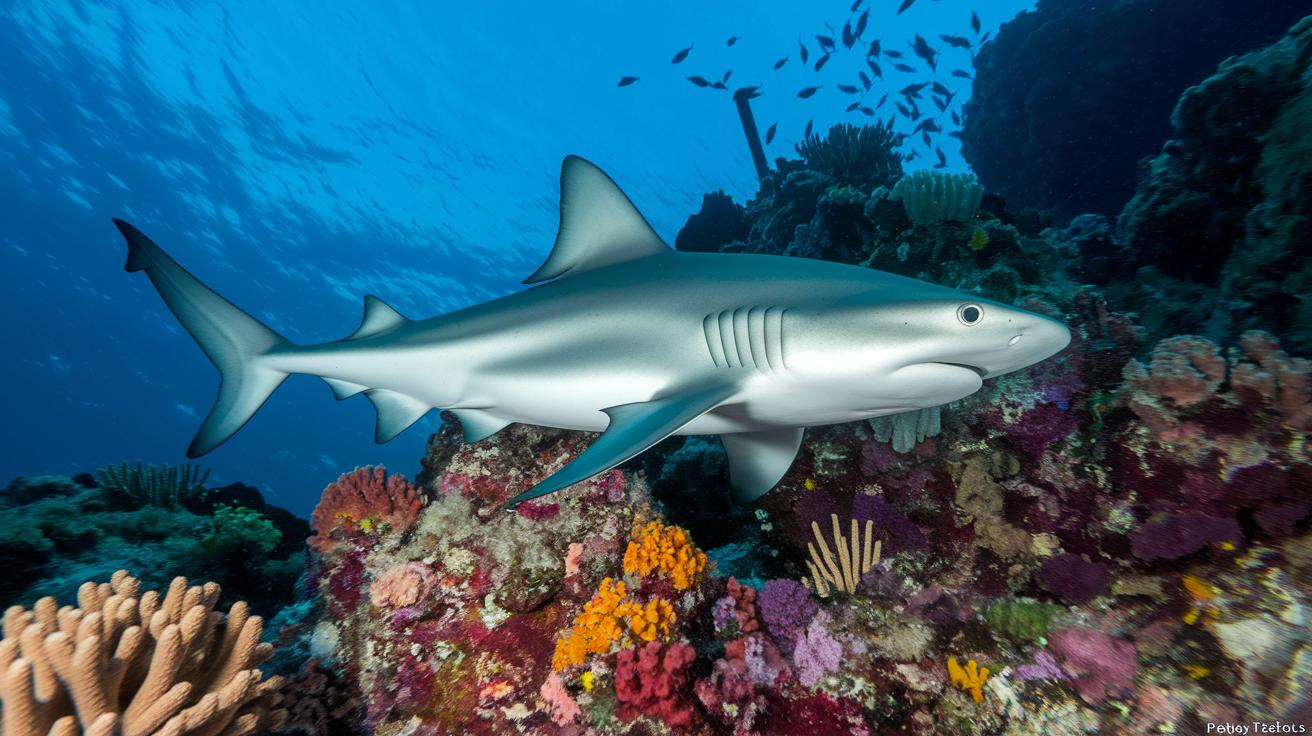
Deep dives into the ocean have revealed some truly surprising creatures that look like they come from a fantasy. Scientists on a global survey even discovered a guitar shark with a very unusual shape that now turns heads everywhere. Then there are the deep-sea limpet and pygmy pipehorse, so cute in their own special ways that they almost seem like tiny underwater treasures. Over at the Great Barrier Reef, a ghost-like animal made another rare appearance, adding a mysterious twist to the ocean’s story. And yes, the vampire squid from hell is as wild as its name sounds, it flips its body and spreads a glowing, shimmering cloak to scare off predators. It’s amazing how each of these creatures adapts to life in the deep, dark waters, reminding us just how much the ocean still has to teach us.
| Species Name | Distinct Traits | Location | Year Discovered |
|---|---|---|---|
| Guitar Shark | Unique body shape | Global Survey | 2023 |
| Deep-Sea Limpet & Pygmy Pipehorse | Adorable features | Global Waters | 2023 |
| Ghost-like Animal | Eerie appearance | Great Barrier Reef | 2023 |
| Vampire Squid from Hell | Body inversion, bioluminescent cloak | Deep Ocean | 2023 |
| Giant Cephalopods | Mating collision (1 m, 5 kg) | South Australia | 2023 |
When you look at the table, you see a list of these unusual, fascinating sea creatures, each with their own traits and places where they were found. It’s like opening a door to a hidden underwater world, where every creature has its own story to tell. From the striking guitar shark to the mysterious giant cephalopods, these animals remind us that life under the sea is both resilient and endlessly creative. Every new discovery invites us to learn more and enjoy the wonders that lie beneath the waves.
Technological Advances Driving Discovery of Deep Sea Creatures
Scientists now have amazing new tools that make exploring the hidden underwater world feel like a magical adventure. They use next-gen submersibles that dive deep into the open ocean, gathering crisp images and clear data from places that once seemed impossible to reach. One recent global mission, lasting 16 months, even showed us ghostly underwater scenes and surprising fish behaviors. One researcher said, "Imagine peering into a quiet, shadowy world and suddenly seeing mysterious creatures glowing gently," which really paints a picture, doesn't it?
In one part of the world, smart baited cameras in Raja Ampat captured secret visits by stealthy predators gliding silently among coral reefs. Meanwhile, in South Australia, high-tech ROVs and crisp video systems recorded the rare, almost magical, mating dance of giant cephalopods. It’s like watching a hidden underwater ballet. This blend of clever video gadgets and independent devices gives us a clear look into how deep-sea creatures live and play.
These advances mean more than just eye-catching footage. With real-time imaging and innovative submersibles, scientists can spot patterns in behavior and even monitor changes in tough underwater conditions more easily. This valuable work not only lets us marvel at the secret world beneath the waves but also sets the stage for smart talks about protecting these deep-sea homes and understanding how our changing climate affects marine life.
Behavior and Morphology of Discovered Deep Sea Creatures

Deep below the ocean's surface, these creatures perform some amazing moves. The vampire squid, for example, flips its body just like a gymnast in mid-air before releasing a burst of glowing light. This quick display helps to confuse any predators nearby.
Giant cephalopods also show off in their own way with risky encounters during mating, creating a lively underwater spectacle. In Indonesian waters, cameras have caught stealthy predators moving smoothly through the deep blue, as if they were dancing. Meanwhile, the pygmy pipehorse glides through sea plants with a delicate frame, and the deep-sea limpet holds tight against strong currents with its sturdy shape.
Conservation Implications of Discovering Deep Sea Creatures
New species from the deep, dark ocean are more than just wonders to look at, they quietly signal that our environment is changing bit by bit. These discoveries are like soft messages from the sea, hinting that climate change is touching even the hidden corners of our blue planet. Every creature found is a little nudge, inviting us to pay more attention to what’s happening beneath the waves. Recent deep-sea expeditions have shown us that even the remotest spots feel the effects of warming waters and shifting currents. It’s a reminder that the health of our oceans might impact our food and water too. Ever notice how a tiny fish can spark a big realization?
In places like the icy waters off Chile and the deep Pacific trenches, scientists have uncovered life forms that adapt in surprising ways to survive in harsh conditions. These explorations aren’t solo missions, they bring together marine experts, local hands-on researchers, and community voices. This mix of perspectives shows that keeping our oceans safe isn’t just a job for scientists; it’s a team effort. I once listened to a researcher explain, “Our work in these chilly waters shows each creature carries clues about the big changes in our ocean.” And it really makes you think about your own part in protecting our marine home.
Now, these fresh insights are shaping new policies. Many experts are pushing for strong protection agreements to shield these vulnerable ocean spots. With scientists, community leaders, and policymakers working side by side, there’s a push to create nature-friendly economic plans. These steps aim to secure resources like food and water, all while helping to balance our shifting climate. The quiet signals from the deep remind us to support smart policies that care for our oceans, keeping them as vibrant and resilient as nature intends.
Geographic Hotspots of Recent Deep Sea Creature Discoveries

Raja Ampat’s lively coral reefs and changing water flows inspire predators to develop clever ways to hide. Over in South Australia, shifting currents and changes in the season nudge giant cephalopods into rare, dazzling mating displays that double as smart survival moves. At the Great Barrier Reef, the mix of bright, sunlit shallows and mysterious, dim depths lets ghost-like creatures blend in naturally. And in Chile’s deep underwater canyons, species cope with crushing pressure and icy cold by growing tougher shells and more flexible bodies. Imagine exploring a cool, rocky underwater passage where every gentle current tells a tale of survival as nature reveals its secret tricks.
Scientists working in these amazing spots face real challenges like sudden weather changes and murky water that make every dive a true test. They rely on special submersibles made to brave these extreme conditions. Picture a researcher on a deep dive, where each minute brings new surprises, sudden shifts in temperature and light turning the hunt for sea secrets into an exciting, high-stakes adventure.
Final Words
In the action, researchers recorded striking insights from months of deep-water explorations. They captured a mix of submarine expeditions, smart technology, and rare animal behaviors that light up our oceans. The findings remind us that every step in preserving underwater life counts, much like perfecting an aquarium setup. Each new detail adds warmth to our shared passion for the sea. Today’s efforts leave us hopeful and ready to celebrate the beauty of discovered deep sea creatures.
FAQ
What are some of the biggest deep sea creatures and notable deep-sea fish?
The question about the biggest deep sea marine animals shows that species like the giant oarfish, goblin shark, anglerfish, and blobfish represent diverse sizes and unique traits found in the mysterious depths.
What deep sea creatures are known for their beautiful, rare, or unknown qualities?
The question exploring beautiful, rare, and unknown sea creatures reveals that many deep sea species, often elusive and striking, capture our attention with their intricate forms and unusual colors in the deep dark water.
What makes some deep sea creatures seem scary?
The question on scary deep sea creatures highlights that many species have odd shapes and traits adapted for life in pitch-black depths, which can make them appear eerie or intimidating to us.
What is the deepest sea creature discovered?
The question about the deepest sea creature shows that discoveries reach extreme ocean depths, with researchers finding remarkable species in the darkest trenches, even if no single record holder has been clearly defined.
Are there undiscovered deep sea creatures?
The question regarding undiscovered deep sea creatures suggests that many species still hide in unexplored, dark ocean zones, and ongoing research with advanced tools keeps revealing new marine life.
What is the most recently discovered sea creature?
The question about the latest discovered sea creature shows that recent ocean expeditions continue to unveil new species, steadily adding to our ever-growing list of fascinating deep sea animals.
How many deep sea creatures have been discovered?
The question on how many deep sea creatures have been documented highlights that scientists have identified hundreds of species, with many more still waiting to be found in the vast, dark ocean.