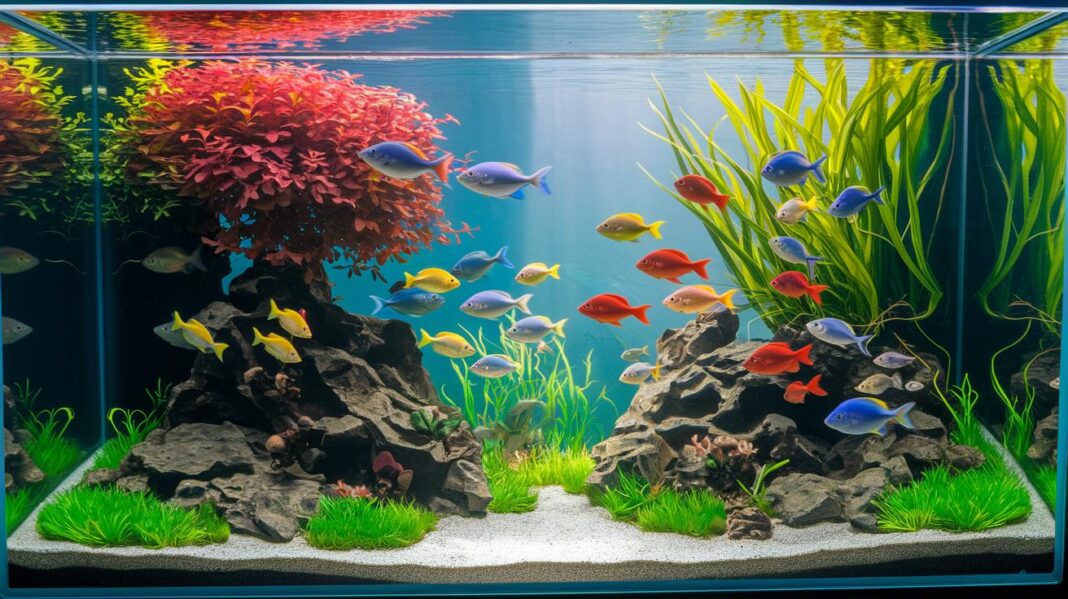

Have you ever thought about setting up your own little underwater paradise that almost takes care of itself? Imagine a cozy tank where plants, tiny microbes, and fish join forces to keep everything balanced, almost like nature is running a little show just for you.
In this guide, I’ll share tips on how to build a simple system that cuts back on your daily chores. That means you get to enjoy the soothing flow of water and the cheerful dance of your fish without too much fuss.
It’s like prepping your favorite meal, you start with the basics, add a pinch of creativity, and finish with care. And honestly, isn’t it amazing when the magic of nature makes life a bit more joyful?
Step-by-Step Blueprint for Your DIY Aquatic Ecosystem
Imagine setting up your very own underwater haven, where plants, friendly microbes, and fish work in harmony with minimal fuss. This easy plan lets nature do most of the hard work, so you can relax and enjoy watching your little aquatic community thrive without constant cleaning or water changes.
Start by picking a tank that's just right for you and placing it where the temperature stays steady. Next, choose a substrate and some fun decorations to give helpful bacteria the perfect spot to grow. An air pump can keep the water filled with enough oxygen, and a gravel vacuum will help you tidy up quickly whenever needed.
Keep an eye on your water's warmth with a simple aquarium thermometer and add an automatic feeder so your fish get their meals right on time. A water changer makes refreshing the water a breeze, and a timer will set a regular mood with consistent lighting. Before adding your fish and plants, let your tank cycle so beneficial bacteria can complete the nitrogen cycle and prepare a safe home.
After about six weeks, you'll notice that daily chores shrink down to just a few quick weekly checks for evaporation and some light gear inspections. With nature lending a hand, you’ll spend less time cleaning and more time enjoying the gentle ripple of water and the calm energy of your fish swimming by. Isn’t it wonderful to have more time to relax while your mini aquatic world takes care of itself?
Choosing Equipment and Substrate for an Effective Aquatic Ecosystem
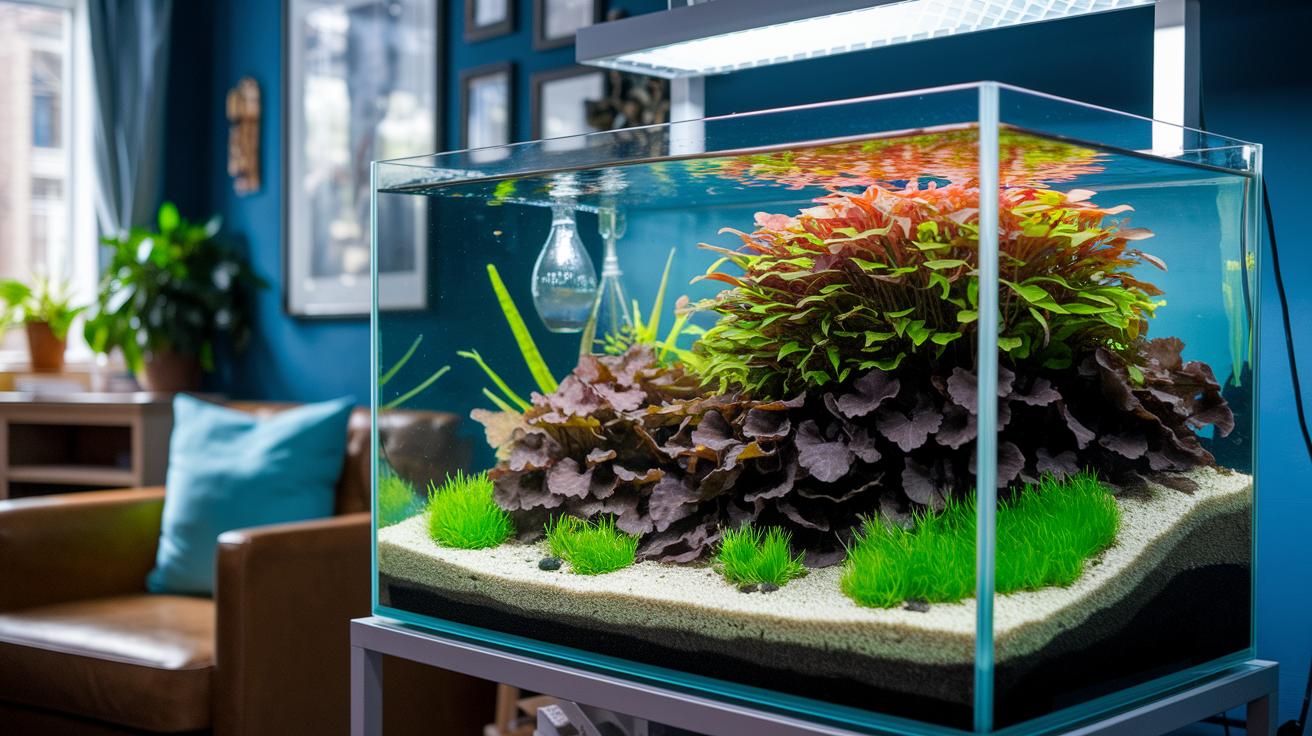
Place your tank in a room where the temperature stays steady and the lighting feels just right. Choose a sturdy stand with plenty of space to not only support your aquarium but also allow room for future upgrades. It’s a bit like setting up the perfect underwater garden, ready to grow as your fish family expands. If your tank houses different fish species, switching to adjustable equipment can help meet their unique needs.
When it comes to substrate, remember that each option has its perks. Gravel works well with mechanical filtration, which means it helps trap and clean out debris. Sand gives you a smooth base, while soil can boost natural bacterial growth even though it might call for a little extra cleaning. These textures affect water clarity and the activity of friendly bacteria. If you notice cloudy water or quick sediment shifts, it might be time to check your cleaning routine and water chemistry.
Now, gather these six essential items to complete your aquarium setup: an air pump with an adjustable flow to keep the water bubbling with oxygen, a gravel vacuum that works well with your chosen substrate, an aquarium thermometer to monitor temperature, an automatic feeder set to your fish’s habits, a water changer that fits your tank’s size, and a timer adaptable to various lighting needs. For more details, have a look at aquarium supplies near me.
For those just starting out, an all-in-one kit like the 20 gallon fish tank kit is a great choice. It keeps equipment decisions simple and maintenance straightforward, almost like setting up your very own, calming underwater world.
Integrating Plants and Biology to Foster Ecosystem Balance
Aquatic Plant Roles in Filtration
In your aquarium, plants like elodea and hornwort do a fantastic job cleaning the water by soaking up harmful substances like ammonia and nitrates, waste chemicals that can make your tank murky. These busy plants grow quickly and grab extra nutrients to keep algae in check, much like a natural, ongoing filter. Ever notice how a clump of hornwort seems to work magic in your tank? It can lower nitrates by almost 40% in just a few weeks!
Nitrogen Cycle with Beneficial Bacteria
Let’s chat about the nitrogen cycle, a process that turns dangerous ammonia into safer nitrites and then into even milder nitrates. In a balanced aquarium, you want ammonia and nitrites at 0 ppm, with nitrates staying below 20 ppm, ensuring the water is safe for your fish. This steady transformation is thanks to helpful bacteria, which work like tiny underwater laborers cleaning the water every step of the way. With simple test kits, you can check in regularly to catch any potential hiccups early.
Supporting Microfauna and Invertebrates
Small critters like snails and shrimp are the unsung heroes of your tank. They munch on leftover food and debris, helping to keep waste from building up and stressing your fish. Their constant, quiet activity works hand-in-hand with your filtering plants to keep the water clear and calm. Watching a little shrimp nibble away at debris can really remind you that nature is an awesome recycler.
Designing a Plant Layout
Imagine setting up your tank like you’re creating an underwater garden. Start by placing fast-growing plants at the front where they can quickly soak up extra nutrients. In the middle, species like cryptocoryne thrive best with plenty of light, while dwarf hairgrass creates a natural, lush carpet along the bottom. Finally, robust background plants like anubias add depth and serve as a beautiful backdrop for your aquatic scene. This mindful setup not only looks great but also makes sure the light and nutrients are shared evenly among your plants.
Balancing Water Chemistry for Low-Stress Fishkeeping
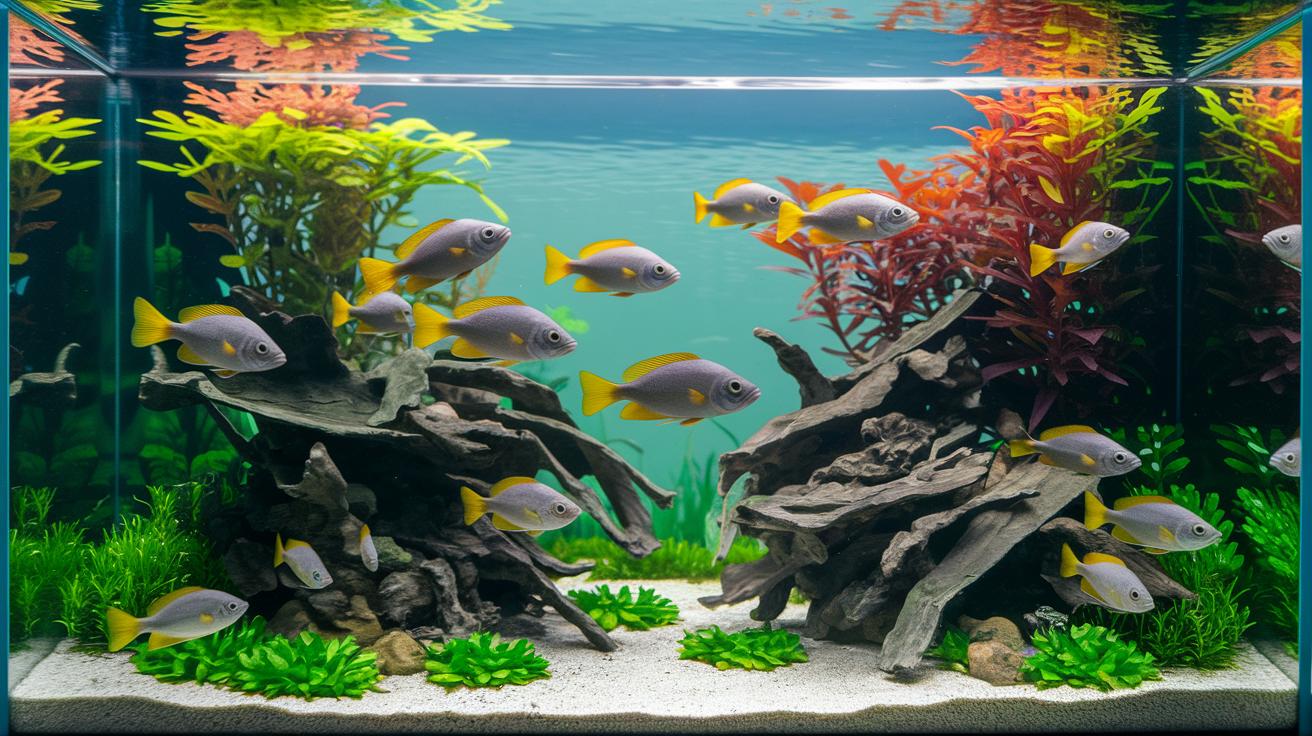
Keeping your aquarium a calm and healthy haven is like setting the perfect stage for a friendly underwater dance. Aim for a pH between 6.8 and 7.4 and keep your water temperature around 74°F to 82°F. Balancing your GH and KH (that means making sure the water's hardness and buffering levels are just right) is key to keeping your fish relaxed and happy. And don’t forget a light schedule of 8 to 10 hours a day and careful feeding, this smoothes out any nutrient spikes that might invite stubborn algae to take over.
Regular testing is your best buddy in monitoring these delicate balances. Check the pH weekly to catch any shifts before they become a problem. For GH and KH, testing every two weeks offers a clear picture of your aquarium’s water strength and buffering capacity. It’s like watching the gentle flow of a stream, where small changes tell you a lot about the overall health of your aquatic home.
When you need to adjust your water, try natural fixes like crushed coral or almond leaves. These options work like a soft touch that steadies your tank’s pH. Using a dechlorinator can help remove harmful chemicals from tap water, keeping your little swimmers safe. And if you prefer ready-made solutions, there are plenty of aquarium care products designed to make water adjustments easy, ensuring your tank stays a smooth and safe place for all your fish.
Minimal Maintenance Practices for a Self-Sustaining Aquatic Ecosystem
After around six weeks of gentle care, your aquatic home becomes a balanced, self-sustaining world. Plants and natural substrate take care of most of the waste, so you no longer need to perform full water changes. Instead, a few simple weekly tasks will keep everything running smoothly.
- Top off the water
- Check your gear
- Look over the plants
- Verify the feeder and timer
- Wipe the glass
Even though these chores take less than 30 minutes each week, it helps to do an extra check if something seems off. If the water turns cloudy or your fish seem less lively, check your filter and test the water quality. A neat trick is to listen for a smooth hum from your filter, a gentle sound that shows it’s working well, almost like a purring engine. Every so often, give the substrate a little stir to see if debris is building up or if the plant roots are getting too crowded.
For that extra peace of mind, set aside some time each month for a quick troubleshooting session. Keep an eye out for unusual algae spots or changes in fish behavior, as these can hint at issues that are easy to fix. This extra check adds a fresh twist to your routine and ensures your aquatic haven stays vibrant and healthy.
Troubleshooting Common Issues in Your DIY Aquatic Ecosystem
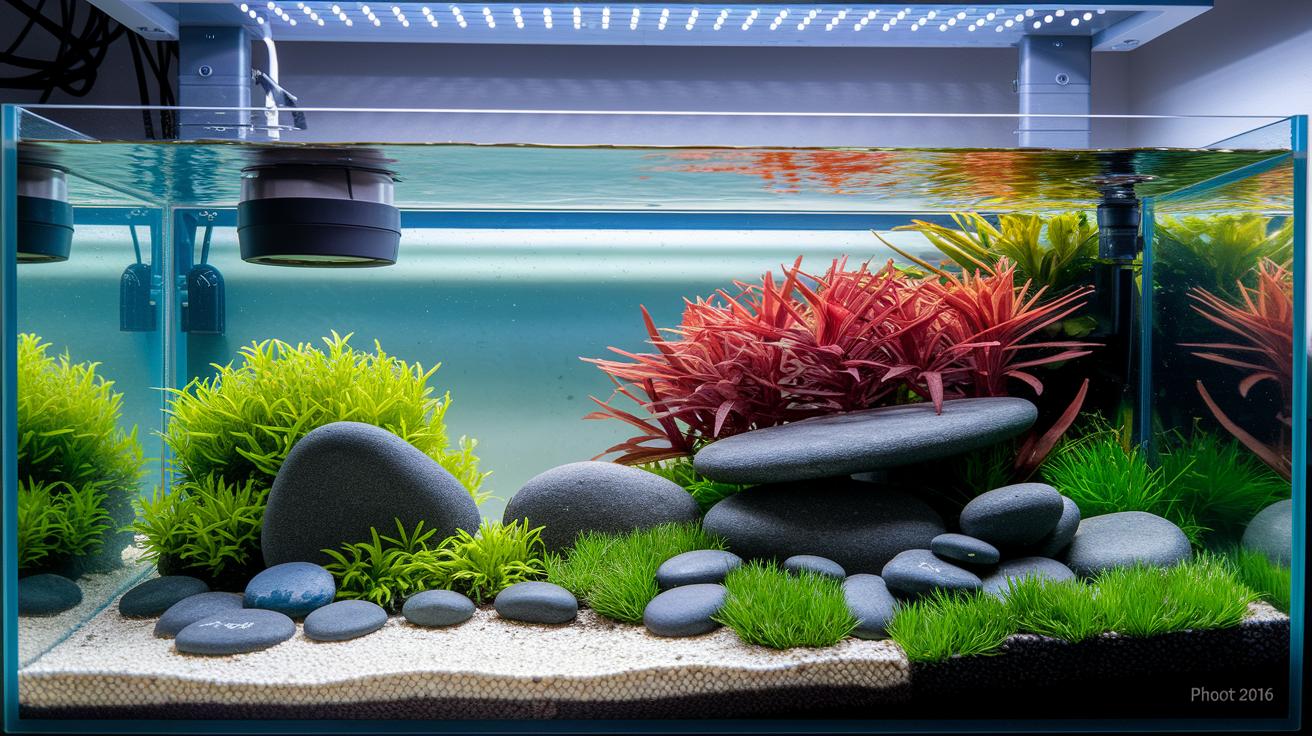
Sometimes your tank might seem a little off, like it’s breathing heavy under stress. You may notice green water from algae blooms or see little strands of hair algae when the light is too strong or there are extra nutrients floating around. Also, if your pump, feeder, or timer isn’t working right, it can mess with water flow and feeding routines. And if you see quick changes in the pH or a spike in ammonia, something in your setup needs a closer look before your fish start to feel it.
Take a look at these simple fixes:
- Check your lighting and shorten the light time if too much algae pops up.
- Make sure your pump, feeder, and timer are running and not making any odd noises.
- Test the water often for pH and ammonia; if they go off, try doing a 20% partial water change.
- Add a bit more bio-media if the helpful bacteria are low or if the filter gets clogged with debris.
- Look at the food bits, if you’re overfeeding or there’s leftover waste, cut back on feed and clear out any extra muck.
If you keep running into issues, it might be time to let some handy automated tools help. Switching to a programmable feeder or a timed CO₂ injection system can really ease things when you’re busy or away. It’s like setting your tank on cruise control, keeping everything balanced while you enjoy the gentle ripple of water on smooth stones.
Budget-Friendly Strategies for DIY Aquatic Ecosystem Setup
Looking for ways to set up your aquarium without breaking the bank? You can start by hunting for affordable supplies. Check out local classifieds and community sales for second-hand tanks and stands. Even repurposing a few household decor pieces can give your tank a unique twist while keeping costs low.
A budget-friendly tank setup lets you create a personalized underwater home without overspending. It’s like mixing creativity with a little DIY magic, combining smart finds with upcycling ideas to build a solid base for your aquatic friends. Ever notice how a cooler setup makes your whole space feel more vibrant?
Try these three simple DIY ideas: use sponges and bio-balls to make an effective filter (that’s just a way to keep the water clean), pick inexpensive plants like Java fern and duckweed to naturally purify the water, and transform everyday items into handy aquarium accessories. These tips help save money and support a sustainable, nature-friendly tank.
In the long run, using these cost-effective strategies means you’ll need fewer extra supplies and rely less on pricey chemicals. A repurposed setup not only cuts down on maintenance costs but also lets you enjoy the calming, gentle flow of your aquatic world for many years to come.
Final Words
In the action, you learned how to select the right tank and equipment, design a beautiful underwater layout, and balance water chemistry for a healthy setup.
You saw detailed steps for integrating plants and microfauna, establishing a self-sustaining biological system, and troubleshooting common issues. Plus, you discovered budget-friendly tips to keep maintenance simple and worry-free.
This guide shows that building your DIY aquatic ecosystem for stress-free fishkeeping can be both fun and rewarding. Enjoy the calm and clarity of your thriving aquatic world!
FAQ
What is a DIY aquatic ecosystem for stress-free fishkeeping and what does it include?
The DIY aquatic ecosystem kit sets up a balanced, low-key home for fish by using a tank, substrate, plants, and simple devices to keep water clear, helping foster a calm environment.
How can I create an aquatic ecosystem in a jar?
The aquatic ecosystem in a jar involves placing water, a few small plants, and a little life into a sealed container. This mini setup works by using natural bacteria and gentle light to keep the water balanced.
How do I build a closed aquatic ecosystem with fish and shrimp?
The closed aquatic ecosystem with fish and shrimp is built by creating a sealed tank that mixes plants with a modest number of fish and shrimp. Keeping cleaning minimal and letting natural cycles work helps keep it stable.
What fish are best for a self-sustaining aquarium?
The best fish for a self-sustaining aquarium are hardy, low-maintenance species like guppies or tetras. They adjust well to balanced water conditions and need little extra care once the cycle is complete.
How can I clean a fish tank without stressing the fish?
The method for cleaning a fish tank gently includes using slow water top-offs, a careful gravel vacuum, and routine equipment checks. This approach minimizes disturbances while keeping the water clear.
How do you keep fish stress-free in a self-sustaining ecosystem?
Keeping fish calm in a self-sustaining setup means designing a balanced habitat with plants, proper equipment, and gentle routines. Steady water top-offs and calm feeding help create a peaceful underwater home.