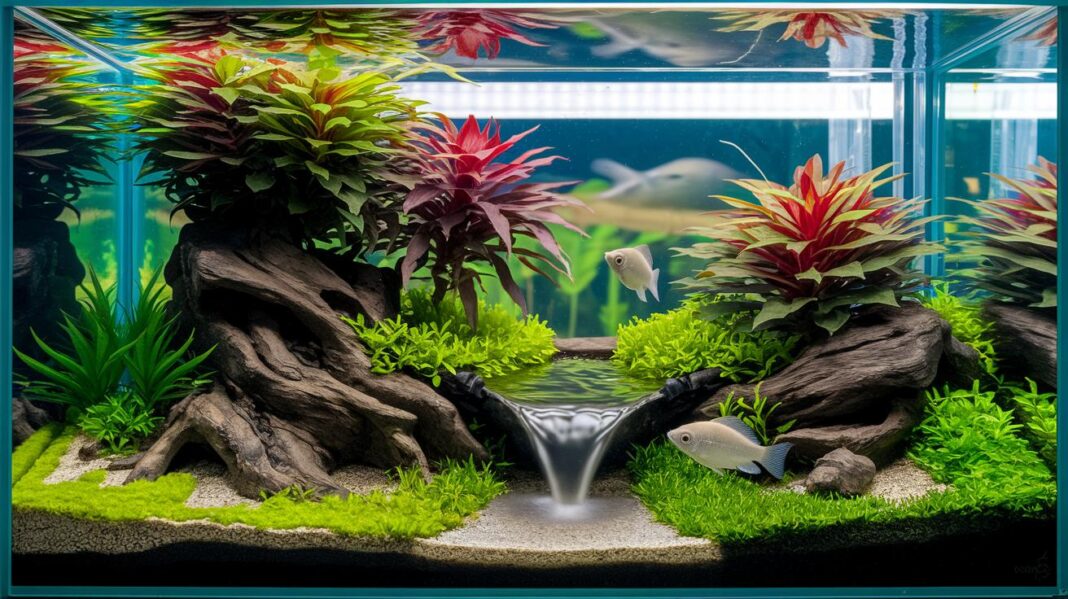

Ever wondered if your aquarium could take care of itself like a gentle stream? With a simple DIY natural ecosystem, you can let nature do the cleaning. By adding deep sand beds, lively live plants, and a safe little hideaway, you create a mini cycle where good bacteria and plants team up to keep your water clear. In this guide, I'll show you how to set up a filter system that runs almost on its own, so your underwater world stays fresh and inviting without much effort.
Foundations of DIY Natural Aquarium Ecosystem Filtration Techniques
Have you ever thought about creating your own natural filter for your aquarium? DIY natural aquarium ecosystem filtration techniques bring a creative, eco-friendly twist to keeping your water clear. It’s like mimicking nature’s own way of cleaning, a gentle, self-sustaining system that skips the heavy chemicals.
A balanced nitrogen cycle is the heart of this method. In everyday words, tiny beneficial bacteria turn harmful ammonia into nitrites and then into nitrates. Imagine it as nature’s mini water treatment, just like in a clear mountain stream. Your aquatic plants and nutrient-packed substrate work together in a continuous cycle, keeping your water fresh and inviting.
Consider these natural elements:
| Element | What It Does |
|---|---|
| Deep Sand Beds | A cozy home for helpful bacteria |
| Refugium Zones | A safe spot for extra plants and little critters |
| Live Plants | Absorb extra nutrients, keeping water clear |
| Anaerobic Pockets | Areas where denitrification wraps up the cleaning process |
| Nutrient-Loading Substrate | Rich base that feeds plant roots and boosts overall health |
When you mix these elements together, the result is a self-sustaining natural filter that hardly needs daily fuss. Deep sand beds act like a base for beneficial bacteria, while refugium zones offer a safe haven for extra life. Live plants continuously grab excess nutrients, and hidden anaerobic pockets finish the job by cleaning up any leftovers. Meanwhile, a nutrient-rich substrate keeps the roots strong, ensuring your aquarium remains as clear and lively as a serene pond on a sunny day.
Understanding Biological Processes in Natural Aquarium Filtration Techniques

Advanced Bacterial Dynamics and Environmental Influences
We already know a bit about the nitrogen cycle, but there are extra hints in how bacteria settle in your tank. Studies show that how fast bacteria grow can change with things like water temperature, flow, and even how much organic stuff is in the water. One aquarist shared, "After I adjusted my tank’s water flow and cooled it down a bit, my bacteria got to work two weeks earlier than I expected."
Deep sand beds also play a big role by forming layers with less oxygen. One group of fish lovers found that a thicker sand layer builds a strong community of oxygen-free bacteria, which helps clear out nitrates. A note from an aquarist’s diary said, "I saw that making my sand bed deeper cleared my water faster as nitrates dropped significantly in a short time."
pH Buffering and Its Role in Bacterial Efficiency
Keeping your tank’s pH stable is essential for bacteria to work well. Buffering agents like ECO Buffer dKH (a simple way to balance your pH) make sure both oxygen-loving and oxygen-free bacteria stay active. One tank owner mentioned, "I started with a small dose of ECO Buffer dKH and tested my water regularly; tweaking it helped my bacteria thrive and break down waste better."
Selecting and Preparing Materials for Custom Biofiltration Techniques
Building your own natural bio filter is a bit like designing an underwater garden full of life. It all begins by choosing a tank that sets the stage for your water world. Many fish enthusiasts love the ECO Mini 14R and ECO Mini 28R because they mix just the right amount of space with a stylish design. You can check out more options at https://sweetfysh.com?p=347 to see what fits your dream setup.
Next, let’s talk about the substrate. Think of it as the rich, cozy soil that nourishes your aquarium plants. A good guide suggests settling on a nutrient-packed base that’s about 1.5 to 2 inches deep. Miracle Mud works wonders here, just give it a good initial soak and swap it out sometimes. This not only supports your live plants but also invites friendly bacteria to settle in and help clean up waste.
The filter media is like the secret ingredient in your living filter. Choosing the right pieces, such as Pro Series Filters or Deluxe Filter Systems, lets good bacteria take root. When you add in components like the ECO Phos Cartridge and ECO Phos media, it helps keep pesky phosphates in check, so your water stays crystal clear.
As you put everything together, make sure your live plants get plenty of nutrients. Fast-growing stems are ideal because they quickly absorb nutrients, keeping the water balanced. A handy tip is to mix in a little bacterial starter like refugium seeding mud. It speeds up the nitrogen cycle, making your tank a happier place as everything settles into balance.
Remember, every part you choose is key to creating a thriving aquatic ecosystem. Take your time to test and adjust your materials as your tank grows and changes.
| Material | Purpose | Example Product | Recommended Quantity |
|---|---|---|---|
| Aquarium Tank | Habitat & volume | ECO Mini 28R | 1 tank |
| Substrate | Root support & nutrients | Miracle Mud | 10 lbs |
| Filter Media | Bacterial colonization | Pro Series Bio Balls | 2 bags |
| Live Plants | Nutrient uptake | Fast-growing stems | 5 bundles |
| Bacterial Starter | Cycle acceleration | Refugium Seeding Mud | 1 cup |
Step-by-Step Guide to Assembling Your DIY Natural Ecosystem Filtration Unit
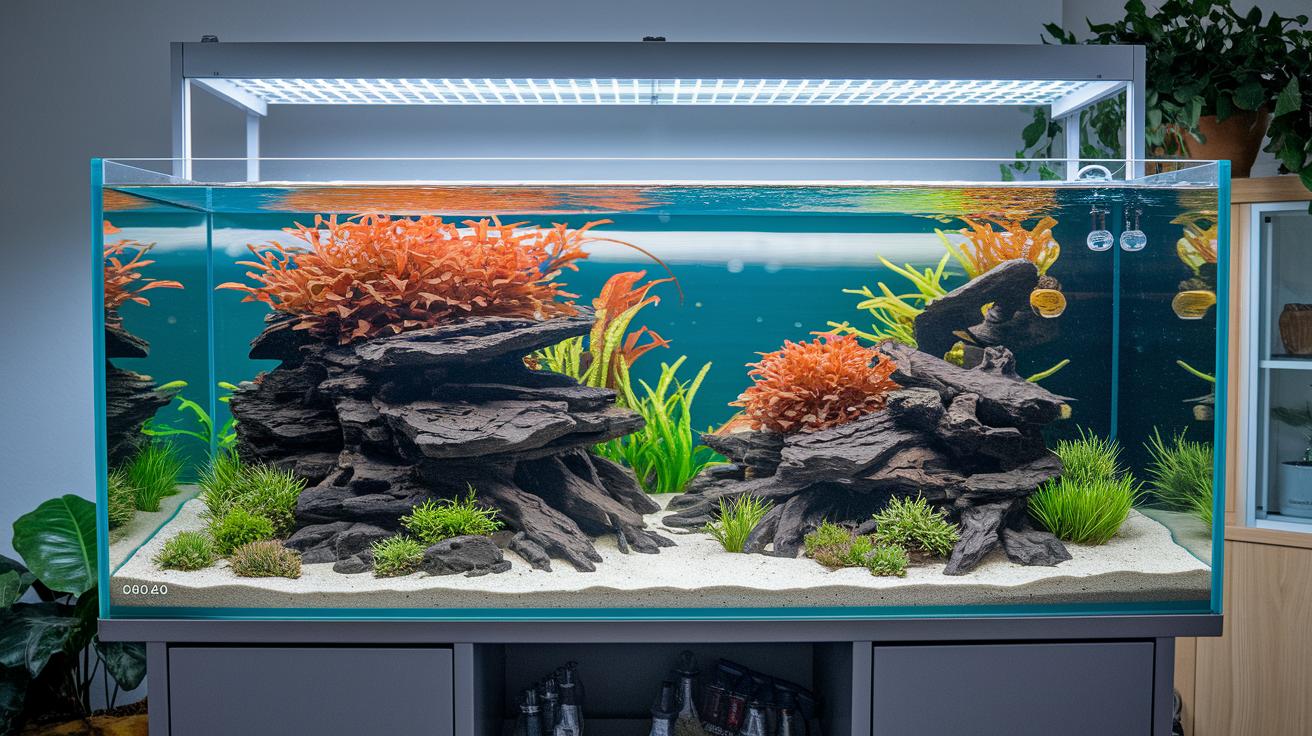
Start by placing your tank on a solid, even stand. Make sure your 380-gallon main display aquarium (60×39×39") sits perfectly balanced, as this makes a big difference. A level tank stops leaks and helps water move smoothly. One fish keeper once mentioned how adjusting his stand led to better water circulation and happier fish.
Next, add your substrate and media. Spread a nutrient-packed base about 1.5 to 2 inches deep across the bottom. This layer acts like a cozy bed for plant roots and encourages friendly bacteria to settle in. Mix in your filter media, too, to create a thriving bio bed. In your deep sand bed sump (39×33×20" with a 14" water level), this approach helps natural denitrification and sets up an ideal home for those helpful bacteria.
Then, set up your plumbing by linking your main tank to both the sump and a dedicated refugium chamber. Secure all hoses and valves so that water flows steadily from the display tank into the sump. Adding airstones along the way ensures the water gets plenty of oxygen. The refugium chamber not only boosts filtration but also provides a nurturing spot for macroalgae that naturally purify your water.
After your plumbing is in place, it’s time to fill the tank and start dosing with ECO Balling Method supplements. As you fill, break it into three parts by adding supplements for calcium, magnesium, and alkalinity. Following these dosing guidelines ensures your water chemistry supports the growth of beneficial microbes, much like feeding your fish a balanced meal.
Finally, set up the water flow, lighting, and initial cycling. Turn on the circulation pump to create a gentle current throughout your unit, and arrange your lighting to run for about six to eight hours each day. With time, you’ll notice the gentle dance of light, water, and natural processes bringing your aquarium into a calm, balanced cycle.
Integrating Aquatic Flora and Maintaining Equilibrium in Natural Filtration Techniques
Keep an eye on your tank every day to see how the plants are growing. Sometimes, a thick patch can block light from nearby plants, so a little trim can help. I used to set a timer each evening to check in on my aquarium, and it really helped me keep things balanced without needing a big clean-up.
When you notice fast-growing stems crowding each other, try clipping just a small part instead of cutting everything back at once. For instance, I’d trim about 10% of the overgrown area each week. This gentle approach keeps the water clear and the natural filter working smoothly by reducing extra decaying plant bits.
Also, set up a routine to remove older or dying leaves from your tank. I found that trimming in a pattern, starting at the center and then picking alternating sides, creates a neat look and keeps the system lively. This careful, step-by-step care helps your underwater garden thrive in a calm, even way.
DIY natural aquarium ecosystem filtration techniques: thrive
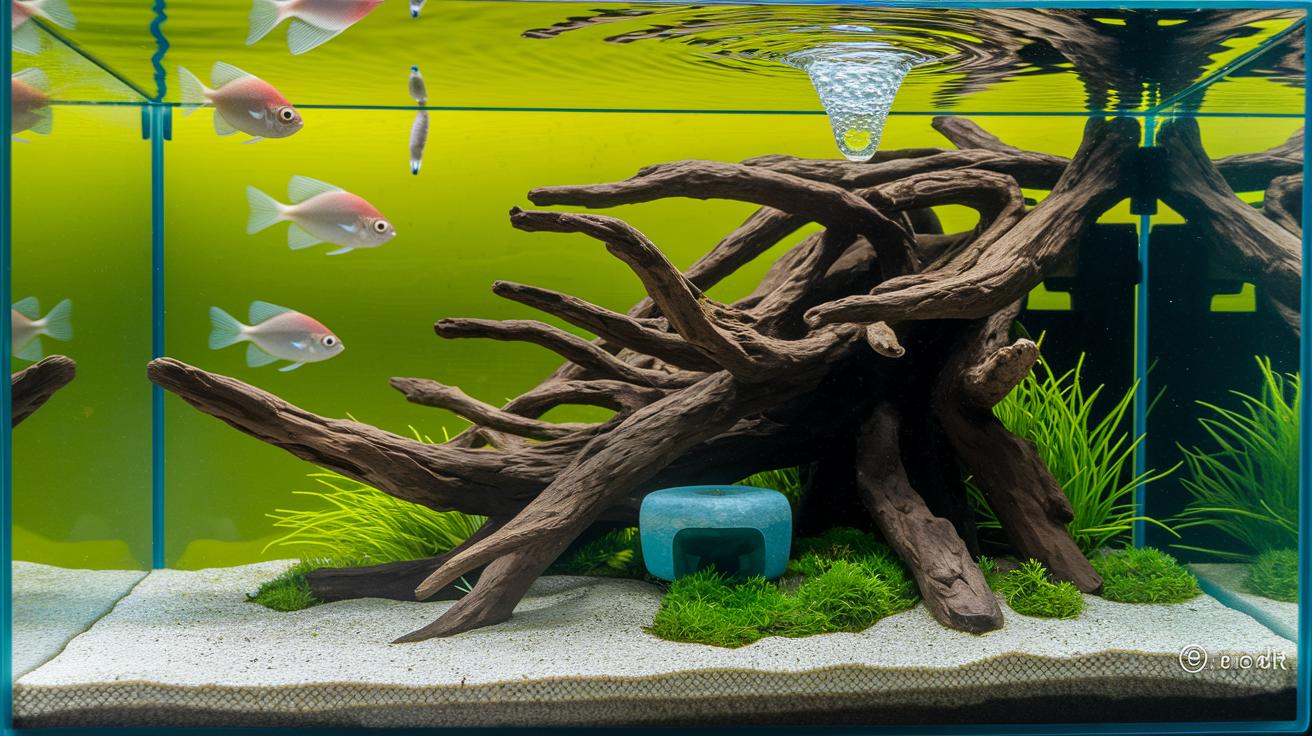
If your aquarium water starts to look yellow or gets murky, it's a clear sign that your natural filter isn’t doing what it's supposed to. Check if the water flow is weak or if the filter seems tired. Sometimes, pond-style substrates leave behind a stubborn yellow tint that even activated carbon can't break down. A simple water test kit can help you spot ammonia or nitrate spikes, giving you a clear idea of what needs a little fix.
Kick things off by boosting the water flow with air stones or by cutting down on the number of fish to lower waste. Test your water regularly because a sudden change can harm your fish and plants. I once heard from an experienced fish keeper who said a small tweak in water flow made his tank clear in just a few days. It really shows that little changes can make a big difference.
Keep your eyes on ideal water conditions to make sure your aquatic pals stay safe. Aim for very low ammonia, almost zero nitrites, and controlled nitrate levels. Regular water testing, along with a quick check on water flow and filtration, forms the backbone of a healthy, natural aquarium. Even small steps like cleaning a clogged filter or adding some gentle aeration can really brighten up your tank. Stick to these simple measures, and you'll have a thriving, natural ecosystem that feels as refreshing as a dip in a cool stream.
Final Words
In the action, you learned the basics of DIY natural aquarium ecosystem filtration techniques. The post outlined how the nitrogen cycle works, the role of live plants and nutrient-rich substrates, and the best methods for assembling and troubleshooting your custom filter. It explained both building a balanced aquatic environment and enhancing your tank’s decor with natural elements. With these insights and clear steps, creating a healthy underwater home for your fish feels both achievable and rewarding. Enjoy the process and watch your aquatic world flourish.
FAQ
What are the best DIY natural aquarium ecosystem filtration techniques?
The best DIY natural aquarium ecosystem filtration techniques combine aquatic plants, nutrient-rich substrates, and beneficial bacteria to filter waste naturally and keep your tank’s water clean.
How can I create a self-sustaining fish tank ecosystem?
Creating a self-sustaining fish tank ecosystem means replicating natural processes by cycling beneficial bacteria, using live plants for natural nutrient uptake, and building a balanced system that manages waste effectively.
What does an aquarium ecosystem diagram show?
An aquarium ecosystem diagram shows how different components—like substrates, live plants, and water flow—work together in your tank to support waste breakdown and maintain a clear, healthy environment.
How do I make a self-filtering aquarium or self-sustaining fish tank?
Making a self-filtering aquarium involves layering nutrient-rich substrates, adding live plants and beneficial bacteria, and establishing proper water circulation that naturally breaks down waste and clarifies your water.
How can I naturally filter aquarium water?
Naturally filtering aquarium water means using techniques like deep sand beds, live plants, and beneficial bacteria that work together to transform harmful waste products into safer compounds while keeping your water clear.
How do I get beneficial bacteria in my aquarium naturally DIY?
To naturally get beneficial bacteria in your aquarium, start with a nutrient-rich substrate and live plants that promote bacterial growth, helping establish the nitrogen cycle that converts toxic waste into harmless compounds.
How can I get aquarium water clear naturally?
Keeping aquarium water clear naturally involves maintaining a balanced ecosystem with proper filtration, regular water tests, and the use of live plants and beneficial bacteria that clean your water without harsh chemicals.