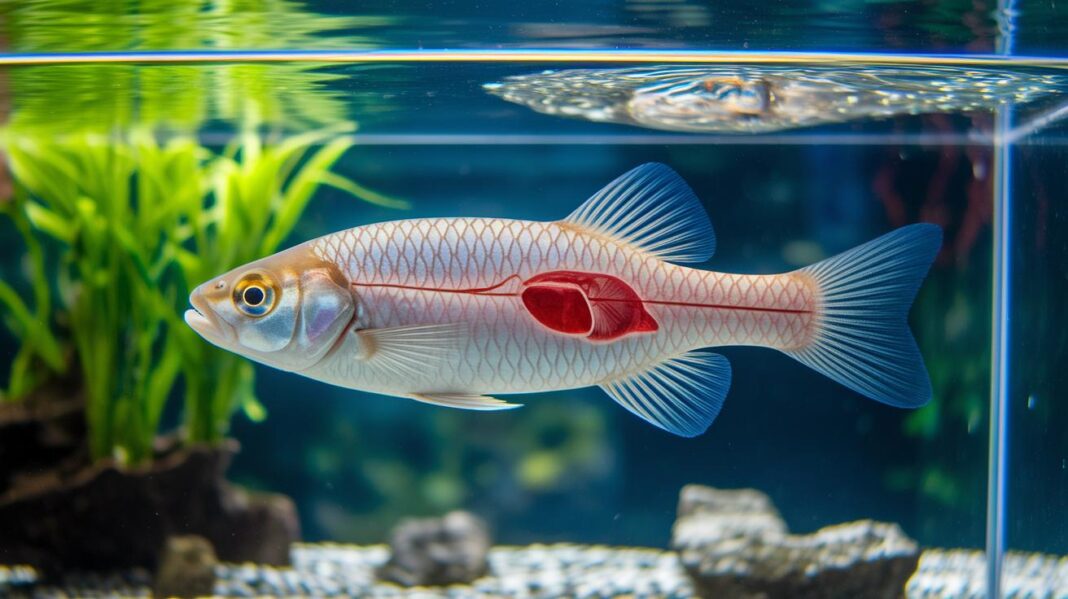

Ever wondered if fish really have a heart? It might sound odd, but every fish has its own little pump that sends life-giving blood through its body.
Think of it like a tiny engine in a mini underwater car, making sure oxygen and nutrients flow where they’re needed most. In our little chat here, we'll explore in plain language how this heart works, keeping every fish lively in its watery world.
Fish Cardiovascular Basics: Confirming the Existence of the Heart
Every fish has its own special heart that keeps them moving by pumping blood filled with oxygen and good nutrients all around. Imagine the heart as the engine in a tiny undersea car, it pushes blood through little roads called veins, arteries, and capillaries, making sure every part of the fish gets what it needs to thrive.
At the center of this underwater journey are two major players: the heart and its network of blood vessels. When a fish breathes, oxygen travels through its gills, hops onto the blood, and gets delivered right to the organs. This clear, if simple, system helps fish flourish in many watery homes, from bustling coral reefs to quiet freshwater streams.
Seeing how the heart and vessels work together shows how real and essential the fish’s heartbeat is. By understanding this natural system, we can truly appreciate how each lively fish so gracefully glides through the water.
Heart Anatomy in Fish: Chambers and Structural Design
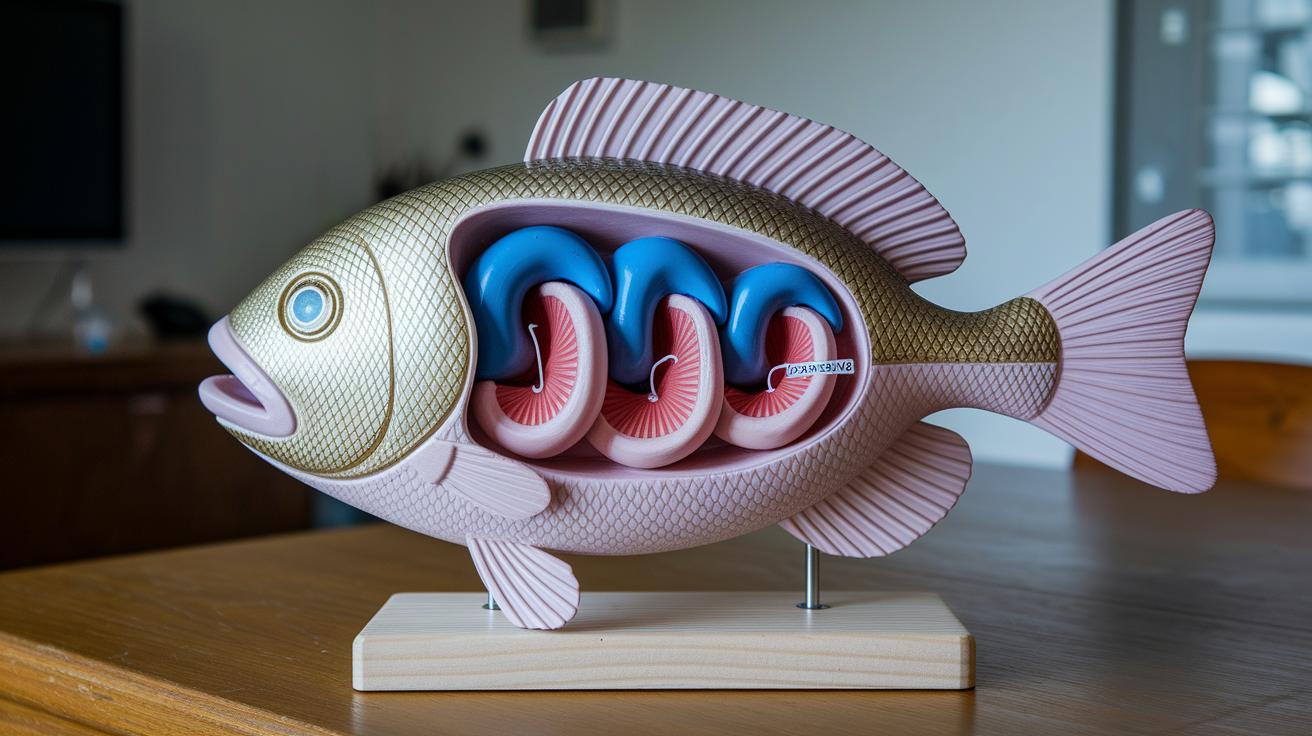
Fish hearts are truly amazing. They have four main parts that work in a special order to keep blood moving smoothly all around the body. With every heartbeat, blood travels from the sinus venosus, through the atrium, then the ventricle, and finally the bulbus arteriosus before making its way to the gills.
Sinus Venosus
This first chamber acts like a calm waiting room. It briefly stores incoming venous blood from different parts of the body. Imagine it as a cozy entry hall where guests gather before moving on to the main event.
Atrium
Next up is the atrium. Here, blood is collected and gently arranged before it heads off. It’s like a waiting room where everything is organized and prepared for the journey to follow.
Ventricle
The ventricle is where the real work happens. This chamber contracts with power to push blood out to the gills. Think of it as the engine of the heart, giving the strong push needed to move blood along.
Bulbus Arteriosus
Finally, the bulbus arteriosus acts as a soft buffer. It absorbs some of the strong pulses from the ventricle, making the blood flow smooth and steady, much like a cushion softens a fall.
| Chamber | Function |
|---|---|
| Sinus venosus | Gathers and briefly stores venous blood |
| Atrium | Collects and directs blood to the ventricle |
| Ventricle | Contracts to pump blood out with force |
| Bulbus arteriosus | Softens pressure to ensure smooth blood flow |
Circulatory Pathway: How Blood Moves Through Fish Hearts
Fish have a unique heart system that keeps blood moving in a single loop. The blood travels from the heart to the gills, where it picks up fresh oxygen, and then carries that oxygen-rich flow on to nourish all the body parts, much like a smooth, continuous conveyor belt.
Imagine watching a conveyor belt at a fish market: the blood moves steadily from the heart to the gills, recharging with oxygen as it goes, ready to energize every cell. This simple, effective cycle makes sure that every beat counts.
| Stage | Origin | Destination |
|---|---|---|
| Stage 1 | Sinus venosus | Atrium |
| Stage 2 | Atrium | Ventricle |
| Stage 3 | Ventricle | Gills |
| Stage 4 | Gills | Body tissues |
This ongoing cycle shows just how efficient a fish's blood flow system is, echoing earlier details about the amazing design of fish anatomy.
Comparing Fish Hearts with Mammalian Cardiovascular Models

Mammals have hearts with four chambers that work on two main circuits. One route sends blood off to the lungs to pick up oxygen, and the other spreads the oxygen-rich blood throughout the body. Fish, on the other hand, have a simpler, single-loop system. Their heart receives blood that needs oxygen, sends it off to the gills where it gets a breath of fresh air, and then pumps it to the rest of the body. This design means fish hearts work under lower pressure and beat more slowly, which fits well with their cool, water-filled world.
Fish hearts are perfectly made for life underwater. In a gentle aquatic setting, a slow, steady beat is all they need compared to the busy two-circuit system of mammals. The simple, single-loop design meets the fish’s natural habitat and energy needs, letting them move smoothly even in chilly water. It’s a neat reminder of how different creatures adapt their inner workings to the world around them.
Do Fish Have a Heart? Surprising Anatomy Insights
When water turns chilly, fish hearts adjust in ways that are really impressive. In cool waters, many fish slow down their heartbeats while making their heart muscles more flexible. This means their hearts beat softly, almost like a slow, gentle ripple, but are tough enough to handle chilly conditions without causing strain. It’s like their heart is dancing with the calm, cool water, keeping their blood flowing smoothly.
Salty water also brings its own twist to the story. The extra minerals in saltwater make the blood a bit thicker, so the fish heart has to work a little differently. The muscles learn to pump with just the right strength to keep things moving along efficiently. Imagine a fish that lives in the ocean, mastering a steady and powerful beat that pushes thicker blood through its streamlined body.
These special tweaks are nature’s way of helping fish thrive in all sorts of watery worlds, from the brisk streams of a cool mountain brook to the vast, salty seas. Every heartbeat is finely tuned to the environment, letting fish glide through life with a constant, reliable rhythm.
Health Insights: Disorders and Stress Responses in Fish Hearts
When fish get stressed, it's like their hearts go into overdrive. A sudden shift in their watery home or a nearby predator can send a rush of adrenaline and other feel-good chemicals through their body. This makes their heart beat in an odd, unpredictable way, as if it were warning them of danger. Imagine a fish darting away in panic, its tiny heart pounding fast like a frantic drummer in a watery concert.
Pollutants and toxins add another layer of trouble. Harmful chemicals in the water can throw off a fish’s natural beat and even weaken its powerful pump. In simple terms, these substances make the heart work much harder than it should, which can lead to uneven and shaky heartbeats that leave the fish extra stressed.
To help fish heart health, whether in aquariums or in the wild, it's important to keep their surroundings calm and clean. Simple steps like regular water changes and careful use of chemicals go a long way in keeping the heart’s rhythm steady. Also, offering nutritious food and avoiding sudden disturbances can really make a difference. This kind of gentle, proactive care lets our finned friends handle challenges better and enjoy a smoother, healthier circulation.
Final Words
In the action of exploring fish hearts, we uncovered the core truth behind their unique pump system. We journeyed from detailed chamber roles to how blood gracefully flows across gills, building a picture of a well-orchestrated aquatic system. We even saw how environmental shifts shape heart performance, setting fish apart from their land counterparts. The discussion leaves us with one key insight: do fish have a heart? Each insight helps create a better, breezy underwater space for fish care, making the aquatic world a little more magical every day.
FAQ
Do fish have brains?
The query “do fish have brains?” means fish do indeed have brains. Their brains may be simpler than ours but they help control behavior, coordination, and basic survival in the underwater world.
Does fish have heart attack?
The idea that fish might have a heart attack means stress or toxins can cause issues in their cardiac function. Their hearts can experience disturbances, but these events differ from typical mammal heart attacks.
Do fish have lungs?
The question “do fish have lungs?” shows that most fish do not possess lungs; they use gills for extracting oxygen. Only certain lungfish have developed lung-like organs for breathing air.
How many chambers does a fish heart have and what does its diagram reveal?
The inquiry “fish heart how many chambers?” explains that a fish heart has four chambers: sinus venosus, atrium, ventricle, and bulbus arteriosus. This structure efficiently moves blood in one smooth flow.
Do fish have blood?
The question “do fish have blood?” affirms that fish possess blood circulated by their heart. This blood carries oxygen and nutrients, ensuring that all body tissues perform their vital functions.
Do fish have feelings?
The question “do fish have feelings?” suggests that while fish may not experience emotions like humans, they respond to stress and environmental changes through their nervous systems.
Does a fish have a heart and a brain?
The inquiry “does a fish have a heart and brain?” confirms that fish have both. Their heart maintains circulation and their brain manages sensory input and basic functions, supporting life underwater.
Which fish does not have a heart?
The question “which fish does not have a heart?” indicates that every known fish species has a heart, making it an essential organ for circulating blood and sustaining aquatic life.