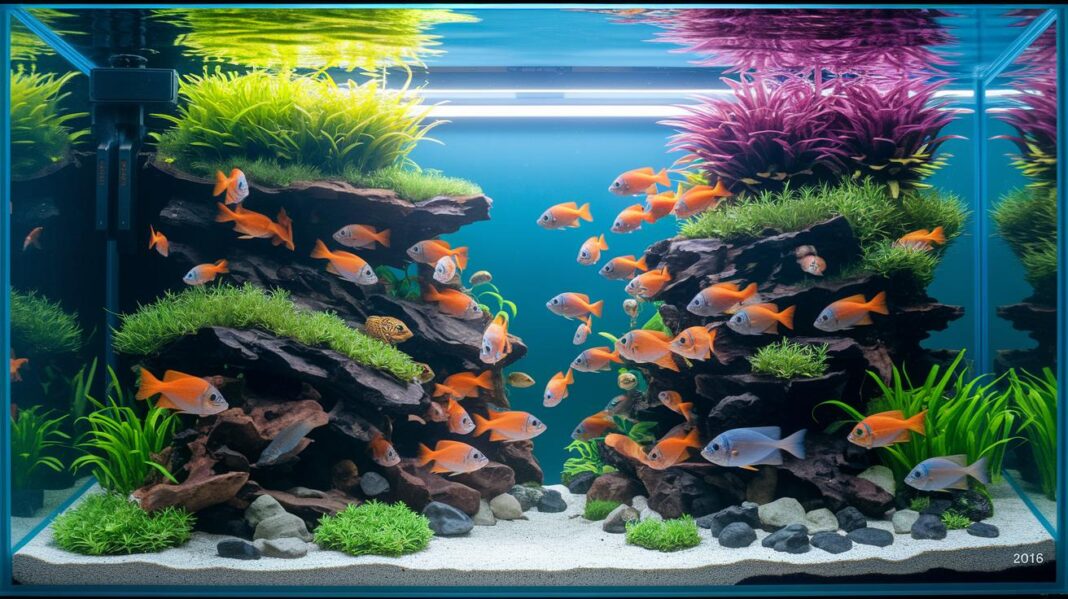

Have you ever noticed how some tanks burst with life while others seem a bit dull? Bio-media can be the secret boost your aquarium needs. It offers a cozy spot for the good bacteria, kind of like a little cove where they can turn harmful substances into something safe.
Imagine those tiny microbial friends settling in a snug nook, growing steadily and supporting strong fish and bright, lively plants. It’s similar to how a well-arranged hiding spot helps creatures feel secure and happy.
In this article, we dive into how picking the right bio-media can create a balanced, thriving water home for every aquatic friend in your tank.
Bio-Media Fundamentals for Enhancing Aquarium Ecosystems
Bio-media is the secret ingredient to keeping your fish tank healthy. It gives a cozy home to good bacteria that turn dangerous ammonia into safe nitrites and then into nitrates. This magical process, known as the nitrogen cycle, usually takes about 4 to 6 weeks to settle into a smooth routine. With stable water settings like the right hardness, pH, and nitrogen levels, your fish, plants, and even the little bacteria can all thrive together.
Imagine a tiny, hidden world inside your tank where each piece of medium-grain gravel or natural stone is like a snug hideout for those beneficial bacteria. Materials such as quartz, basalt, or volcanic lava are full of tiny holes that act like mini shelters. Each little pore gives the bacteria plenty of room to grow and work their magic.
Good bio-media not only helps clean your water naturally but also supports the whole aquatic habitat. When the bacterial colony is well-established, it keeps the water balanced, paving the way for lush plants and vibrant fish life. Just like a carefully tended garden brings out the beauty in every plant, the right bio-media helps your aquarium burst with life, where every little creature plays a part in a healthy, balanced ecosystem.
Comparing Bio-Media Types for Effective Biological Water Filtration

Scoria and lava rock are naturally porous, giving friendly bacteria plenty of room to set up camp. Before you add them to your tank, give them a good rinse to clear off any dust or loose particles. This little step helps the bacteria settle in nicely, and best of all, these materials won’t break the bank.
Ceramic rings and bio balls have smooth, uniform channels that act like tiny safe passageways for bacteria during cleaning. Their steady design means both water flow and the helpful bacteria stay undisturbed even when you tidy up your tank. They’re built tough to handle regular maintenance and work well for long-term filtration.
Sponge filter cartridges are a neat two-in-one solution that catches debris while offering a cozy home for bacteria. This makes them ideal for small tanks or any setup that needs a compact but effective system. They work hard to clear out waste and boost good bacteria, keeping your aquatic world healthy and balanced.
Porous gravels and stoneware, like quartz, basalt, or volcanic lava, are loved for their natural texture that invites a dense growth of bacteria. These materials let a rich biofilm form, which helps support your tank’s natural cycle without costing too much. They’re a natural choice to keep your aquarium thriving.
| Media Type | Porosity Level | Ideal Use |
|---|---|---|
| Scoria and Lava Rock | High | Pre-filter rinsed, cost-effective bacterial boost |
| Ceramic Rings and Bio Balls | Moderate | Uniform channels, durable maintenance |
| Sponge Filter Cartridges | Variable | Combined mechanical and bacterial filtration |
| Porous Gravels and Stoneware | High | Natural substrates supporting dense biofilm |
enhancing aquarium ecosystems with bio-media fuels thriving life
For a thriving aquarium, begin by setting up your substrate just right. Use 2 to 3 inches of medium-grain gravel or volcanic stone to create a comfy base. Think of this layer as a soft, secure rug that welcomes and nurtures helpful bacteria.
Next, add your bio-media into a filter chamber made just for it. Place pre-filter sponges at the beginning of the water’s journey so that larger debris is trapped before it reaches the bio-media. These sponges work like trusty guards, letting water flow smoothly while protecting your growing bacterial colony, just like tidying up before friends arrive.
Try not to disturb the substrate, especially during the early cycling phase. The first bacteria to make their home need calm and quiet to build their community, much like the gentle ripples on a still pond that slowly grow into a vibrant expanse.
Keep the water moving by aiming for a turnover rate of 4 to 6 times the tank’s volume per hour. This steady flow reminds me of stirring a perfectly mixed drink, where every taste is evenly balanced. Following these steps will help maintain a stable, lively aquatic world right in your home.
Sustaining Beneficial Bacterial Colonies in Bio-Media Filters
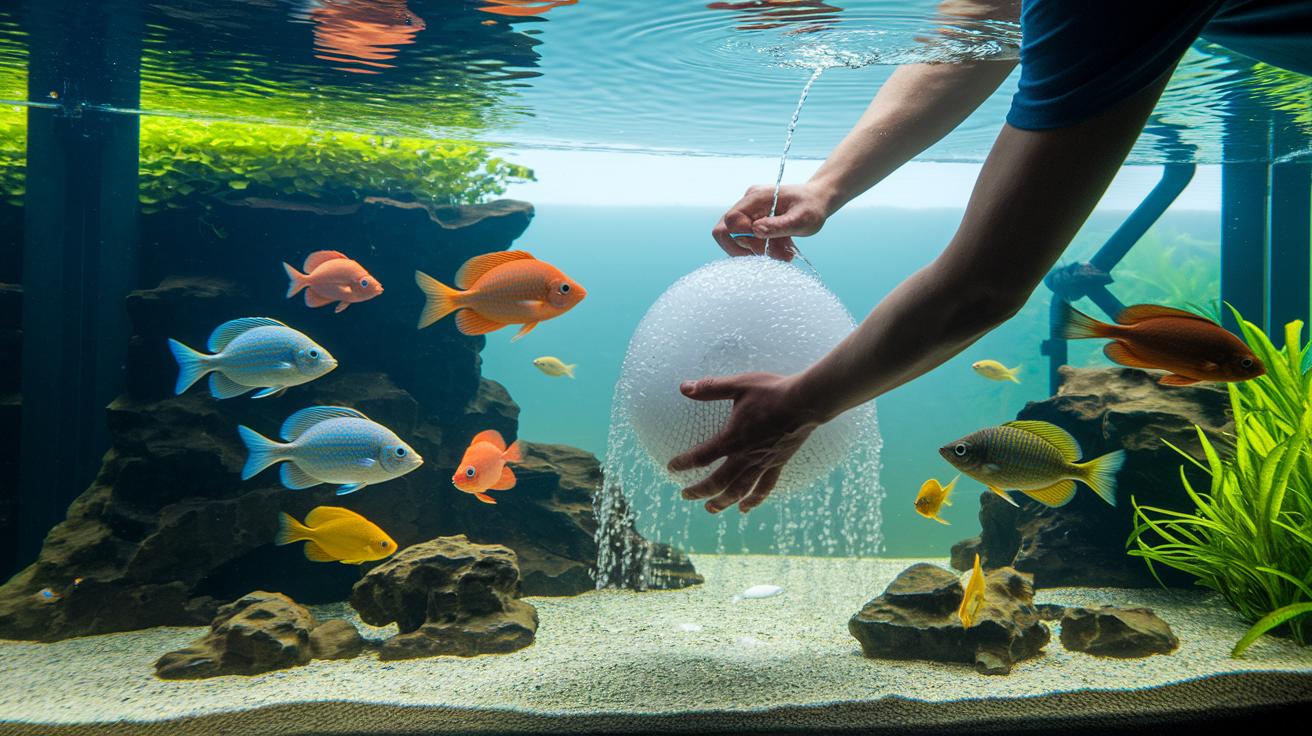
Take care of your bio-media filter gently so your friendly bacteria stay happy. Instead of using tap water, which can have chlorine that shocks your little helpers, use water straight from your tank. A quick rinse, like a light shower, will clear away debris without washing away the good bacteria. I once rinsed my filter with tank water, and it was like the bacteria had enjoyed a refreshing dip before bouncing back.
It’s a smart move to check on your filter regularly. Changing about 25% of your water every two weeks helps keep nitrate levels under control and gives your bacteria a steady home. Think of it like refreshing the water in your favorite fish bowl to keep everything clean and cheerful.
Don’t forget to scoop out any uneaten food or stray plant bits. It’s like tidying up after a meal; leaving behind scraps can lead to ammonia spikes that might overwork your bacteria. Also, be mindful of how many fish are in your tank because too many can overwhelm your filter’s system and put extra pressure on your hardworking bacteria.
Even quick maintenance, such as a light rinse of your organic media, goes a long way. Keeping up with these little tasks ensures your filter does its job well so every creature in your tank can enjoy a balanced, thriving habitat.
Monitoring Water Quality and Nutrient Cycling with Bio-Media Systems
Keeping your tank happy means keeping its water clean. When you check for things like ammonia, nitrite, nitrate, pH, and hardness, you’re really making sure your bio-media is doing its job well. You can use kits or drop checkers to keep an eye on these numbers: 0 ppm for ammonia and nitrite, less than 20 ppm for nitrate, a pH between 6.5 and 7.5, and hardness between 4 and 12 dGH. Fun fact: even a little change in pH can unsettle your fish and the friendly bacteria that help keep harmful compounds in check.
The nitrogen cycle in your tank takes about 4 to 6 weeks to get fully started. This means you need a bit of patience before adding many fish. During this time, regular water tests act like quick check-ups, making sure everything is balanced. Think of it like cooking your favorite meal – every ingredient is measured just right. Doing a 25% water change every two weeks stops extra nutrients from building up, which keeps both the chemicals and bacteria balanced. A steady temperature, maintained by a trusty heater or controller, also helps both your fish and the bacteria feel calm and at home.
Weekly tests are simple but really important for a smooth-running underwater world. When you look at your water conditions, you know when to adjust feeding and avoid any extra waste problems. Keeping track of pH and hardness, in particular, tells you if there’s something sneaky affecting the nitrogen cycle. By sticking to this routine, you help every part of your aquarium, fish, plants, and bacteria, have a safe and pleasant home.
| Parameter | Ideal Range | Test Frequency |
|---|---|---|
| Ammonia | 0 ppm | Weekly |
| Nitrite | 0 ppm | Weekly |
| Nitrate | < 20 ppm | Weekly |
| pH | 6.5–7.5 | Weekly |
| Hardness | 4–12 dGH | Weekly |
Advanced Strategies for Sustainable Aquatic Habitat Improvement with Bio-Media
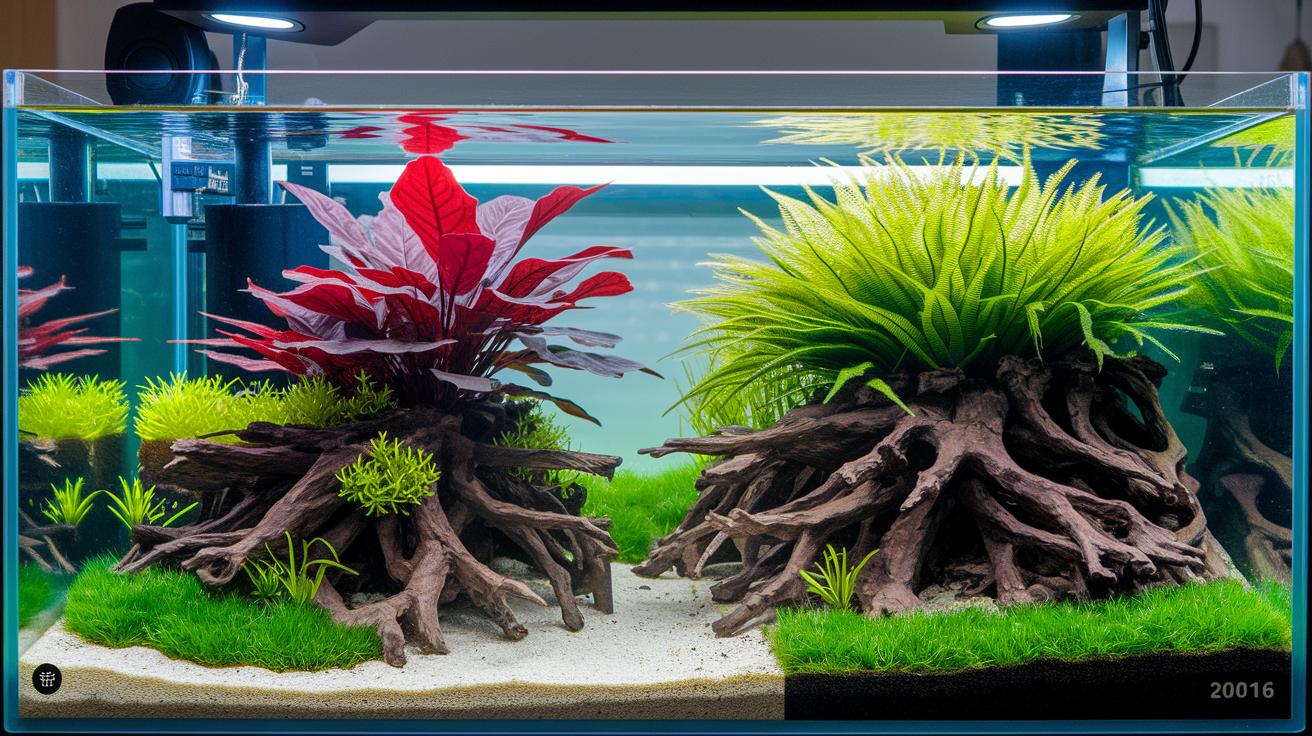
Start by using your bio-media alongside live plants like Anubias and Java Fern. This blend not only boosts oxygen levels and makes it easier for nutrients to spread but also forms a lively, natural base for your tank, cleaning the water the way nature intended. Picture a few Java Fern fronds adding a burst of freshness to your tank, kind of like how mixing live plants with bio-media turned my first setup into a thriving little ecosystem.
Multi-stage filtration is truly a game changer. Try using sponges, ceramic rings, and plant-root media all at once. They work together in layers, much like pieces of a coral reef, each doing its own part to keep your water balanced and healthy.
To mix things up even more, consider upping your water flow with a circulation pump. This extra movement helps the water meet more of the bio-media, just like stirring ingredients in your favorite recipe. And if you're feeling creative and want to save a little cash, you might try a DIY mix of volcanic rock and ceramic scrap. These materials provide plenty of surface area for a cost-effective and efficient tank setup. With these clever tips, you'll soon have an aquarium that feels as sustainable as it is lively.
Final Words
In the action, the post explained how bio-media acts as a home for beneficial bacteria that turns harmful waste into harmless nutrients. It covered the range of filter options, proper tank setup, and care routines that keep water fresh and chemical balances stable. Thoughtful steps like rinsing media with tank water and steady water testing help keep your tank thriving. Every tip blends practical advice with clear, easy steps to build a peaceful setting for your fish. Enjoy the rewards of enhancing aquarium ecosystems with bio-media!
FAQ
Q: What are some top bio media options for enhancing freshwater aquarium ecosystems?
A: The top bio media for freshwater aquariums provide ample surface area for beneficial bacteria. Options include porous volcanic rock, ceramic rings, and trusted selections like Seachem Matrix, delivering clear water and stable conditions.
Q: How does biological filtration benefit the aquarium environment?
A: The biological filtration benefits the aquarium environment by hosting bacteria that convert harmful ammonia into nitrate. This natural process keeps water clean and stable for both fish and plants.
Q: Can I put bio media in an aquarium?
A: Yes, you can place bio media in an aquarium. These porous substrates offer a home for beneficial bacteria crucial for converting toxins and maintaining water quality.
Q: Can I put bio balls directly in an aquarium?
A: Bio balls can be placed directly in an aquarium, though using a filter chamber with pre-filter sponges is recommended. This setup minimizes disturbance while maintaining the beneficial bacterial community.
Q: What is the best biological media for aquariums?
A: The best biological media offer high surface area and durability. Many aquarists favor products like Seachem Matrix, Sera Siporax Professional, and ceramic rings for their reliable performance and effective bacterial support.
Q: What are some options for bio media in saltwater aquariums?
A: Bio media for saltwater aquariums function much like their freshwater counterparts by hosting beneficial bacteria. Options include porous stones and products like Seachem Stability that are designed to support saline environments.
Q: What bio media is used for wastewater treatment?
A: Biofilter media for wastewater treatment typically use materials with high porosity, such as lava rock or ceramic rings, to support large colonies of bacteria that clean water efficiently and safely.
Q: Which bio filter is suitable for ponds?
A: A bio filter for ponds often employs substrates like bio media in large filter systems. These setups incorporate robust materials that foster beneficial bacteria to help keep pond water clear and balanced.