

Have you ever thought that your aquarium water could do more than just clear the tank? When you let it flow out, it carries tiny bits of chemicals and nutrients that can tip nature’s balance, much like a gentle current stirring up the pond.
But don’t worry, a few smart, eco-friendly disposal ideas can really help our waterways. In this post, we share easy tips to manage aquarium water in a way that keeps nature happy and healthy.
Isn't it amazing that every drop you handle the right way can add a little extra kindness to our natural world?
Environmental Consequences of Aquarium Water Disposal

When you let aquarium water flow out into nature, you might not realize it carries key signs like pH, ammonia, nitrite, and nitrate levels. These numbers help us spot potential problems, much like noticing the gentle ripple of water signaling a change. They reveal if extra chemicals might upset the balance for wildlife, like when bits of heavy metals or tiny traces of pesticides from your tank decor cause fish to struggle with their breathing or even mess up their ability to reproduce.
Extra nutrients from fish poop or overfeeding can lead to too much algae growth. This can choke out oxygen in some areas, making life hard for the plants and animals living there. Changes in water chemistry might speed up sediment buildup or even let small plastic pieces escape from your filters. Those tiny plastics could then travel up the food chain and affect birds, mammals, and eventually all of us. Wow, even a little bit can make a big impact.
| Contaminant | Aquarium Source | Environmental Impact |
|---|---|---|
| Heavy Metals | Decor, substrates | Hurt fish gills, harm reproduction |
| Nutrients | Fish waste, overfeeding | Trigger algal blooms and low oxygen |
| Chemical Residues | Cleaning agents, pesticides | Change water chemistry and cause toxicity |
| Microplastics | Filter media | Degrade habitats and affect the whole food chain |
The good news is that there are steps to reduce these risks. With better ways to check water quality and eco-friendly pet care tips, aquarium lovers are taking action. Following the right disposal methods not only stops chemicals from upsetting nature, but also helps keep our waterways balanced and healthy. Isn't it amazing how small changes can ripple into a better world?
Chemical Contaminants and Pollutants in Discharged Aquarium Water

When you let aquarium water go, it can carry tiny amounts of chemical leftovers that might hurt local streams or ponds. Modern water treatment uses smart filters and recycling tricks to cut down on heavy metals, extra nutrients, leftover medicines, and cleaning chemicals. It works a bit like a coffee filter catching grounds so you enjoy a clean brew.
| Contaminant | Aquarium Source | Environmental Impact |
|---|---|---|
| Heavy Metals (copper, lead) | Decor, substrates | Hurts fish health and their ability to reproduce |
| Nitrates & Phosphates | Fish waste, overfeeding | Feeds algae that can decrease oxygen in the water |
| Pharmaceutical Residues | Antibiotics, de-chlorinators | Disturbs the natural balance of tiny life forms |
| Cleaning Agents | Soap, bleach traces | Messes with the water’s pH and natural cycles |
These advanced treatment methods show real promise, helping us protect the gentle world of water we all depend on.
Ecological Disruption from Aquarium Water Disposal

When you dump out aquarium water, it can stir up more trouble than you might think. Even a little bit of water rich in nutrients can spark a burst of algae that quickly saps oxygen from the water. It’s like when a gentle splash sends ripples that shake up the whole pond.
Here’s what can happen:
- Extra nutrients cause algae blooms that drop oxygen levels, making it hard for fish and other creatures to breathe.
- Tiny particles from tank sediments sink and cover the bottom, upsetting the homes of native water critters.
- Little bits of plastic, like fibers from filter floss, sneak into the food chain and gather in small invertebrates and larger animals.
- Plastic debris in the water can hurt marine life, with over 100,000 animals affected each year by swallowing or getting tangled in it.
- Toxins begin to build up as they pass along the food chain, impacting fish, birds, and mammals alike.
All these points show why it’s so important to dispose of aquarium water carefully, keeping our underwater world as peaceful and balanced as a calm, clear stream.
Biological Hazards and Invasive Species in Aquarium Effluent
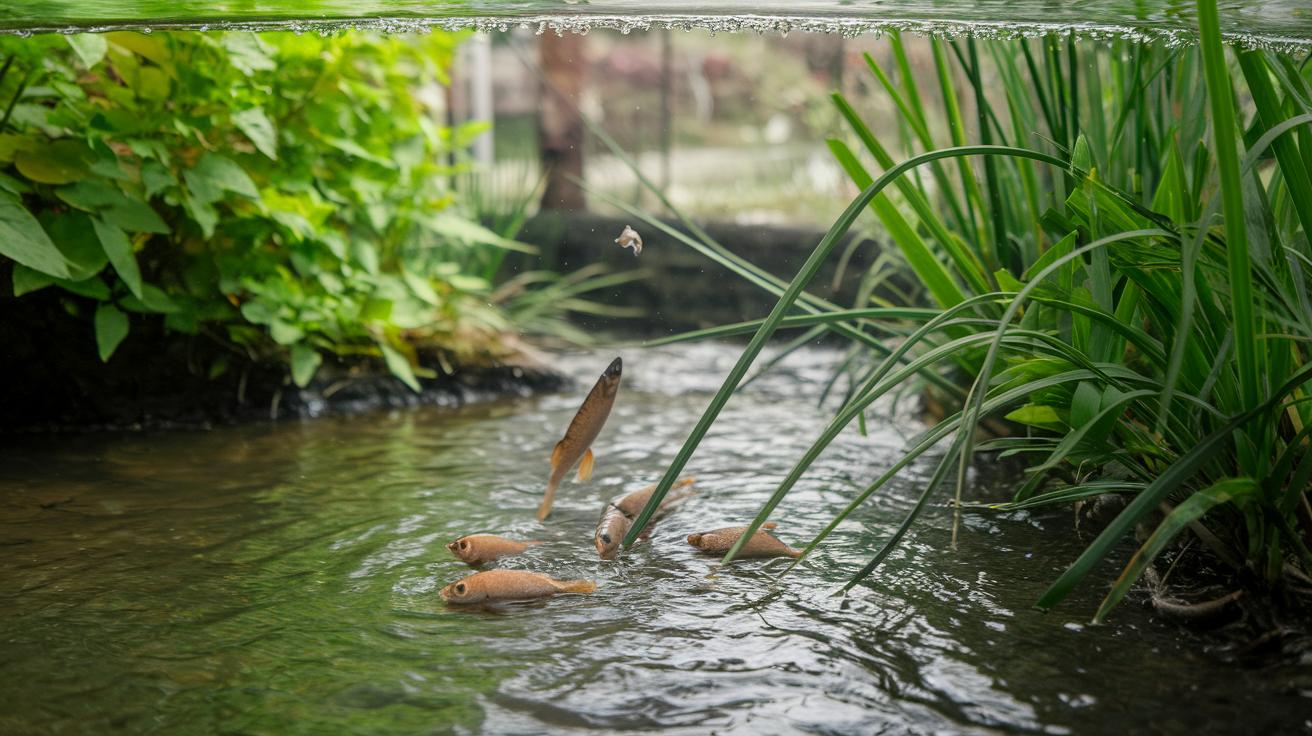
Ever thought about what happens when a bright little fish, a lively plant, or a tiny invertebrate manages to leave its tank and jump into a natural waterway? It can upset the gentle balance of local ecosystems. Even a small escape can cause a big stir because non-native species may quickly take over and push out the local critters that have long called those waters home. Picture one of your favorite aquarium plants suddenly rooting in a wild stream. That little change might ripple through the food chain and put native aquatic life at risk.
But it doesn’t stop with just the animals or plants you can see. The water in your tank might be carrying hidden dangers like harmful parasites or microbes, tiny beings that can spread faster than you expect. These microscopic intruders have a way of disturbing nature’s careful balance, putting even more native water life in jeopardy.
Here are a few simple tips to keep our waters safe:
- Never dump live fish, plants, or invertebrates into natural streams or down your household drains.
- Even a few extra species can upset the food chain and lead to long-term changes in local ecosystems.
- Tiny germs in tank water can jump to native species and make the whole ecosystem weaker.
By taking the time to follow proper disposal guidelines and keeping those non-native species in check, aquarists can help protect local habitats. This careful step not only safeguards native life but also keeps the peaceful harmony of our waterways intact.
Regulatory Frameworks and Best Practices for Aquarium Water Disposal

State and Federal Disposal Regulations
In Texas and several other states, you’re not allowed to let aquarium critters slip into natural waterways. Breaking these rules can land you a fine or even worse. The federal Clean Water Act also plays its part by setting guidelines for water discharges, including those from large, commercial aquariums. Imagine having a big aquarium where you must secure a permit before letting even a little water out, just like checking off items on your water quality to-do list. These rules help keep our rivers and streams as clear as a bubbling mountain brook.
- Permit requirements keep larger aquariums on track with proper water treatment.
- Breaking the rules by discharging water illegally can lead to hefty fines.
- Regular water checks, much like checking pH and ammonia, are required under the Clean Water Act.
Community-Led Disposal Programs
Around the country, local groups are stepping up to help the planet and our water bodies. In Tulsa, for instance, conservation programs keep a close eye on storm drains to stop pollutants from getting into the Arkansas and Mississippi Rivers. Many local aquarium shops even run take-back programs, where seasoned aquarists gather old aquarium water and gear for smart disposal. Volunteer groups also pitch in by organizing clean-up days, bringing together hobbyists to protect local streams and ponds. Ever think about how neighbors working together can keep a small stream crystal clear? These community efforts show that caring for our aquatic world is not just about meeting regulations, it’s about making sure our ecosystems stay healthy and happy.
Aquarium Water Treatment and Recycling Techniques to Minimize Environmental Impact

Aquarium water can be refreshed and reused with techniques that turn potential waste into a valuable resource. One top method is biofiltration. This means using live rock or other natural media to remove harmful ammonia and nitrite, much like a trusty filter that gently sweeps away the unwanted bits before the water flows out.
UV sterilization and carbon adsorption also work wonders. UV lights help kill off tiny germs and carbon traps leftover chemicals, including any traces of medicines. This process makes the water much safer to reuse. There are also commercial water conditioners that eliminate chlorine and adjust the pH so the water stays balanced, just right for recycling.
Recirculating Aquarium Systems (RAS) provide another exciting solution. With a closed-loop design, these systems can cut down the amount of used water by 50-80%. Imagine water that circles around, getting cleaner each time until it shines like a mountain stream.
There are smart ways to give treated water a second life. For example:
- It can be used to water garden plants or small agricultural areas.
- Some aquarists even use recycled water to help shellfish hatcheries thrive.
- Secondary aquarium setups often enjoy a boost from water that has already been cleaned.
These eco-friendly techniques not only stop harmful chemicals from being released but also help us take care of our water-filled world in a way that benefits both us and our aquatic neighbors.
Final Words
In the action, we reviewed how aquarium water disposal can affect our waterways through chemical changes, overgrowth of algae, and disruptions to local life. We covered potential toxins, invasive organisms, and the strict regulations that guide safe practices. A few handy treatment methods also proved valuable for keeping our underwater zones healthy. Every measure makes a tiny difference in minimizing the environmental impact of aquarium water disposal. Keep refining your setup, and enjoy a cleaner, more peaceful aquatic space.
FAQ
Q: What is the environmental impact of disposing of fluids such as plastic water bottles and other water-based waste?
A: The environmental impact of disposing of fluids like plastic water bottles involves releasing plastics and chemical contaminants that harm water quality, disrupt aquatic life, and add to microplastic and nutrient overload issues.
Q: What are the environmental impacts of fish waste disposal?
A: The environmental impacts of fish waste disposal include nutrient buildup that drives excessive algae growth, depletes oxygen, and alters water chemistry, which can disturb aquatic food chains and overall ecosystem health.