

Ever wonder how a small tank can mimic nature’s wild balance? Step into your aquarium and you'll find a hidden food chain that quietly keeps life flowing, from tiny plants that produce food to the fish you hold dear.
Think of your tank as a miniature ocean where every feeding, every plant, and every cleaning trick gently shifts the balance. It’s like watching ripples spread over calm water, each wave affecting the overall health of your little aquatic world.
In this article, we dive into the secret links between plants, friendly bacteria, and little critters that come together to create a balanced system. Ready to discover simple tips to keep your underwater haven thriving?
Core Concepts of Explaining the Aquarium Ecosystem Food Chain: Fresh insights
An aquarium is like a tiny, lively ocean where every part has a role. Fish, plants, microscopic helpers, and even the water, gravel, and decorations all work together in a gentle dance. For example, feeding your tank too much food can lead to extra bits breaking down, causing a spike in ammonia that might worry even an experienced fish keeper.
Plants and other light-loving organisms, known as producers, capture sunlight and turn it into energy. This process, much like a secret recipe that needs a special ingredient, also creates oxygen that keeps all the tank’s life thriving. As they absorb nutrients, these producers also help friendly bacteria set up shop on surfaces like medium-grained gravel or smooth basalt. In this way, they form the very first step of the food chain, supplying energy for both fish and waste-recycling bacteria.
Next come the consumers, which include various fish and small critters. They eat organic matter and pass the energy along the chain. But if you feed them too generously or if their numbers grow too high, the balance tips. Unwanted chemicals like ammonia, nitrite, and nitrate can build up, making the water unsafe and leading to sick fish or even a burst of bothersome algae.
Finally, decomposers, mostly the beneficial bacteria, swing into action by breaking down waste and recycling nutrients back into the system. Think of them as nature’s cleanup crew, ensuring the energy in the water keeps flowing smoothly. That’s why keeping a close watch on factors like pH, water hardness, and nitrogen levels is so important. Even a small imbalance can disturb the gentle flow of energy, turning a vibrant underwater world into a stressful place for its inhabitants.
Producer Roles in the Aquarium Ecosystem Food Chain
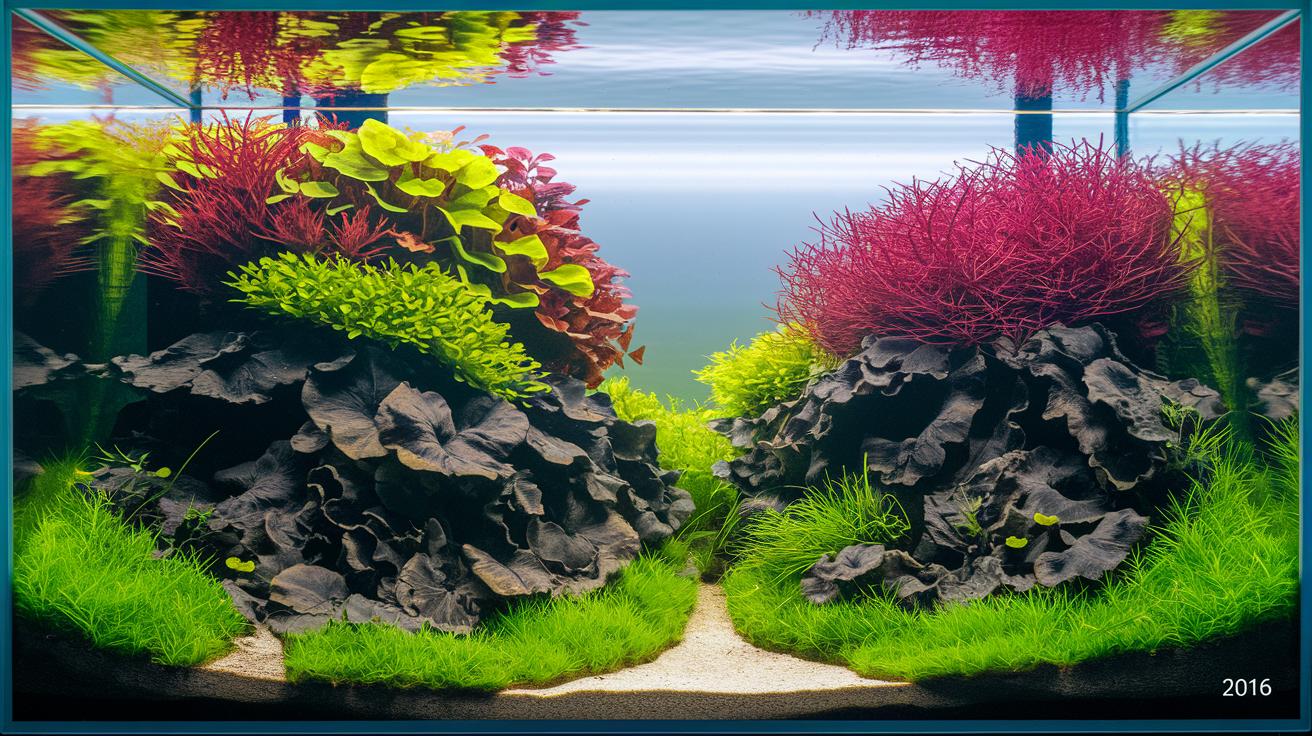
When setting up an aquarium, the aquatic plants and algae serve as the heart of the system. They soak up light and nutrients and release oxygen for all the other creatures in the tank. Too much light can cause unwanted algal growth, while too little light means less oxygen for everyone. I remember the first time I fine-tuned my tank’s lights, the sudden burst of green growth made it clear how important proper lighting is for oxygen production.
Getting the lighting just right helps these plants do their job well. Sometimes, adding a bit of CO₂ can give them a boost, almost like a quick shortcut to more energy. And don’t forget about the substrate, like gravel or basalt, it not only holds plants in place but also creates a friendly home for bacteria that help recycle nutrients. With the right care, macroalgae can flourish for years without much fuss, showing just how stable and balanced an aquarium can be.
| Producer Type | Function | Examples |
|---|---|---|
| Aquatic plants | Soak up light, produce oxygen | Java fern, Anubias |
| Macroalgae | Convert nutrients, stabilize ecosystem | Chaetomorpha, Cladophora |
| Photosynthetic bacteria | Help with mineral uptake and nutrient cycles | Cyanobacteria |
Consumer Dynamics within the Aquarium Ecosystem Food Chain
Consumers in an aquarium are like busy swimmers, carrying energy from one spot to another by nibbling on plants, algae, and tiny critters. Little herbivores such as otos and snails help keep the algae in check by gently snacking on it. At the same time, creatures like shrimp and small fish, which both eat plants and other animals, help balance the food web by enjoying a bit of everything.
But if you pack too many fish or choose ones that eat too greedily, the whole tank can go off balance. Extra food that isn’t eaten starts to break down in the water, which raises harmful levels of chemicals. This can lead to a surge in ammonia, nitrite, and nitrate, making it easier for snail swarms to appear and putting stress on the good bacteria that keep your water clean.
Getting your feeding routine just right is key to a healthy aquarium. Watch the food closely to see how fast it disappears, and adjust your portions based on what you observe. Feeding too little or too much can upset not only the fish’s behavior but also the delicate water chemistry, much like adding too much spice to your favorite dish.
- Give only the amount of food your fish can finish in about two minutes.
- Make sure to space out feeding times so waste doesn’t pile up all at once.
- Keep an eye on what your fish eat and adjust portions as needed.
- Don’t pack too many fish in; it helps keep the nutrients balanced.
- Clear away any extra food right away to stop buildup.
Decomposer and Bacterial Functions in the Aquarium Ecosystem Food Chain

In your tank, decomposers and bacteria work quietly behind the scenes, much like a secret cleanup crew making sure everything stays neat and tidy. Nitrifying bacteria, for example, start by turning ammonia into nitrite and, shortly after, change nitrite into nitrate. This friendly process, called the nitrogen cycle, usually unfolds over four to six weeks and is key to keeping your water sparkling and safe for all your fishy friends.
Beneficial bacteria love to make their homes on surfaces like medium gravel, volcanic lava, or even on the top layer of the substrate. They gather in little colonies and break down organic waste just like little helpers. It’s important to remove any dead fish or plant bits quickly because if left behind, they can leak too much ammonia and other harmful toxins into the water. A good tip is to gently scoop away the debris while taking care not to shake up the bacterial neighborhoods that keep your tank healthy.
Also, remember to clean your filters with some aquarium water instead of regular tap water so you don’t disturb those valuable bacteria. You might even consider inviting some Amano shrimp or otos into your tank, a natural cleaning crew that helps reduce extra waste. This little cycle of natural cleaning not only keeps your water clear but also helps maintain a balanced, happy underwater world.
Nutrient Cycling & Water Parameter Management for the Aquarium Ecosystem Food Chain
Taking care of your aquarium feels a lot like watching a gentle current flow smoothly. One simple tip is to replace about 25% of your water every two weeks. When you do this, treat the water first to remove chlorine and heavy metals so you’re not disturbing the natural cycle in your tank. Testing your water with pH kits, drop checkers, and similar tools helps keep the pH, hardness, and temperature steady, which in turn supports the friendly bacteria that work to break down waste.
During cleaning, try to disturb the substrate as little as possible. Those little bacterial colonies are busy breaking down waste naturally, so it’s best to only remove the top layer of sludge. And remember, quickly remove any dead organic material to stop harmful buildup. If one of your fish isn’t feeling well, giving it a separate hospital tank is a smart move since you don’t want to mix chemicals with the main water.
Keep an eye on your water like you would follow a lively school of fish. Regular checks and careful water changes create a safe, balanced space where every inhabitant can thrive. Every small step in managing your water quality contributes to a tranquil and healthy environment for all your aquatic friends.
Practical Strategies to Sustain the Aquarium Ecosystem Food Chain
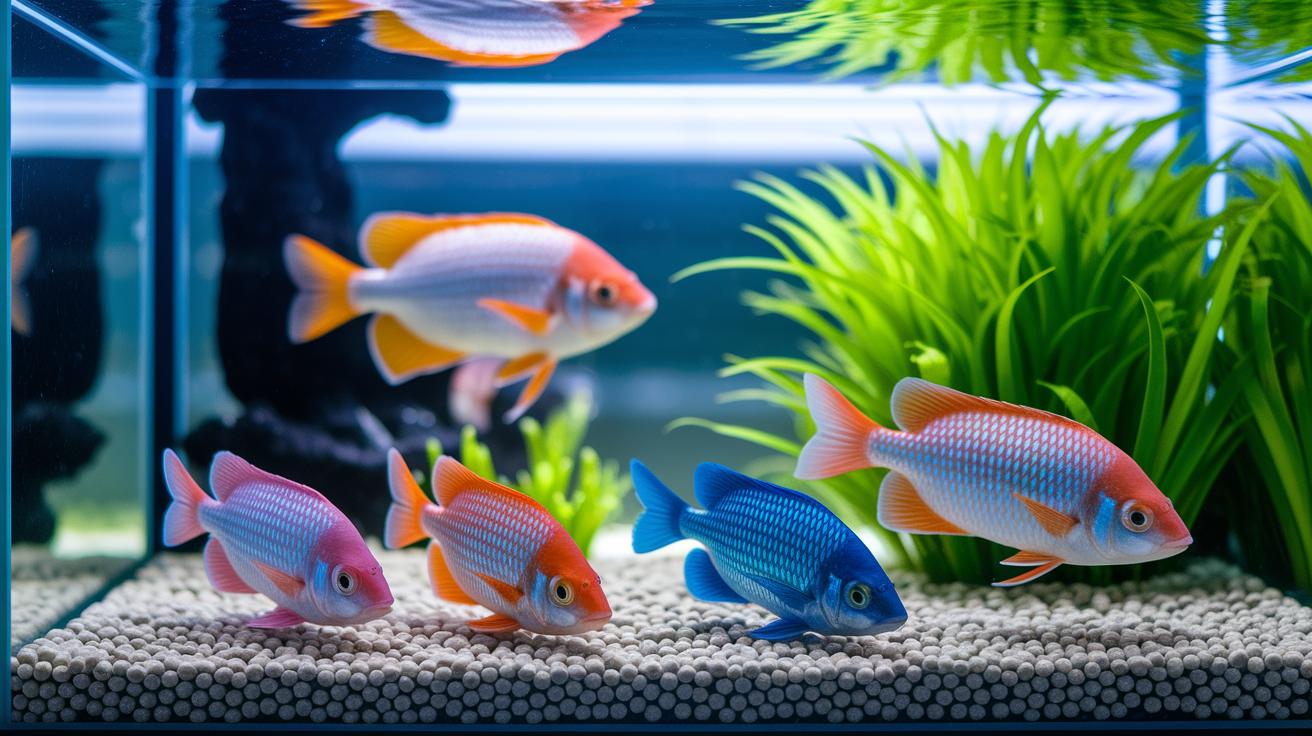
Here are some friendly steps to help your tank thrive. Offer your fish only as much food as they can gobble up in about two minutes. I found that when I fed them small, measured portions that disappeared quickly, the water stayed clearer and healthier. Mixing live food with processed options gives your fish a nice variety of nutrients, helps good bacteria stay strong, and keeps digestion on track.
Bring in a few live plants to naturally absorb extra nutrients and boost oxygen levels. Make sure your tank gets around eight to ten hours of light each day so the plants can do their photosynthesizing without encouraging too much algae. And don’t forget to check your tank regularly for any leftover food or debris that might throw things off balance.
- Serve small portions at a time.
- Blend live and processed feeds.
- Add live plants to naturally manage nutrients and oxygen.
- Stick to an eight to ten hour light schedule.
- Clear out any extra food or debris.
Final Words
In the action of setting up an aquarium, we covered how nature's balance is maintained by producers, consumers, and decomposers working together. We explored how feeding, lighting, and water care create an inviting underwater world. Our insights into explaining the aquarium ecosystem food chain show that every small detail counts in building a healthy space. Keep experimenting with small improvements and enjoy the calm, rewarding vibes of your aquatic habitat.