

Have you ever thought that your dinner plate might hold the secret to a healthier heart? Fish could be your little ally in this water-filled journey. In our busy world, many worry about eating seafood because they fear chemicals and contaminants. But studies show that making smart choices, like enjoying farmed salmon twice a week, can bring real heart-healthy benefits.
Stick with me as we explore easy, safe ways to add fish to your meals. Picture the gentle ripple of clean water as you make these changes, keeping risks low while your taste buds dance with delight. It’s amazing how a few simple tweaks in your diet can brighten your days, just like a sunlit tide sparkling over a quiet pool.
Core Fish Consumption Guidelines: Balancing Health Benefits and Safety
Eating fish is a simple way to boost your heart health and overall well-being. Studies tell us that having farmed salmon twice a week might help prevent many heart disease deaths, even if there’s a tiny bump in cancer risk due to PCBs. The levels of these chemicals in fish are very low, much like what you’d get in everyday meats, dairy, or eggs. In short, if you stick to safe seafood habits, the good health gains from fish are well worth it. Ever think about how a little change in your diet can make a big splash in your life?
Keep in mind that most PCB and dioxin exposure actually comes from foods other than fish. This makes it easier to enjoy fish as part of a balanced diet. If you love local freshwater fish, just check with your local advisories since they might contain more contaminants. The bottom line is: picking the right type and source of fish is key to enjoying its nutritional benefits without worry.
| Population | Recommended Servings per Week | Mercury Safety Notes |
|---|---|---|
| Adults | 2 | Low mercury fish recommended |
| Pregnant Women | 2 | Opt for low mercury varieties |
| Children | 1 | Small portions of low mercury fish |
| Older Adults | 2 | Prioritize low mercury options |
All in all, these tips show that adding fish to your meals is a smart choice for a healthy life.
Health Benefits of Fish in a Balanced Diet

Fish is a delicious way to give your body a boost and help important parts of you work smoothly. It’s packed with omega-3 fatty acids, which are known to lower the risk of heart problems when you enjoy fish a couple of times a week. Think of those omega-3s as little helpers that keep inflammation down and help blood flow like a calm stream.
- Omega-3 fatty acids work like a soft current that reduces inflammation, ensuring your blood moves smoothly through your vessels.
- Eating fish can give your heart a gentle boost by lowering triglycerides and supporting overall heart health.
- Those same omega-3s help your brain function clearly and keep memories sharp, with DHA and EPA acting like trusty aides.
- Fish provides lean protein that builds muscle and keeps you feeling full, without adding too much extra fat.
- Because fish naturally fights inflammation, it helps ease minor aches and balances your body’s stress.
- Beyond healthy fats, fish is a rich source of vitamins and minerals that keep you energetic and vibrant.
Regularly including fish in your meals isn’t just about savoring a tasty dish. It’s a smart, heart-friendly, brain-boosting, and muscle-supporting choice that mixes great flavor with real, proven benefits.
Managing Contaminant Risks in Fish Consumption
When you enjoy the refreshing taste and heart-smart benefits of fish, it helps to know a little about what might be hiding beneath the surface. Some fish naturally carry substances like methylmercury, a compound found in many water systems that, if eaten in high amounts, can nudge your brain health in the wrong direction. And while we often hear about chemicals like PCBs and dioxins in foods like meat, dairy, and vegetables, it’s good to keep an eye on what’s in your seafood too.
The good news is that there are clear guidelines to help you pick safe options. The FDA and EPA have set a limit for methylmercury, suggesting that high-mercury fish such as shark, swordfish, king mackerel, and tilefish are best skipped. Meanwhile, fish like salmon, sardines, cod, and trout usually come in under those limits, so you can enjoy them more often. These rules work like a steady current, keeping you safe while you enjoy the natural goodness of fish.
You can also take simple, practical steps to lower any risks. For instance, opt for fish known to have lower mercury levels. And if you like to catch your own freshwater fish, check out local advisories first, since some regional waters might have higher contaminant levels. By mixing up your fish choices, you not only add variety to your meals but also help keep the balance of any unwanted substances low.
Portion Control and Healthy Cooking Methods for Fish
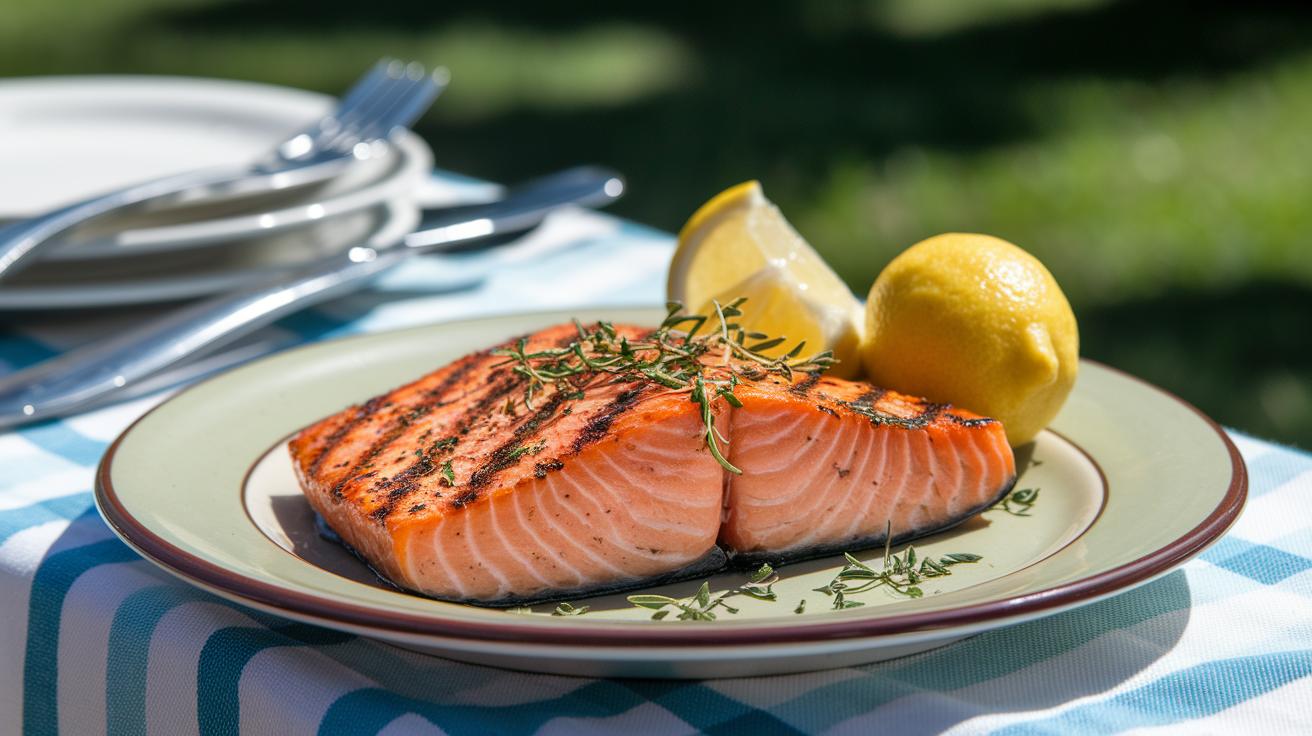
When planning a fish meal, aim for about 100–200 grams (roughly 3.5–7 oz) per serving. This size ensures you enjoy lean protein and omega-3 fatty acids without loading on extra calories. It’s like setting up a beautiful seascape on your plate, where health and flavor swim gracefully together.
Keeping your cooking methods light lets the fish’s natural taste shine. Using low-fat techniques means you get a meal that’s full of life, with every bite feeling as fresh as a gentle ocean breeze.
Steaming for Nutrient Retention
Steaming is a soft and kind way to cook fish. It uses the gentle warmth of moist heat to keep nutrient treasures like omega-3s and vitamins intact. Imagine a delicate fillet resting above simmering water, where the soft steam turns it tender and juicy, the kind of meal that feels both delightful and nourishing.
Grilling to Reduce Fat
Grilling is a clever trick to trim away extra fat. The heat makes the fat melt away and drip off, leaving you with a lighter dish and a deep, smoky flavor that complements the fish perfectly. It’s a bit like watching the sparkles of light dancing on the water, simple and effective.
Baking with Minimal Added Fats
Baking fish with just a squeeze of lemon, a sprinkle of herbs, and a tiny dash of oil brings out a fresh, vibrant taste. This method lets you enjoy the natural essence of the sea without extra calories. It’s a smart, balanced way to create a meal where every bite speaks of health and the beauty of simplicity.
Tailored Fish Consumption Advice for Vulnerable Groups
For those with special nutritional needs, it pays to have clear advice on eating fish. Enjoying fish not only brings a taste of the sea but also helps keep your body in good shape. Studies show that having 2–3 servings of low-mercury fish per week supports important functions like brain development, a steady heartbeat, and smooth muscle repair. Whether you’re pregnant, raising little ones, enjoying your golden years, or keeping active as an athlete, you can safely enjoy fish while soaking up its nutritious benefits.
Pregnant and Breastfeeding Women
If you’re expecting or nursing, try to include 2–3 servings of fish in your week. Fish like salmon, cod, and trout are great picks because they are low in mercury and packed with DHA and EPA, nutrients that help your baby’s brain grow and also boost your own well-being. It’s a little way to nurture both you and your little one while enjoying the gentle flavors of the sea.
Children
Young kids aged 2–3 years can have about 1 serving of fish each week, while older children can enjoy up to 2 servings. Choosing fish that are low in contaminants, like sardines or tilapia, is a smart move. These tasty options supply essential proteins and omega-3 fats that help little bodies grow strong and minds stay sharp.
Older Adults
For older adults, sticking to the usual 2–3 servings per week is a smooth choice. The lean fish helps keep the heart healthy, sharpens the mind, and provides high-quality protein, which is key for keeping muscles strong. It’s a balanced way to enjoy the natural benefits of the ocean while staying active and nourished.
Athletes
Athletes benefit well from adding 2–3 servings of fish to their weekly menu. The protein and anti-inflammatory benefits in fish help repair muscles and speed up recovery after a long workout. By including fish in your diet, you’re giving your body a natural boost for energy and muscle repair, keeping you ready for both practice and play.
Selecting Sustainable and Eco-Friendly Seafood Options

When you're on the hunt for seafood that loves our oceans just as much as you do, it helps to look for friendly badges like the Marine Stewardship Council for wild fish and the Aquaculture Stewardship Council for aquaculture. These labels are like little signs that the fish you choose come from careful, planet-friendly sources. Fun fact: Wild fisheries with MSC certification often help nurture lively marine habitats while serving up top-notch seafood.
Choosing local and seasonal fish is another great way to be kind to the environment and treat your taste buds. By opting for catches from nearby waters, you help lower transport emissions and shrink your carbon footprint. It’s a simple, thoughtful choice that keeps both our waterways clear and our ecosystems bustling with life.
Before you pick out your seafood, take a moment to check on how it was caught or farmed. For example, when shopping for farmed salmon, look for brands that share easy-to-understand sustainability reports and steer clear of those linked to overfishing. This little extra step not only supports responsible farming practices but also ensures that every bite is a win for your health and the sea.
Final Words
In the action, we’ve mapped out core fish consumption guidelines balanced with benefits, portion tips, and contamination risk management. We shined a light on healthy cooking methods, advice for different groups, and eco-friendly choices. Every detail guides you in crafting a visually appealing, clean, and safe aquatic setting that nourishes both body and spirit.
Embracing fish consumption guidelines for a healthy diet brings joy and confidence to your feeding practices. Let these insights inspire you to create meal plans that celebrate health while caring for our shared underwater world.
FAQ
Q: What do fish consumption guidelines for a healthy diet say, and where can I find them in PDF?
A: The fish consumption guidelines recommend eating fish 2–3 times per week to balance health benefits with safety. Detailed guidelines from 2021 and 2022 are often available as PDFs from health agencies.
Q: How many times a week should I eat fish to get enough omega-3?
A: Eating fish 2–3 times per week provides a good amount of omega-3 fatty acids, which support heart, brain, and overall health while minimizing the risk of contaminant exposure.
Q: What do EPA recommendations say about eating fish?
A: EPA recommendations suggest enjoying 2–3 servings of fish weekly to gain omega-3 benefits and control mercury intake, with local advisories guiding choices for safer freshwater options.
Q: How do mercury levels in fish affect health and how can I track them?
A: Mercury levels vary by species and can affect brain and kidney health if too high. Charts and PDFs detailing mercury levels help you choose fish with lower mercury for a safer diet.
Q: What is a healthy portion size of fish for a meal?
A: A healthy portion size of fish is about 100–200 grams (3.5–7 oz) per meal, which provides beneficial omega-3s and lean protein while keeping calorie counts in check.