

Have you ever thought about whether your fish are getting too much or too little food? Finding the right feeding routine is like setting a gentle current that keeps your tank sparkling and your fish full of energy.
A smart feeding plan can really clear up your water and give your little swimmers the boost they need. In this chat, I'll share some easy steps, from offering extra bites to fry to giving just the right portion to adult fish, that work together like a soft tide, helping your aquarium thrive.
Stick around and explore these ideas, and soon you'll see how a small change in mealtime can make your underwater world even happier.
Essential Guidelines for Your Fish Feeding Schedule
Most fish do well with one or two meals a day. For little ones, like fry, try feeding three to five smaller meals to help them grow big and strong. Some fish even like slow-release gel foods that keep feeding them gently. Watching each fish during mealtime is a smart idea because young fish are usually more active and may gobble up more quickly, while older fish might take their time without constantly needing food.
A good rule is to offer about 1–5% of a fish's body weight in food each day. As fish get older, they don’t need as much, so you might want to cut back a bit. A neat tip is to only give as much food as they can eat in roughly five minutes. If you see bits of food floating after mealtime, that could mean you’re overfeeding. Sometimes, adult fish can handle a break of up to one week without food if things are calm, but keep an eye on them to make sure everything stays healthy.
The water’s temperature is key for how well your fish digest their food. When the water feels just right, fish can process their meals like a gentle current flowing over smooth rocks. Also, boosting the water’s oxygen about 6–8 hours after feeding can help your fish digest better and feel well. Look out for cloudy water, extra algae, or fish with swollen bellies, that’s your cue to tweak the feeding plan a bit.
Freshwater Feeding Schedule Fundamentals
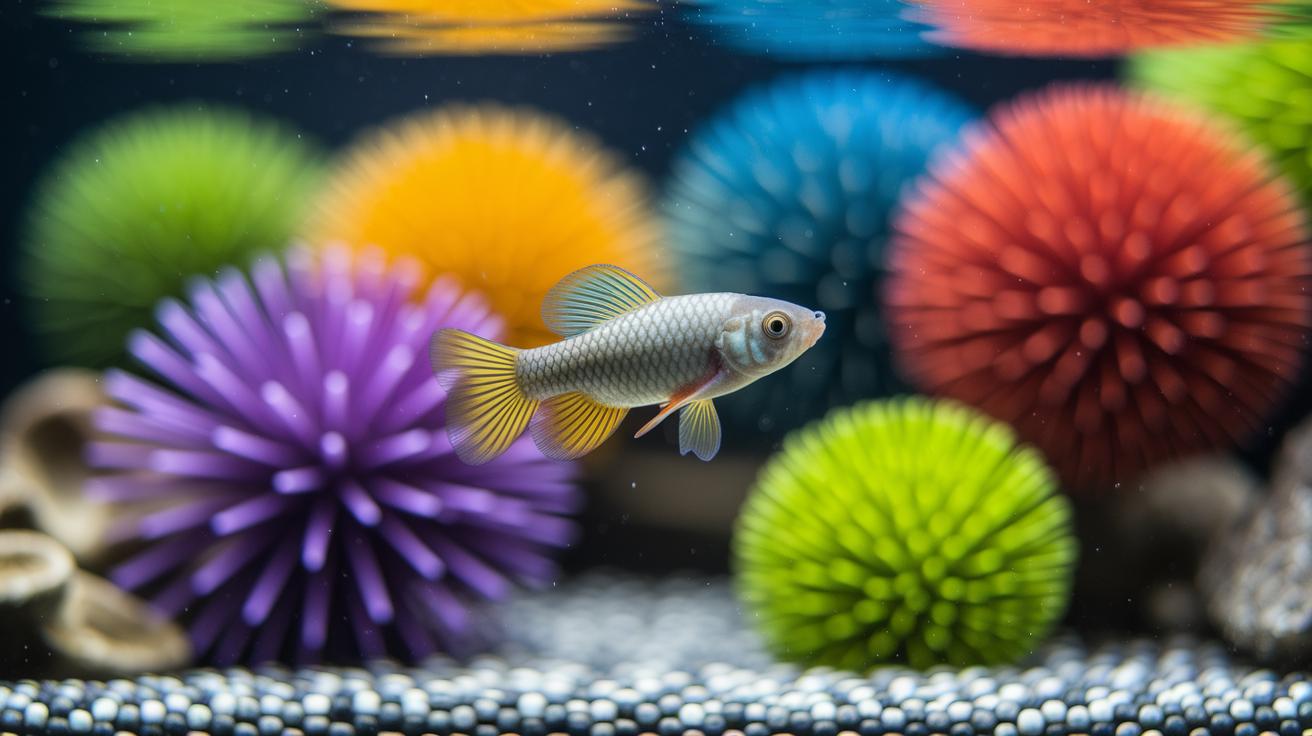
Adult freshwater fish do best when fed once or twice a day. Baby fish, like juveniles, love three or four small meals to help them grow strong and keep their colors bright. The tiniest fry need nearly all-day feeding, so many aquarium lovers use an automatic feeder that offers about 5% of their body weight in food. Picture a little guppy darting around happily after its third snack, it’s a clear sign your feeding plan is working perfectly. In nature, fish nibble continuously when food is available, always on the lookout for their next bite.
Keep a close eye on your tank’s water clarity and your fish’s behavior to fine-tune your feeding routine. If the water gets cloudy or you spot leftover food swirling on the substrate, you might be feeding too much. But if your fish look too thin, with sunken bellies and dull colors, they might need a bit more. Let these gentle hints guide your daily tank checks, and make small adjustments to portion sizes and feeding times. A little tweak can go a long way in keeping your aquatic friends happy and healthy.
Species-Specific Fish Feeding Schedule Templates
When setting up your fish feeding routine, it's a treat to have a ready-made plan for each species. This guide shares simple tips on how often to feed your aquatic friends, what portion sizes work best, and which foods they love. It’s like watching a gentle current flow, quick, delightful, and totally in tune with nature. Ever notice how your fish light up when it’s mealtime?
| Species | Frequency | Portion Size | Notes |
|---|---|---|---|
| Betta | 2 meals/day | Pellets or gel | Usually eaten within 30 seconds |
| Guppy | 2–3 meals/day | Small feedings | Flakes and micro-pellets are best |
| Molly | 2 meals/day | Standard portion | Vegetable-based flakes; add live feed weekly |
| Tetra | 1–2 meals/day | Regular feeding | Mix of flakes with micro-crumbles works well |
| Koi | 1–2 meals/day | Appropriate for size | Feed above 50 °F; reduce feeding below this temperature |
This handy schedule makes it easy to track your fish feeding habits and adjust as needed. For example, Betta fish thrive on two quick meals, finishing their pellets or gel in no time at all. Guppies love having a few small meals lined up throughout the day. Mollys and Tetras enjoy regular, steady feedings, while Koi need a little extra care when the water gets chilly. Use this guide as your starting point, watch your fish like you’d watch gentle ripples on a pond, and tweak the routine as your little swimmers grow and change. Feeding in this way not only keeps your tank healthy, but it also turns every meal into a joyful, calming ritual.
Manual and Automated Fish Feeding Schedule Methods
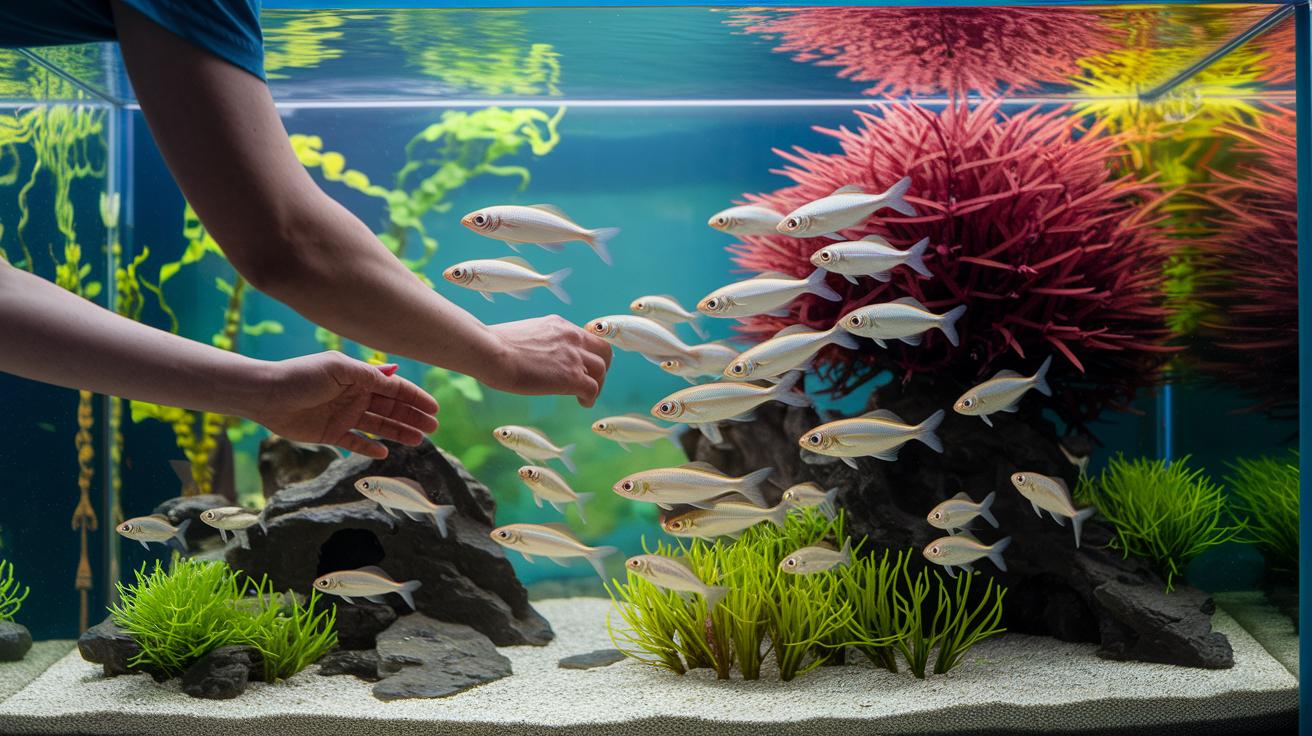
Feeding your fish by hand is a great way to really watch them enjoy their meal and adjust how much food you give. I like to sprinkle in food for about 30 seconds to 5 minutes, twice a day. This short burst lets you see how fast they gobble up their meal, and you can quickly spot if something feels off.
Automatic feeders are a neat option when you need a steady mealtime routine without always watching the tank. You can set them to dish out food 2 or 3 times a day, so your fish never miss a meal even when you're busy. These little gadgets let you dial in the exact grams per serving and are built to sit securely on the edge of the tank, making mealtime smooth and fuss-free.
| Feeding Steps |
|---|
| Pick a feeder that fits well with your tank setup |
| Set the right portion size in grams |
| Position the feeder above the water line |
| Schedule the feeding times on the device |
| Clean and check the feeder every month |
fish feeding schedule: Smart, Healthy Feeding Plan
When winter’s cool embrace settles over your pond, it’s time to rethink how you feed your fish. As the water cools below 50 °F, fish slow down, and their bodies need less food. Most of the time, a single meal a day is just fine, or you might even skip feeding until things warm up again. This small switch helps keep your pond clean and your fish happy.
When summer graces your aquarium, things come alive. Your fish can enjoy 2–3 meals daily because their metabolism is in full swing. It’s a good idea to pump extra air into the water about 6–8 hours after feeding, which helps keep the oxygen levels just right. For betta fish in cozy, heated tanks, two meals a day work perfectly to keep them lively and bright all season long.
As colder days approach, don’t forget about checking your automatic feeders. Before winter really sets in, give your feeder a quick test, check its batteries and settings, to make sure it works well even when your fish aren’t eating much. A simple monthly look-over and cleaning can keep everything running smoothly, adapting your feeding routine to the rhythm of the seasons.
Troubleshooting Common Fish Feeding Schedule Mistakes
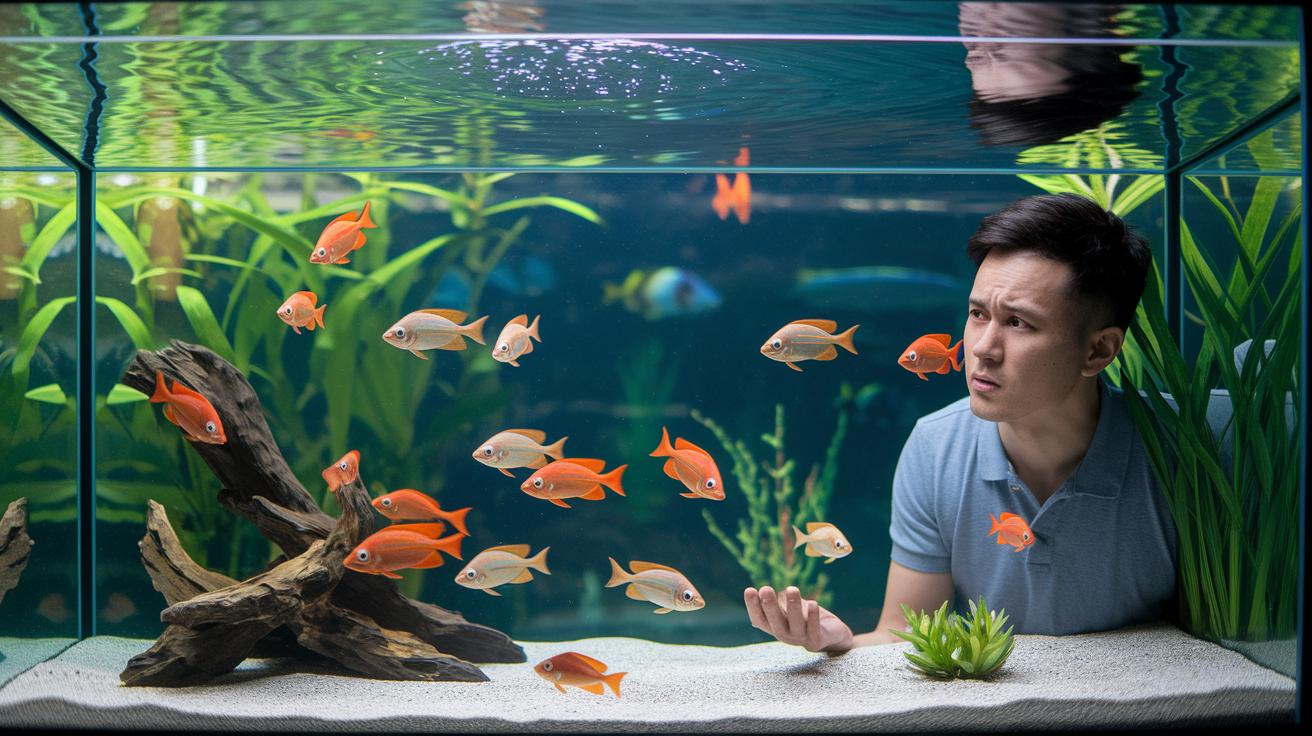
Sometimes, adding too much food leaves little bits drifting on the water’s surface. Those leftovers can stir up problems like sudden spikes in ammonia and unwanted algae, which make the water less clear. I've seen fish with swollen bellies from overfeeding, while not giving enough can leave them losing weight, their colors fading, and their growth stunted. And when you feed them at random times, it can upset their digestive rhythm and cause extra stress. Even auto feeders, if not set right, can hand out different portions each day, throwing off the balance in your aquatic home.
Keeping a regular feeding routine is the secret to happy fish. It helps to check your auto feeder often and tweak it so it always dispenses just the right amount. Take a few moments each day to glance at your tank or pond, if you notice your fish acting out of sorts or the water losing its sparkle, it might be time to adjust the schedule. Watching how your fish behave and keeping an eye on the water’s clarity gives you clear hints for perfecting meal times and avoiding mistakes that disrupt their peaceful world.
Final Words
In the action, we explored guidelines for a balanced fish feeding schedule. We talked about daily feedings for various life stages, portion controls, and managing water conditions. We ran through species-specific routines, compared manual and auto feeders, and even touched on seasonal tweaks. Following these pieces of advice can help create a vibrant underwater habitat. Keep your fish feeding schedule in check, and enjoy watching your aquatic pets thrive every day!
FAQ
What is the best time to feed fish?
The best time to feed your fish means choosing the early morning and early evening, when temperatures are moderate and fish are active, so they can digest food efficiently.
What does an aquarium fish feeding schedule entail?
The aquarium fish feeding schedule involves feeding most fish once or twice daily, with extra portions for younger fish, adjusting amounts based on fish size and tank conditions.
How does a fish feeding schedule calculator work?
The fish feeding schedule calculator helps estimate the right amount of food by factoring in your fish’s body weight and species, making it easier to adjust portions as they grow.
How many times should fish, including tropical species, be fed in a tank?
Feeding frequency for tropical fish typically means one to two daily meals, with some smaller species benefiting from several tiny portions throughout the day to suit their quick metabolisms.
How do you feed small fish in an aquarium?
Feeding small fish in an aquarium means offering tiny portions, such as small pellets or flakes, several times a day so that the food is consumed quickly without leftovers.
How do you determine the correct pellet amount for fish feeding?
Determining the right number of pellets starts with giving just enough for your fish to eat within a couple of minutes, avoiding surplus food that can impact water quality.
How many days can fish go without food?
How many days fish can go without food depends on their type, but generally mature fish can handle up to a week without feeding under stable conditions.
What are the basic rules for feeding your fish?
The basic rules for feeding your fish involve offering small, manageable portions at a regular schedule, watching for leftover food or changes in water clarity, and adjusting quantities accordingly.