

Ever thought about making your fish’s meals a bit smarter? Many of us end up overfeeding or giving our fish the wrong mix, which wastes both energy and money. Feeding fish isn’t just about tossing food into the tank, it means giving them the right balance of protein, fats, and carbohydrates. Think of it like a gentle current flowing in a river: a perfect mix helps your fish swim with energy and grow strong. Today, we’re diving into some key nutrition tips that will boost your aquarium care and keep your fish feeling lively and healthy.
Fish Nutrition Requirements: Smart Energy for Aquatic Life
When it comes to fish nutrition, keeping up with feeding costs can really feel like riding the unpredictable waves of ingredient prices. A well-balanced meal is like the gentle current that supplies all essential vitamins, minerals, and nutrients our aquatic friends need. In simple terms, a balanced diet mixes proteins, carbohydrates, and fats in just the right amounts for each fish based on its species, age, and size. For instance, did you know that young tilapia might need almost twice as much feed compared to adults? It shows how those early, fast-changing growth stages demand extra energy.
Each fish has its very own food blueprint. Ingredients like fishmeal and fish oil are especially popular because they pack around 40 important nutrients in every serving to keep various body functions running smoothly. Even though there are more than 33,000 fish species in the world, and about 2,500 of them are popular in the aquarium trade, most feeds are made with only a few species in mind. This gap really highlights the need for specific dietary standards that can help manage both the fishes' wellbeing and overall costs.
Another neat tip is to measure the feed as a percentage of the fish's live weight. Younger fish, being small and growing, need a larger portion of feed relative to their size. Plus, feeding a little less is often better than too much, since extra food can lower water quality with extra waste. In truth, nailing these details is key to setting a solid foundation for understanding how each nutrient works and how to feed fish just right.
Detailed Piscine Nutrient Breakdown in Fish Nutrition Requirements

Proteins are like the sturdy building blocks in a fish’s diet. They supply almost ten key amino acids that help with muscle growth and overall health. It’s pretty amazing, what used to seem ordinary now turns out to be the energy behind every graceful flick of a tail! Quality proteins, often sourced from fishmeal or plants, are especially important for meat-loving species.
Lipids give fish the concentrated burst of energy they need. These fats and oils not only power daily swims but also help fish soak up those vitamins that need a bit of fat to be absorbed. Typically, a good fish feed will have between 15 and 25% lipids. This mix keeps fish active without filling them up on too many carbs, especially since many carnivorous fish aren’t great at using carbohydrates.
Carbohydrates may not be essential for all types of fish, but they offer a cost-effective way to pump up extra energy, mainly for plant-eaters and mixed-diet fish. Even if a fish’s menu is mainly animal-based, a balanced touch of carbs can help maintain stamina and steady energy throughout the day.
Vitamins and minerals are the final spark in this nutritious puzzle. They play a big role in metabolism, immune health, and even adding a splash of vibrant color to your fish. Little boosters like shrimp meal, spirulina, or astaxanthin can enhance these bright hues.
| Nutrient | Role | Example Inclusion |
|---|---|---|
| Proteins | Supply essential amino acids | 40-60% for carnivores |
| Lipids | Provide concentrated energy and help absorb vitamins | 15-25% in feed |
| Carbohydrates | Cost-effective energy for herbivores and omnivores | Varies by species |
| Vitamins/Minerals | Boost metabolism, immune function, and color | Balanced levels per diet |
This balanced nutrient mix helps fish enjoy plenty of energy and a vibrant life in their watery world.
Species-Specific Fish Nutrition Requirements for Diverse Diet Profiles
Carnivorous fish love a hearty, protein-packed meal. They need about 40–60% of their food to be protein, while fats should cover another 15–25% to keep their energy high. Think of it as a speedy power-up, like that burst of energy when a fish suddenly zooms after its prey. This type of meal keeps their muscles strong and their bodies running smoothly.
Herbivorous fish have a more laid-back dining style. They do well with less protein, usually between 25–35%, and find comfort in carbohydrates (20–30%) for a steady, calm energy flow. Fats are kept low at just 5–10% to match their slow and gentle lifestyle. Imagine them gliding through a peaceful, plant-filled underwater garden, taking it all in at a relaxed pace.
Omnivorous fish enjoy a balanced approach. Their diet usually includes around 35–45% protein, 10–20% fats, and 15–25% carbohydrates. This mix is like setting a table with a bit of everything, both plant and animal treats, to support their overall health and steady growth. It’s the perfect blend for fish that savor a bit of every flavor from their underwater world.
Formulating Balanced Tank Organism Diet Mixes to Meet Fish Nutrition Requirements
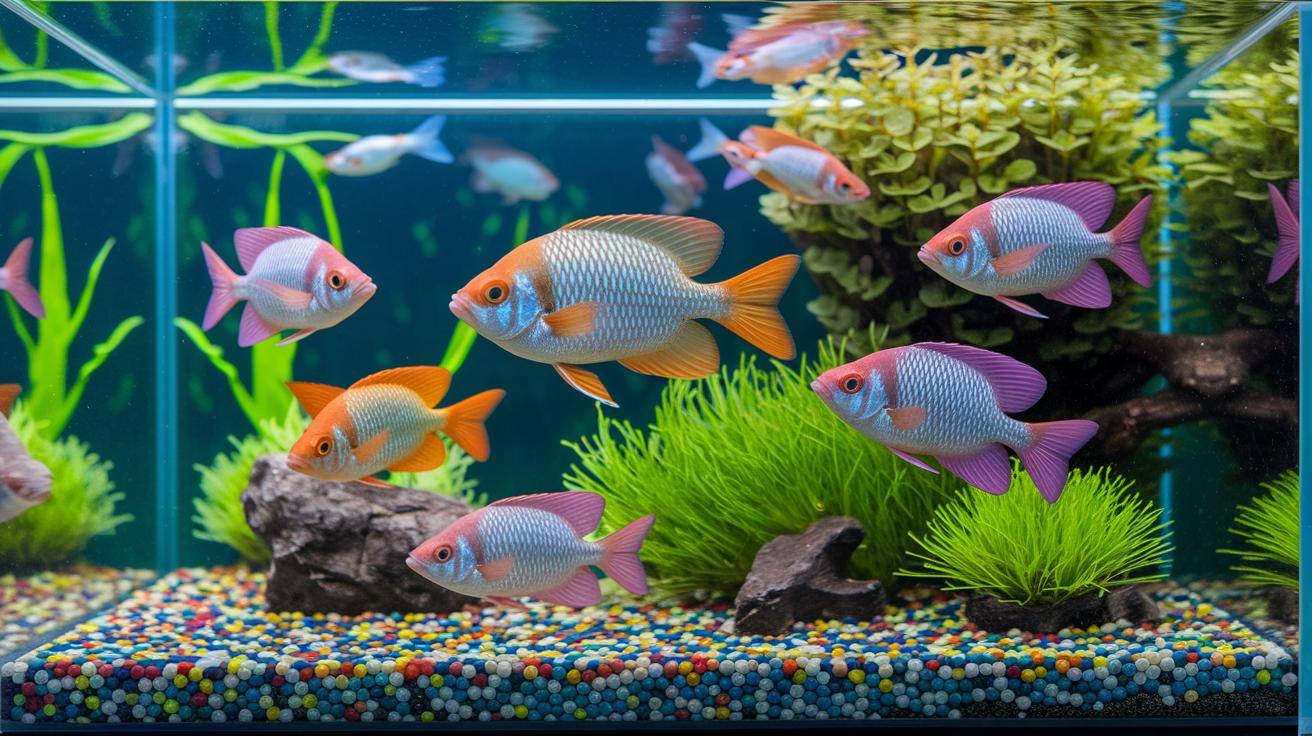
Cooking up the perfect diet for your fish is a bit like preparing a custom meal for a dear friend. Commercial feeds may not capture the full range of nutrients found in the wild, so mixing different ingredients helps bring a taste of nature right into your tank. When you create the right blend, you give your fish all the vitamins, minerals, and essential nutrients they need while keeping the water clean and clear.
Think of it like following a simple recipe in your underwater kitchen. Each ingredient plays its own part, much like different notes in a lovely melody. Here are some key ingredients to consider for your ideal tank mix:
- Shrimp meal: Offers high-quality protein and helps boost your fish’s natural colors.
- Spirulina: A plant-based ingredient that adds natural vitamins and carotenoids, like little bursts of sunshine.
- Astaxanthin: Known for its rich pigment properties, it helps enhance the natural hues in your fish.
- Insect protein: A sustainable source of protein that meets dietary needs in a natural way.
- Plant-based additives: Provide essential vitamins and minerals to round out the meal.
- Soy protein: A cost-effective option that supports muscle growth and overall health.
Each little adjustment in your mix is like tweaking a recipe for the best flavor. By carefully watching your fish’s behavior and the clarity of your water, you can find just the right balance. It’s a bit like experimenting with spices, you try a little here and there until everything harmonizes perfectly. When you get it right, your tank transforms into a vibrant and thriving underwater world that feels as refreshing as a gentle stream on a sunny day.
Optimizing Feeding Strategies in Fish Nutrition Requirements
When your little fish are just starting out, they need a bit of extra care with feeding. These baby swimmers grow so fast that they need a larger bite of food compared to their tiny bodies. For example, a small fry might eat almost 10% of its live weight each day, while the older fish eat less. This careful feeding helps them soak up all those important nutrients and keeps their watery home clean.
One neat tip is to keep an eye on how dense the food is and adjust the feeding schedule as your fish grow. Warmer water makes fish work faster to digest their food, so they might need a bit more frequent meals. On the other hand, cooler water slows things down, so you can ease up a little. These small changes help your fish get just the right amount of energy, kind of like balancing a gentle current in your favorite aquarium.
Consider these practical tips:
- Feed young fish more often so they can grow strong.
- Measure the food right, using a percentage of their live weight.
- Change up the feeding schedule with water temperature and growth changes.
Every little tweak can make a big splash in your fish’s well-being, just like a tiny ripple growing into a soothing wave.
Advances in Sustainable Alternatives for Fish Nutrition Requirements
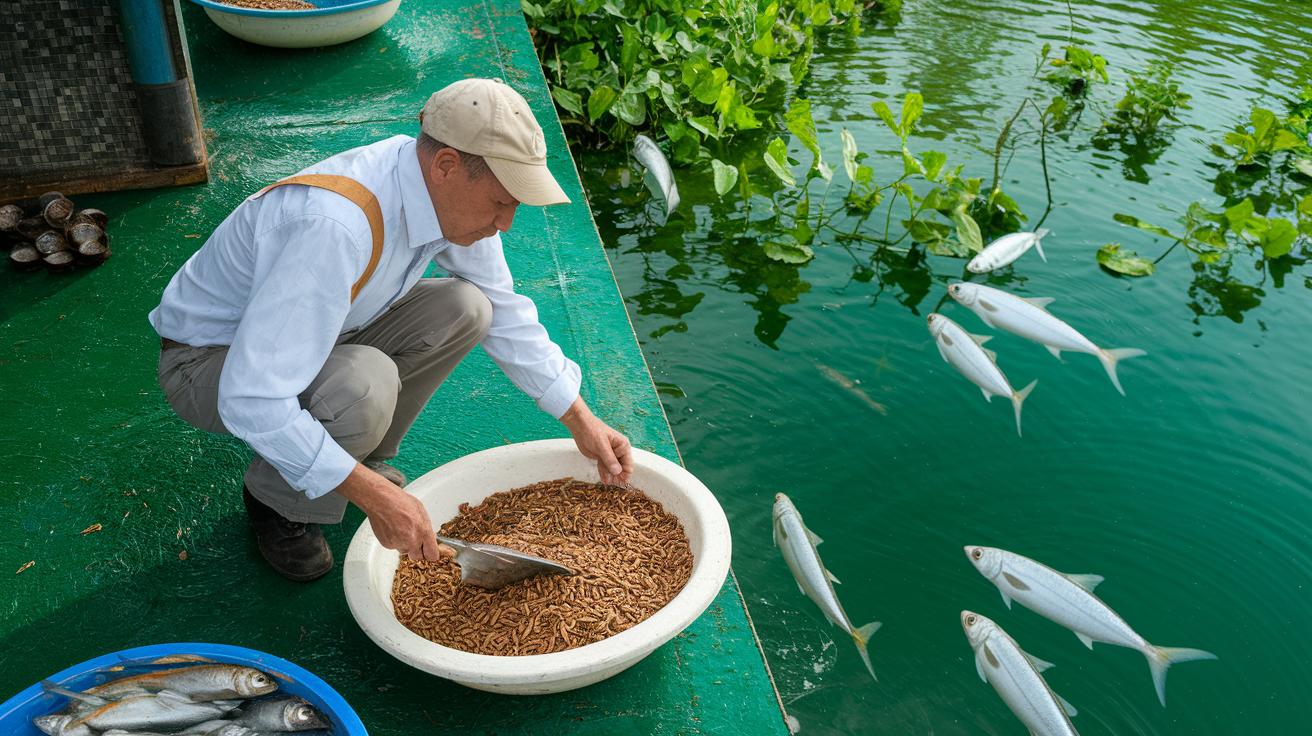
Recent NOAA findings tell us that fishmeal and fish oil aren't the only way to build a complete diet for fish. Instead, options like insect meal, plant-based substitutes, and even some industry byproducts are starting to shine. These new protein sources not only lower production costs but also help lessen the environmental impact of fish farming.
Using insect protein is truly a game changer for both large fish farms and home hobbyists. When aquaculturists mix in insect meal, they're adding a strong, natural protein that meets each fish species' unique needs. It’s a bit like giving fish the same variety of proteins they’d find when swimming freely in their natural waters.
Plant-based alternatives add an extra boost of sustainability. They supply fish with important amino acids and fatty acids without depending on classic marine ingredients. By moving towards eco-friendly feed production, producers can save money while creating healthier, more balanced underwater environments.
Of course, knowing the specific needs of each fish species is key when mixing these new feeds. This careful approach helps both experts and hobbyists create balanced diets tailored just right for their fish. Experimenting with these innovative ingredients could transform aquaculture into a more cost-effective and eco-friendly practice, much like redesigning a tank’s menu to match the natural bounty of wild waters.
Final Words
in the action, we covered the full scoop on fish nutrition requirements. We explored the careful mix of proteins, lipids, and other nutrients needed across different fish diets. We also shared easy ideas on blending balanced feeds that help maintain a clean, lively tank. The guide served as a friendly reminder that proper nutrition is key to a happy, healthy aquatic habitat. Keep experimenting and enjoy every moment of fish care!
FAQ
How can I find fish nutrition requirements in PDF or PPT formats?
The fish nutrition requirements PDF or PPT show detailed info on proteins, lipids, and feeding practices. These resources guide both aquaculture professionals and aquarium hobbyists in maintaining healthy diets.
What are the nutritional requirements for fish?
The nutritional requirements for fish include balanced proteins, lipids, and carbohydrates along with vitamins and minerals. These ratios vary by species, age, and size to support optimal growth and water quality.
What are the typical nutritional values and food requirements for fish?
The typical nutritional values for fish feed focus on proper protein levels, energy-rich lipids, and controlled carbohydrates, paired with key vitamins and minerals to maintain robust health and a clean tank environment.
How do fish nutrition needs differ in aquaculture compared to aquarium setups?
Fish nutrition in aquaculture stresses cost-effective, balanced feeds with specific ratios, while aquarium diets use high-quality, species-specific ingredients to keep fish vibrant and tanks clear.
How does fish nutrition support vitamin and mineral intake?
Fish nutrition contributes essential vitamins and minerals through well-formulated feeds that offer complete nutrient profiles. This balanced intake boosts immunity and overall vitality in fish.
Is fish as nutritious as meat?
Fish is as nutritious as meat, offering high-quality protein and omega-3 fatty acids. It typically has lower saturated fat, making it a heart-friendly option while meeting essential dietary needs.