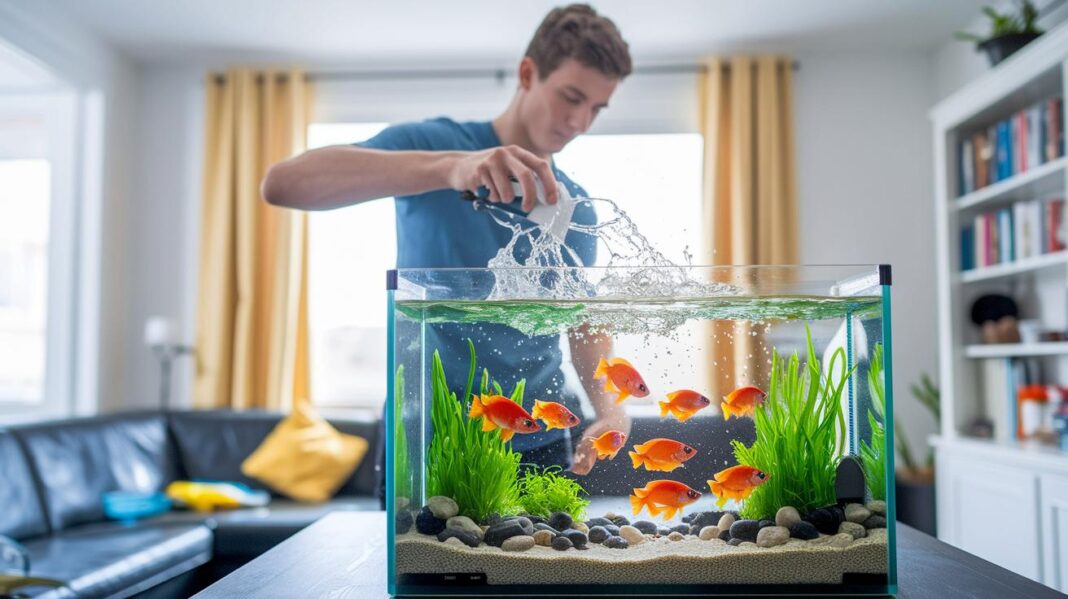

Have you ever noticed that a messy tank might leave your finned friends feeling uneasy? Think of your aquarium as a tiny ocean where every gentle ripple matters.
Keeping your water clean not only makes it sparkle like sunlight on smooth stones but also helps your fish stay really happy and healthy. In this guide, I'll share easy, step-by-step tips, from checking your water quality (yep, that’s the part that keeps your fish safe) to giving your filter a fresh burst of care.
Let’s dive in and explore simple routines that can create a calm, inviting aquatic world for you and your fish.
Step-by-Step Fish Tank Cleaning and Maintenance Routine
Keeping your fish tank sparkling and healthy is a bit like caring for your own mini-ocean. A regular cleaning routine helps the water stay clear and your fish feel at home. How often you clean can depend on the size of your tank, the number of fish, and how strong your filter is. Sometimes a weekly cleaning is best, and other times a monthly check can do the trick. And remember, when you drain the tank a bit, keep your fish in the remaining water to ease their stress. Also, add a water conditioner right away so the tap water chemicals don’t upset your finned friends.
Pre-Cleaning Checks
Before you dive into cleaning, test your water using a multiparameter test kit to make sure everything is safe, aim for 0 ppm ammonia, 0 ppm nitrite, and less than 40 ppm nitrate. It’s like doing a quick health check. Then, turn off your heater, filter, and any other electrical equipment so you can clean safely without any mishaps.
Core Cleaning Actions
- Scrape away algae from the tank walls using a soft, non-abrasive tool. This helps keep the glass clear and lets you enjoy your fish’s view.
- Trim your live plants by cutting off about 30-50% of any overgrown parts. This helps them grow strong, just like giving a little prune to a garden.
- Use an aquarium siphon to vacuum roughly one-third of the substrate. This lifts out debris and keeps your tank’s base as tidy as a pebble-strewn stream.
- Give the filter some love by cleaning its media monthly. This step stops clogs and keeps the water flowing smoothly, much like clearing leaves from a stream.
Post-Cleaning Steps
Once you’re finished cleaning, slowly refill the tank using water that matches the current temperature. Next, add the right dose of water conditioner to keep the water safe for your fish. Then, turn all the equipment back on, pumps, filters, and heaters. Finally, wipe down the outside of the tank with an aquarium-safe cleaner to let every surface shine.
Regular cleaning is essential for keeping a balanced aquatic environment. Not only does it help the tank stay crystal clear, but it also keeps your fish happy and healthy, allowing your little underwater world to thrive over time.
Fish Tank Water Quality Care and Testing for Maintenance
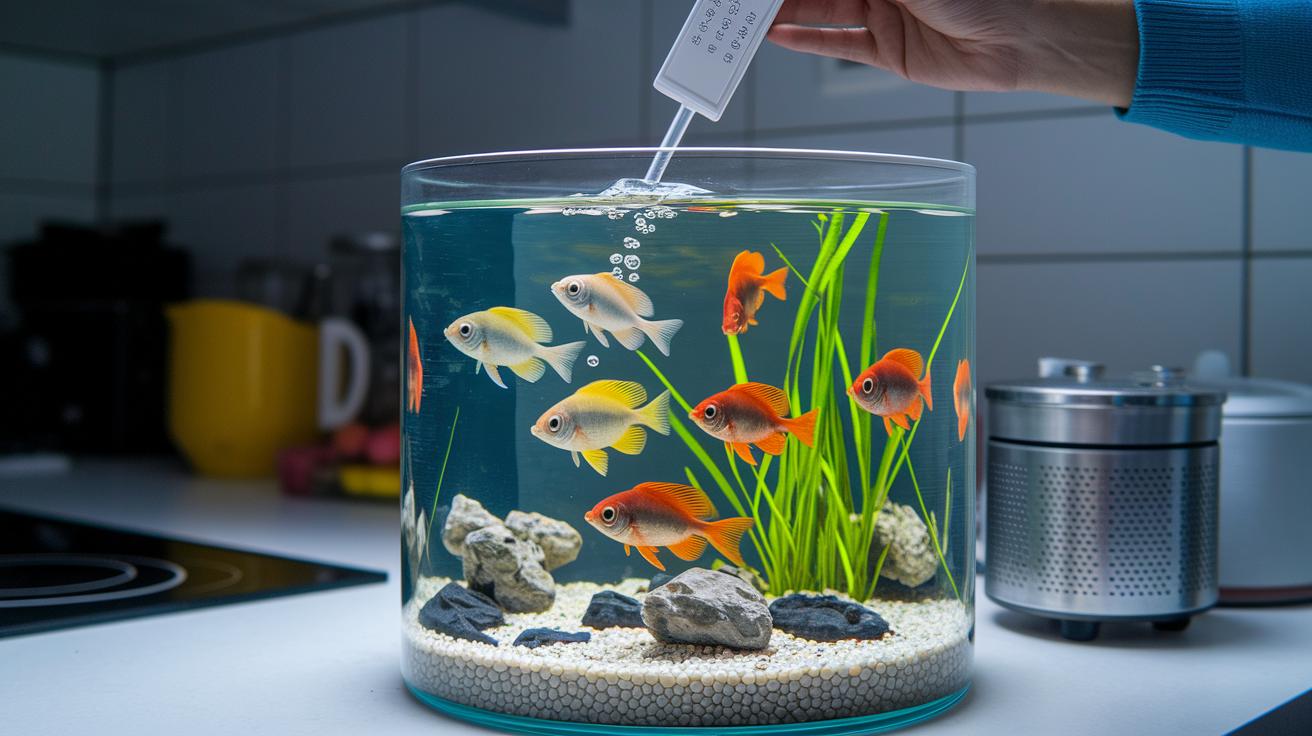
Keeping your fish thriving starts with checking your tank's water often. Regular tests let you peek into the water's secrets, like its pH, ammonia, and nitrate levels, so your finned friends can live stress-free in a balanced home. When you test your water every month and watch for the safe numbers, you're giving your fish a calm, steady environment that feels just like a gentle ocean tide.
Simple fixes can make a big splash. For instance, if your pH drifts too high, adding a bit of driftwood can help bring it down, just like tuning an instrument to the perfect note. And when the pH is too low, a dose of alkalinity buffers does the trick. Along with these adjustments, changing 15–25% of your water every one to two weeks keeps harmful contaminants in check and maintains just the right mix of minerals.
| Parameter | Ideal Range | Test Frequency |
|---|---|---|
| pH | 6.8–7.8 | Monthly |
| Ammonia | 0 ppm | Monthly |
| Nitrite | ≤ 0.75 ppm | Monthly |
| Nitrate | < 40 ppm | Monthly |
| Phosphate | < 0.2 ppm | Monthly |
By keeping an eye on these water conditions and acting fast when something seems off, you'll create a peaceful, healthy underwater world that your fish will appreciate. Imagine the soft murmur of your test kit as it reads the water, each number a tiny ripple confirming that all is well in your aquatic haven.
Algae Control and Fish Tank Glass Scrubbing Procedures
Keeping your aquarium glass sparkling is key to a lively underwater scene. When algae starts to build up, it can hide the bright colors of your fish and plants, so a regular cleaning ritual keeps everything inviting. Using the right tools and soft techniques helps protect your special low-iron Starphire glass while letting the water shine clear.
Here are some of the trusty helpers you might use:
- A non-abrasive algae scraper with a blade attachment
- Soft sponge pads made for those gently curved surfaces
- A vinegar solution mix that gives a natural cleaning boost (vinegar acts like a mild, fish-friendly cleaner)
- A magnet cleaner that glides smoothly along the glass
- A specialty algae brush for those tricky, tight spots
Aim for a weekly cleaning session. Begin by using your scraper to remove algae patches where they’ve settled. Take your time to glide slowly over the glass so you don’t scratch it. Then, dip your sponge or brush in a mild vinegar solution and softly scrub the spots that need extra care. Finally, rinse the glass with a little tank water to wash away any leftover cleaner. This gentle, steady routine keeps your view clear and your aquarium safe, so you and your finned friends can enjoy a beautiful aquatic display.
Fish Tank Filter Servicing and Equipment Maintenance Tips
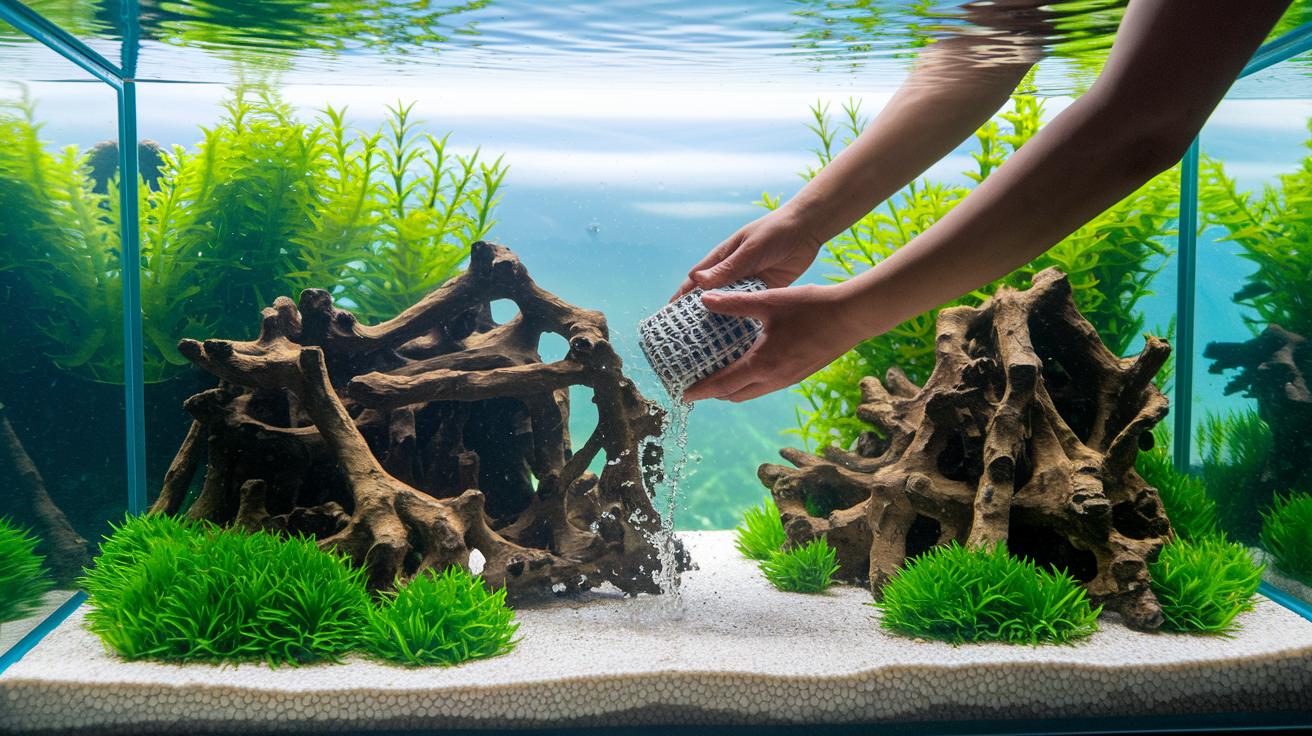
Your tank’s equipment is like a gentle guardian for your underwater world. By keeping filters, heaters, air pumps, and lights in great shape, you help your water stay clean and your aquatic friends feel safe, just like tuning your favorite instrument for a perfect melody beneath the surface.
Filter Cleaning Protocol
First, switch off all your electrical gear before you start. Take apart your filter and carefully remove the media. Rinse it slowly in a bucket of tank water to make sure those helpful bacteria stick around and do their job. Replace any parts that seem worn out, following your manufacturer’s schedule, and give your filter a thorough clean about once a month. This little ritual works like a refreshing stream, keeping your water bright and healthy.
Heater, Aerator & Light Checks
Next, inspect your heater for any signs of leaks and test it to see if it matches the needs of your tank’s warm currents. Listen carefully to your air pump for a steady, comforting flow of bubbles while keeping an ear out for odd sounds. Lastly, check your lights, swap out any burned-out bulbs as recommended and look over seals and connections to keep everything snug and secure.
Regular care and timely checks of all your gear not only stop problems before they start, but they also create a peaceful aquatic home that your finned pals will love.
Fish Tank Substrate Vacuuming and Debris Elimination Methods
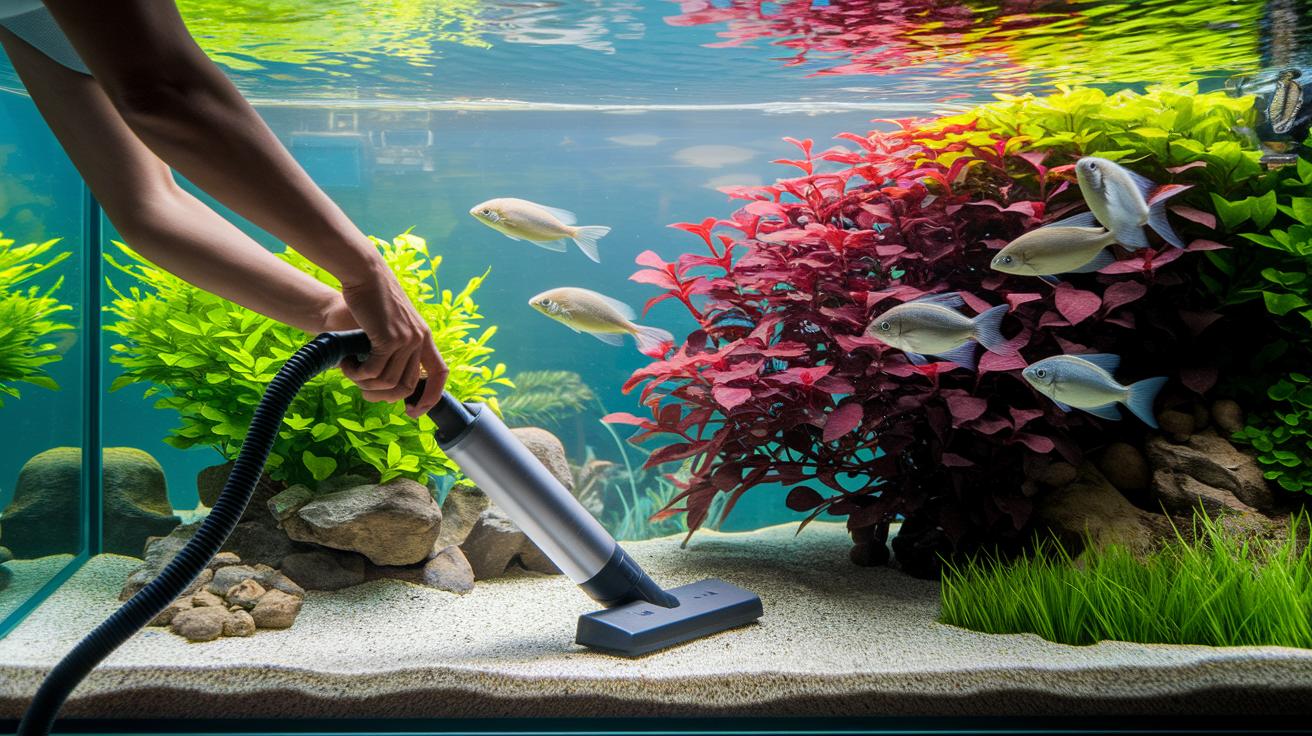
Keeping your fish tank’s bottom clean is key for clear water and happy fish. Using an aquarium siphon to vacuum about one-third of the substrate helps remove leftover food and waste that can boost nitrate levels.
- Choose a siphon nozzle that fits your substrate, whether it's gravel or sand.
- Adjust the vacuum so it cleans just the top layer where most debris gathers, imagine the gentle touch of dipping your toe into a shallow, clear stream.
- Make cleaning a habit by vacuuming roughly one-third of the substrate during each session.
- Time your vacuuming with water changes to wash away extra nitrates along with the debris.
- After vacuuming, rinse the substrate lightly to clear out any loose particles, like giving your tank’s floor a quick, refreshing shower.
Keep an eye on your substrate over time and fine-tune these steps to ensure your aquarium stays in great shape.
Fish Tank Cleaning Schedule Planning for Effective Maintenance
Keeping your fish tank in tip-top shape is like tending to a lively underwater garden. By mixing pre-clean checks, the main cleaning steps, and a little finishing touch, you create a routine that easily blends with your everyday tank care instead of feeling like a strict list.
-
Daily Tasks
- Begin your day by checking that the heater, lights, and pumps are running smoothly. Imagine giving each part a friendly nod, letting your fish know their home is ready for a new day.
- Gently remove any thin film on the water and scoop out bits of floating debris.
- Wipe away any algae spots you notice, keeping the surface fresh and clear.
-
Weekly Tasks
- Treat your fish to a mini spa day by refreshing about 15–25% of the water each week. It’s like a little deep breath of fresh water just for them.
- Use a vacuum on the substrate to lift hidden debris, ensuring the bottom looks as clear as a calm pond.
- Wipe down the glass so the light can play over the water and trim any overgrown plants to keep the view beautiful.
- Give the filter a once-over to make sure it’s still running smoothly as part of your weekly care.
-
Monthly Tasks
- Once a month, check your water’s health with a full parameter test, think of it as a check-up that looks at pH and other small details that keep your tank safe.
- Deep clean the filter beyond your usual routine to remove any build-up that regular cleaning might miss.
- Inspect every piece of your equipment for signs of wear, and arrange for any needed repairs during your monthly review.
Adjust this integrated schedule to match your tank’s needs and the lively activity of your fish. If you notice the water isn’t as clear or the filter feels slower than usual, consider adding an extra check during the week.
Fish Tank Safety Measures and Stress Reduction During Maintenance
When you clean your tank, take your time and treat your fish gently. Keeping them in a little bit of tank water, even when you partially drain it, lets them stay in a familiar splashy world. Turning off electrical devices not only keeps you safe but also reduces unexpected noises that might startle your aquatic pals.
Using water that’s the same temperature as what’s already in the tank is like giving them a warm welcome, preventing any sudden shocks. And when you add water conditioner right after refilling, it works as a cozy safety net for your fish. These simple steps blend into your cleaning routine like the rhythmic flow of a gentle stream.
| Step | What to Do |
|---|---|
| 1 | Turn off equipment before taking out water |
| 2 | Match new water temperature with the tank’s water |
| 3 | Add water conditioner immediately after refilling |
| 4 | Handle your tank gently to keep fish calm |
| 5 | Add fresh water slowly to avoid temperature shock |
| 6 | Securely reattach heaters once maintenance is complete |
After you finish cleaning, take a moment to watch your fish. Look for any unusual moves or signs of stress, they’re your gentle reminders that everything is settling back into place, like gentle ripples on a quiet pond.
Final Words
In the action, this guide walked through a step-by-step routine, from pre-cleaning checks and core cleaning actions to filter servicing and substrate vacuuming. It shared useful insights on algae control, water testing, and setting up a cleaning schedule that protects fish and creates a pleasant aquatic space.
By following these fish tank cleaning and maintenance tips, you can keep your tank shining and your finned friends happy. Enjoy every bubbly moment as you care for your underwater haven!
FAQ
How do Reddit fish tank cleaning tips help maintain your aquarium?
Reddit tips highlight step-by-step cleaning routines, proper equipment use, and stress-free fish handling. They offer real-life advice that guides you toward a balanced, clear, and healthy tank environment.
How does one keep a fish tank clean without frequent water changes?
Maintaining a clean tank without constant water changes relies on robust filtration, regular debris removal, and targeted algae control to keep waste and build-up at bay while keeping fish safe.
How do beginners start cleaning their fish tank effectively?
Beginners should begin by testing water parameters, gently using a siphon to vacuum the substrate, and carefully wiping the glass with non-abrasive tools while keeping fish in water to reduce stress.
How do you apply the best cleaning and maintenance tips for a fish tank?
Top tips include daily equipment checks, weekly water changes paired with substrate vacuuming, monthly filter servicing, and cautious algae control measures to ensure a bright, healthy aquarium.
What should a fish tank maintenance checklist include?
A maintenance checklist covers daily inspections, weekly water changes and vacuuming, periodic algae scrubbing, monthly filter cleaning, and routine water parameter tests to keep your tank thriving.
How can you clean a fish tank with no specialized equipment?
Cleaning without specific tools means using household alternatives like soft cloths for glass cleaning and careful water removal methods, always ensuring your fish remain undisturbed in their environment.
How is vinegar used safely when cleaning a fish tank?
When using vinegar, dilute it with water to scrub the glass gently, then rinse thoroughly to remove any residue. This method helps clear algae without harming fish or plants.
How often should a fish tank be cleaned and maintained?
Generally, a tank needs a weekly partial cleaning with substrate vacuuming and a monthly thorough cleaning that includes filter servicing and water testing, all adjusted for tank size and fish load.
What is the golden rule for maintaining an aquarium?
The golden rule is to work gently and methodically by keeping fish in water during cleaning and protecting beneficial bacteria, ensuring the ecosystem remains stable and stress-free.
What actions should be avoided during fish tank cleaning to reduce stress?
Avoid removing fish from their habitat, using harsh chemicals, and over-cleaning filter media. Also, steer clear of sudden temperature changes to keep fish calm throughout the process.
Can water conditioner be added while fish remain in the tank?
Yes, adding water conditioner while fish are in the tank is safe. It quickly neutralizes harmful chemicals from tap water, helping maintain a balanced, healthy aquatic environment.