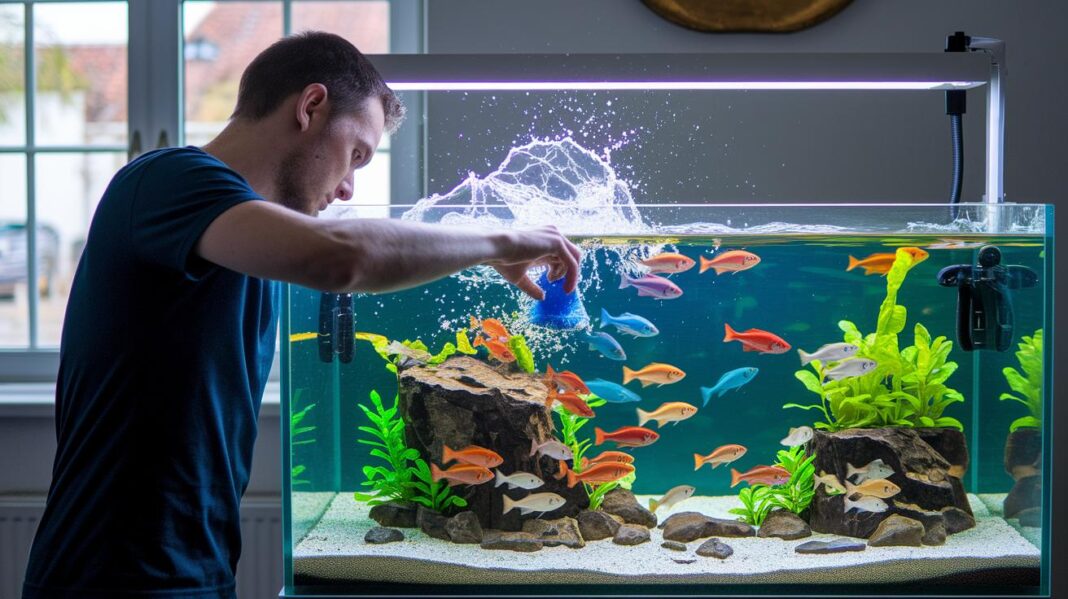

Have you ever wondered if your filter is really taking care of your fish? A well-loved filter works like a good friend, keeping your water clear and your fish feeling cozy. When it runs smoothly, it stops chemicals from building up, turning your tank into a safe, lively home.
In this guide, I'll share simple daily and weekly checks to help you keep your filter in tip-top shape. Stick with me to learn the easy steps that make your aquarium as calm and serene as a quiet pond.
Key Fish Tank Filter Maintenance for Clear, Healthy Water
Keeping your filter in good shape is like giving your fish a safe, clean home. A filter in top condition stops harmful ammonia and nitrite from building up, which can keep your fish happy and healthy. Plus, routine upkeep helps the water flow smoothly, creating an aquarium that feels as calm and vibrant as a quiet pond. Every day, take a moment to watch for the gentle ripples that show your filter is doing its job.
Daily checks are really simple. Just take a quick look at the filter inlet and its screens to see if any algae or bits of debris are blocking the water. You want everything in place, much like making sure your favorite toy has all its parts. Here’s a little checklist to guide you:
- Make sure you see water moving at the filter.
- Brush away any algae or floating debris around the inlet.
- Check that hoses and fittings are snug and secure.
Once a week, give your filter a deeper look. Notice how fast the water flows out of the filter. If the flow suddenly drops, it could mean the filter is clogged or working too hard, sort of like a vacuum bag when it’s full. Handling small issues now can prevent bigger problems, like overheating or damage from running dry. The exact timing for these checks depends on your tank size, filter type, and the number of fish you have. Smaller tanks might require a little extra attention compared to a large, balanced system.
| Daily Checks | Weekly Checks |
|---|---|
| Look for water movement | Monitor the water flow rate |
| Remove algae and debris | Inspect for clogs or drying signs |
| Ensure hoses and fittings are secure | Check that the filter isn’t overheating |
Routine Fish Tank Filter Maintenance Schedules by Filter Type
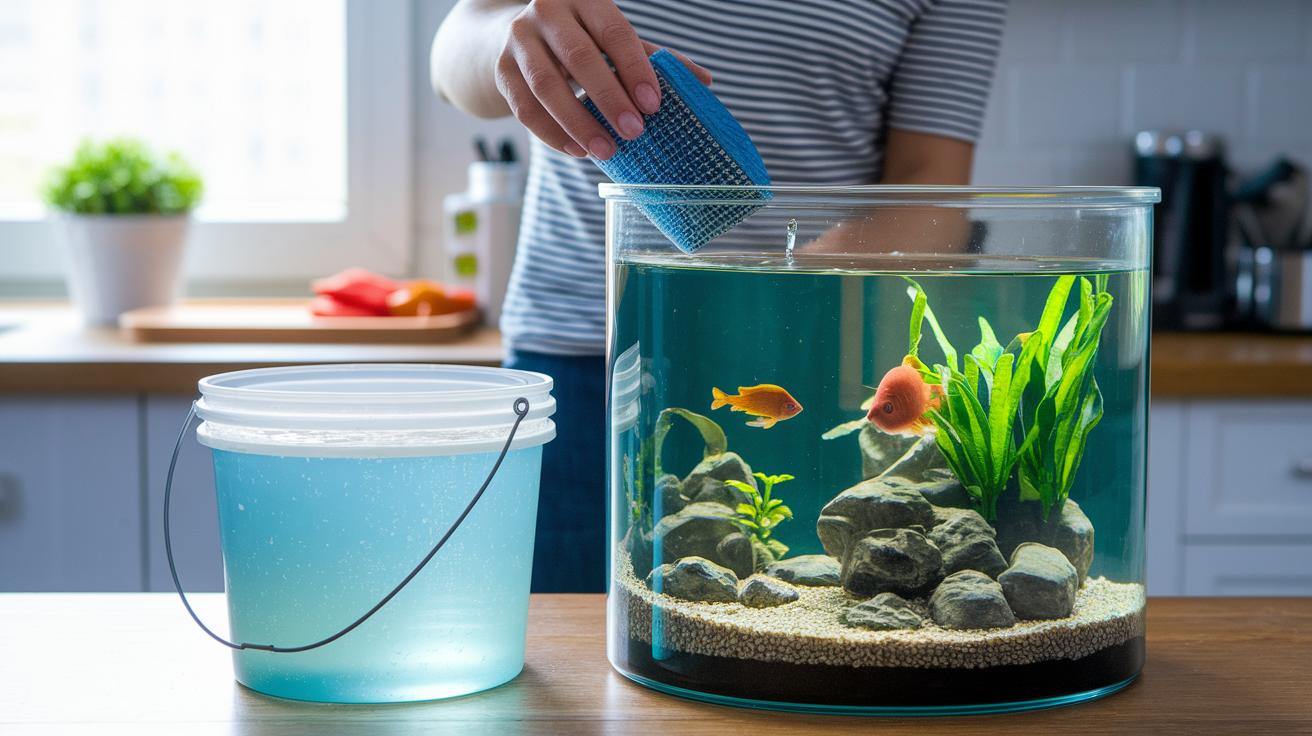
If you have a nano sponge filter, it’s best to give it a quick clean about once a month. Their small size means they can trap bits of debris quickly, making it tougher for water to flow freely, just like germs clogging a tiny stream.
For internal power filters, try to service them every 6 to 8 weeks. Since these filters deal with more water and waste, keeping an eye out for signs like slower water flow or a cloudy tank can be a helpful hint that they’re due for a clean. It’s almost like your tank is sending you a little note.
Hang-on-back units need a bit of love every 4 to 6 weeks. If you notice that the water flow has slowed down or see the filter media look like it’s swelling, it’s time to check it out. These little clues remind you that the filter is working hard and that a bit of care can keep your fish happy.
Canister filters, which are great for larger tanks, usually need service every 3 to 6 months. How often you clean them might change depending on your tank’s size, how much you feed your fish, and the overall waste in your tank. Adjust your routine based on how your filter is performing, after all, every tank has its own rhythm.
- Watch for signs like slower water flow or cloudy water, these are your reminders.
- Keep an eye on your setup daily to catch any changes early.
- Stick to a routine that suits your tank’s unique needs to ensure a calm, healthy home for your fish.
Step-by-Step Fish Tank Filter Maintenance: Disassembly and Cleaning Procedures
Start by getting your work area ready. Spread out some towels or plastic sheets so any spills get caught. Then, turn off the power, unplug your filter, and switch off any inline UV sterilizers. This keeps you safe and avoids any unwanted surprises while you work.
Next, focus on your internal filters. Carefully remove the housing and take out the filter media. Instead of using tap water, place the media in a bucket filled with some old tank water. This way, you protect the good bacteria that make your tank thrive. For example, gently brush the impeller with a soft brush, think of it like caring for a delicate sponge. Use a small brush or sponge to clean the impeller, its chambers, inlets, and outlets slowly, letting the old tank water wash away the dirt.
If you’re working with a canister filter, start by disconnecting the hoses. Keep a towel nearby to catch any drips and prevent a mini water flood, ideally near a sink or even outside. Once you’ve detached the hoses, carefully remove the tubing. Run some old tank water through it to flush out debris or give it a brief soak in a vinegar solution to break down stubborn deposits. Imagine rinsing a delicate piece of cloth, gently and thoroughly.
Remember, every part deserves a gentle touch. Avoid harsh chemicals or tap water on your filter media because they can harm the beneficial bacteria. After you’ve cleaned everything, let the parts dry a bit before reassembling your filter. Following these easy steps helps keep both your internal filtration system and canister units in top shape, ensuring a safe and happy home for your fish.
- Lay down protective coverings.
- Switch off power and disconnect all connections.
- Clean internal components with old tank water.
- Rinse tubing and hoses carefully.
Media Management and Beneficial Bacteria in Fish Tank Filter Maintenance
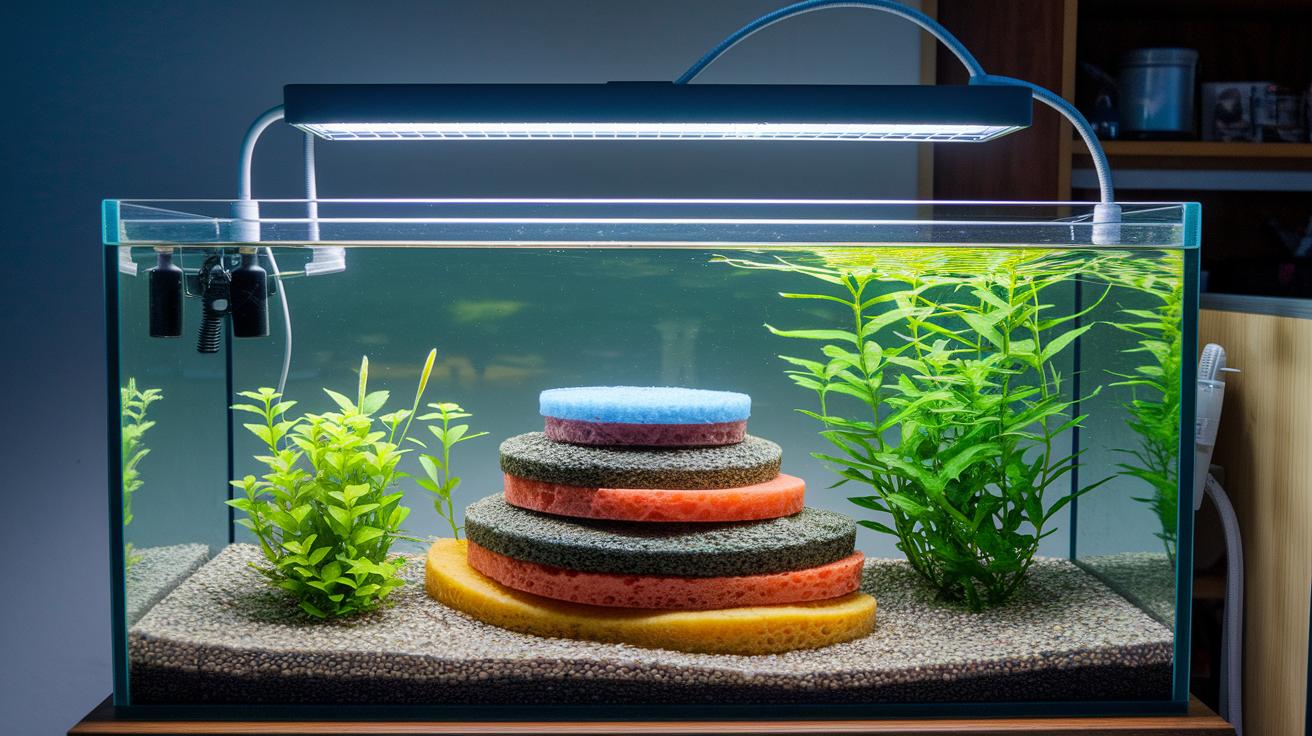
Keeping the helpful bacteria in your filter is like caring for a little underwater garden. Don’t use tap water on your bio media. Instead, rinse your sponges and ceramics with water from your tank. This gentle step helps those friendly bacteria break down waste, kind of like giving your favorite plant a light spritz instead of a heavy rain.
During cleaning, try to keep your filter media slightly damp. The good bacteria can hang on for a few hours without strong water flow, which means your tank’s natural cleaning power stays strong.
If you ever need to swap out a sponge, do it slowly. Instead of taking out the whole sponge at once, cut it in half and replace just one part at a time. It’s like carefully swapping out old bricks in a well-built wall, so the balance of beneficial bacteria isn’t thrown off.
Also, how you arrange your filter media really matters. Start with coarse sponges or ceramics that catch the bigger particles, then add medium media, and finish off with fine floss. Any carbon or chemical media should go at the end to get the best results.
| Media Type | Placement Order |
|---|---|
| Coarse sponges/ceramics | First |
| Medium media | Second |
| Fine floss | Third |
| Carbon/chemical media | Last |
Troubleshooting Common Issues in Fish Tank Filter Maintenance
When you notice a drop in water flow or see bits of debris swirling around the filter’s opening, it's a clear sign that your tank needs a little extra love. Cloudy water or algae clinging to your clear PVC tubing also remind you that keeping things clean is super important. If you spot green buildup on your tubing, try soaking it in vinegar and giving it a gentle scrub with a pipe brush, just like when you're cleaning a stubborn kitchen tool.
Here are some common warning signs and simple fixes:
- Do you see a big drop in water flow? This might mean the filter media has swollen or gotten squished, which can lead to a loose lid in hang-on-back filters.
- If swirling debris or algae gathers near the inlet, a soft brush dipped in a vinegar solution can help clear things up.
- Cloudy water might be a sign that parts like inlet straws, spray bars, or return nozzles are clogged. Give them a quick check and a gentle clean to bring back clear, flowing water.
Checking these areas often can stop clogs before they start and keep your filter working beautifully every day.
Advanced Strategies for Long-Term Fish Tank Filter Maintenance
This section offers a friendly recap of tips to help your filter live a long, healthy life while cutting down on cleaning time. For all the step-by-step routines and in-depth cleaning guides, you can check out the other parts of our article.
Keeping an eye on your filter's flow rate is like watching the gentle ripple of water in your favorite pond. If you notice the water slowing down, it's a clear sign to update your cleaning schedule based on how the filter is really performing. I once saw my filter's flow drop and decided to change my cleaning days instead of sticking to my usual routine.
Sometimes, using low-maintenance options can make a big difference. Air-stone enhanced sponge filters, for example, cut down how often you need to service your setup. And if your tubing or impellers start to get covered in stubborn mineral deposits, a soft vinegar rinse works wonders without harming the beneficial bacteria.
- Monitor the filter’s flow rate each month and adjust your cleaning schedule as needed.
- Consider an air-stone enhanced sponge filter to lower overall maintenance.
- Give tubing and impellers a gentle rinse with vinegar to clear off mineral deposits.
For more detailed steps and troubleshooting tips, be sure to read through the full sections in our article.
Final Words
In the action of fish tank filter maintenance, we explored quick daily checks, routine cleaning schedules for different filter types, and safe disassembly procedures. We touched on how keeping media moist preserves beneficial bacteria and offered simple techniques for troubleshooting common issues. This simple guide shows that regular care keeps your aquatic habitat clear, healthy, and visually pleasing. Remember, every small task contributes to long-lasting water clarity and overall fish well-being. Enjoy the gentle rhythm of your tank and the serene underwater world it creates.
FAQ
How to clean an aquarium filter without killing bacteria?
Cleaning an aquarium filter without harming bacteria means rinsing filter media, sponges, and pads using old tank water. This method preserves beneficial bacteria while removing debris and buildup gently and effectively.
What are the best steps for fish tank filter maintenance?
The best fish tank filter maintenance includes daily checks for proper water flow and weekly debris removal. This routine helps keep your filter running smoothly and your tank water clear and healthy.
How can I clean various filter components like sponges, pads, cartridges, tubes, and hang-on-back units?
Cleaning these components involves disassembling them and rinsing in old tank water instead of tap water. Use a soft brush to scrub sponges and pads, and soak tubes in a vinegar solution to clear deposits safely.
How often should I clean or change my fish tank filter media?
Cleaning intervals vary based on your tank’s size and fish load. In general, clean filter media every few weeks, and replace sponges or pads gradually to protect beneficial bacteria while keeping your system efficient.
What is the lifespan of a fish tank filter?
The lifespan of a fish tank filter depends on its type and how often it’s maintained. With proper care, most filters work well for several months up to a year before needing service or replacement.