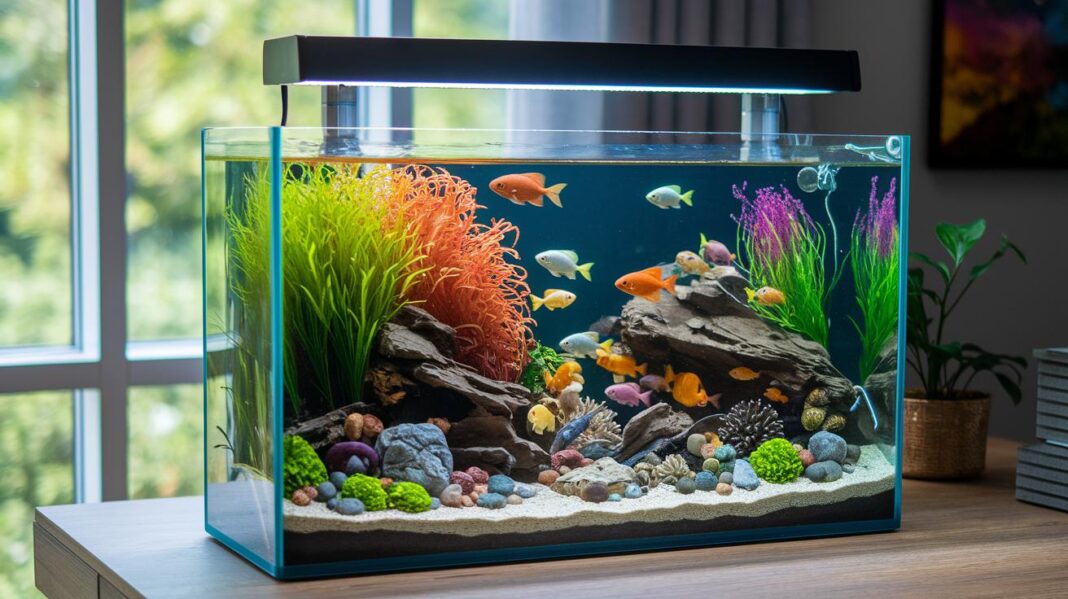

Ever thought about turning your living room into a cool underwater scene? It might sound a bit tricky at first, but with a few handy hints, you'll have your very own fish tank set up in no time.
Starting is simple, treat your tap water with care and find a strong, steady stand to hold up your tank. Imagine soft ripples dancing over smooth stones and light glimmering on your fish's scales as they settle in.
Stick around as we share some easy steps to make your beginner tank safe and inviting for your new aquatic buddies.
Essential Fish Tank for Beginners Setup Overview
When you set up your aquarium the right way, it quickly turns into its own little underwater world. Most tap water in the U.S. contains chemicals like chlorine and chloramine. So, a few drops of water conditioner per gallon can transform your tap water into a safe, welcoming home for your fish. This is a simple tip that makes caring for your tank much easier.
Setting up a new tank takes a bit of time. You’ll want to wait one to two weeks for your tank to cycle. During this time, helpful bacteria break down dangerous ammonia into nitrate, which is much safer for your fish. Think of it as giving your new tank a natural detox before you introduce any residents.
Remember that a freshwater setup often costs around $200 or more, so it’s smart to plan your budget ahead of time. A helpful hint: water weighs about 10 pounds per gallon. That means even a small tank can get pretty heavy, so make sure you have a strong, level stand or cabinet to keep everything secure.
Also, consider choosing a tank with a lid. Lids not only give your setup a neat look but also help keep the heat in, reduce evaporation, and prevent your fish from jumping out. Taking care of these little details means your beginner tank will thrive, creating a safe and calming space for both you and your aquatic friends.
Choosing the Right Tank Size and Location for a Beginner Fish Tank

Water might look light, but it packs a punch, a single gallon weighs around 10 pounds. That means a 10-gallon tank holds about 100 pounds of water! For those just getting started, a 10-gallon fish tank is a great choice for smaller setups. And if you're dreaming of a lively community of little fish, a 20-gallon tank (whether it's "long" or "high") gives you a bit more room to play.
When it comes to setting up your tank, lean on something sturdy. A waterproof, flat, and reinforced stand or cabinet is key because all that water quickly adds up to a heavy load. Many beginners pick rimmed tanks. Why? They help keep the water temperature steady and even stop your fish from taking an unexpected leap out.
A fun fact to keep in mind: one gallon of water weighs about as much as a small bag of sugar. That really shows why a solid base matters so much.
Next, choose a spot away from direct sunlight. This keeps the tank cool and helps prevent too much algae growth. You also want a nice viewing area where you can relax and watch your fish glide by. With the right tank size and a smart location, you're setting up a perfect little underwater world that can really thrive.
Essential Equipment and Starter Aquarium Kit for Beginners
When you're setting up your first aquarium, having the right gear can really make a splash. Think of your starter kit like a trusted toolbox that helps you create a little underwater world where your fish can thrive. Start with a good filtration system, sponge filters work wonderfully. They gently move the water, supporting friendly bacteria and keeping things clean, almost like a quiet helper that never quits.
Next, don’t forget about the heater. A simple rule is to use about 3 to 5 watts for each gallon of water. In a smaller tank, one heater should do the trick, but in a larger setup, two heaters can spread the warmth evenly. This keeps tropical fish comfortable and takes the load off each heater. Lighting is also important, if you're planning to add live plants, consider LED lights with timers. They brighten up the tank in just the right way for both plants and fish, while tanks for fish-only can get by with built-in lights.
Water treatment is key, too. A dechlorinator helps remove harsh chemicals like chloramine from tap water, and test strips keep an eye on pH, ammonia, and nitrite levels to ensure your water stays safe. Don’t skip on essential extras like a reliable thermometer to track water temperature and a lid to keep heat in and stop any adventurous fish from escaping. And remember, always rinse decorations and substrate well before you add them to your tank. For beginners, an all-in-one starter kit bundles these must-have items together, so you can enjoy watching your underwater scene flourish without overthinking every detail.
Preparing Substrate, Decorations, and Live Plants in a Beginner Fish Tank

Begin by giving your gravel a good rinse under tap water. This step washes away dust and tiny particles so your water stays as clear as a calm lagoon. Next, spread about half an inch to one inch of your clean substrate across the bottom, and gently slope it from back to front. This slight angle creates a soft, natural look, much like the smooth shoreline of your favorite beach.
Then, take a moment to carefully rinse your rocks, driftwood, and ornaments using just tap water. Remember, no soap or bleach, your fish deserve a healthy, safe environment! Imagine these treasures as little gems, freshly cleaned and ready to shine in your underwater world.
For a beginner tank, plastic plants can be a wonderful pick. They brighten up your aquarium with vibrant colors and don’t require special lighting or extra nutrients. If you decide to go with live plants, just keep in mind they need the proper light and occasional feeding to grow strong. In this way, plastic plants become your low-maintenance friends that bring a touch of nature while you start your new hobby. Enjoy setting up your tank, and soon your fish will have a cozy, inviting home to call their own.
Cycling Your Beginner Fish Tank: Establishing Beneficial Bacteria
Imagine your tank has its very own team of tiny helpers. These friendly bacteria change harmful ammonia into nitrite and then into nitrate, making your aquarium a safer place to live. That brown layer on your filter? It shows these little workers are busy doing their job. Try not to clean it away too much during the cycle, because it’s like a cozy home for these bacteria, helping keep your fish safe.
Fishless Cycling Method
For a fishless cycle, begin by adding 1/8 teaspoon of dry food and 1 teaspoon of urine to your tank each day. It might sound a bit unusual, but these extra nutrients act like a yummy treat for the bacteria, kickstarting their work without endangering your fish. Think of it like preparing the soil before planting your favorite garden flowers. Over about four weeks, you’ll see the bacteria build up steadily, creating a solid defense against toxins before your fish ever make an appearance.
Fish-In Cycling Method
If you already have a few sturdy fish swimming around, you can try a fish-in cycle. Feed them just a small amount each day so that ammonia levels don’t suddenly spike. To help your bacterial buddies settle in, you can sprinkle a bit of soil or a pinch of compost into your filter media. Keep a close watch on ammonia using test strips, and feed sparingly to protect your fish from sudden changes. Typically, both methods take one to two weeks to set up a balanced cycle, ensuring your tank becomes a smooth, safe environment for any new friends you add.
Selecting Novice-Friendly Fish Species for Your First Tank
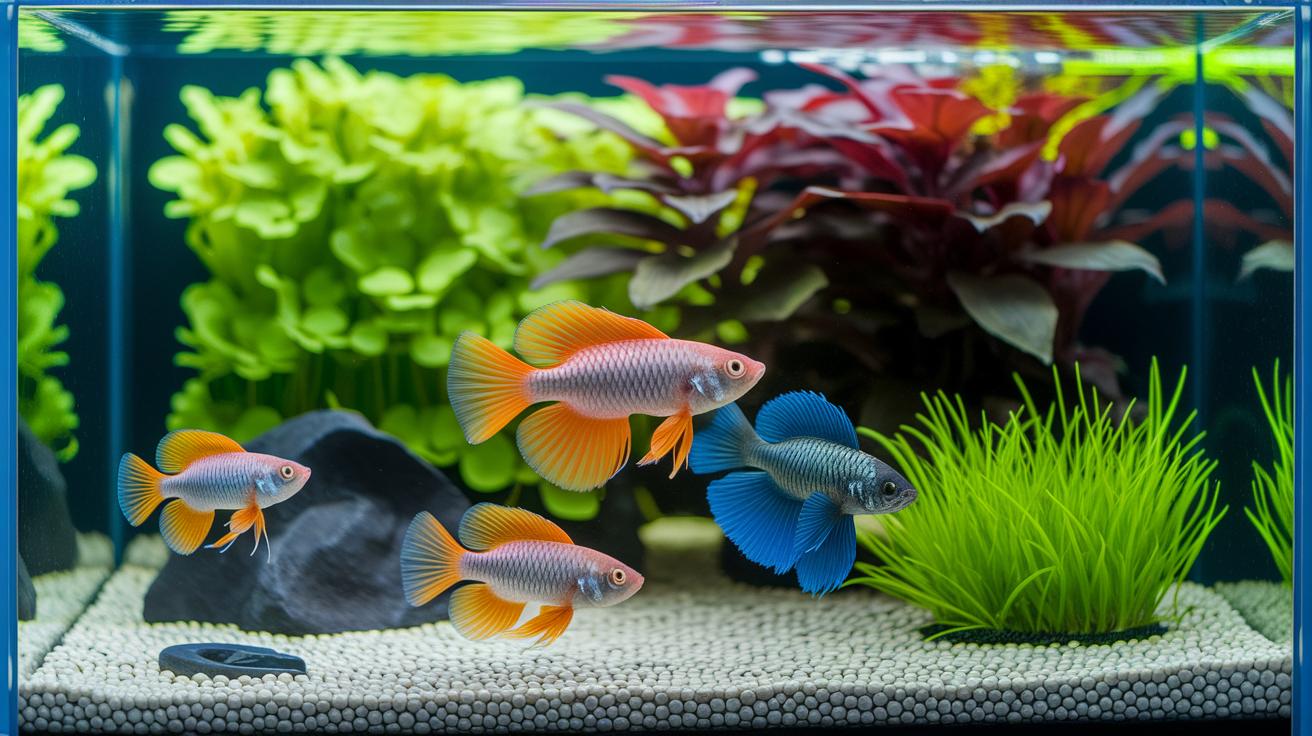
When starting your first aquarium, it’s best to choose fish that are easy to care for. You want hardier fish that can handle a few beginner mistakes instead of delicate species, like neon tetras or discus, that need extra attention and very steady water conditions.
Try picking friendly schoolers such as guppies, platies, mollies, or zebra danios. These lively fish do well in a standard 10–20 gallon tank, adding a fun splash of color without demanding constant upkeep. They’re forgiving when you’re still learning the ins and outs of tank care, making them excellent companions on your aquatic journey.
But if you’re drawn to having one star fish, a betta can be a charming choice. Betta fish work great in a smaller 5–10 gallon tank with a secure lid. They bring vibrant color and unique personality, and they’re known for being independent, so they fit well into a simple setup.
A good rule to remember is to allow about 1 inch of fish per 1 to 2 gallons of water. This guideline helps ensure that each fish has room to swim and that your filter can keep up with any waste during the cycling period. With these resilient fish by your side, you’re set to create a beautiful, growing aquarium that matches your growing passion for aquatic life.
Routine Maintenance and Troubleshooting for a Beginner Fish Tank
Keeping your fish tank healthy is all about simple, regular check-ups. Changing about 10–20% of your water each week with properly treated water is like giving your tank a mini spa day. This small step helps keep bad chemicals away and stops waste from clouding your water.
Next, be sure to take care of your filter media by rinsing it gently in some tank water instead of swapping it out completely. This gentle care keeps the friendly bacteria that break down waste happy and working quietly behind the scenes to keep your water balanced.
It's also a smart move to use test strips to keep an eye on your tank’s pH, ammonia, nitrite, and nitrate levels. Quick checks let you spot any changes early so you can act before little problems turn into big ones. With this routine, upkeep becomes a natural part of your hobby rather than a stressful chore.
Here are a few everyday troubleshooting ideas:
- Use a timer to run your tank lights for 8–10 hours each day. This daily schedule helps control algae growth.
- Gently scrub surfaces during water changes to remove algae and debris.
- Watch out for signs like cloudy water, brown algae patches, or even ich outbreaks. If you notice any of these, adjust your water treatments or try the appropriate medication.
Regular care like this keeps your tank stable and your fish happy. A bit of consistent attention goes a long way toward making your underwater world clear and inviting.
Comparing Budget-Friendly Starter Kits and Purchase Options
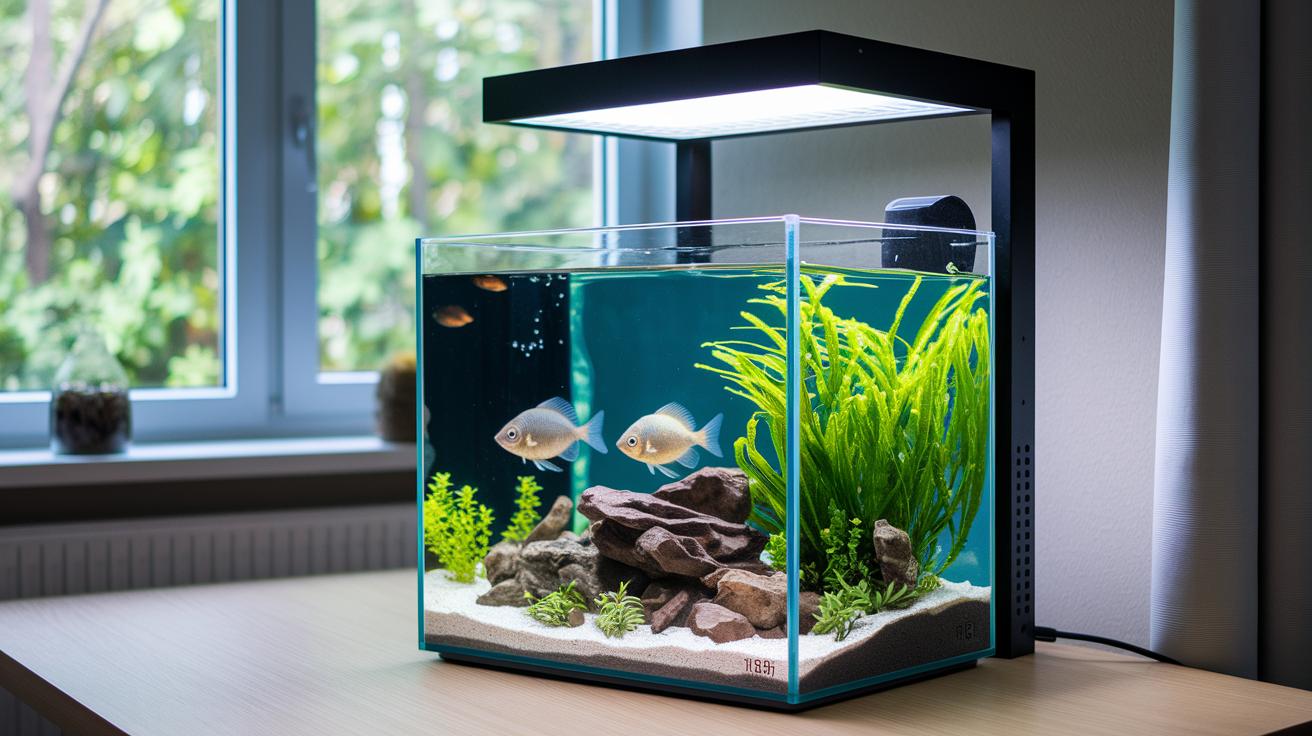
Stepping into fishkeeping can be exciting yet a bit confusing. You might wonder whether to grab a ready-to-go all-in-one kit or choose each piece one by one. An all-in-one kit typically costs about $200 or more and comes with the tank, filter (which cleans the water), heater, light, and lid. It’s a bit like picking up a ready-made meal, you get convenience with everything designed to work together smoothly.
On the other hand, building your own setup lets you choose exactly what you want and leaves room for future upgrades. However, putting together a custom kit can feel like assembling a puzzle without clear instructions, especially if you’re just starting out.
For budget-minded fish lovers, many online retailers offer discount or bulk kits. These deals often include solid warranty details and extras that add value. One happy aquarist mentioned, "I found a kit online that saved me both money and time, making my first setup fun and stress-free." Whether you choose a turnkey kit or a custom build, comparing warranty info and bonus features can help you find the most cost-effective option for your underwater haven.
Final Words
In the action, we explored how to set up a safe and inviting aquatic world. We covered choosing the right tank size, selecting essential equipment, preparing décor, and establishing the biological cycle with care.
Next, we shared simple maintenance tips and budgeting ideas to keep your space healthy and lively. Each step is part of an exciting process for anyone starting with a fish tank for beginners, making your underwater world a true haven of calm and joy.
FAQ
How do you start a fish tank for beginners?
Starting a fish tank for beginners means preparing a stable setup by rinsing the tank, adding water with a conditioner to remove chlorine, and running the cycle for 1–2 weeks before introducing any fish.
What should a beginner fish tank kit include?
A beginner fish tank kit should include a suitable tank, filter, heater, lighting, water conditioner, and test strips. This kit makes setting up your freshwater or tropical aquarium simple and organized.
What is a good beginner fish tank size?
A good beginner fish tank size starts around 10 gallons, offering stability and manageable water weight. For more community options, a tank around 20 gallons works well when properly supported.
How long until you can add fish to a new tank?
The setup process shows that cycling your tank takes about 1–2 weeks. This window allows beneficial bacteria to grow and make the water safe for your fish to join their new home.
Which fish are best for beginners?
Choosing beginner-friendly fish means opting for hardy species like guppies, platies, and mollies, or a betta for smaller tanks. These species adapt well as you learn the basics of aquarium care.
How do you set up a tropical fish tank for the first time?
Setting up a tropical fish tank for the first time means selecting a tank with a lid, the right heater for your tank size, proper filtration, and following a careful cycling process to create a healthy water environment.