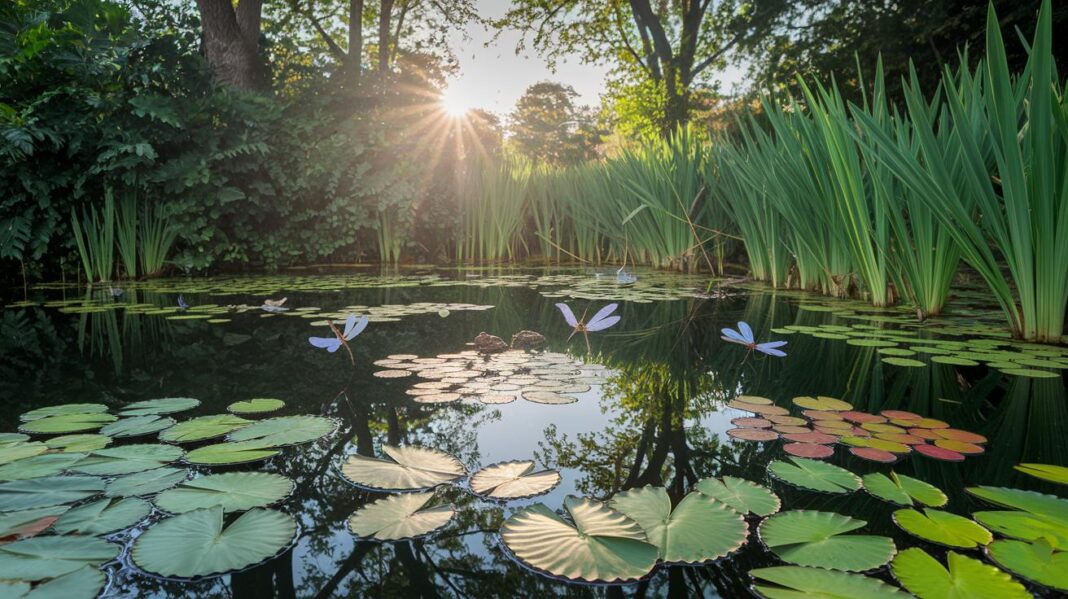

Have you ever thought about a tiny pond bursting with life? Lakes, rivers, and wetlands make up our freshwater world, covering nearly one out of every five places on Earth and holding almost 80% of the water we use every day.
As the seasons change, the water warms and cools, creating a cozy home for creatures that love both heat and chill. In this piece, we'll dive into the unique wonders of these watery habitats and see how they keep nature buzzing with life.
Defining the Freshwater Biome: Scope and Key Characteristics
The freshwater biome is a lively world found in places like lakes, rivers, streams, ponds, and wetlands. These waters barely have any salt, less than 0.05% dissolved salts, making them perfect homes for a wide variety of plants and animals. They cover nearly 20% of Earth’s surface and hold almost 80% of the water we use every day for drinking, bathing, and farming.
The water in these biomes changes with the seasons, much like the gentle ripple of a calm stream. In summer, temperatures usually stay comfy between 65°F and 75°F, while winter cools things down to about 35°F to 45°F. This ebb and flow allows both warm-loving and cold-loving species to thrive. For example, when a lake’s surface feels warm in the summer, it creates a relaxed space for some fish, while deeper, cooler parts become cozy hideouts for others.
These freshwater areas can be really big, too. Think about the Florida Everglades, which can get up to 60 inches of rain in one wet season. That steady shower of rain not only nourishes the land but also makes these habitats a crucial source of fresh water for communities and wildlife alike.
Overall, the freshwater biome’s mix of diverse water bodies and smooth temperature shifts helps create a balanced, vibrant underwater world that keeps nature thriving.
Key Freshwater Habitat Types Within the Freshwater Biome

Freshwater habitats are like different underwater neighborhoods that host a wide range of plants and animals. Each type has its own feel, changing water flow and temperature in ways that help different creatures thrive. For example, lakes usually warm at the top when the sun shines while the deeper parts stay cool. This natural layering gives rise to distinct areas where certain fish and aquatic plants do best.
Below is a table comparing the four main habitat types:
| Habitat Type | Characteristic Features | Example |
|---|---|---|
| Lakes | Warm surface with cooler depths due to natural layering | Lake Baikal |
| Rivers & Streams | Flowing water that stirs up oxygen for resident species | Sweden taiga river |
| Ponds | Shallow water, usually seasonal, with an even temperature | Seasonal farm pond |
| Wetlands (marshes, swamps, bogs) | High biodiversity; naturally filters water and helps control floods | Everglades marsh |
Rivers and streams keep water moving, naturally mixing in oxygen crucial for many fish. Ponds, by contrast, offer a simpler, more consistent environment that quickly warms under the sun. And wetlands, with their gentle power to filter water and control floods, nurture a host of organisms. Each habitat plays its part in keeping our freshwater world balanced and bursting with life.
Aquatic Vegetation in the Freshwater Biome
Large aquatic plants, known as macrophytes, thrive in wetlands that cover nearly 6% of our world. They sip water and light, along with a pinch of carbon dioxide, nitrogen, and phosphorus, just like the perfect ingredients for a beautiful underwater garden. Imagine a pond where lush green plants sway gently, almost as if they’re performing a quiet underwater dance.
Underneath these swaying greens, submerged plants and tiny algae form the base of the food chain. They nourish small critters and pump out essential oxygen for fish and invertebrates. When extra nutrients wash into the water, they can spark an algae bloom, a sudden, dense green layer that blankets the pond overnight. Ever notice how a small change can transform the whole underwater scene?
Too much algae can sometimes lower the oxygen in the water, leaving our aquatic friends a little stressed. Each plant, whether towering or tiny, plays its part in keeping the water clear and the ecosystem lively. It’s all about balance, much like watching the steady ripple of water across smooth stones on a calm day.
Freshwater Biome Fauna: Fish, Invertebrates, Amphibians, and Reptiles

Freshwater worlds are like lively underwater neighborhoods where every creature plays its part. Nearly 10% of all animal species and 40% of all fish call these waters home. In calm, slow-moving spots, some fish find a peaceful niche while others in brisk streams dart around like they're riding a gentle breeze. Ever notice how exciting it is to watch a fish zoom through a current?
Down on the bottom, tiny invertebrates such as worms, mollusks, crayfish, and insect larvae work hard. They nibble away at decaying material, cleaning the water bit by bit so everyone benefits. It’s like having a little cleanup crew that keeps the whole ecosystem running smoothly.
Amphibians, like frogs, depend on lush, watery plant life for breeding. Their eggs and tadpoles find safe hideaways among swaying grasses and lily pads, almost like a soft, leafy cradle. There’s something magical about how nature provides a cozy nursery for new life.
Reptiles such as turtles and alligators have their own cool tricks for surviving in these waters. They come up for air when they need it and can even slow down their metabolism to save energy. Every creature in this freshwater scene, whether big or small, adds to the rich, interwoven tapestry of life.
Ecosystem Services Provided by the Freshwater Biome
Freshwater habitats are more than just beautiful water scenes, they’re a lifeline for both people and nature. They supply us with drinking water and help water our crops, all while working hard to keep nature in balance. Think of these systems as nature’s own helpers, gently moving nutrients around to support a lively mix of plants and animals. Down in the hidden world of groundwater, there’s 25 times more freshwater than you see on the surface. It’s like having a secret reserve that quietly keeps our water steady.
These gentle waters also help soften the blow of floods and give us fun spots to enjoy the outdoors. And wetlands? They’re little powerhouses that catch carbon and help keep our climate just right, all while providing a lush home for many species.
Below are the top ecosystem services freshwater biomes offer:
- Drinking and irrigation water supply: They give us the clean water we need for drinking and farming.
- Nutrient cycling: They break down natural materials and recycle nutrients, keeping both water and land healthy.
- Habitat provision: They create homes for a wide range of creatures, boosting local biodiversity.
- Flood mitigation: They help reduce the impact of floods by soaking up and slowly releasing water.
- Carbon sequestration: Wetlands trap and store carbon, playing a key role in keeping our climate balanced.
Human Impacts and Threats to Freshwater Biomes
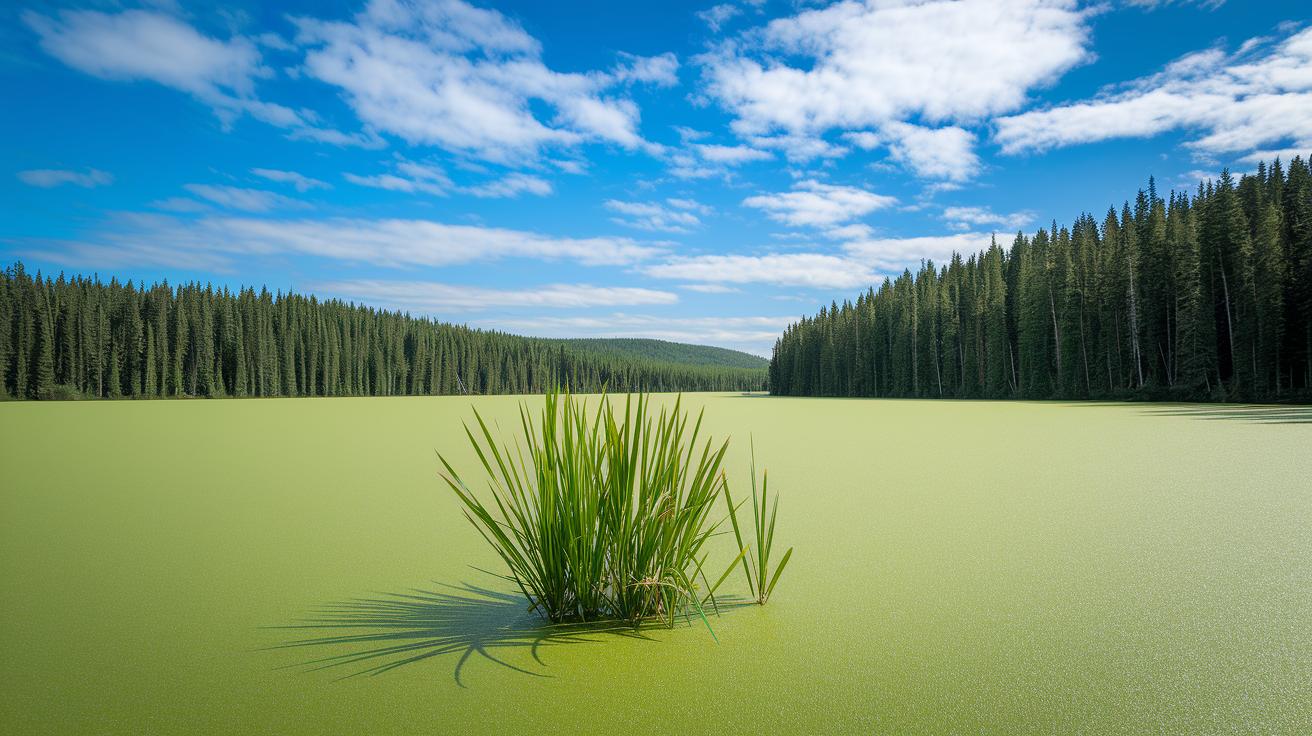
Farm runoff and factory waste often bring too many chemicals into our fresh waters. When these chemicals mix into streams and lakes, they cause nutrient levels to jump and spark fast-growing algae that suck the oxygen right out of the water. It’s like watching a clear, gentle stream suddenly get covered in a thick, green carpet.
Another problem is invasive species. Take water hyacinth, for example; it has spread across 25 U.S. states. This unwanted plant quickly blankets waterways, pushing out native plants and disturbing the homes of fish and little creatures. Picture an uninvited guest who fills up your favorite room, leaving almost no space for the regular residents.
Climate change also stirs things up in our freshwater world. Changes in rain can lead to either very dry spells or sudden heavy floods. Sometimes, less water makes lakes and rivers shrink, while heavy rains can wash away precious plants and soil in a flash. This forces fish and other water critters to adjust quickly, and they don’t always manage to do so.
Taking too much groundwater is another big challenge. In California’s Central Valley, pumping out too much water has even made some areas sink by as much as 30 feet! These changes can permanently alter how water moves and is stored underground, affecting both human communities and nature alike.
All of these issues, pollution, invasive species, shifting weather, and overuse of water, send out ripples that upset the gentle balance of our fresh waters.
Conservation and Restoration Practices in Freshwater Biomes
Restoration projects in freshwater biomes are all about helping nature bounce back. Experts work hard to clear out invasive plants that take over, giving local plants a fair chance to grow. They replant native riverside vegetation to hold the banks steady and offer cozy spots for water creatures. And reconnecting rivers with their floodplains helps water flow like it once did, reviving nutrient cycles and boosting habitat variety. Ever notice how nature comes alive when a river finds its way back home?
Sustainable aquatic management plays a big role in these projects. Regular water quality checks keep everyone informed about the health of the ecosystem. Testing water often makes sure that nutrient levels and pollutants stay balanced, which is key for keeping life underwater thriving. Plus, when communities learn practical tips and hear about success stories, they become true stewards of their local waters. It’s like sharing a simple secret with a friend who loves nature.
Wetland conservation is another important piece of the puzzle. Wetlands cover around 6% of our land but support up to 40% of plant and animal life. When we look after these areas, they continue to act like natural filters and help manage floods, all while providing homes for countless species. With local partnerships, regular checks, and a shared sense of care, these aquatic habitats can regain the strength they need to flourish for future generations.
Final Words
In the action, we touched on the defining traits of the freshwater biome by exploring its plants, animals, and varied habitats. We looked at lakes, rivers, ponds, and wetlands, from water quality matters to the impact on daily life. We even explored the ways people are caring for these systems through restoration and smarter management. Everything points to a bright future as we learn, protect, and marvel at our captivating freshwater biome.
FAQ
Frequently Asked Questions
What animals inhabit the freshwater biome?
The freshwater biome hosts fish, amphibians, reptiles, and invertebrates such as crayfish and insect larvae. Their adaptations to low-salt water help them thrive in these diverse habitats.
What is the climate and temperature like in freshwater biomes?
The climate in freshwater biomes is moderate, with summer temperatures averaging 65°F to 75°F and winter temperatures around 35°F to 45°F. This range supports a variety of aquatic life.
Where are freshwater biomes found?
Freshwater biomes occur in lakes, rivers, streams, ponds, and wetlands, covering about 20% of Earth’s surface and holding nearly 80% of the world’s freshwater, essential for life and many human uses.
What plants grow in the freshwater biome, and can you name five examples?
Freshwater biomes support plants like water lilies, cattails, reeds, duckweeds, and algae. These species form a vital base for the aquatic food web while providing shelter and oxygen.
What are the key characteristics and facts about freshwater biomes?
Freshwater biomes feature low salt levels, a broad range of temperatures, and diverse communities of plants and animals. They are crucial for supplying drinking water, supporting agriculture, and maintaining stable habitats.
What examples of ecosystems exist in the freshwater biome?
Freshwater ecosystems include lakes, rivers and streams, ponds, and wetlands. Each ecosystem has unique traits, such as stratified temperatures in lakes and variable flow in rivers, adding richness to the habitat.