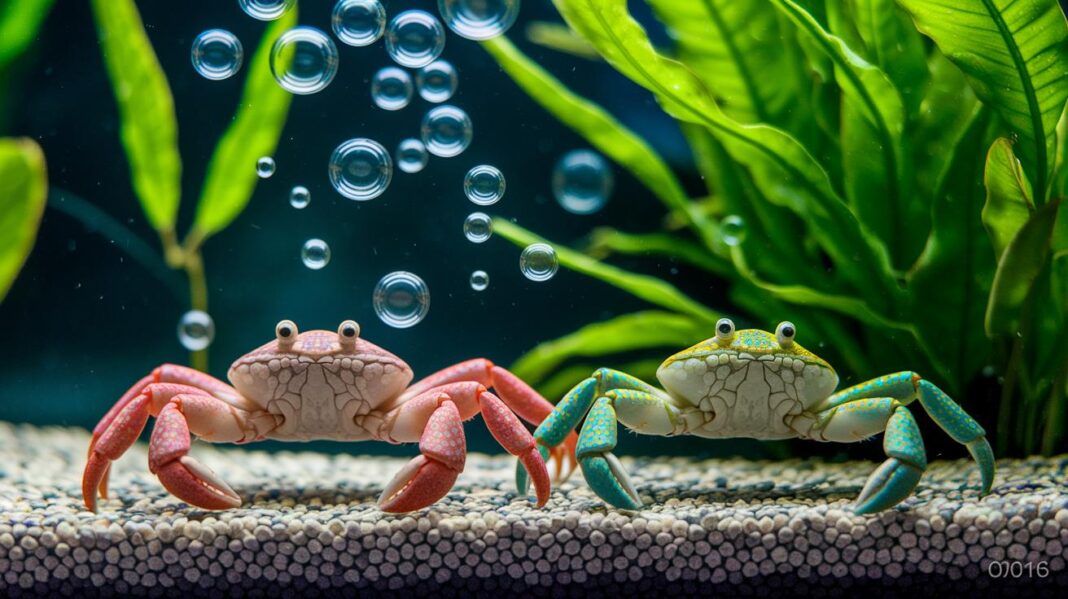

Have you ever thought about adding freshwater crabs to your aquarium? They might be just what you need to bring a little extra spark and fun to your tank.
These friendly critters slide right in with your other aquatic pals and add a burst of personality to your underwater world. Today, we'll explore the best types of freshwater crabs to help you find the perfect match for your tank's vibe.
Imagine your tank turning into a lively, colorful display, like watching the gentle ripple of water on smooth stones. These adorable companions can truly transform your aquarium into a natural, vibrant scene.
Top Freshwater Crab Species for Your Aquarium
Picking the perfect freshwater crab for your tank is like choosing a new friend who adds a splash of personality. Each crab brings its own charm and needs to the mix, from sizing up your space to matching the mood of your underwater world. When you balance fun and ease of care, your new crab buddy will not only brighten your aquarium but also get along swimmingly with your other aquatic pals.
-
Panther Crab (Parathelphusa pantherina):
- Size: 1.5 to 2 inches
- Home: Loves a tank with plenty of cool spots to hide and explore
- Personality: Lively and colorful, a real treat for any aquarium
-
Thai Micro Crab (Limnopilos naiyanetri):
- Size: Up to 1 cm
- Home: A happy camper in tiny tanks filled with lush plants
- Personality: Chill and fully aquatic, perfect with small, non-bossy fish
-
Fiddler Crab (Uca spp.):
- Size: Varies, with one claw that's a bit extra
- Home: Needs a mix of land and water to mimic its riverbank home
- Personality: Curious and active, always on the lookout for something new
-
Red Claw Crab (Perisesarma bidens):
- Size: Suits smaller tanks with its compact adult size
- Home: Enjoys having both water and a dry place to explore
- Personality: Spirited and tough, a delightful mate for your tank
-
Rainbow Crab (Cardisoma armatum):
- Size: Up to 4 inches
- Home: Semi-land loving; shines in a tank with a driftwood ramp or similar land stretch
- Personality: Bold and striking, with wonderful blue hues to catch the eye
-
Vampire Crab (Geosesarma sp.):
- Size: 1 to 1.5 inches
- Home: Prefers a calm, plant-filled tank where it can relax
- Personality: Quiet and unique, sporting red or orange eyes that stand out
-
Pom Pom Crab (Lybia tessellata):
- Size: Up to 1 inch
- Home: Thrives in community tanks where it can interact
- Personality: Gentle and truly endearing, known for carrying little anemone-like “pom-poms”
If you’re new to the hobby, you might want to start with the Thai Micro Crab or Pom Pom Crab. Their small size and mellow nature make them easy to care for. But if you’re feeling adventurous, the lively antics of Fiddler and Red Claw crabs can add an exciting twist to your tank setup.
Setting Up Your Aquarium Habitat for Freshwater Crabs
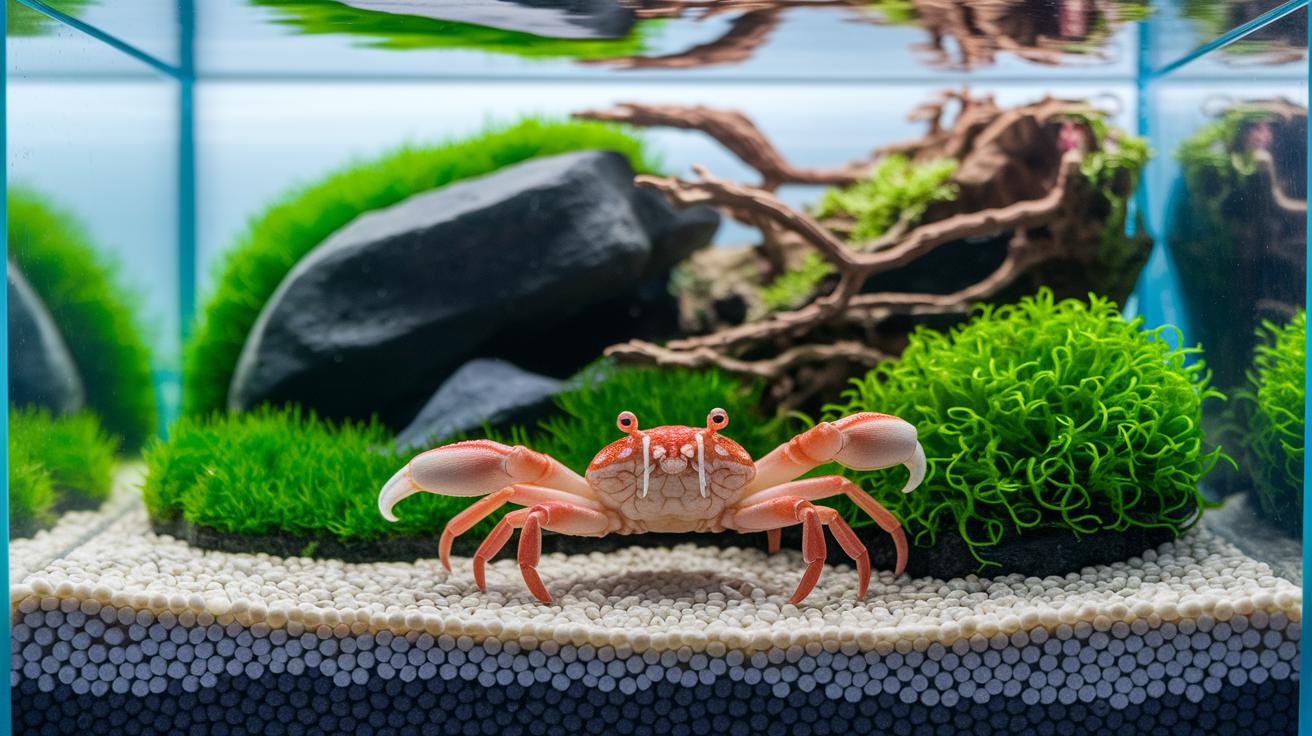
Freshwater crabs live in two different ways. Some are completely at home in the water, while others love a mix of land and water. Fully aquatic crabs, like the Thai Micro Crab, thrive in nano tanks filled with rich green plants such as Java moss and Anubias. They love a soft setup, made by laying smooth gravel or fine sand about 2 inches deep, a bit like a plush underwater bed. On the other hand, semi-terrestrial crabs, such as the Red Claw and Rainbow Crab, need a dry area built into their tank. Adding driftwood ramps or slate pieces gives these crabs a cozy little land spot to explore and bask.
Creating a great tank for your crabs can be as fun as preparing your favorite meal. It’s a step-by-step process that both beginners and seasoned hobbyists can enjoy. Here’s how to set up your crab haven:
- Lay down a layer of smooth gravel or fine sand to form the substrate.
- Plant low light vegetation that boosts oxygen and provides nice hiding spots.
- Set up a gentle filter with a sponge pre-filter to keep the tiny crabs safe.
- Add a land ramp or floating platforms so semi-terrestrial crabs have a dry area.
- Cycle the tank for 4 to 6 weeks before bringing your crabs home.
Remember to do seasonal plant maintenance and give the substrate a good vacuuming. This extra care helps keep your aquatic pals comfortable, just like a calm ripple on a quiet pond.
Water Conditions and Filtration for Freshwater Crab Tanks
Keeping your water conditions just right is the secret to happy freshwater crabs. You want a pH between 6.5 and 7.5, a water hardness of 5 to 12 dGH, and a cozy temperature range of 72 to 78°F. This careful balance turns your tank into a calm, creek-like haven where your crabs can move and play naturally, just like a gentle stream inviting life to swirl along.
Filtration is another key piece of the puzzle. Adding a sponge pre-filter to your hang-on-back or canister filter is a real game changer. This little sponge works like a safety net, protecting tiny crabs from getting pulled in while keeping your water clear and clean. And remember, strong currents can be overwhelming for smaller crabs. They do best in the quiet, gentle spots near the filter outlet, imagine a slow, nurturing brook where every bubble is just right.
Keeping up with regular maintenance rounds out your crab’s happy home. Aim for a water change of about 20% to 30% every week to keep those nitrates low and the water stable. Testing for ammonia and nitrite twice weekly, and getting readings of zero, means you’re keeping potential toxins in check. These simple routines help your crabs stay lively and stress-free, making your tank a peaceful retreat in your own little aquatic world.
Feeding and Diet Guidelines for Freshwater Aquarium Crabs
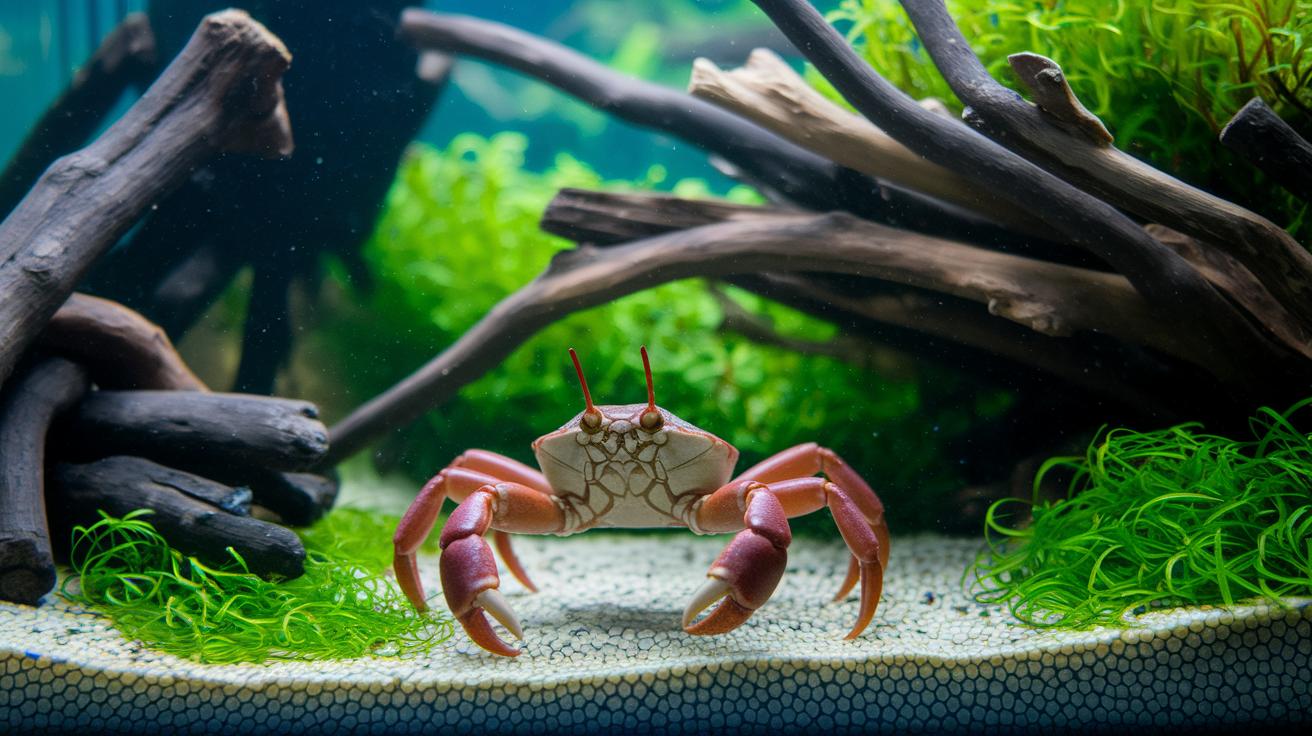
Watch your freshwater crabs comb through the tank, scavenging for detritus, biofilm, and leftover pellets. This natural behavior lets them pick up a variety of nutrients, much like they would in the wild, and keeps them busy exploring every corner of their watery home.
A great feeding plan starts with a daily offering of sinking invertebrate pellets or algae wafers. These foods cover their basic nutritional needs as they graze throughout the day. Then, two or three times a week, add a touch of variety with blanched vegetables like zucchini or spinach. This extra fiber helps round out their diet, echoing the balanced meals they might find outside their tank.
Once a week, treat your crabs to a protein boost with baby brine shrimp or bloodworms. And for a little extra care, drop in a calcium source, such as cuttlebone or crushed coral, directly into the tank to keep their shells strong. This simple feeding schedule fuels their energy and supports their overall shell health.
Freshwater Crabs for Aquarium: Charming Tank Mates
Freshwater crabs can be wonderful additions to an aquarium if you choose friendly tank mates. They really shine when paired with lively, shoaling fish like tetras and rasboras. These quick swimmers cruise around the middle and top areas, adding a cheerful vibe without starting any turf wars. Plus, peaceful critters like Amano shrimp, Cherry shrimp, and nerite snails stick to the bottom layers and blend in nicely with the overall scene.
When setting up your tank, make sure there are plenty of hiding spots. A few cozy caves and bits of driftwood go a long way in giving everyone their own little space. This way, each creature can relax in its own territory while still being part of the bustling community. It’s a bit like having your own underwater neighborhood where every resident feels at home.
Pair your fast, shoaling fish with these calm invertebrates, and add in a few secret retreats with caves and driftwood. And remember, steer clear of long-finned or betta-like fish that might nip at tails. A good rule of thumb is one crab for every 5 gallons of water, so there’s plenty of room for all to enjoy the peaceful underwater life.
Handling, Molting, and Behavioral Insights for Freshwater Aquarium Crabs
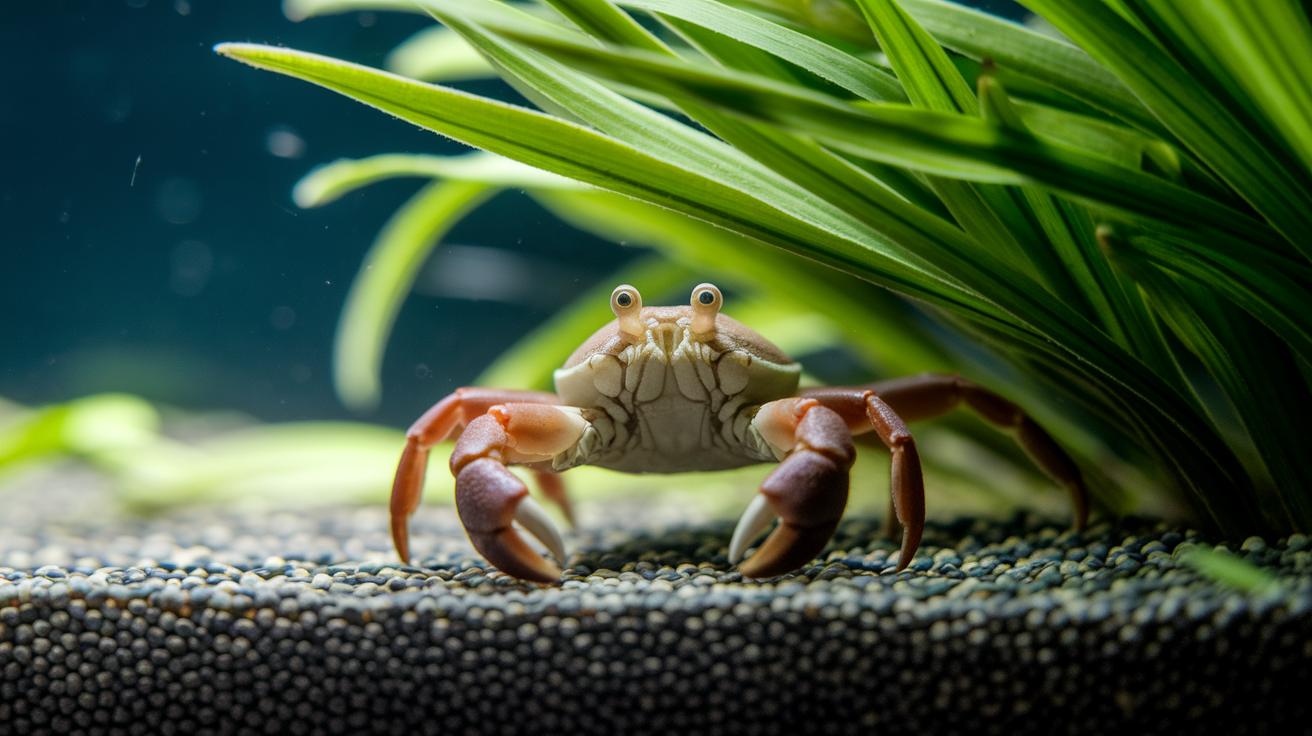
Freshwater crabs are little night explorers that come out when the lights go off. They roam around the tank at dusk, busily searching for food and checking out their surroundings. Many types, like the Thai Micro Crab, shed their old shells every 4 to 6 weeks, while bigger crabs might do so every 2 to 3 months. During this shell-changing time, they like to hide in quiet spots and skip meals while their new armor forms. It’s really important to keep the water calm and stable so they can feel safe while they grow.
| Behavior | Frequency | Care Note |
|---|---|---|
| Molting | 4–12 weeks | Provide hiding spot, stable water |
| Foraging | Nocturnal | Offer food at dusk |
| Territorial Display | Occasional | Add extra decor to diffuse aggression |
Watch your crabs closely for signs they might be stressed. If they seem sluggish, lose their bright colors, or skip meals, it’s a hint that something’s not right in their world. Checking up on them during their active times helps you catch any small changes before they turn into bigger problems. A little extra calcium after molting can also help their new shell get hard and strong. Keeping the water steady and giving them plenty of hideouts will make your crabs feel right at home.
Purchasing, Quarantine, and Health Monitoring of Freshwater Crabs
When you're on the hunt for live crabs, it's best to go with trusted breeders or friendly local fish shops that are known for quality stock. Many aquarium clubs and specialty stores offer both native and imported varieties, giving you a nice range to choose from. Prices usually fall between $5 and $15 per crab, although those rare or exotic types might cost a bit extra. And if you’re buying online, make sure the shipping is temperature-controlled and give your new crabs a careful look when they arrive to catch any signs of stress.
Thinking about cost? Group shipping orders can really help lower the price per crab. Plus, steering clear of discount vendors who don’t offer health guarantees will help ensure your new crabs settle well into their new home. Local sources can be handy too, as they often allow for quick pickup or an in-person check, which is perfect if you're keeping an eye on your budget.
Before letting your new crabs mingle with your main tank, it's smart to quarantine them for 10–14 days in a 5-gallon tank. First, match the water parameters exactly to your main tank's conditions. Next, test daily for ammonia and nitrite levels, and keep a close eye on the crabs for any signs of sluggishness or problems with molting. And if you spot any hints of parasites, treat them right away before making the big move to your main tank.
Final Words
In the action, we explored top species and their care, from choosing the right crab to setting up a habitat that mimics their natural home. We touched on water conditions, feeding guidelines, and community compatibility. We also discussed handling and careful quarantine for a healthy tank. This guide offers a quick, friendly review for those aiming to create a lively, balanced space. With passion and practical advice, keeping freshwater crabs for aquarium becomes an enjoyable part of your aquatic life. Enjoy your time watching them thrive.
FAQ
What are small freshwater crabs for aquarium use?
The small freshwater crabs for aquariums include species like the Thai Micro Crab, which are tiny and perfect for nano tanks. They add a subtle splash of color and lively movement to the water.
Where can I buy freshwater crabs for aquariums?
The best place to buy freshwater crabs for aquariums is through reputable local fish stores, specialty aquarium clubs, or trusted online retailers. These sources offer healthy crabs with proper care tips.
Are freshwater crabs good for aquariums?
The freshwater crabs in aquariums bring unique behavior and visual interest. They can coexist well with other species if their habitat needs are met and compatibility is carefully considered.
What is the easiest freshwater crab to keep?
The easiest freshwater crab to keep is often the Thai Micro Crab due to its small size and fully aquatic nature. It thrives in simple, well-planted nano tanks without extra land requirements.
Are there any fully aquatic freshwater crabs available?
The fully aquatic freshwater crabs, such as the Thai Micro Crab, live completely in water. They are ideal for tanks where a strict aquatic setup is maintained and extra land space is unnecessary.
What types of freshwater crabs can I put in my aquarium?
The types of freshwater crabs for aquariums range from fully aquatic species like the Thai Micro Crab to semi-terrestrial ones such as the Red Claw and Rainbow Crabs, which need a small land area in their tank.