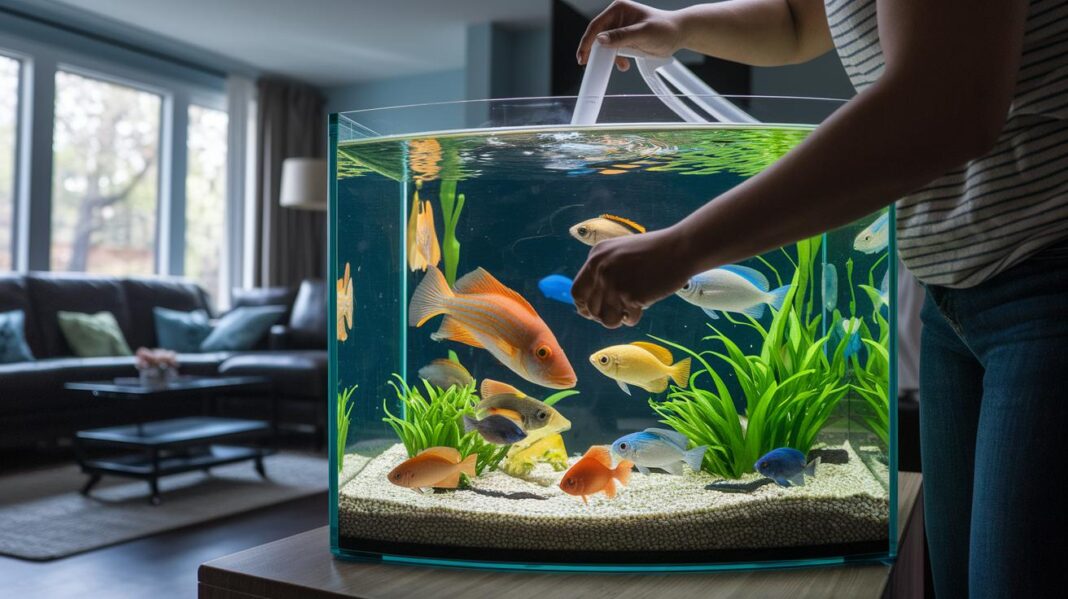

Ever thought about keeping your freshwater tank calm and happy? A cluttered tank can make your fish feel uneasy, but a few simple habits go a long way.
Imagine your tank as a tiny underwater garden where each little step brings clarity and life. This guide shows you easy daily checks, simple weekly cleans, and monthly water tests to help your fish thrive.
Just like the gentle ripple of water over smooth stones, these friendly tips can turn your messy tank into a peaceful haven you and your fish will love.
Essential Steps for Freshwater Fish Tank Maintenance
Keeping your freshwater tank clean is like tending to a peaceful underwater garden. Stick with a regular cleaning routine so harmful chemicals and grime don’t build up, leaving your fish feeling stressed. A steady schedule, daily little check-ups, weekly clean sessions, and a monthly water test, helps your aquatic friends enjoy a vibrant, healthy home.
-
Daily Maintenance
Every day, take a quick look at your tank. Remove any bits of food or debris floating around or settling near the filter and decorations. Watch your fish as well; their behavior can be a gentle hint if something’s not quite right. -
Weekly/Semi-Weekly Cleaning
A couple of times each week, do a partial water change by siphoning off about 15 to 25% of the tank water. This step helps clear away decaying matter and pollutants. You can also vacuum the gravel gently to sweep away any waste that’s settled at the bottom, keeping your underwater view crystal clear. -
Monthly Testing and Deep Cleaning
Once a month, dive a little deeper. Use a water test kit to check key levels: pH should be between 6.8 and 7.8, ammonia at 0 ppm, nitrite below 0.75 ppm, nitrate under 40 ppm, and phosphate less than 0.2 ppm. If the numbers seem off, add a water conditioner or a bit of activated carbon to balance things out. This thorough check ensures your tank remains a safe and cozy space for your fish.
Fish Tank Water Change Frequency & Techniques
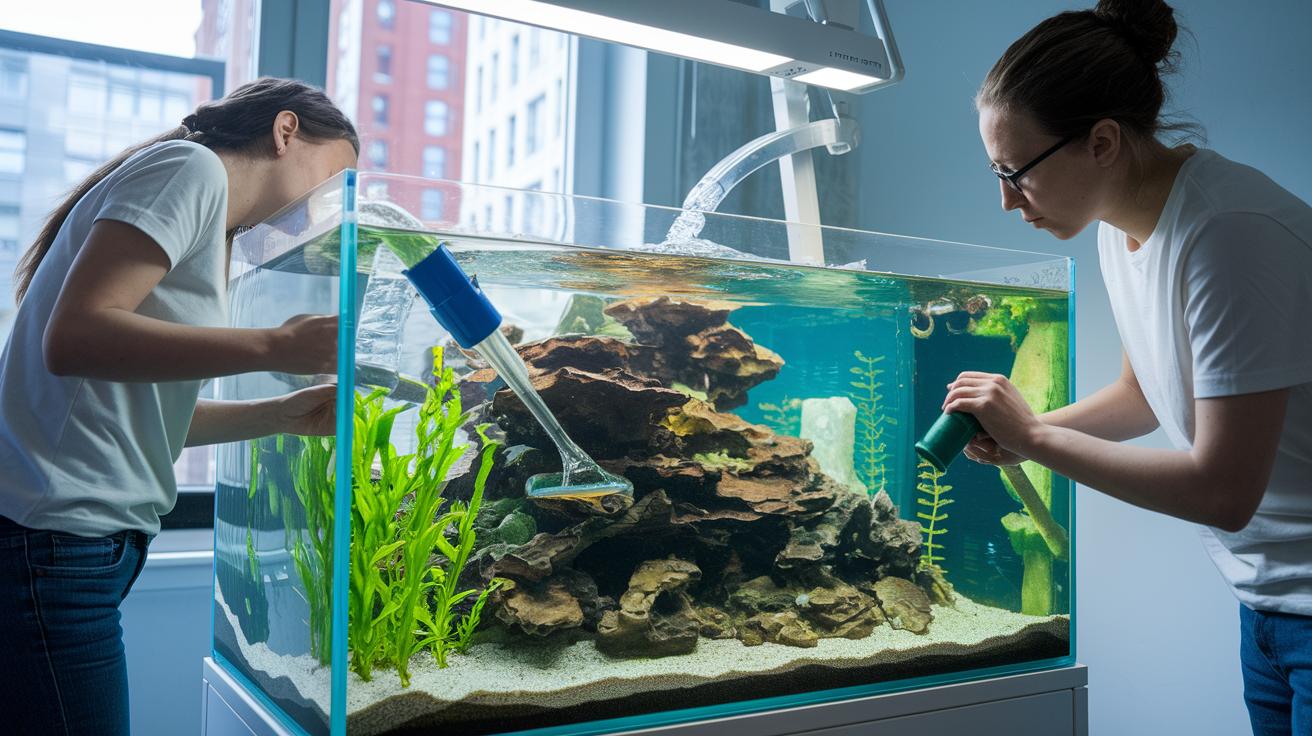
Keeping your aquarium fresh is a bit like giving your fish a gentle spa day. A partial water change every one to two weeks, about 15 to 25 percent, helps wash away waste and keeps harmful stuff from building up, all while protecting the friendly bacteria that keep your tank clean.
- First, measure the water you plan to change using a container or a marked siphon. This ensures you’re swapping out about 15 to 25 percent of your total water.
- Try to schedule these water changes every one to two weeks. If you have a lot of fish or many plants, you might need to adjust the timing a bit.
- Use a siphon not just to remove old water, but to clean the tank’s bottom by scooping up debris and leftover bits of food.
- Remember to treat any new water with a dechlorinator before adding it back to your tank. This step gets rid of chlorine or chloramines. For example, after filling your container with fresh water, add a few drops of dechlorinator as the instructions say.
- Finally, let the replacement water reach the same temperature as your tank. This helps prevent any sudden changes that could shock your fish.
Filter Cleaning & Aquarium Equipment Maintenance
Keeping your filter in balance is like maintaining the calm flow in a quiet stream. You want to clean your filter gently with water from the tank so you don’t wash away the helpful bacteria that break down waste. This simple care helps your water stay fresh and keeps your aquarium a peaceful, lively home for your fish.
Using the right tools can make this job feel as easy as a ripple on a pond. A gravel vacuum tidies up the little bits on the tank floor, and an algae scraper clears off the film from the glass and decorations. You might also enjoy having a fish net, a water testing kit, and a basic filter brush handy, they make routine cleaning straightforward without needing fancy equipment.
- Rinse the filter parts only with your tank water to save the good bacteria.
- Rotate or change your filter cartridges following the maker’s advice.
- Check your hoses and pumps for any wear or leaks.
- Clean the filter brushes gently to get rid of stuck-on debris.
- Test the gravel vacuum’s performance during your cleaning routines.
- Wipe down the light and heater outside to clear off dust or algae.
Water Quality Testing & Chemical Balance in Fish Tanks
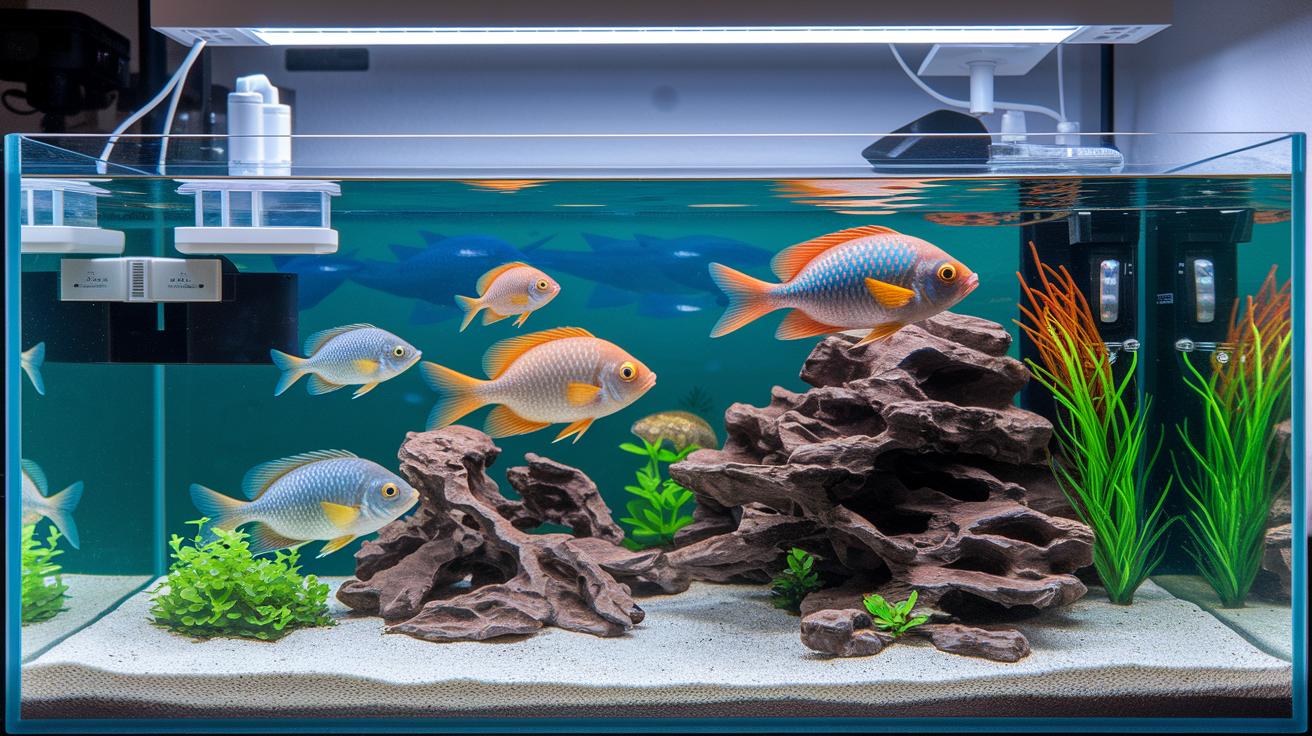
Getting your water just right makes your fish feel cozy and happy. We usually cover the basics in our monthly water testing guide, but here’s a simple look at the ideal measurements and what you can do when things stray from the mark. Plus, you'll find tips on tweaking water hardness too.
| Parameter | Ideal Range | Correction Method |
|---|---|---|
| pH | 6.8 – 7.8 | Add pH buffers or driftwood to set levels |
| Ammonia | 0 ppm | Perform water changes and use ammonia removers |
| Nitrite | < 0.75 ppm | Increase water change frequency and add treatments |
| Nitrate | < 40 ppm | Use partial water changes and activated carbon |
| Phosphate | < 0.2 ppm | Apply a chemical designed to lower phosphates |
| Water Hardness | Species-dependent | Adjust with mineral supplements or water additives |
When your test results start to drift, using pH buffers can gently bring your water back into balance. A quick water change along with conditioners helps tackle any ammonia spikes. If nitrite or nitrate levels begin to rise, doing partial water changes and adding a bit of activated carbon will help clear things up fast. And if phosphate goes above 0.2 ppm, a proper dose of a phosphate reducer can keep your water clear.
Adjust water hardness gradually with tiny mineral supplements or additives. It all depends on what your fish need. Ever watch a fish glide happily around its tank and think, "This is the perfect setting"? With a few small tweaks, you can reach that peaceful balance too.
Algae Control & Substrate Care for Freshwater Aquariums
Too many nutrients and too much light can invite algae to settle in your tank. When phosphate levels creep above 0.2 ppm, you might see green patches forming on the glass, decorations, or even the gravel. It’s like watching clear water turn cloudy before your eyes.
Every week, set aside a little time to clean your tank. Grab a scraper or magnetic brush and gently wipe away the algae, just like you’d clean a smudged window. This little effort helps keep your tank bright and makes cleaning your filter much easier.
Don't forget to give your substrate some love too. Gently siphon the gravel each week, especially where hidden bits of waste and food tend to hide under decorations or near filter outlets. This regular clean-up sweeps away debris, lets the water sparkle, and keeps your tank maintenance smooth and simple.
Troubleshooting Common Freshwater Tank Issues
Sometimes even your routine clean-ups might not smooth out every bump in the water. When that happens, it’s time to dive into some focused fixes. Even if you stick to a good cleaning routine, your tank might still face challenges like a quick ammonia spike from overfeeding, unruly algae from too many nutrients or too much light, murky water caused by bacterial blooms, or signs that your fish are feeling stressed or unwell. Tackling these issues with clear, simple steps can keep your underwater world safe and your fish swimming happily.
High Ammonia Spikes
If you notice ammonia levels rising, here’s what to do:
- Do a 30-40% emergency water change to flush out the ammonia.
- Use an ammonia-removing resin; think of it like a sponge that soaks up the bad stuff.
- Cut your feeding by half to keep waste to a minimum.
- Test the water each day until everything settles back to normal.
Persistent Algae Blooms
When algae take over, try these fixes:
- Limit your tank’s light exposure to 6-8 hours each day; less light means fewer algae blooms.
- Add phosphate-removing pads in your filter to reduce extra nutrients.
- Introduce algae eaters like shrimp, which naturally munch on excess algae.
- Manually wipe away any thick algae mats you see on surfaces.
- Keep track of how much you feed, so you don’t accidentally feed the algae too much.
Cloudy Water (Bacterial Bloom)
For cloudy water caused by a bacterial bloom:
- Hold off on routine water changes unless it’s an emergency.
- Run the filter with a little activated carbon for a short while, this helps clear things up.
- Add a dose of beneficial bacteria for about a week to restore balance.
Fish Health & Disease Prevention
Here are some tips to keep your fish in tip-top shape:
- Quarantine any new fish for two weeks before adding them to your main tank, this helps stop any unwanted germs.
- Keep the water’s pH and temperature consistent; stability is like a calm current for your fish.
- Treat any disease symptoms right away, just as you’d quickly patch up a leak.
- Boost your fish’s immunity by offering a high-quality diet, they deserve the best, after all!
By following these friendly steps, you can make sure your freshwater tank remains a peaceful and thriving little aquatic world. Enjoy watching your fish swim in clean, clear water, and remember how a little extra care can make a big splash!
Final Words
In the action, this post lays out a clear routine for keeping your freshwater fish tank maintenance on track. It covers daily cleaning, scheduled water changes, careful filter upkeep, water quality checks, algae control, and tackling common issues. Each routine step builds toward a healthy underwater habitat that’s both attractive and safe for your aquatic friends. Regular care makes every maintenance task feel rewarding, like watching ripples spread in a calm pond. Stick with these simple steps and enjoy a vibrant aquatic space that feels like home.
FAQ
What should a freshwater fish tank maintenance checklist include?
A freshwater fish tank maintenance checklist covers daily debris removal, weekly water changes, and monthly water quality tests. It also includes cleaning filters, checking equipment, and maintaining substrate to keep your fish healthy.
What does aquarium care for beginners mean?
Aquarium care for beginners means following a simple routine: regularly clean the tank, test water parameters, and take care of equipment. This basic schedule helps create a stable, safe home for your fish.
How can I keep my fish tank clean without changing water?
Keeping your fish tank clean without full water changes means removing debris, cleaning filters, and vacuuming the gravel. These practices help reduce waste buildup while maintaining a clearer, healthier environment.
What do aquarium maintenance services offer and how do I find them near me?
Aquarium maintenance services offer regular cleaning, water testing, and equipment checks for your tank. Searching online or asking at local pet stores can help you find nearby professionals for reliable tank care.
What should a fish tank maintenance kit include?
A fish tank maintenance kit typically includes a gravel vacuum, algae scraper, net, water testing kit, and filter brush. These tools help you perform daily, weekly, and monthly tasks to maintain a clean aquarium.
What is the golden rule for tank maintenance?
The golden rule for tank maintenance is to keep water quality stable by following a regular cleaning schedule, performing timely water changes, and frequently testing water. This steady routine creates a healthy habitat for your fish.
Are freshwater fish tanks easy to maintain?
Freshwater fish tanks are manageable with a consistent cleaning routine, regular water tests, and timely equipment upkeep. Following a simple schedule makes it easier to provide a healthy environment for your aquatic pets.
How often should I clean my freshwater fish tank?
You should clean your freshwater fish tank with weekly or semi-weekly partial water changes of about 15–25%, along with daily debris removal and monthly water tests to keep the tank clear and safe.
Can I add water conditioner while the fish are in the tank?
You can add water conditioner while the fish are in the tank. This treatment safely neutralizes harmful chemicals in tap water, keeping the water safe for fish during water changes.