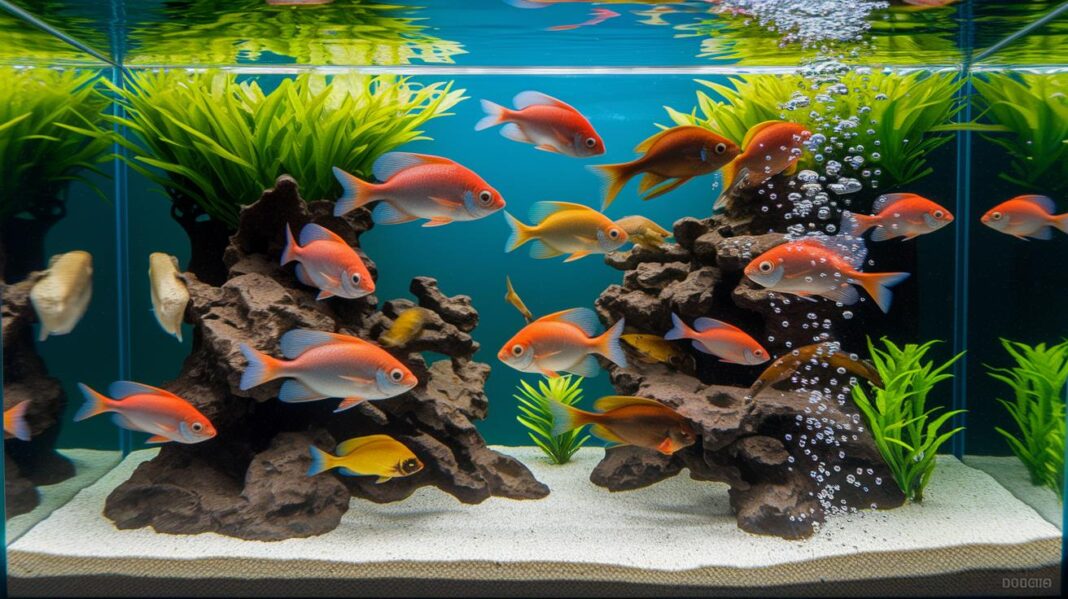

Have you ever noticed how a lively freshwater fish tank can brighten up your room? Imagine vibrant fish darting in the warm, welcoming water, creating a gentle, moving show that brings life to every corner. Setting up your own little underwater world is a bit like prepping a cozy nest for a friend, it all starts with choosing the right tank and keeping things just right, from making sure the water is at a comfy temperature to balancing the water chemistry so it stays clean and safe. In this guide, I'll share easy, friendly tips to help you build a lovely home for your aquatic pals so they can thrive and keep your space full of sparkle.
Comprehensive Freshwater Tropical Fish Guide: Setup, Species, and Care Essentials
Freshwater tropical fish call warm, lively waters home. They enjoy tanks filled with lush plants, gentle currents, and a cozy temperature that stays around 75 to 82°F. These fish come from rivers, lakes, and streams where nature paints a lively picture of color and movement, much like a small burst of underwater art.
They bring a playful splash of color to any aquarium and turn your tank into a mini underwater show. Keeping them happy does mean paying close attention to water quality and making changes slowly, almost like letting a gentle ripple spread in a calm pond. Many aquarium enthusiasts love how these fish can transform a room into a peaceful haven, much like sitting by a softly flowing stream on a warm day.
- Ideal tank size and cycling procedure: Pick a tank that fits your chosen fish well. For example, a 10-gallon tank is perfect for beginners. Start by cycling your tank, this means letting helpful bacteria build up to keep the water clean, just like nature does.
- Heater and temperature monitoring: Always use a good heater and a thermometer to keep the water in the right warm zone. If you live in a cooler area, consider having a backup so the water stays just right.
- Water chemistry parameters (pH, hardness): Check and adjust the water often. Look at things like pH, hardness, ammonia, and nitrite levels so your fish always have a healthy, balanced home.
- Feeding control to prevent overfeeding: Feed your fish only what they can eat in around three minutes. This little trick helps avoid leftovers that could spoil the tank’s clear, calming waters.
- Compatibility research and stocking strategy: Research how different fish get along before adding them to your tank. Introduce new friends slowly and ensure your filter can handle the extra activity in your underwater world.
Plan ahead and add fish one step at a time. This gradual approach not only reduces stress but also makes daily care simpler. Soon enough, you’ll have a bright, balanced aquarium where each fish enjoys their safe and happy habitat.
Top Freshwater Tropical Fish Species for Home Aquariums
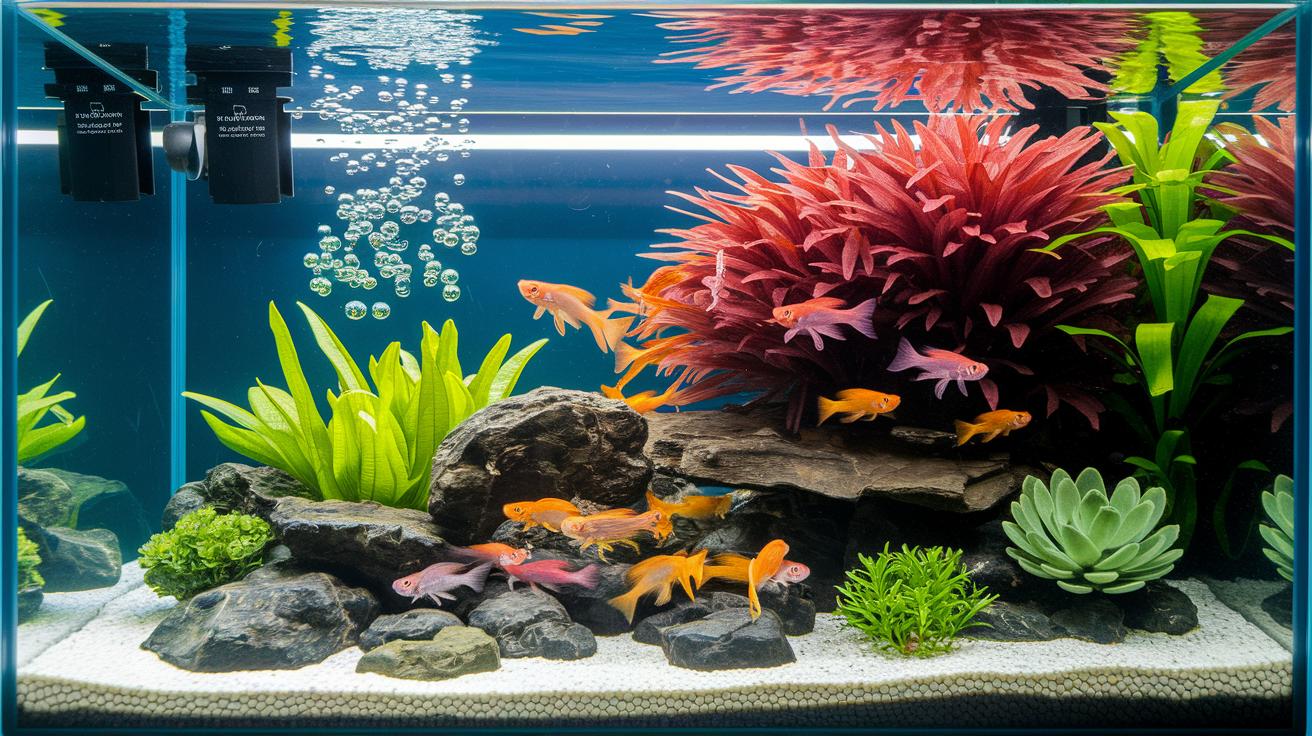
Guppy (2 inches, peaceful group)
Guppies, called Poecilia reticulata in science talk, come from calm streams and clear lakes. They love tanks with lots of plants and soft water flows that remind you of a gentle river. They’re a friendly bunch and do best when kept with a few pals. A cozy 10-gallon tank works fine for them. Fun fact: even in the same family, guppies can show off a rainbow of colors!
Betta Fish (3–4 inches, solitary care)
Betta fish, or Betta splendens, enjoy a warm, quiet corner with plenty of nooks to hide in. They’re a bit territorial, so they’re happiest swimming solo or with very calm buddies. A tank of at least 5 gallons gives them enough space to relax and glide around. It’s like having your own peaceful retreat in a bustling world.
Molly (up to 5½ inches, community-friendly)
Mollies are full of life and love a little company. Their home is often in sunny, shallow waters, and they do well in tanks that might even have a slightly salty touch. A tank of around 20 gallons or more is perfect to let them zip and zoom. Watching a group of mollies flit from one plant to the next can really brighten your day.
Bristlenose Pleco (5 inches, algae eater)
Bristlenose plecos are like the helpful cleaners of the tank. They naturally wander around freshwater areas, looking for algae to snack on. They enjoy having plenty of hiding spots like caves or driftwood, making their tank feel like a secret hideaway. A 20-gallon tank is ideal so they can do their cleaning work in peace and keep the water sparkling.
Harlequin Rasbora (2 inches, active schooler)
Harlequin rasboras come from soft, flowing streams where they travel together as a lively group. Their schooling behavior adds a dash of sparkle and movement to any tank. To let them show off their graceful dances, a tank of about 20 gallons is just right. Watching them swim in unison often feels like seeing little dancers glide on water.
Pearl Gourami (4.5 inches, labyrinth organ)
Pearl gouramis live in slow-moving, vegetation-rich waters. They have a cool trick, a labyrinth organ, that lets them breathe air from the surface. They do best in calm tanks with a mix of open water and leafy spots. A space of 20 gallons or more helps them explore freely and share their subtle charm with you.
Essential Tropical Aquarium Setup and Equipment
Picking the right tank size is the first step to creating a lively aquatic world. Bigger tanks tend to keep the water steadier and give your fish lots of room to roam, while smaller tanks call for extra care with water quality and temperature. For those new to the hobby, a 10- or 20-gallon setup can work well if you plan it carefully.
When you start setting up your tank, begin with a trustworthy heater and a thermostat to keep the water between 75 and 82°F, which is just right for tropical fish. Next, add a solid filter that does both mechanical and biological work, this means it not only traps debris but also helps break down harmful waste. LED lighting is key too, as it shows off the bright colors of your fish and plants while helping them grow strong.
Think about your substrate next. Gravel can be great for anchoring plant roots, while sand might suit bottom dwellers better. Air pumps and diffusers also help to keep oxygen levels high, giving your fish the best chance to thrive. And don’t forget some natural decorations like rocks, driftwood, or realistic fake plants to give your tank a cozy, natural look.
Before you bring in any fish, be sure to cycle your aquarium. This means you let ammonia build up to encourage the growth of good bacteria that break it down into nitrite and then nitrate. Once your tank’s water is stable and the nitrogen cycle is complete, your fish will have a happy new home to explore.
Feeding and Nutrition Guidelines for Freshwater Tropical Fish
When you overfeed your fish, things can get out of whack fast and your aquarium water might turn messy. For example, if you give bettas more food than they can finish in about three minutes, the leftovers start to break down and create waste. That waste can upset the balance of the good bacteria living in your tank and bring on water quality mishaps, making life tougher for your fish. To keep things balanced, try giving your bettas just a small pinch of pellets that they gobble up quickly. It’s a simple trick that helps avoid unnecessary problems.
Picking the right food is all about variety. High-quality flakes can light up your tank with bursts of color, and pellets pack a strong nutrient punch when used in the right amount. Live brine shrimp get your fish to act like they’re hunting in the wild, and frozen bloodworms add a nutritious boost every now and then. Always check that the food matches the size of your fish’s mouths so they can eat comfortably without leaving behind extra bits. It really helps to stick to a twice-daily feeding routine and adjust the portions based on how active your fish are and how clear your water remains. This steady routine supports healthy digestion and keeps your tank looking vibrant and balanced.
Planning a Community Tank with Compatible Freshwater Tropical Fish
A well-balanced community tank is all about matching fish that enjoy similar water conditions and have friendly personalities. Every species should share the same water needs, from temperature and pH to water hardness, so your tank feels as smooth as a gentle ripple after a soft rain.
It helps to pair calm, peaceful fish with others that are equally gentle. Mixing splash-loving bettas with active fin-nippers can upset the harmony, so doing a little homework on each species’ water needs and behavior goes a long way in keeping everyone relaxed. Building your community tank slowly, adding new fish one step at a time, lets your filter adjust nicely to the extra waste while keeping the water clear and serene.
| Fish Species | Temperament | Min. Tank Size | Temp (°F) | Notes |
|---|---|---|---|---|
| Guppy | Peaceful | 10 gal | 75–80 | Good beginner choice |
| Cardinal Tetra | Schooling | 20 gal | 75–81 | Keep in groups of 6+ |
| Betta Fish | Solitary | 5 gal | 76–82 | Avoid fin-nippers |
| Cory Catfish | Peaceful | 10 gal | 72–78 | Bottom dweller |
| Neon Tetra | Schooling | 15 gal | 70–78 | Sensitive to nitrates |
Start with just a few fish to see how they interact in your tank’s water. Once your filter gets used to the extra load, invite a few more residents to join the fun. This steady approach helps keep your water parameters stable and minimizes stress, letting your underwater family settle in comfortably and create a vibrant display of life.
Maintenance and Water Quality Control for Freshwater Tropical Fish Tanks
Taking care of your aquarium is like keeping a calm, clear pond for your fish. When the water stays steady, the friendly bacteria thrive, and your fish stay happy, bright, and relaxed. Regular care stops nasty toxins from messing up their lively water world.
Every day, spend a few minutes checking your tank's water. Use simple kits to test for ammonia, nitrite, and hardness, these tests help you keep track of things that might harm your fish. Also, take a look at your fish. If they seem pale or sluggish, it might be time for a little extra care.
Each week, change about 20–30% of the water. This is like nature’s way of refreshing a stream, helping to wash away built-up waste. Make sure to adjust the pH levels too, as small changes can make your tank much more welcoming for your aquatic friends. And don’t forget the filter, clean or replace its media every month to keep everything flowing smoothly.
Keeping a simple log of your test results and maintenance tasks can really help. Jot down your daily checks, weekly water changes, and any filter care so you can spot trends early on. This little record turns everyday care into a fun and insightful routine for maintaining a healthy, happy aquarium.
Monitoring Fish Health and Disease Prevention in Freshwater Tropical Fish
Freshwater tropical fish sometimes face health challenges that every fish lover should keep an eye on. When water quality drops or their tank environment changes, issues like fin rot and ich can pop up. Fin rot shows in bits of tattered, discolored fins, while ich usually means you’ll see tiny, white specks on the fish’s skin. It’s important to act quickly since these problems can spread just as fast as a ripple through calm water.
Keep an eye on your fish for any signs of stress. Notice if their fins stay close to their body, if their swimming becomes slow, or if they suddenly stop eating well, these can be early hints of trouble. Giving any new fish a two-week quarantine is a smart step. It’s like letting them settle into a quiet lagoon before joining your established school. If you catch a bug like ich early, a little treatment with antiparasitic or antibacterial medicine can often clear things up fast.
If these problems keep bubbling up even after you’ve taken some steps, it might be time to chat with a pro. A friendly visit to an aquatic veterinarian can give you deeper insights into what’s going on. This way, you can find just the right care for your fish and keep your aquarium as peaceful and lively as a sunlit pond.
Breeding Freshwater Tropical Fish: Basic Techniques and Tips
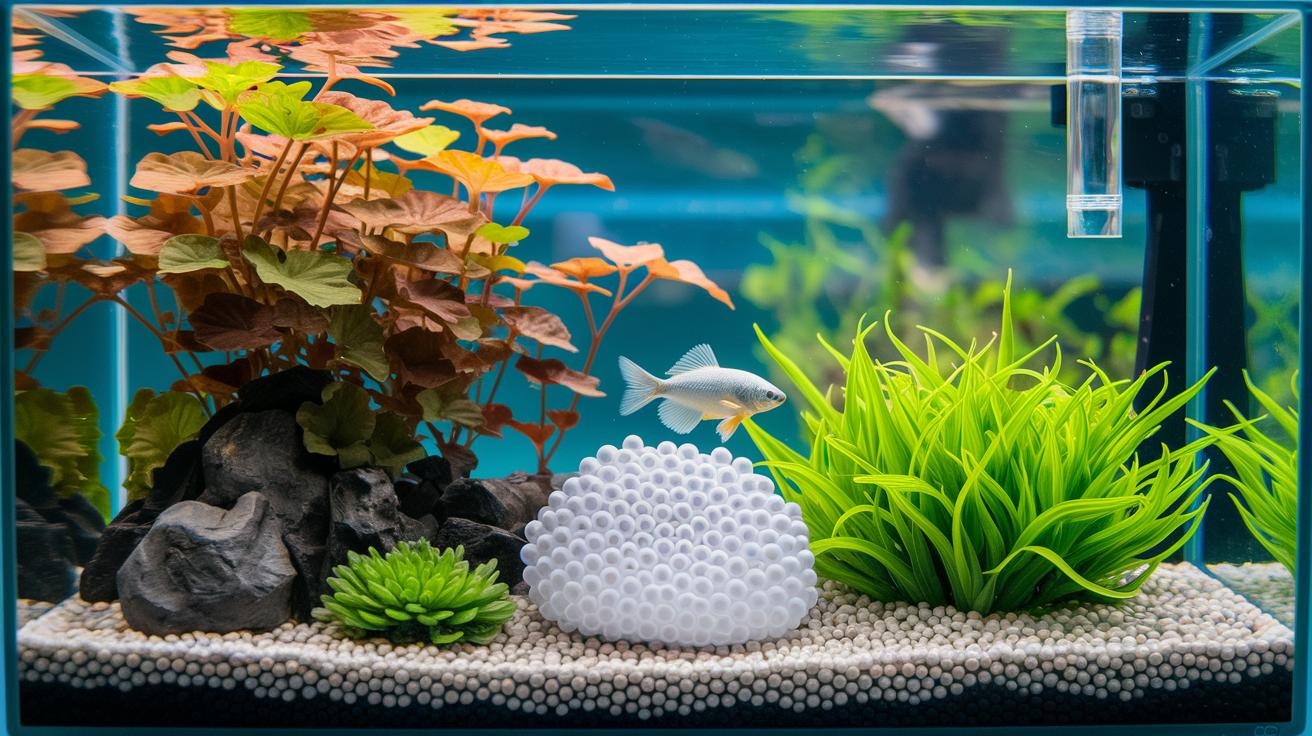
First off, think about which fish you want to breed. It's a bit like picking the perfect dance partner in a gentle underwater waltz. Many new aquarists start with bettas, well known for their charming bubble nests, or with livebearers like guppies that give birth to live young. Choose fish that match your tank’s size and water conditions and keep an eye on their unique behaviors to help the breeding process flow just right.
Setting Up a Breeding Tank
A special breeding tank is a must for a successful spawning. Picture a tank that's just the right size, a cozy 10- to 20-gallon space that’s big enough for the fish but not so large that the fry get lost in the current. Keep the water warm, around 78°F, with a balanced pH to mirror their natural home. Use a gentle sponge filter that clears the water without upsetting the eggs or the tiny fry, much like a soft current that caresses rather than crashes.
Caring for Fry
Once the eggs hatch or the fry are born, it's time to set up a feeding routine. Start with meals like infusoria or finely crushed flakes, perfect for those little mouths. Feed them small amounts often, which is a lot like giving frequent, gentle nibbles throughout a lovely meal. As they grow stronger, slowly add some powdered feeds and eventually transition them to a regular fish diet. Keep a close watch on their progress, and prepare a separate area for the youngsters until they're strong enough to join the main tank.
Final Words
In the action, you’ve explored everything from tank equipment and fish selection to feeding rules and water testing. Each step creates a safe and pretty underwater home where aquatic pets can shine.
You now have a practical guide to set up, care for, and watch over your aquarium. With care and planning, your freshwater tropical fish will thrive and bring calm satisfaction to your everyday life.
FAQ
What are common freshwater tropical fish names, including lists with pictures?
The freshwater tropical fish names include species like guppies, tetras, mollies, and bettas. Many guides and websites offer picture lists to help you easily identify these vibrant fish.
Where can I find freshwater tropical fish for sale?
Freshwater tropical fish are available through specialized pet stores and reputable online retailers. Check reviews and fish health notes to ensure you get quality, thriving specimens for your aquarium.
What should I consider when setting up a freshwater tropical fish tank?
When setting up your tank, first choose the right tank size and cycle it properly. Then add a reliable heater, good filtration, and keep water chemistry steady for a happy aquatic home.
What are the best and easiest freshwater tropical fish for beginners?
The best and easiest fish for beginners include hardy species like guppies and neon tetras. Their resilience and adaptable nature make them ideal for small setups and novice aquarists.
What is considered the prettiest freshwater tropical fish?
Many hobbyists say neon tetras are the prettiest due to their bright, shimmering colors and graceful fins. Their natural beauty brings a lively sparkle to any aquarium.
What fish are classified as tropical freshwater?
Tropical freshwater fish include a range of species such as guppies, tetras, mollies, bettas, and more. They thrive in warm water environments and add vivid color to your tank.
Which freshwater fish can help clean my tank?
Certain fish like bristlenose plecos help keep algae under control. Their natural grazing habits contribute to a cleaner tank while offering visual interest and maintaining balance in your setup.
Are Siamese fighting fish and goldfish suitable for tropical freshwater tanks?
Siamese fighting fish, commonly known as bettas, thrive in warm, tropical conditions. In contrast, goldfish prefer cooler water, so they need separate, dedicated tank environments for optimal health.
What types of tetra are popular in tropical freshwater aquariums?
Popular tetra varieties include neon tetras and cardinal tetras. These small, energetic fish form dynamic schools and add a burst of color, making them favorites in tropical freshwater setups.