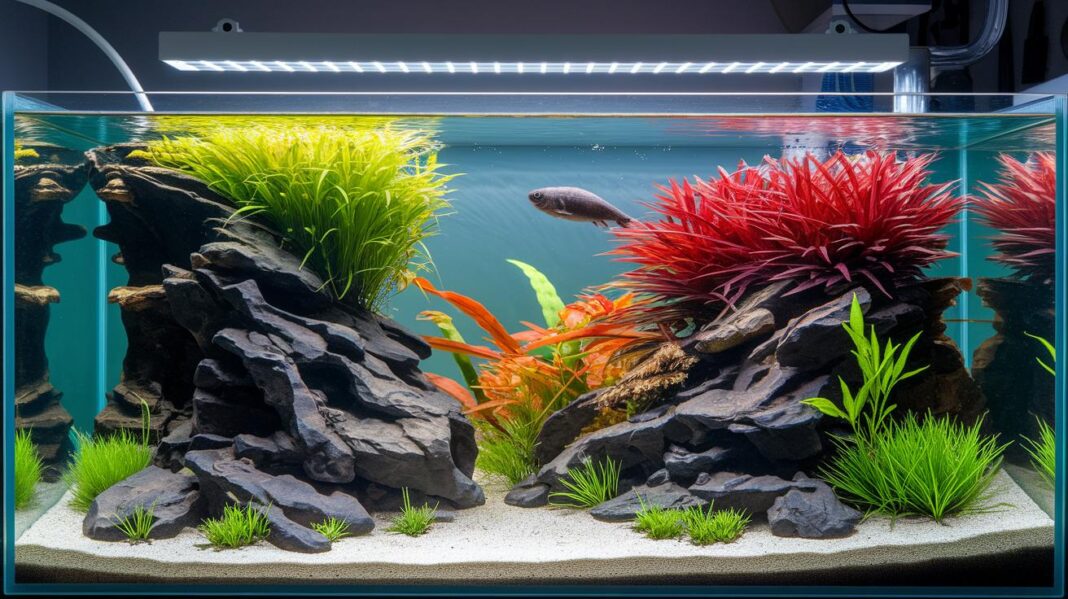

Ever wonder if your aquarium setup might be holding your little fish buddies back? Upgrading parts like filters, lights, and heaters can turn your tank into a safer and more lively home for them.
A few small tweaks can clear up the water and make it cozy for your fish. This guide will take you through easy, step-by-step ideas that refresh every corner of your tank, so your aquatic friends can truly thrive.
Curious to see how a spruced-up tank can lead to happier, healthier fish? Let’s dive in!
Comprehensive Aquarium Equipment Upgrade Plan for Optimizing Fish Health
Start by taking a slow swim around your tank. Look at every part of the setup with care. Notice if the filter has a smidge of algae or if the lighting seems off, jot down what pops and what needs a little extra love.
Then, ask yourself if anything is missing. Does your filter work hard enough for the number of fish? Do your lights cover every corner so plants and fish thrive? Is your heater steady to keep the water just right? And are there enough cozy spots among the decorations so your fish feel secure?
Next, pinpoint your fish-health goals. Think of it like planning a mini underwater upgrade. If your tank is busy and home to sensitive fish, consider a filter with a brisk flow and a solid cleaning routine. You could use this quick checklist as a guide:
| Task | When |
|---|---|
| Check and replace filter media | Mechanical: weekly; Chemical: monthly |
| Adjust light height and strength | To help prevent algae buildup |
| Review heater placement | Consider a submersible heater with a thermostat |
| Rearrange decorations | Keep spaces open to lower ammonia levels |
Finally, rank your upgrade needs based on your fish types and tank size. Always avoid crowding the tank, too many fish can lead to stress and unwanted ammonia. Keeping a weekly cleaning routine, especially for your filter media, is like giving your fish a fresh new home every week.
Every little improvement creates a ripple effect that makes your aquarium healthier and happier. Enjoy the flow of these changes and imagine how calming it is to see your fish swimming in clear, nurturing water.
Upgrading Filtration Systems for Superior Water Quality
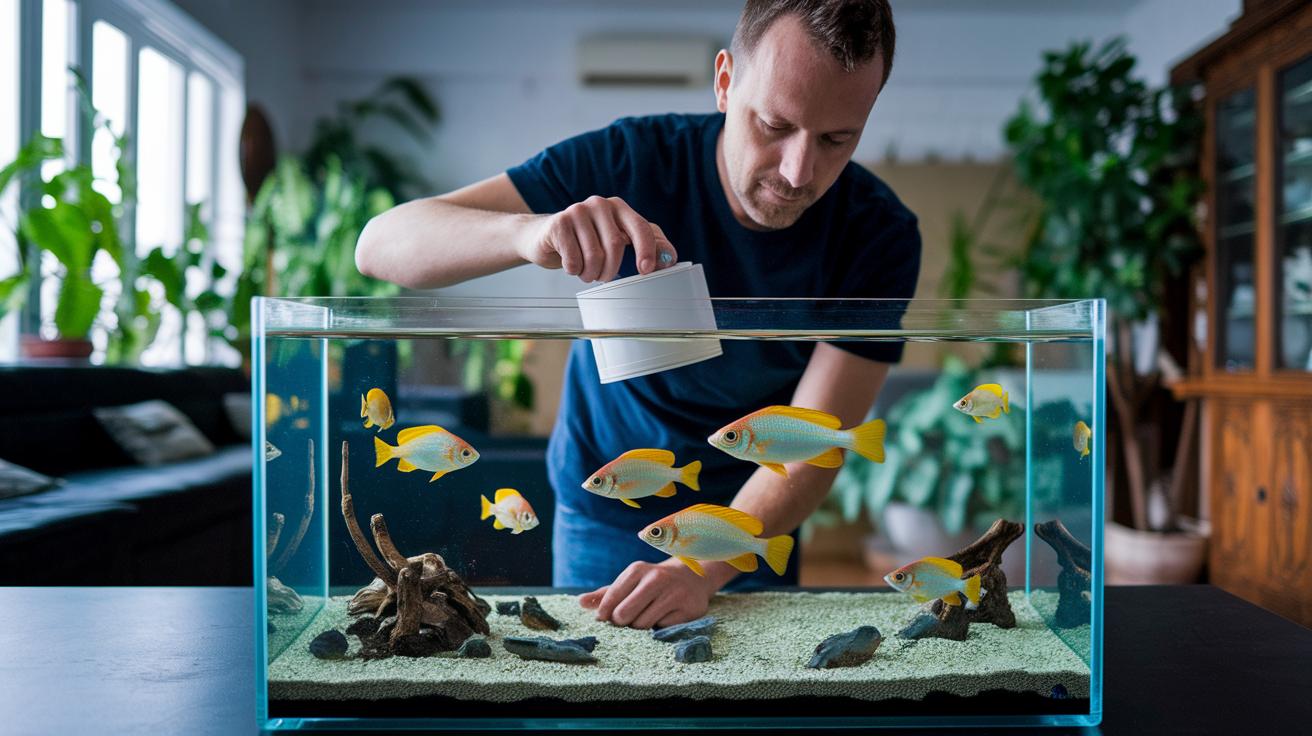
Upgrading your filtration system is like giving your aquarium a fresh burst of life. There are three kinds of filters: mechanical, which catches bits of debris; biological, where friendly bacteria break down waste; and chemical, which soaks up impurities. Think of the mechanical filter as a sponge that soaks up stray food bits, leaving the water clear and inviting for your fish.
A top-notch setup might include canister or sump filters, especially if your tank is bustling with life. These systems manage a lot of water while keeping a steady flow, much like a gentle current that helps keep chemicals like ammonia, nitrite, and nitrate in check. A well-chosen filter not only clears the water but also helps reduce stress for your aquatic pals, ensuring they feel right at home.
Keeping your water crystal clear takes regular care, much like tending a little underwater garden. Swap out the mechanical media every week and refresh the chemical media once a month. Matching your filter’s strength to the size of your tank and the needs of your fish is key, a small tank with delicate fish might need a softer flow compared to a larger, hardier setup. Stick to the manufacturer's guidelines and a steady cleaning routine, and you'll be treating your fish to a safe, happy environment.
Advanced Lighting Upgrades and Their Impact on Aquatic Life
Programmable LED lights can really change how your tank feels. These smart fixtures let you adjust the light color and strength, so you can create a light pattern that feels like a real sunrise. Imagine your aquarium slowly brightening in the morning, gently waking up your fish as if the first rays of the sun were peeking in. This control not only supports your live plants by giving them the right light for photosynthesis (the process plants use to make food), but it also helps your fish keep a steady daily routine.
Taking care of your fish tank means understanding important details like PAR (a measure of light for plants) and color temperature. Mounting your LED lights at the right height can keep algae at bay and spread the light evenly around the tank. Compared to older fluorescent lighting, LEDs save more energy and can even cut your bills down, making them a smart pick for the long run.
You can even program these lights to mimic the seasons. For example, a cooler light in winter and a warmer one in summer can make your fish feel more at home. Using these technologies, you can create a lively underwater world where both the lights and the life inside swim together in harmony.
Heating, Aeration, and Pump Improvements for Stable Conditions
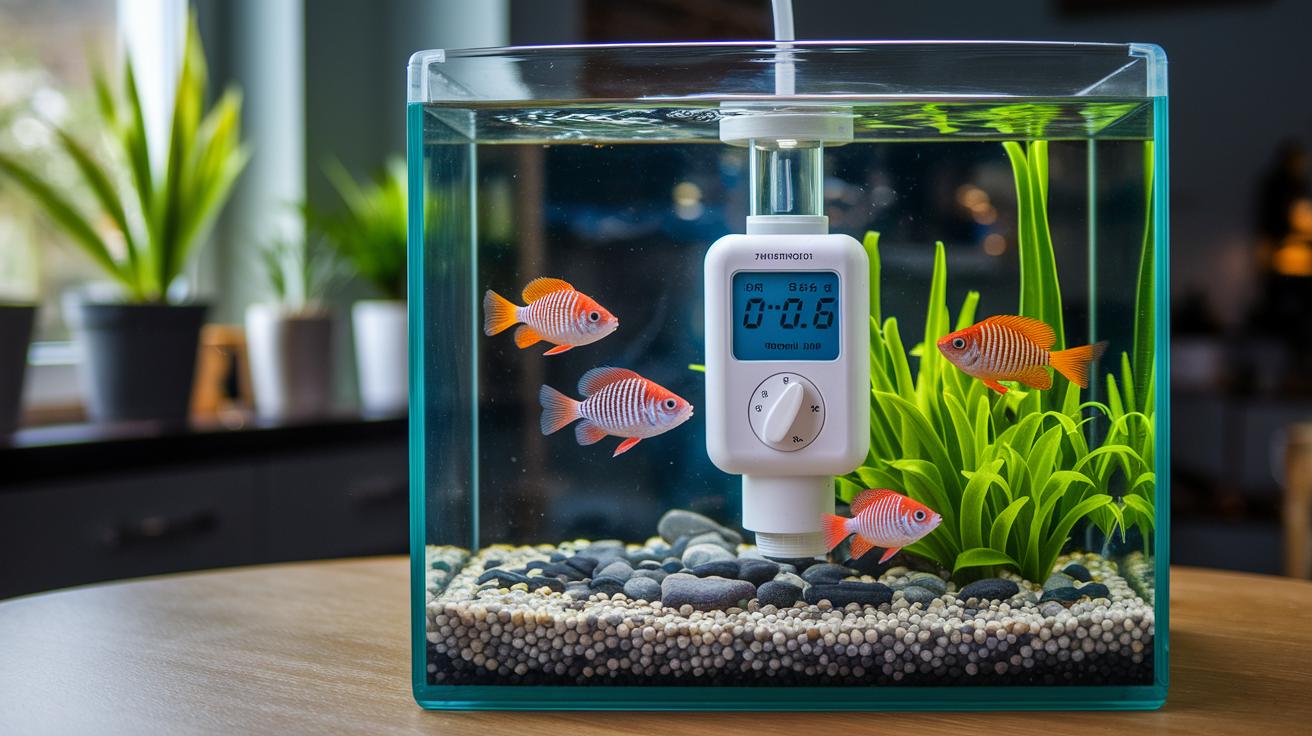
Start by picking a submersible heater that has a built-in thermostat. This handy device keeps your water at the right temperature by turning on automatically when needed. Imagine it like a coffee maker that ensures every drop is warmed just right. You can also use an external thermometer to quickly check the tank, making sure no area feels too cold.
Then, think about upgrading your water pump to one with a variable-flow design. A good tip is to choose a pump that moves about four times the tank’s volume each hour. So for a 50-gallon tank, look for a pump that circulates roughly 200 gallons per hour. This setup helps get rid of cold spots, ensuring every fish enjoys warm and oxygen-rich water.
Finally, boost aeration by adding air stones or powerheads. These little tools create a gentle current and mix the water well, so oxygen reaches every corner of your aquarium. Picture the air stone like a mini fountain, bringing lively movement and helping to eliminate stagnant spots.
- Choose a submersible heater with a built-in thermostat.
- Use an external thermometer to check the water temperature.
- Upgrade to a variable-flow pump that circulates water at 4× the tank’s volume per hour.
- Add air stones or powerheads to increase oxygen levels.
Essential Maintenance and Water Testing for Preventative Fish Care
Keeping your aquarium healthy is like creating a peaceful underwater sanctuary for your fish. Regular water testing helps you catch tiny ripples before they become big waves. Using a trusted test kit to check pH, ammonia, nitrite, and nitrate levels each week, or every two weeks when everything seems calm, gives you a heads-up about any changes. I even test for pH and ammonia before a water change, just to make sure the water is in balance.
A clean tank means a happy home for your fish, and that starts with a steady cleaning routine. Here are a few simple steps to keep your aquarium in top shape:
- Test your water with a reliable kit on a weekly or bi-weekly schedule.
- Change 25% of the water every week to flush out old waste.
- Vacuum the substrate to pick up any lingering debris.
- Check your filter for any clogs or worn-out parts.
Keeping a log of your test results is like maintaining a little diary for your tank. Over time, you’ll notice small shifts in your water’s condition, which can help you prevent problems before they start. With regular care, your equipment lasts longer and you avoid the stress of emergency fixes. It’s like giving your fish a refreshing daily dose of a safe and nurturing home.
Comparing Budget-Friendly and Premium Aquarium Equipment Upgrades
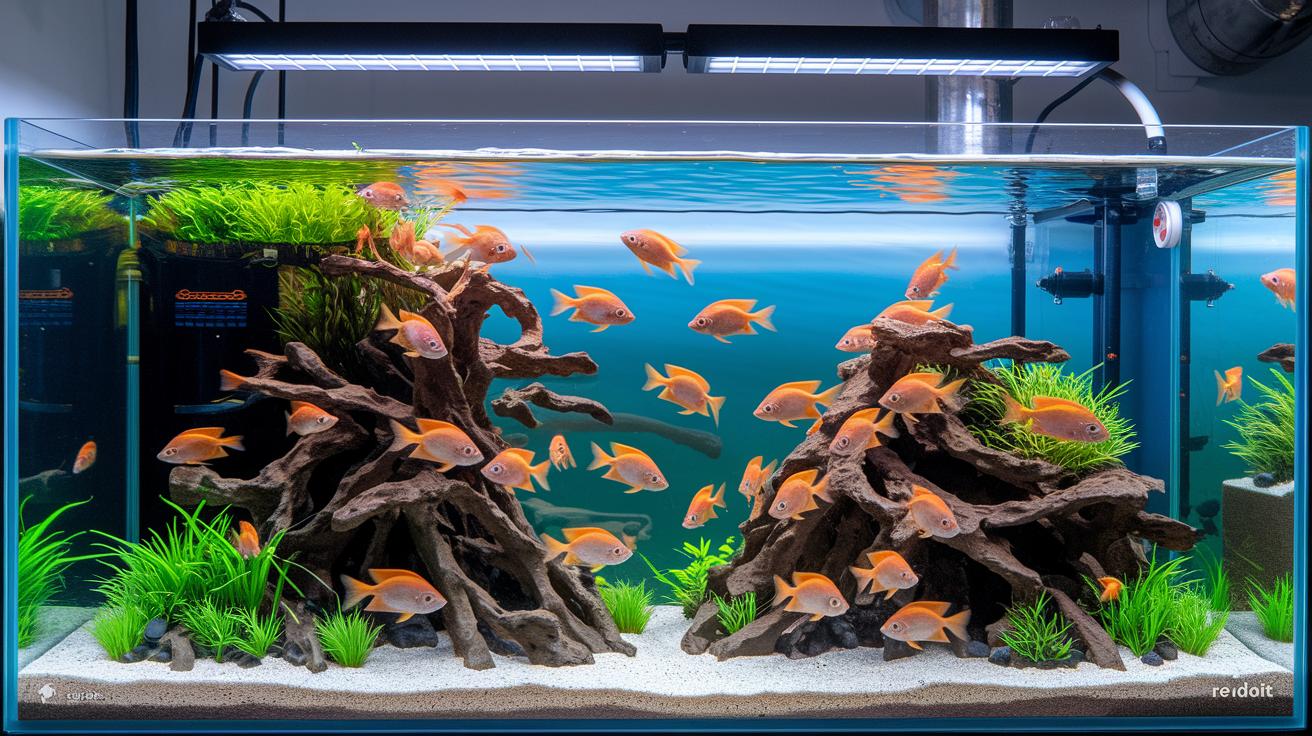
When you're thinking about giving your tank a little boost, it's all about mixing smart savings with high-performing gear. You might start with basic canister filters that keep your water clear and flowing nicely. But if you're ready to take it up a notch, premium filters offer cool extras like controllable water flow and tougher build quality that can be well worth the extra investment.
Lighting is another area where you can choose what fits best. Standard LED arrays brighten your tank without draining your wallet, while programmable lights let you adjust brightness and timing. This extra control can help your plants thrive and even mirror natural fish habits. Meanwhile, while simple heaters keep things cozy, digital smart heaters deliver precise temperature control and energy savings that might just make you smile.
Taking a closer look at each key product area can really help you decide what fits your aquarium and budget best. Check out this simple table that shows the differences between budget-friendly and premium options:
| Category | Budget Option | Premium Option |
|---|---|---|
| Filters | Basic canister filters | Advanced canister or sump systems |
| Lighting | Standard LED arrays | Programmable LED fixtures |
| Heaters | Mid-range submersible heaters | Digital smart heaters with thermostat |
| Pumps/Aeration | Simple water pumps | Variable-flow pumps with optimized aeration |
| Controllers | Basic manual adjustments | Automated systems with real-time monitoring |
When you compare specs, durability, energy use, and overall performance, think about how these choices affect long-term energy costs and upkeep. Each piece has its own role, choosing the right mix means both saving money now and enjoying less hassle later. Next time you're planning an upgrade, keep in mind that a little extra investment in premium gear might just bring a smoother, more efficient aquarium experience.
Integrating Smart Control Systems for Future-Proof Aquariums
Smart aquarium control systems are truly changing how we look after our tanks. By using multi-channel controllers to manage lights, pumps, and heaters, you can easily automate daily tasks. These systems often include Wi-Fi-enabled apps so you can check on your tank anytime and see real-time details about your water. With sensors keeping an eye on temperature, pH, and ORP, you're always tuned into your fish’s little world.
These smart devices work like a digital watchdog for your aquarium. They send instant alerts when water conditions stray from the safe zone, so you can fix issues before they harm your aquatic friends. The design is flexible too, letting you add extra sensors or upgrades as your tank evolves. Many systems even feature user-friendly interfaces that make everyday care feel as smooth as a gentle stream.
Setting up one of these digital control systems is a lot like installing a cool new gadget, you just follow the instructions, make sure it fits with your current setup, and test it out thoroughly. It’s like giving your aquarium a heart that keeps everything in balance. And if you’re looking for more ideas or tools like smart controllers and sensor kits, check out aquarium supplies online. Embracing these smart solutions not only makes fish care easier but also helps your tank stay strong and ready for anything.
Final Words
In the action, this guide takes you step-by-step through a plan to upgrade your aquarium, from checking your current setup and boosting filtration and lighting to tweaking heaters, pumps, and smart controls. We covered cost comparisons between budget-friendly and premium options and shared tips for regular water testing and maintenance routines. Upgrading aquarium equipment for optimal fish health is all about creating a calm, balanced space. Keep the process fun and steady, and enjoy watching your underwater world thrive.
FAQ
How long should fish be acclimated before entering the tank?
The acclimation process usually takes about 15–30 minutes. This period allows fish to adjust slowly to the tank’s temperature and water chemistry as you gently mix in some tank water.
How long does it take for fish to settle in a new environment?
Fish typically need a few days to a week to settle in their new surroundings. During this time, they gradually become comfortable with the tank, finding their spaces for hiding and swimming.
What steps should I follow when adding new fish to an existing tank?
When adding new fish, start by floating their sealed bag in the tank to equalize temperature, then slowly mix some tank water into the bag before gently releasing them during a calm period.
What is the Aquarium Upgrade Blue Prince?
The Aquarium Upgrade Blue Prince refers to a recommended equipment enhancement designed to boost water clarity and fish health. It focuses on modernizing components for improved performance in your tank setup.
What types of fish are recommended for an aquarium?
Recommended fish depend on tank size, water conditions, and care level. It’s best to choose species that thrive in similar environments and check for compatibility to maintain a balanced and healthy community.
When should I do the first water change in a new aquarium?
The first water change is best done about 24 hours after setup once the tank is cycled. This step helps in clearing out any debris and stabilizes the water conditions for your new fish.
How can I make my fish tank healthier?
A healthier fish tank comes from routine water testing, scheduled partial water changes, effective filtration, stable temperature control, and avoiding overcrowding to reduce stress on your fish.
What is fish tank syndrome?
Fish tank syndrome describes a condition where poor water quality and imbalanced chemical levels lead to stress and disease among fish. It underscores the importance of regular testing and maintenance.
Do fish prefer longer or taller tanks?
Many fish favor longer tanks that provide ample horizontal space for swimming. Taller tanks may suit species that need more vertical space, so consider your fish’s natural habits when choosing tank shapes.
How do I maintain optimum water conditions in my aquarium?
To keep water optimum, perform regular tests, schedule partial water changes, use proper filtration, and maintain stable temperature settings to support a balanced and healthy aquatic environment.