

Have you ever wondered if eating your favorite fish too often might be a problem? Studies show that if you have more than two or three servings a week, you might end up with extra mercury in your body that could affect your brain, kidneys, and heart.
Sometimes, fish can bring along more than just great taste. Heavy metals, extra cholesterol from certain types, and even allergies can sneak in like unwanted guests at a dinner party. It’s like enjoying a beautiful view of the sea only to find out the tide is pulling in something else.
So, next time you plan your meal, think of it as a gentle tide. Enjoy the flavors of the ocean, but keep an eye on how often you dip into that delicious spread, just enough to savor the moment without risking your health.
Health Risks of Excess Fish Intake
If you eat more than 2–3 servings of fish a week, where each portion is roughly 85–115 grams, you might be letting too many contaminants into your system. Too much seafood, especially fish like tuna, swordfish, and shark, can cause mercury to build up in your body. Mercury is a heavy metal, and if it accumulates over time, it might affect your brain, kidneys, and even your cells.
Some seafood, like prawns and lobster, is high in cholesterol. This can raise your LDL cholesterol, often called the "bad" cholesterol, which may lead to heart issues. And if you have a shellfish allergy, even a small bite can cause an unexpected reaction. Imagine enjoying a delicious seafood feast and suddenly facing hives or even a severe allergic reaction. It’s a clear reminder that when it comes to seafood, more isn’t always better.
Here are the main concerns:
| Risk | Description |
|---|---|
| Mercury Buildup | Eating too much fish can introduce extra mercury and pollutants into your body. |
| High Cholesterol | High-cholesterol seafood can raise your LDL levels, risking heart health. |
| Allergic Reactions | Shellfish allergies can start with mild symptoms and quickly become severe. |
Recent findings from medical reviews, including studies published on June 5, 2025, underline the need for balance. Enjoy your ocean favorites wisely to keep your body as healthy as a well-tended aquarium.
Mercury and Heavy Metal Risks in Fish Overconsumption
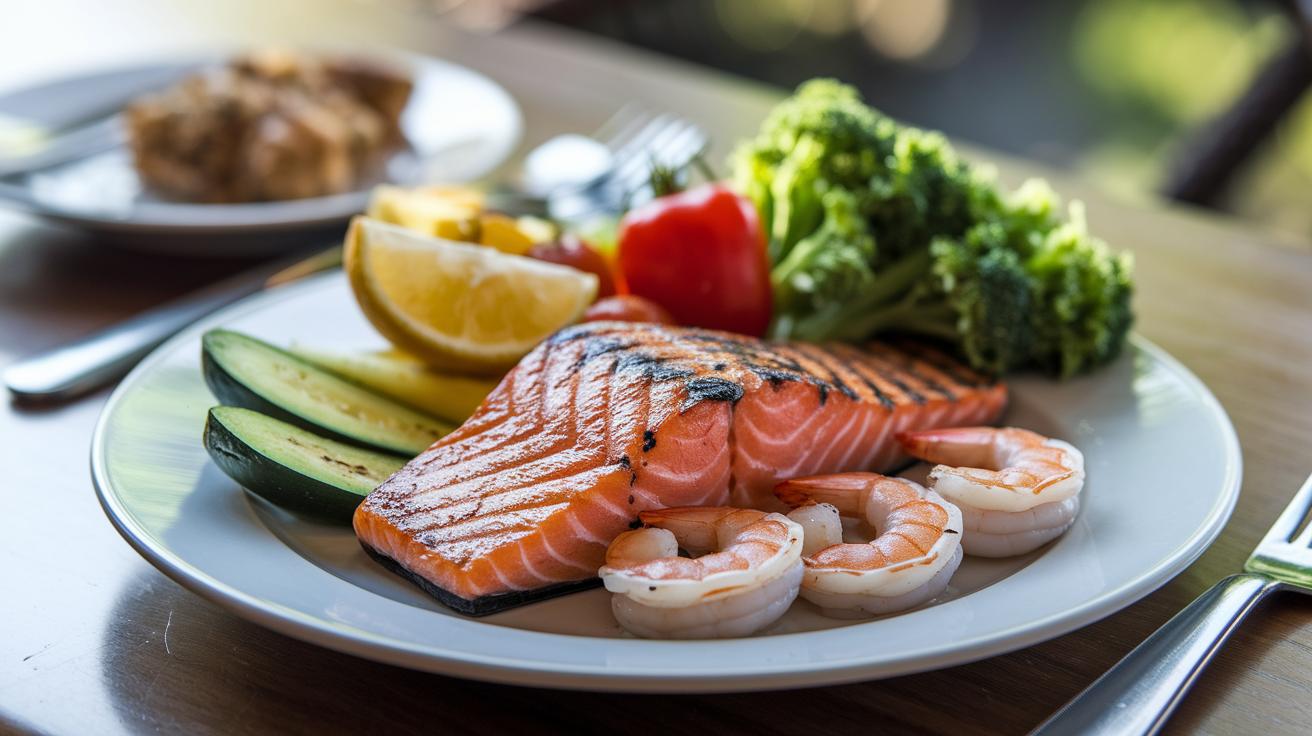
Sometimes, enjoying too much of certain fish can let harmful toxins sneak into your body. These toxins, like mercury and heavy metals, slowly build up in the fish over time. Top predators such as king mackerel, shark, swordfish, and tuna often have higher toxin levels because they eat lots of smaller fish. Over the years, eating these fish can lead to a buildup of mercury in your body. For example, long-term exposure to mercury might affect your thinking, hurt your kidneys, or even slow down a child’s growth. Wow. A single serving of high-mercury fish can add up over a lifetime, much like tiny drizzles slowly filling a bucket.
The FDA gives clear guidelines to help keep you safe. They suggest that women and kids skip king mackerel entirely and limit tuna to just one serving a week. These limits exist because mercury is a strong neurotoxin, it can mess with your brain and body systems over time. So, even if you love your favorite ocean meals, it’s smart to pick fish that naturally have lower mercury levels.
- Try choosing fish like cod or haddock that have lower mercury levels.
- Switch up your fish choices often to keep heavy metal intake in check.
By watching what types of fish you enjoy, you’re taking a simple yet effective step to keep the risks from rising mercury and heavy metals at bay.
Persistent Organic Pollutants and Toxin Hazards from Excess Seafood
Eating too much seafood might expose you to hidden toxins, and these toxins aren’t always heavy metals. For example, shrimp raised in some Asian farms can pick up chemicals like PCBs and even banned antibiotics that seep into their water. Even American eel can have high levels of PCBs and mercury, showing how some fish slowly collect dangerous chemicals over time.
Wild salmon and cod, caught near polluted coasts, can carry dioxins and pesticide residues. Dioxins come from industrial waste and can build up in fish over the years, hurting cells and messing with hormones. And in warmer waters, harmful algae can produce ciguatoxins that may bring on stomach troubles and nerve issues after you eat the fish.
Consider these risk factors:
| Risk Factor | Description |
|---|---|
| PCBs in farmed species | Chemicals found in farmed fish and shrimp. |
| Dioxins from coastal areas | Pollutants from industrial waste near fishing zones. |
| Pesticide residues | Chemicals that remain in wild-caught fish. |
| Ciguatoxins from algal blooms | Toxins made by algae in warmer regions. |
A few small changes in your diet can help reduce these exposures. It’s a good idea to choose fish from clean and well-managed fisheries. Keeping an eye on public health updates can also guide you to pick seafood that’s safer to enjoy over the long haul. Stay smart about your choices and protect your health, just like you’d take care of your favorite aquarium.
Cardiovascular and Oxidative Stress Concerns with High Fish Diets
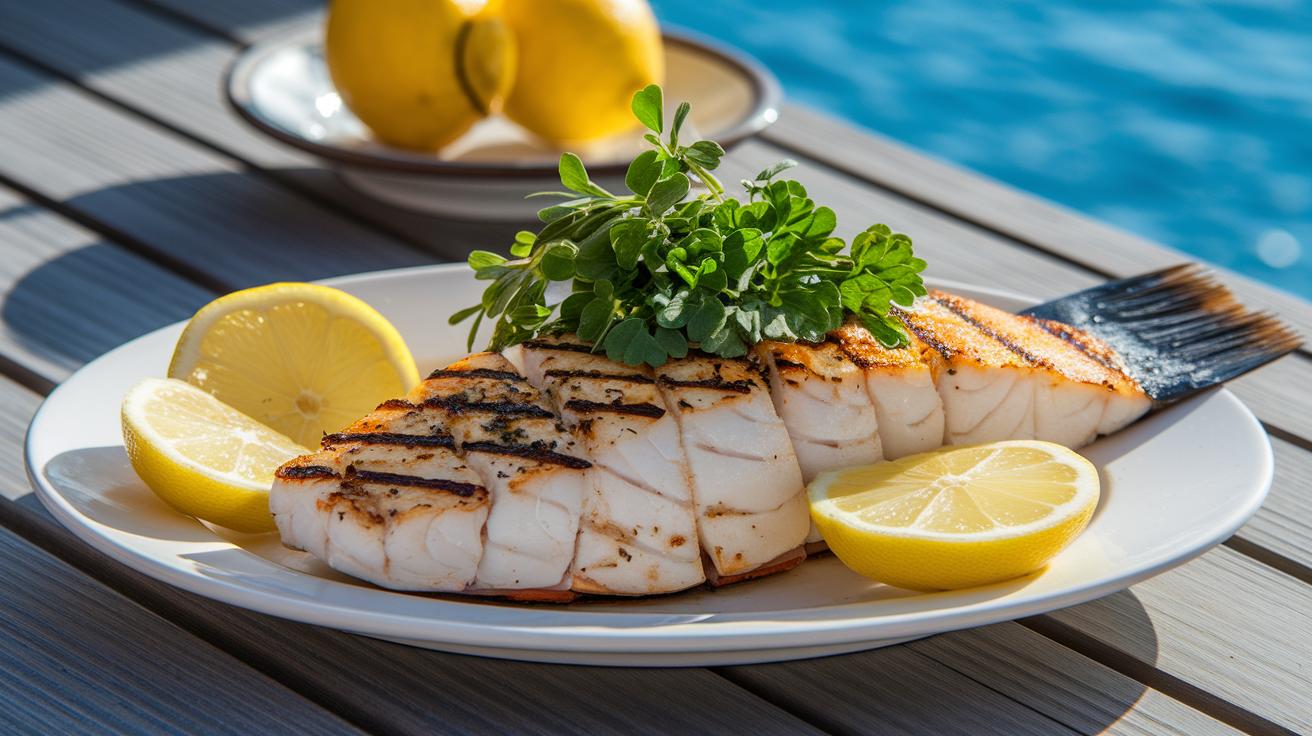
Eating loads of fatty fish might sound good, but too much can stir up some trouble. A little omega-3 is like a gentle ripple that helps your heart, but too much can push your body into overdrive. When fats start breaking down in a way that stresses your cells, something we call lipid oxidation, it can make your blood show signs of extra stress.
High-cholesterol treats like prawns and lobster play a similar tune. Regularly enjoying these might raise your LDL, the so-called "bad" cholesterol, which can gradually clog your arteries like a stream blocked by debris.
Here are a few friendly tips:
- Alternate rich, high-cholesterol seafood with leaner fish options.
- Keep your portion sizes in check to ease the extra strain on your body.
For instance, consider swapping a heavy seafood dinner for something lighter, like a crisp, refreshing cod dish. This way, you keep your heart and cells happier, just like a calm pond on a sunny day.
Vulnerable Populations and Risks of Overconsuming Fish
Pregnant women, infants, and young children need to be extra careful with their fish intake. Mercury, a toxin found in many types of fish, can slip past the placenta and interfere with a baby’s brain development. Picture a gentle ripple disturbing a calm pond, mercury works in a similar way, quietly upsetting the natural flow of fetal growth. Doctors suggest that expecting mothers enjoy no more than two servings of fish each week and steer clear of types known for high mercury levels.
Babies who get mercury through contaminated breast milk or early foods might experience delays in their thinking and learning. It’s a bit like putting poor fuel in a car; even a small amount of bad fuel can stop the engine from running smoothly. Experts recommend that young children under five have just one small serving of fish per week to help their growing bodies thrive while keeping toxins at bay.
By sticking to these serving limits, families can savor the benefits of eating fish while keeping everyone safe from unwanted toxins.
Guidelines for Safe Fish Consumption and Moderation
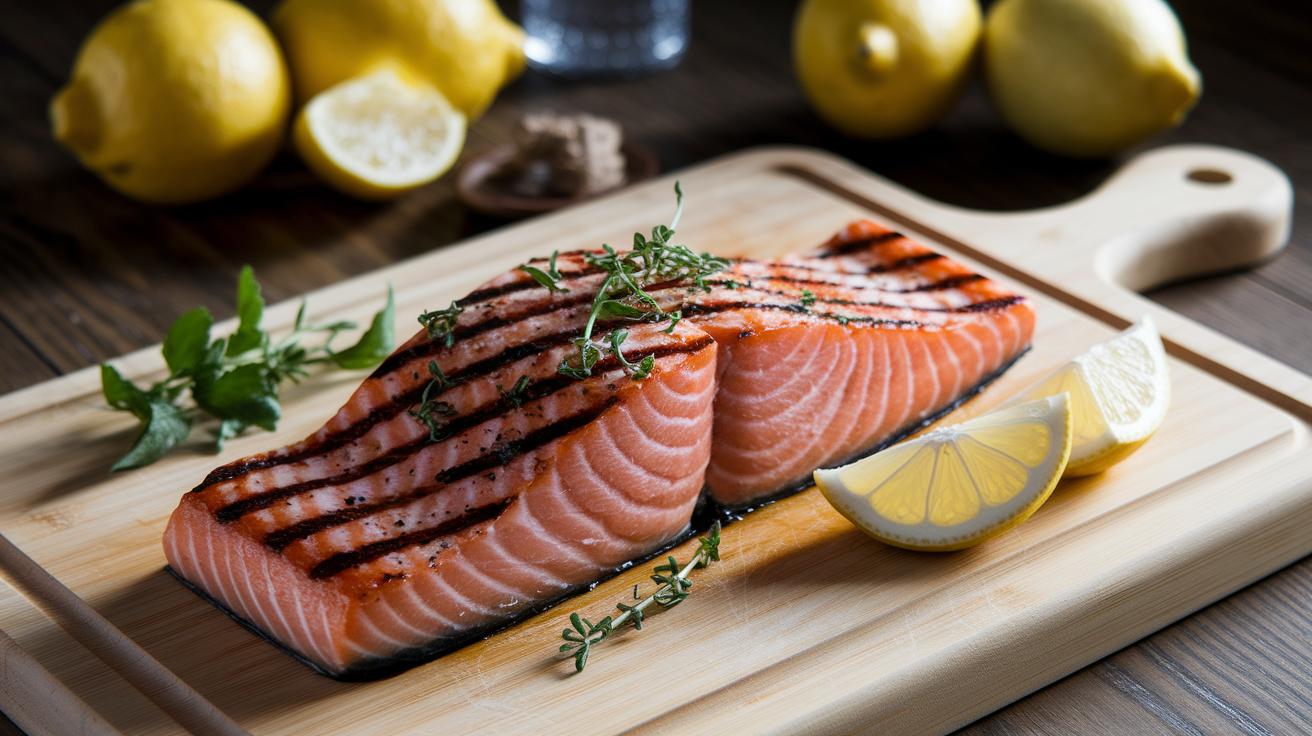
When planning your weekly seafood menu, think of it like setting up your favorite little aquarium scene, one that balances taste with healthy habits. Aim for 2–3 servings each week, choosing fish rich in nutrients. For example, steaming or grilling fish can help keep those heart-friendly omega-3 fatty acids locked in. Fun fact: When fish is steamed, it holds onto almost 90% of its omega-3 goodness compared to other cooking methods.
Keep things simple and let the fish’s natural flavors shine. A light marinating with a squeeze of lemon and a drizzle of olive oil not only adds a bright, zesty taste but also protects all the good nutrients inside.
| Fish Type | Nutrient Benefit | Cooking Method |
|---|---|---|
| Wild-caught Alaskan salmon | Omega-3 fatty acids | Grilling or Steaming |
| Cod | Lean protein | Baking or Poaching |
| Haddock | Balanced nutrients | Broiling |
| Scallops | Essential minerals | Sautéing lightly |
Pair your fish dishes with fresh vegetables to create a full, satisfying meal, much like adding the perfect plant to your tank. Stick with cooking methods such as grilling, steaming, or poaching to keep the nutrients safe. And if you're in the mood for a bit of extra flavor, a simple marinade will lift the natural taste without hiding it completely.
Finally, stay updated on local guidelines and regulatory changes. This way, you can make sure every bite is as safe and healthy as the gentle flow in your favorite aquarium.
Final Words
In the action, the post covered key points about eating too much fish. It showed how heavy metals, pollutants, and high cholesterol can affect our well-being. The tips include sticking to safe serving sizes and choosing low-risk species. These pointers help keep your underwater world in balance while protecting sensitive groups like kids and expecting mothers.
Enjoy your aquatic space by taking measures that guard against the health risks of overconsuming fish.
FAQ
What are the potential side effects of eating fish every day or overindulging in fish?
The potential side effects of eating fish daily include increased risks of mercury and heavy metal exposure, elevated cholesterol levels, and greater oxidative stress, which may lead to cardiovascular, kidney, or neurological concerns when guidelines are exceeded.
What benefits does eating fish every day offer?
The benefits of eating fish daily include access to high-quality protein and omega-3 fatty acids that support heart and brain health, offering valuable nutrients for both men and women when part of a balanced diet.
What are the advantages and disadvantages of eating fish?
The advantages of eating fish include a rich supply of omega-3 fats and lean protein, while the disadvantages involve potential contaminant exposure and high cholesterol levels that might negatively affect overall health if consumed in excess.
What are the side effects of eating fish head?
The side effects of consuming fish head include a higher risk of toxin and contaminant intake, as these parts may harbor elevated levels of mercury and other pollutants, which could pose health risks if eaten too often.
Is it safe to eat fish right now?
The safety of eating fish depends on current advisories, selecting low-mercury species, and sticking to recommended portions, which together help ensure that the nutritional benefits outweigh the potential risks of contaminants.