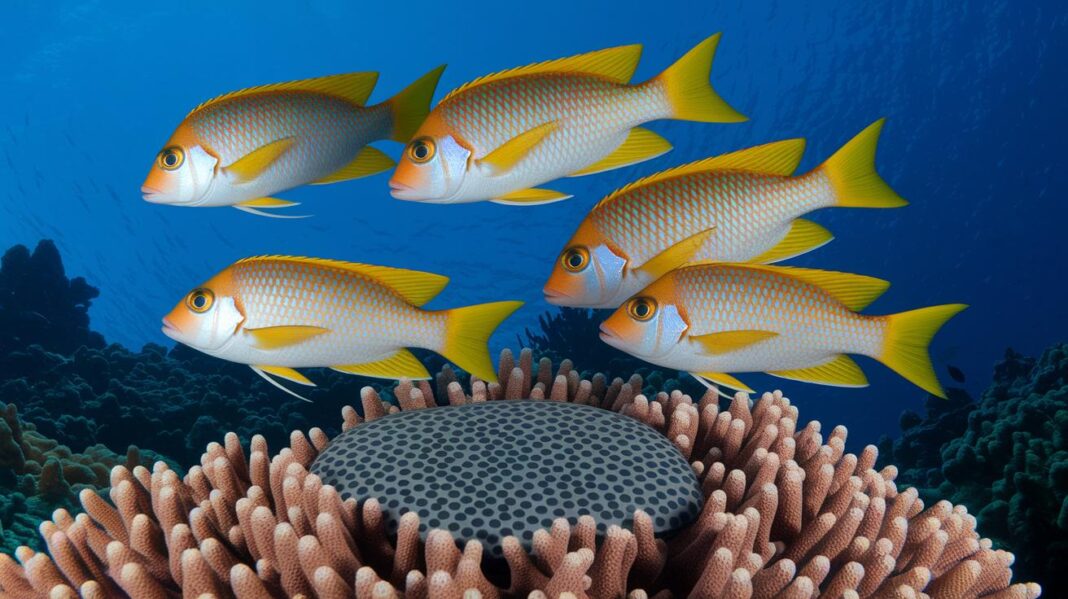

Have you ever wondered how fish quietly multiply beneath the water’s surface? It turns out, their way of bringing new life into the world is as clever as it is fascinating. Instead of simply sticking to one secret spot, fish often release thousands of tiny eggs that drift along with the currents, giving each egg a chance to start life in a new place.
Fish use a mix of strategies – sometimes they scatter their eggs into open water, while at other times, they choose a more sheltered nook to nurture their young. It’s like nature's own blend of spontaneity and care, much like how a gentle ripple spreads warmth and life across a quiet pond.
Next time you watch the soft shimmer of water or feel the calm of your own aquarium, remember the magical underwater dance that creates new life in the deep blue.
How Does Fish Reproduce: A Fascinating Cycle
Fish reproduce in a way that involves both a male and a female, with each producing special cells from their dedicated organs, called gonads. Think of these organs like little underwater factories that create the eggs and sperm needed to start life. This simple process leads to a beautiful mix of ways that fish bring new life to the water.
Most fish release both eggs and sperm into the open water where they meet naturally, sparking the beginning of a new fish. But sometimes, certain fish have developed a method where the sperm meets the egg inside the body of the fish. This keeps nature in balance by mixing genes uniquely across many species.
There are three common ways fish reproduce:
| Type | Description |
|---|---|
| Oviparous | Females lay eggs outside their body. Imagine a fish drifting hundreds of tiny eggs down a gentle current, each one a little spark of life. |
| Viviparous | Embryos grow inside the mother and are born live. Picture a caring mother fish watching over her developing young until they’re ready to swim on their own. |
| Ovoviviparous | Eggs hatch inside the mother, and then the young are released. Think of it as a cozy, safe space inside where tiny fish can grow before venturing out into the water. |
Even though a fish might release thousands of eggs, only a few will grow up to be adults. With more than 33,000 kinds of fish living in different watery homes, these reproduction methods show how nature uses creativity to keep life bubbling under the surface.
External vs Internal Fertilization in Fish
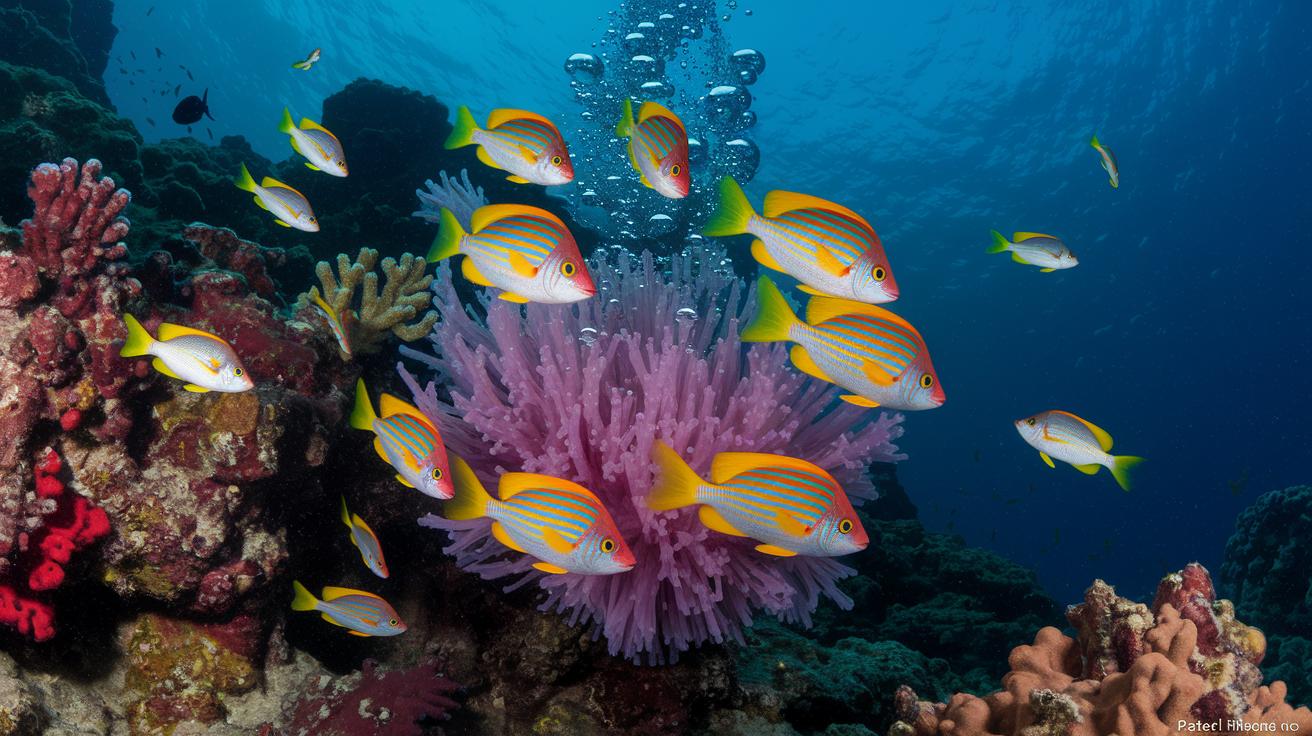
Fish have two main ways to fertilize their eggs. In one method, called external fertilization, fish release their eggs and sperm into open water where they naturally mix. In the other method, internal fertilization, sperm is gently delivered into the female through special body parts. Both ways show how fish have adapted to thrive in different watery environments.
External Fertilization Mechanisms
Many fish join in big spawning events, letting their eggs and sperm flow together at the same time. Some species let their eggs float near the surface, like tiny bubbles drifting under the sun, while others drop theirs near the bottom. Picture hundreds of fish in sync, releasing their gametes in a graceful, almost choreographed way. This shared effort boosts the chance for fertilization, even though only a few eggs make it to become adult fish.
Internal Gamete Fusion
Some fish have evolved to use internal fertilization. In these species, modified fins or special ducts help move sperm directly into the female's body, ensuring fertilization happens safely inside. Freshwater sharks and guppies are familiar examples of this clever method. With internal fertilization, eggs enjoy a more controlled start, well-protected from the sometimes harsh outside conditions.
Water temperature, clarity, and seasonal shifts all have a big impact on how well these fertilization methods work in nature.
Fish Parental Care Strategies and Spawning Classification
Fish have some cool ways of caring for their eggs, and each method is pretty fascinating. Some fish just let nature take its course, scattering their eggs into open water, while others go the extra mile to protect their future little ones. It’s like a beautiful dance where nature adapts to ensure the next generation survives.
Some species drop thousands of eggs into the water with no further care, trusting in the numbers for a few to make it big. Others take extra steps by cleaning and guarding their nests, almost like they’re setting up a safe home for their babies. Then there are those that hide their eggs under rocks or in the sand for a short time before the eggs hatch, keeping them safe until they’re ready.
Mouth brooders are a whole different story, imagine a fish keeping its eggs securely in its mouth until the young ones can fend for themselves. This method shows just how far some species will go to ensure every fry has a fighting chance at life.
| Strategy | Spawning Method | Parental Care | Example |
|---|---|---|---|
| Nonguarders | Scatters eggs in open water | No care after spawning | Pelagic spawners |
| Guarders | Builds and defends a nest | Active protection | Salmonids, cichlids |
| Brood Hiders | Hides eggs in the substrate | Minimal care after hiding | Bitterling fish |
| Mouth Brooders | Keeps eggs in the mouth | High level of care until independence | Mbuna Cichlid |
When it comes to balancing many eggs with a lot of care, fish use different strategies to suit their environment. Fish that scatter eggs bank on huge numbers so that at least a few will survive. On the other hand, those that guard or brood invest a lot into each egg, making sure that each one gets the little extra push to grow strong.
This mix of approaches shows just how clever aquatic life can be. Over time, and through many generations, these strategies have fine-tuned themselves to overcome the challenges of living underwater. Ever notice how nature always finds a way to keep the circle of life turning?
Extraordinary Mating Adaptations Among Fish
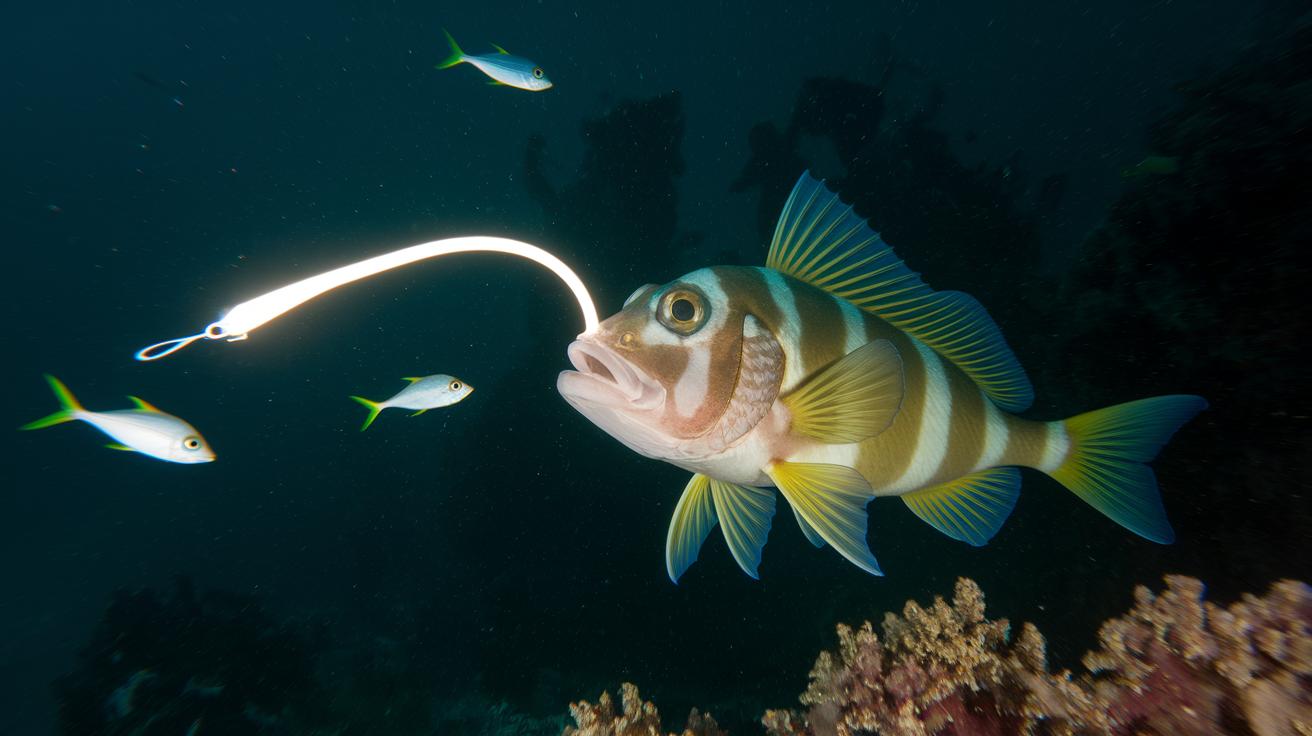
Deep-sea anglerfish have a really cool trick when it comes to mating. In these deep, mysterious waters, females grow up to 60 times bigger than their tiny male partners. It’s as if the ocean itself whispered a secret recipe for survival. In about 20 families of fish, you'll even find that one fish can change its role from male to female. This clever switch is like having a backup plan when finding a mate feels as tricky as catching shadows in a rippling tide.
Some sharks take these adaptations to another level. Imagine embryos that even munch on their siblings to get a boost of nutrients. It sounds wild, but in species like sand tigers and makos, this behavior helps the strongest ones grow in waters that sometimes feel as empty as a quiet sea after a storm.
These neat reproductive tricks are all about making sure life flows on, even when conditions are rough. Whether by growing dramatically different sizes, switching roles like a tide, or even competing inside the womb, fish use these methods to keep their families swimming strong in the deep and challenging underwater world.
Lifecycle Stages and Gamete Development in Fish
Fish reproduction begins with a natural process that creates eggs and sperm inside the ovaries or testes. Think of it like a busy underwater factory where life is being prepared. Once the eggs and sperm are ready, fertilization happens either out in the open water or inside the female fish. This important mix sets everything in motion for a new life, much like following a favorite recipe where the right ingredients make all the difference.
After fertilization, the tiny zygote starts to grow into an embryo. In many fish species, especially those that hide their eggs, this early stage lasts about 3 to 4 weeks. During this time, water quality and temperature gently steer the pace of development, a bit like nature’s own timer quietly ticking away.
When the fish finally hatches from its egg, it enters the larval stage, a period of rapid growth and discovery. The young fish begins feeding and developing the features it needs to survive. Factors like food availability, clean water, and the right temperature all play a role in guiding its growth from a larva into a juvenile, eventually blossoming into a mature fish.
Environmental and Behavioral Triggers for Fish Spawning
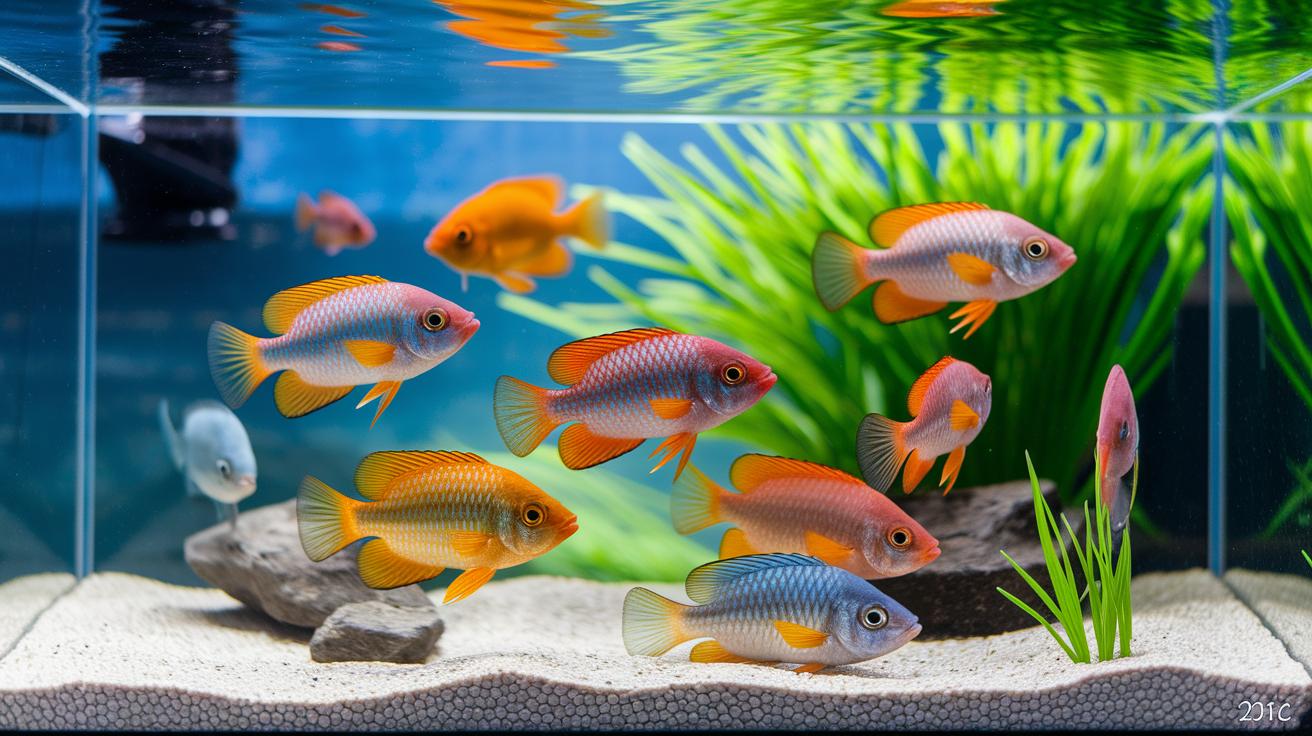
When water starts to warm up and the days grow longer, many freshwater fish see it as a friendly nod from nature that it's time to breed. In spring, the soft glow of the increasing light and rising temperatures gently encourage fish to start their spawning journey, often leading them to cozy up to areas where the water feels just right.
Out in nature, fish look for a few specific signs before they begin. They prefer certain types of bottoms, like sandy or gravel patches, where they can safely lay their eggs. Clean, oxygen-rich water and the calming flow of a natural current also tell them that the spot is safe for nurturing new life. It’s a bit like setting up a perfect little home where every detail feels just right.
Then there’s the dance of courtship. Fish express their readiness with graceful movements and even send out chemical cues, tiny hints in the water that help align the timing with their potential mates. These quiet signals come together like a synchronized dance in clear water, ensuring that spawning happens at just the right moment.
Aquarium Fish Breeding Techniques for Successful Reproduction
Breeding fish in your tank works best when you mirror nature's gentle cues. When you set the water temperature to a cozy 24–28°C and let your lights follow a steady day-and-night rhythm, you're telling your fish it's time to grow their family. It's a bit like warming your hands on a brisk day, those small signals can spark big changes in your aquarium.
Creating the perfect fish home isn’t just about having plenty of space. It's all about balancing water details and the right tools. Here are some friendly tips to get started:
- Keep a reliable heater running to hold the water between 24 and 28°C.
- Use a light timer so your tank mimics natural day lengths.
- Rely on a good filter that keeps the water clear and clean.
- Check that the pH stays between 7.0 and 7.5.
- Monitor the water's hardness to match your fish's needs.
Matching the right species is also key to success. Some fish, like guarders, thrive with extra nesting spots and open space, while mouth brooders need calm, sheltered areas to feel safe. Sometimes, adding items like spawning mops or breeding cones can give a little extra push for successful egg and fry development. In truth, a setup that feels natural and inviting can make all the difference in helping your aquatic friends flourish.
Final Words
In the action, we explored fish reproductive methods, from egg-laying to live birth, and the roles of gonads in sexual reproduction. We examined how aquatic creatures fertilize externally or internally, and broke down parental care strategies like guarding nests and mouth brooding. Our guide also touched on environmental cues and aquarium setups that help fish breed safely.
Every tip and insight helps answer the question of how does fish reproduce, showing that proper care and knowledge lead to a balanced, thriving underwater world.
FAQ
How do fish reproduce sexually?
The fish reproduction process involves combining eggs and sperm produced in the gonads. Most species release these into the water, allowing fertilization to occur externally during group spawning events.
How do fish reproduce sexually versus asexually?
The reproduction process in fish is mostly sexual, with egg and sperm fusion. Rare cases of asexual reproduction, like parthenogenesis, occur when females produce offspring without male gametes.
Can fish give birth or do they lay eggs?
Fish reproduction varies; many species lay eggs externally, while others, known as viviparous fish, give birth to live young after internal fertilization and embryo development.
How do male fish fertilize the eggs?
Male fish typically release sperm near freshly laid eggs, enabling fertilization in open water. In species with internal fertilization, specialized structures help transfer the sperm directly to the female.
What is the fish reproduction cycle?
The fish reproduction cycle starts with gamete formation in the gonads, followed by fertilization, embryonic development, hatching, larval growth, and finally metamorphosis into adult fish.