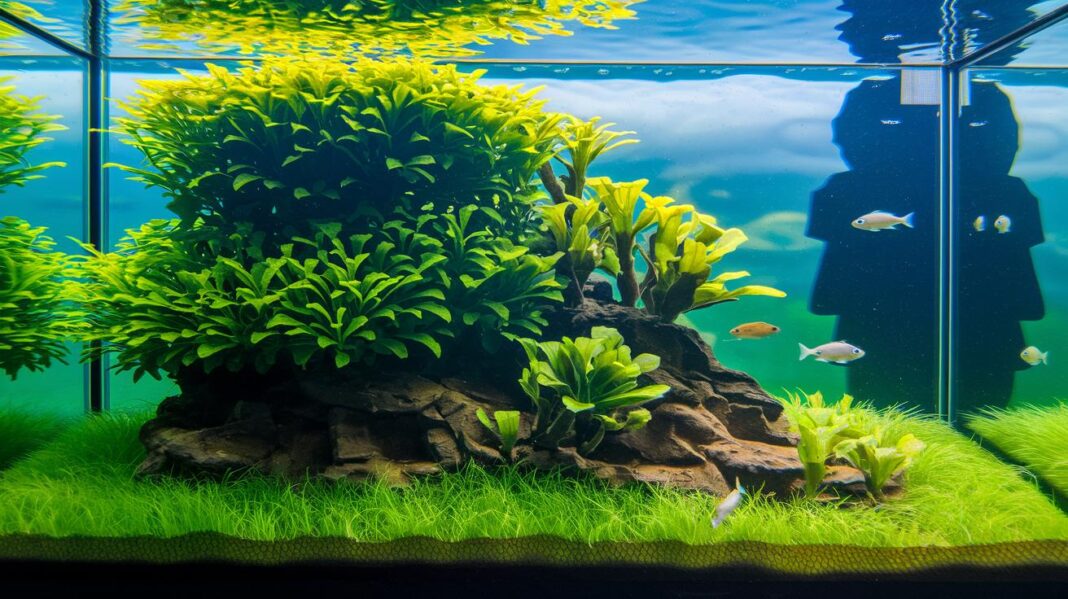

Ever notice how some tanks sparkle with life while others seem a bit quiet? Adding aquarium plants can give your watery world a refreshing burst of color and energy. They work like little helpers, boosting oxygen, keeping the water clean, and making your fish feel right at home.
Imagine your tank as a tiny underwater garden where every plant plays its part, much like a team working together to keep nature balanced. In this post, I'll share some simple steps to help your aquatic greens grow strong, transforming your tank into a friendly, vibrant haven for all its finned residents.
Basics to Grow Aquarium Plants Successfully
Living aquatic plants do more than just make your tank look pretty, they boost oxygen, recycle nutrients, and naturally clean your water. They create a serene underwater scene and offer a snug home for your fish. When your plants are happy, your fish get fresher water and a balanced environment, which helps them feel less stressed and more vibrant. Think of a well-planted tank like a shady riverside spot where life flows effortlessly.
Growing aquarium plants well is kind of like setting up a little underwater garden, and it all happens in five simple steps. Many plants come in plastic pots with rock wool, and you should take that out unless you're using carpeting plants. First, it’s good to do some homework on the species that will thrive in your tank. Then, you move on to preparing a nutrient-rich base, setting up proper lighting (and maybe adding CO₂), planting them at the right depth and spacing, and keeping an eye on your water. Each step works together to create a balanced and eye-pleasing aquascape.
- Pick plant species that match your tank size and lighting.
- Get your nutrient-rich substrate ready and ditch any packaging.
- Set up enough lighting and consider adding CO₂ for a boost.
- Plant your greens at the right depth and give them space.
- Keep your water in check, feed your plants with fertilizer, and trim them regularly.
Each of these stages plays a key role in building a healthy, beautiful planted tank, a bit like assembling the pieces of your own underwater wonderland.
Choosing the Right Lighting to Grow Aquarium Plants
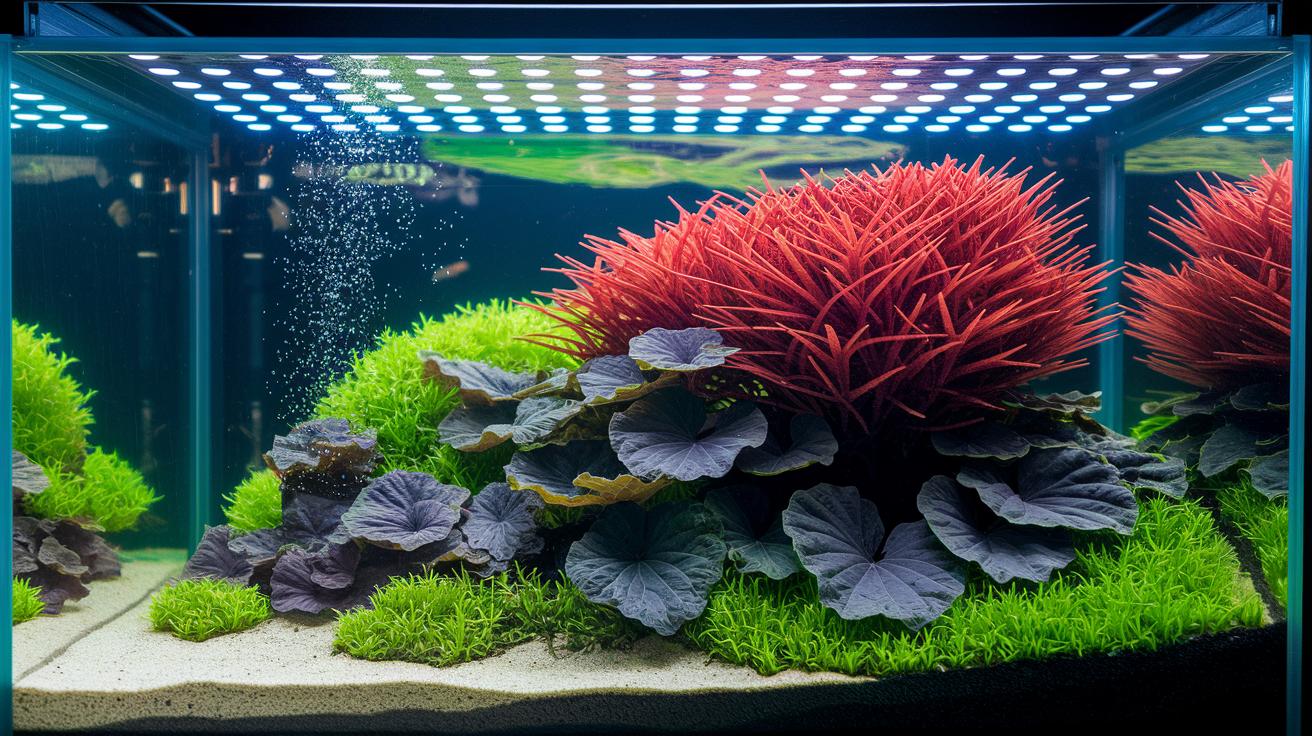
Light is the heartbeat of your aquarium plants. It kicks off photosynthesis, which is how these green beauties make their own food. Most aquatic plants like to get around 2 to 4 watts per gallon so they can grow nicely and keep your tank balanced. Usually, you’ll want to run your lights for about 8 to 10 hours a day, just like the natural cycle of day turning to night.
There are a few good choices when it comes to lights for your underwater garden. LED lights are a favorite because they give off a full range of colors, perfect for making your tank pop, and they really help boost photosynthesis. T5 fluorescent lights spread light evenly throughout your tank, while CFLs work well for smaller setups. Each option has its perks, so think about your tank size, what your plants need, and your budget before deciding.
Some plants, like Anubias, Java Fern, and Cryptocoryne, do well with a softer light setup. They only need about 1 to 2 watts per gallon and a shorter light period of 6 to 8 hours. These low-light plants are ideal if you’re aiming for a simpler setup without extra CO2 or complications. Start with a lower light output, then adjust it as you watch your plants start to thrive.
Selecting Nutrient-Rich Substrate for Aquarium Plant Growth
When setting up your underwater garden, choosing the right substrate is a lot like picking the perfect sand for a beach day. There are different types to help your plants grow strong and healthy. You can go with aquatic soil, which is full of natural goodies like iron and potassium, or you might choose gravel that needs a bit of extra help with root tabs. Fine sand gives a nice, natural look but can get packed down if you’re not careful.
| Substrate Type | Nutrient Content | Layer Depth | Pros | Cons |
|---|---|---|---|---|
| Aquatic Soil | High (iron, potassium) | 2–3 inches | Built-in nutrients for lush plant growth | Heavier and needs rinsing |
| Gravel + Root Tabs | Low | 2–3 inches | Strong support and less compaction | Needs extra root tabs for nutrients |
| Fine Sand | Low | 2–3 inches | Creates a smooth and natural look | Can compact if not managed carefully |
Layering your substrate to a depth of about 2 to 3 inches is key, almost like giving your plants a comfy bed to settle into. If you’re using something like gravel or sand that doesn’t offer many nutrients on its own, tossing in some root tabs is a great idea. Many aquarists love the rich benefits of aquatic soil since it naturally nourishes plants. When you’re shopping for the best materials, check out your favorite aquarium plant supplies. This careful approach ensures your plants have a solid, steady foundation to grow and flourish.
Applying Fertilizers and Nutrients for Fast Plant Growth
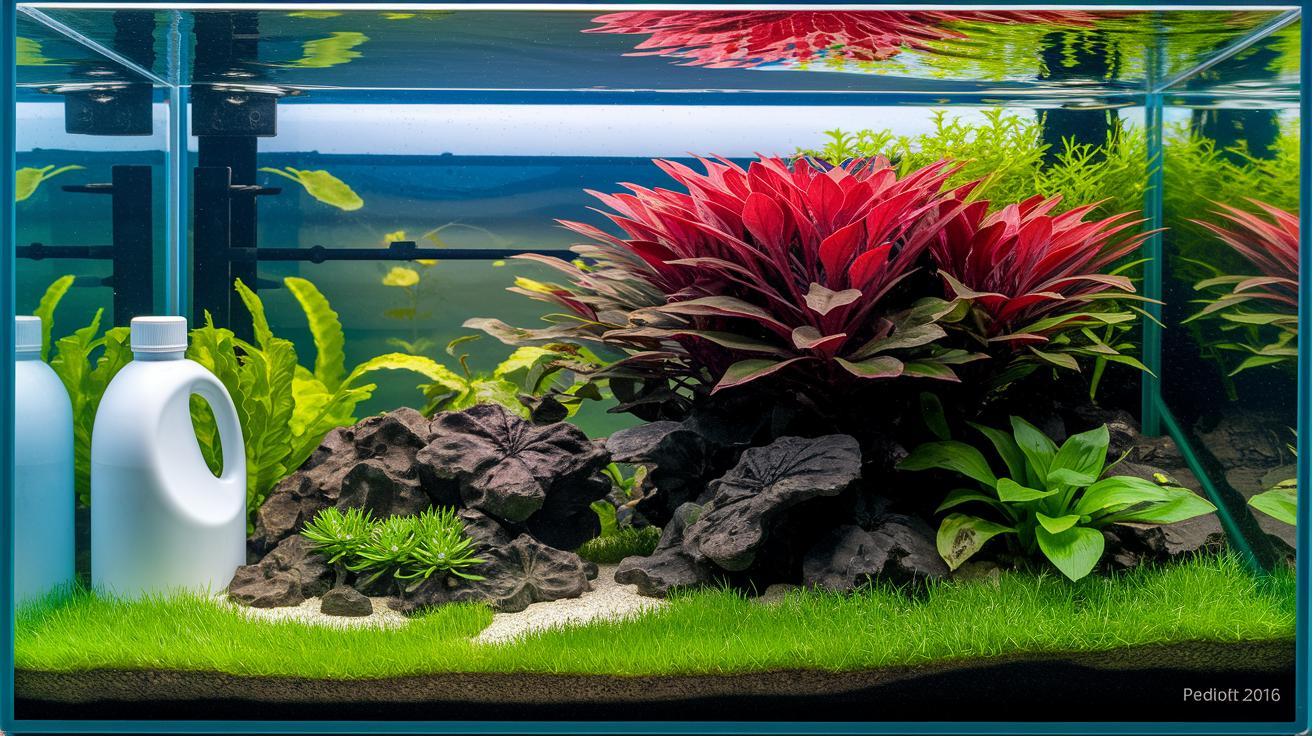
Liquid fertilizers are like a quick sip of refreshment for your plants. They pack a punch of nitrogen, phosphorus, potassium, and other tiny nutrients that your plants easily drink up. A handy tip is to mix about 1 mL of liquid fertilizer with every 10 gallons of water and treat your plants twice a week. It’s simple and effective, like giving your garden a little energy boost.
But if you prefer a more targeted approach, try using root tabs. These little tablets work right at the base of the plant, feeding directly into the roots. Most fish tank friends suggest switching them out every 4 to 6 weeks so the roots never miss a meal. Some even like mixing a bit of iron sulfate with potassium nitrate to create a homemade blend that speaks to the heart of the plant.
Balanced doses of these nutrients are key to letting your plants shine and keeping pesky algae away. Checking your water from time to time helps you stay on top of the nutrient levels. Remember, overfeeding your plants can cloud the water and invite unwelcome algae to join the party. Using the right equipment or reliable aquarium supplies online makes it easier to keep a steady and predictable feeding routine.
Planting Techniques and Species Selection for Aquarium Growth
Propagating Rhizome Plants
If you enjoy watching Java fern and Anubias thrive, you'll love the simple method of division. Start by gently removing your plant from its packaging or rock wool. Look for the thick, leafy base, known as the rhizome, where the leaves gather. With a pair of sharp scissors or a razor, cut the rhizome into pieces that each have 2 to 3 healthy leaves. Then, attach these chunks to your favorite rock or piece of driftwood. Before you know it, they will anchor themselves and begin to flourish. For example, when splitting a Java fern, picking a section with two leaves helps it start rooting nicely along a rock.
Planting Stem and Rosette Plants
Stem plants like Rotala and Ludwigia need a little trim to encourage new growth, much like giving your fish a gentle nudge toward a healthier life. Simply cut each stem just above the node, the spot where a leaf meets the stem, to invite two fresh shoots to emerge. Once trimmed, plant these stems about 2 to 3 inches into your rich, nutrient-packed substrate. This depth helps them develop strong roots while keeping them secure in your aquatic garden. Remember, giving each plant enough space means that every part basks in enough light. A handy tip is that a neat cut along the stem can turn one stem into a pair of thriving offshoots.
Managing Bulb and Carpeting Plants
Bulb plants such as tiger lotus rest comfortably on the substrate and send out side shoots over time, much like gentle ripples spreading across a pond. Simply place them on the surface of your growing medium and let nature take its course. For carpeting plants, like Monte Carlo, they spread through runners that flourish best under bright light and sometimes a boost of extra CO2. Occasionally snip these runners along the substrate to help create a neat, dense mat of greenery. A little trim here can keep your aquatic carpet looking vibrant and welcoming.
Maintaining Water Parameters and Prevention for Healthy Plant Growth
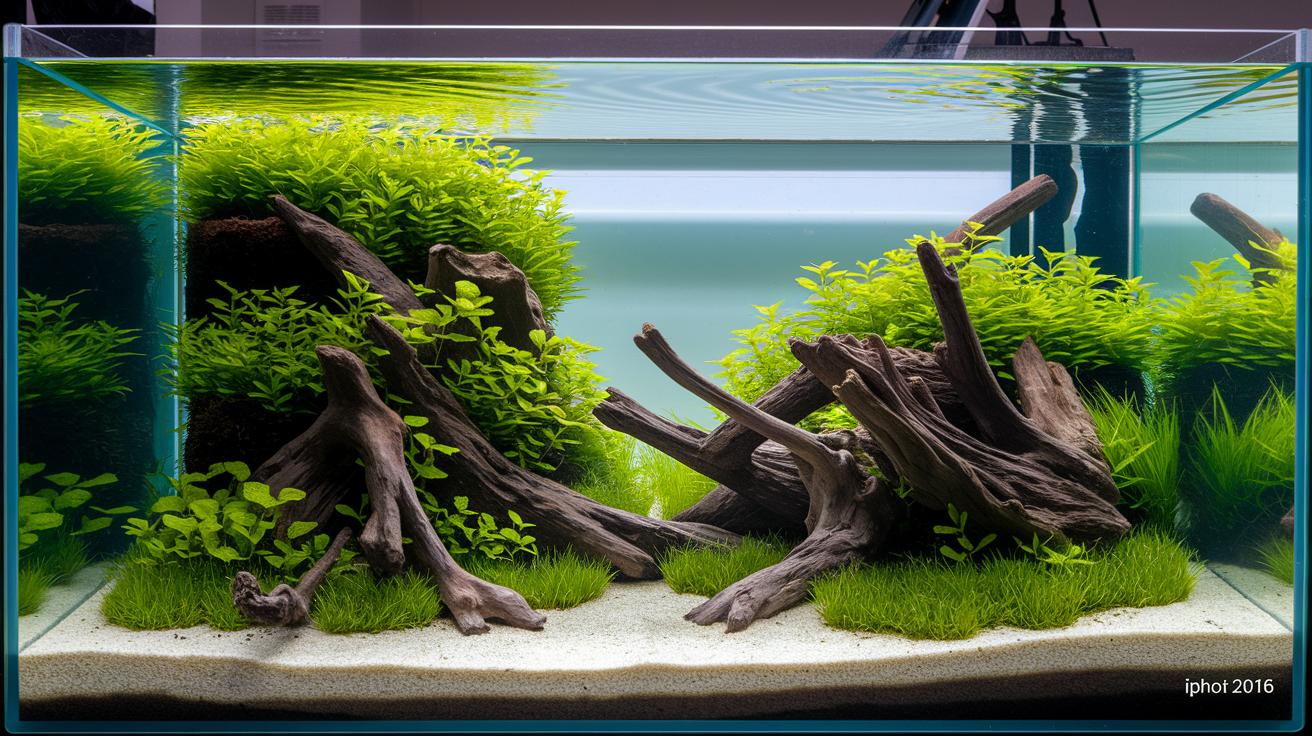
Keeping your tank's water chemistry just right is key for healthy plants. A comfortable temperature for them is around 72 to 78 °F, with a pH between 6.5 and 7.5 and a general hardness (GH) of about 3 to 8 dGH. Ammonia and nitrites should always be at 0 ppm. Doing a weekly water change of roughly 20 to 30% makes a big difference in keeping nitrate levels balanced. And the gentle ripple of surface agitation can naturally mix in CO₂ without needing any special equipment.
Watch out for a few signs that your plants might be struggling:
- Yellowing leaves – This could mean there are nutrient shortages or your pH is a bit off.
- Stunted growth – Often a sign that CO₂ is too low or the water chemistry isn’t quite right.
- Algae outbreaks – When there are too many nutrients or not enough plant competition, algae can take over.
- Melting plants – If your plants begin to melt, it’s a clear sign that water parameters have drifted from the ideal range.
Keeping up with regular water changes and testing helps prevent these issues. By replacing a part of the water every week, you keep the extra nutrients in check and maintain a balanced home for your aquatic friends. Plus, letting the good bacteria settle in your substrate and filters naturally breaks down waste. This steady approach not only helps your plants thrive but also creates a peaceful underwater haven for your fish.
Advanced Aquascaping Strategies to Enhance Aquarium Plant Growth
Layout and Hardscape Principles
Start by choosing a design that feels balanced and friendly to your aquatic life. Think of a golden ratio layout as a guide to place your driftwood and stones in neat layers, foreground, midground, and background. Picture that driftwood curving naturally in your tank, much like a gentle stream. Arranging your rocks and wood with care not only gives your plants better light but also holds mosses and ferns safely in place.
Trim and Prune for Growth
Keeping your underwater garden looking lively means trimming your plants regularly. Use a sharp pair of scissors or special aquatic tools to cut off any overgrown or droopy parts. This little trim works like a fresh haircut, encouraging thicker, healthier growth and maintaining the shape of your plants. By spacing out your pruning sessions, you create a mix of mature leaves and new shoots, making sure every corner of your tank gets enough light.
DIY Kit Recommendations
For anyone just starting out, a DIY planted tank kit can make a big difference. A good kit includes nutrient-rich substrate, perfect lighting, reliable test kits, a mix of fertilizers, and precise planting tools. With these essentials at hand, you can easily check your tank’s conditions, tweak your setup, and build a thriving underwater haven.
Final Words
In the action of building your ideal tank, you learned the basics of plant care, from choosing the right species and substrate to setting up proper lighting and nutrient dosing. The post offered clear steps on planting, pruning, and keeping water chemistry in check so every stage contributes to a healthy underwater world. Paying attention to these details shows that caring for your tank is fun and fulfilling. Embrace each step and see firsthand how to grow aquarium plants that make your aquatic world thrive.
FAQ
How to grow aquarium plants in water?
Growing aquarium plants in water means selecting species that thrive fully submerged, using nutrient additives and proper lighting to aid photosynthesis for healthy root and leaf development.
How to grow aquarium plants from seeds and cuttings?
Growing plants from seeds or cuttings means starting with germination or division. Seeds need a stable, warm environment while cuttings, after a snap, root easily in a soft, nutrient-rich substrate.
What is the best way to start a live plant aquarium for beginners?
Starting a live plant aquarium for beginners means choosing hardy, low-maintenance species, using a balanced nutrient substrate, good lighting, and simple fertilizing methods so your aquatic world thrives without extra fuss.
How to grow aquarium plants without soil or CO2?
Growing aquarium plants without soil or CO2 involves using gravel or inert substrates paired with liquid fertilizers and strong lighting. These steps support plant nutrition and natural growth without added carbon dioxide.
Can aquarium plants grow in just gravel?
Aquarium plants can grow in just gravel if you supplement with liquid fertilizers or root tabs. The extra nutrients help plants develop healthy roots even when organic soil is missing.
How to put live plants in an aquarium for beginners?
For beginners, putting live plants in an aquarium means gently removing them from their pots, loosening the roots, and planting them at the right depth while ensuring even spacing and adequate light distribution.
Do aquarium plants need to be buried in the substrate?
Aquarium plants need to have their roots partially buried in the substrate to absorb nutrients and stay stable, while their leaves stay above water to catch light and exchange gases effectively.