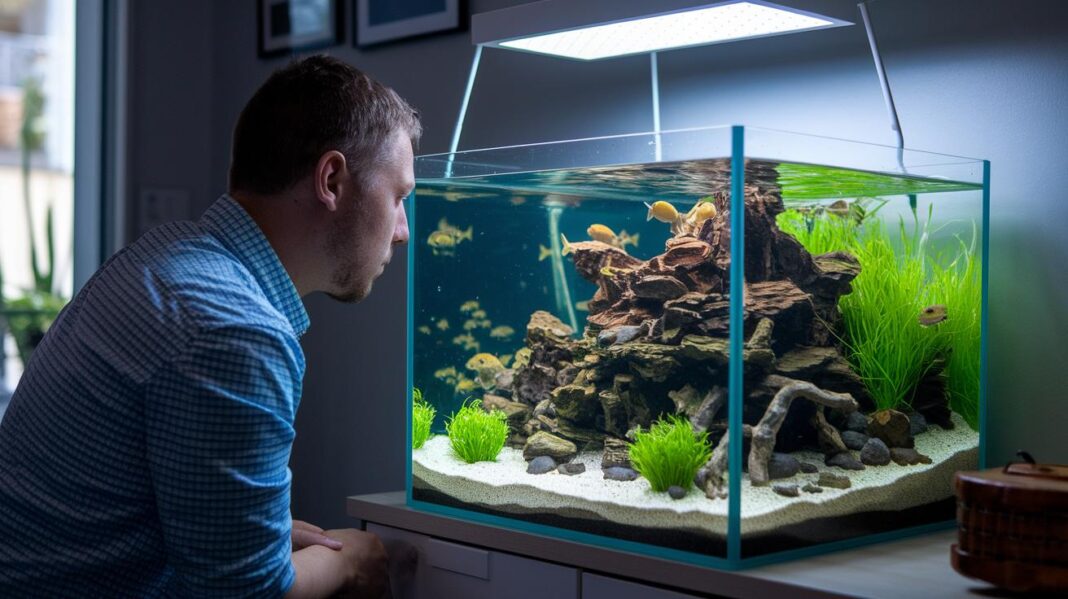

Have you ever noticed your tank water turning foggy, like a gentle mist over a quiet pond? It’s a bit like watching a clear stream become cloudy when you stir it up. This happens even after a water change, because tiny bits of dust and shifting nutrients can mix in.
But don’t worry! In this guide, I’ll share some simple, friendly tips to help you keep your aquarium water clear and sparkling. With a few easy steps and a little care, your fish can enjoy a home that looks as refreshing as a bright, sunny day by the water. Let’s dive in and create a space where clarity truly rules.
Proactive Cloudiness Prevention After Water Changes
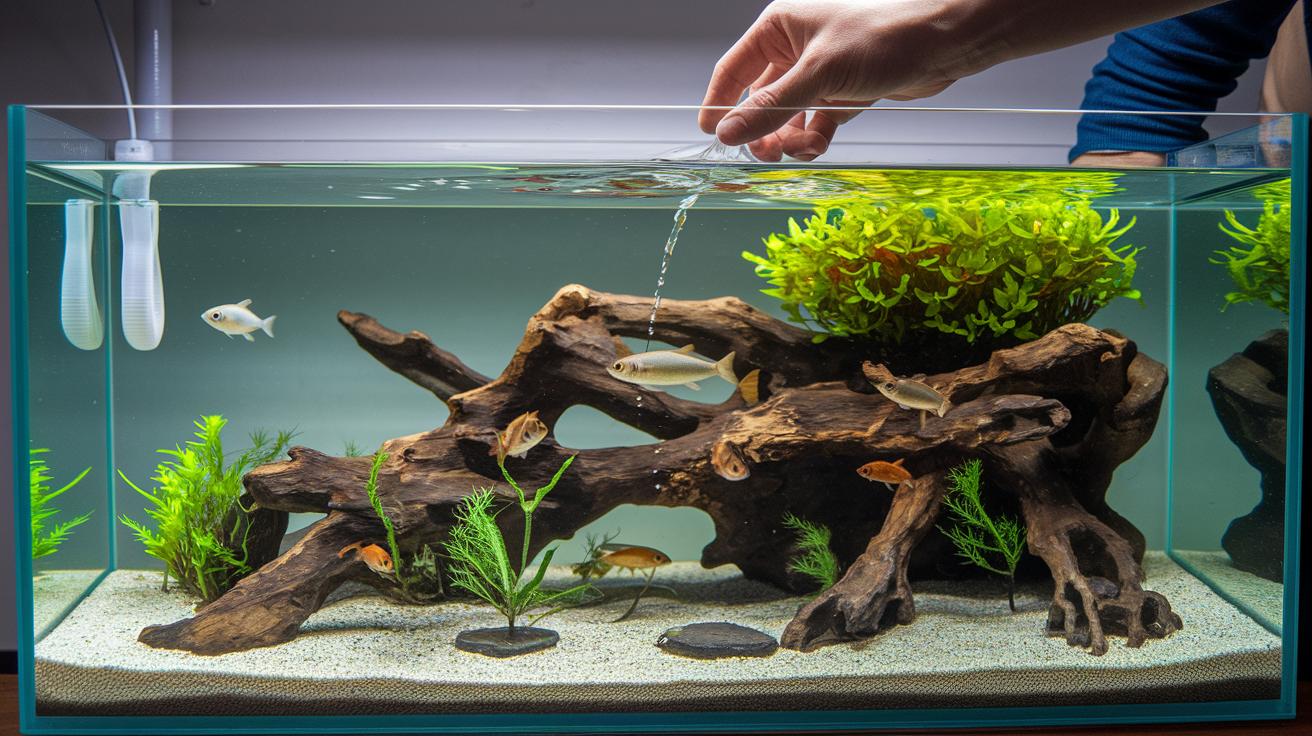
After you change the water in your aquarium, keeping it clear is super important. Think of it as making sure every ripple is just like a gentle splash in a mountain stream. Dust from new gravel and the sudden change in water can sometimes stir up particles, bacteria, and extra nutrients that cloud your tank, much like a small drop of food coloring brightening clear water.
Here are five friendly tips to help keep your tank sparkling:
-
Rinse new gravel well before putting it in your tank.
This step washes away the dust and tiny particles that might cloud your water. -
Change only about 25–30% of the water each time.
Keeping the change small helps your tank’s natural balance and avoids stirring up too many nutrients. -
Use a water conditioner for tap water.
This simple treatment gets rid of chlorine and chloramines, which can hurt the good bacteria in your tank. -
Do partial water changes instead of emptying the whole tank.
By keeping most of the water, you help preserve the tiny, helpful bacteria that keep your aquarium healthy. -
Check your water’s pH and temperature before a change.
Matching these basic settings to your tank prevents shocking your fish and keeps everything steady.
By following these easy steps, you'll enjoy a calm, balanced tank where your fish can thrive in clear, beautiful water.
Essential Filter Upkeep for Reliable Water Clarity

Filters are the unsung heroes of your aquarium, working quietly to keep the water sparkling like a clear mountain stream. They act like a sponge by catching tiny bits of leftover food, fish waste, and any other particles that might cloud your water after water changes. When these filters get clogged or aren’t in tip-top shape, unwanted debris and extra nutrients start to pile up. This can leave your water looking a bit dull and even stress your fish, which is never a good thing.
Regularly caring for your filter is like giving your tank a little spa day. It not only keeps the water flowing clear and beautiful but also helps maintain the delicate balance of friendly bacteria that work hard to break down waste in your aquarium.
Here are a few simple tips to keep your filter in great shape:
- Clean your filter sponges and cartridges every month using water from your tank, which helps the beneficial bacteria stay safe.
- Rinse or replace your filter media slowly, try to change no more than 30% at a time so the balance stays steady.
- Check the impellers and hoses often to make sure nothing is blocking the water flow; a quick look now and then can save you future hassles.
- Use gentle cleaning methods so you don’t accidentally wipe out the nitrifying bacteria that are key to breaking down fish waste.
Think of it like keeping your coffee machine in good order, a little routine care goes a long way in keeping everything running smoothly, ensuring that your fish always enjoy that clean, refreshing flow of water.
Balancing Water Chemistry to Avoid Post-Change Haze

Keeping your water chemistry stable is a lot like enjoying the gentle flow of a calm stream. When pH or hardness levels jump around too much, they can stir up bacterial blooms that make your tank look cloudy. Regular testing is your best way to catch tiny shifts before they turn into big problems. For example, if you notice a spike in ammonia from disturbed substrate or extra fish waste, it’s a clear sign to add a buffer solution. Simply put, when your water is balanced, your fish feel safe and happy, and you get to enjoy a sparkling view of your aquatic world.
A steady chemical balance means fewer surprises that might upset the natural feel of your tank. By checking your pH levels and hardness numbers often, you can gently adjust with remineralizers to keep everything in harmony. Buffer solutions help keep both GH and KH levels steady, which supports the beneficial bacteria that break down waste. This careful balance makes water changes feel less stressful and more like a soothing ripple in the water.
| Parameter | Ideal Range |
|---|---|
| pH | 6.5 – 7.5 |
| Ammonia | 0 ppm |
| General Hardness (GH) | 4 – 8 dGH |
| Carbonate Hardness (KH) | 3 – 6 dKH |
Promoting Beneficial Bacteria for Lasting Clarity

Right after a water change, add a bottled supplement full of nitrifying bacteria. This gives your bacterial colonies a quick boost, helping them bounce back within a day or two, kind of like giving them a nourishing snack after a swim.
Next, try not to disturb the gravel or filter media for a couple of days post-change. Let those friendly microbes settle down and grow in peace, finding their favorite little spots like fish choosing a cozy hideaway.
Also, handle your water changes with a gentle touch. Use just the right amount of water and keep chlorine levels low. This care helps keep the natural balance intact, so your bacteria can keep doing their important work without any stress.
You might notice the water getting a bit cloudy after a change, don't worry, that’s just the bacteria busy at work, munching away on extra nutrients. Usually, that cloudiness clears up on its own in a day or two, or sometimes within a week. With these simple steps, your aquarium will soon sparkle with lasting clarity, letting you enjoy a healthy, vibrant underwater world.
Debris and Nutrient Management to Minimize Cloudiness

Leftover food and fish waste can start a chain reaction in your aquarium. They add nutrients like nitrates and phosphates that feed algae and bacteria. Over time, these nutrients can turn your water cloudy. A few simple habits can keep your tank clear and create a healthy home for your fish.
Think of your aquarium like a calm pond. You need to address both solid debris and extra nutrients. For example, using a gravel vacuum during water changes helps scoop up dirt and broken-down bits before they release more nutrients. Regular cleaning also keeps biofilm and algae from taking over, much like washing off a slippery rock by the stream.
Here are four practical debris management tips:
- Use a gravel vacuum during water changes to scoop out sedimental debris.
- Remove uneaten food within five minutes after feeding so it doesn't decay.
- Feed only as much as your fish can finish to avoid wasting food.
- Scrub your aquarium glass once a month to wash away any film that may block the view.
These easy steps help control debris and nutrient levels, ensuring your aquarium stays bright and inviting.
Troubleshooting Persistent Cloudiness After Water Changes
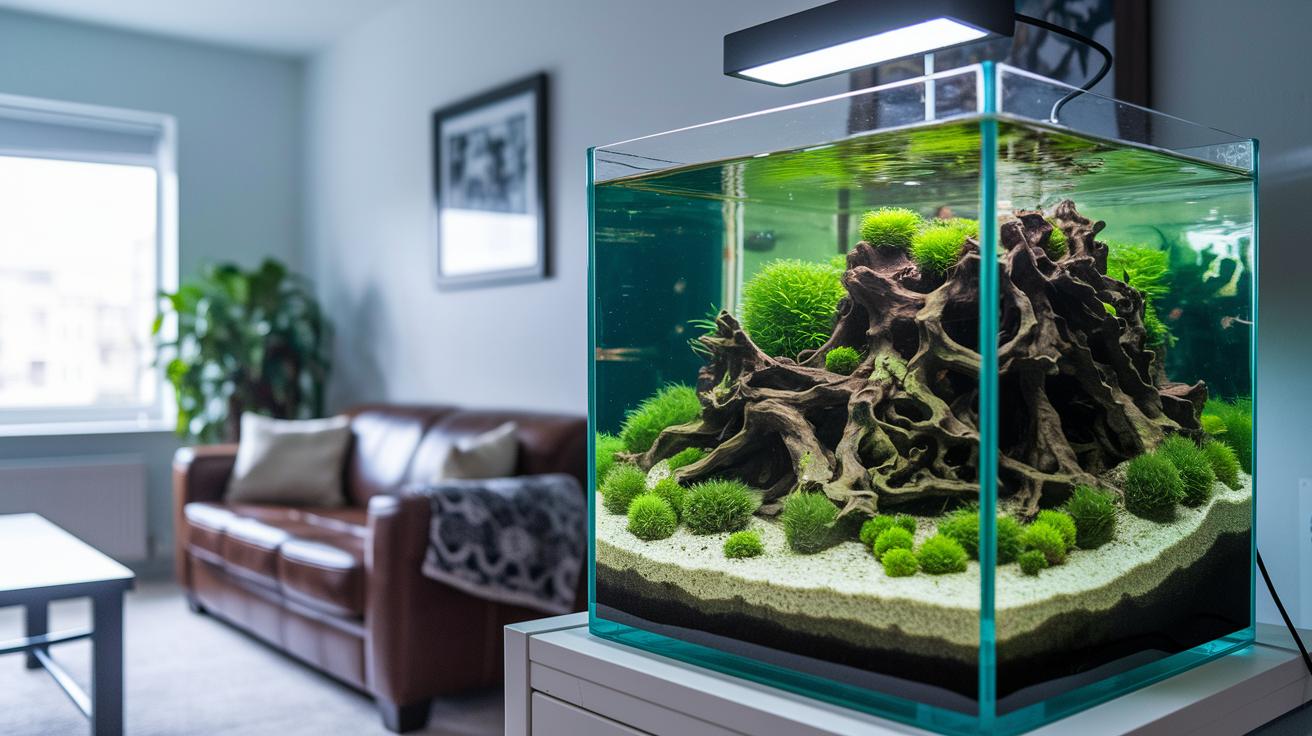
Sometimes, even after a water change, your tank might still look a bit murky, and that can feel confusing. Often, this cloudiness hints at underlying issues like extra nutrients or a hiccup in the natural balance of your aquarium. Knowing what type of cloudiness you’re facing can really point you in the right direction.
If your water shows a green tint, it might mean an algae bloom is on the move, often sparked by a bit too much light or extra nutrients. You can try using a UV sterilizer or cutting down the light hours a bit to help calm things down.
When your water turns brown, it’s usually a sign of tannins from driftwood or plant materials coloring the water. Adding activated carbon to your filter or doing an extra partial water change can help clear that up.
If the water looks milky white, that’s often a bacterial bloom at work. In this case, it’s a good idea to test your aquarium’s ammonia and nitrate levels to check if something is off in the balance.
And if you notice that the tank walls are cloudy, it might be due to a buildup of biofilm or algae. A gentle scrub using an algae pad and a rinse with an aquarium-safe cleaner can make your glass sparkle once again.
These easy fixes will help you figure out what’s causing the cloudiness and bring back the clear, calming water you want in your aquarium.
Final Words
In the action, we explored quick fixes for cloudy tanks by using detailed steps during water changes, maintaining filters, balancing water chemistry, boosting beneficial bacteria, and managing debris. Each segment offered simple tactics that work together for clear water. We also touched on easy measures to keep your aquatic environment calm and inviting. Remember, applying these techniques on how to prevent cloudiness after aquarium water changes can bring you one step closer to a vibrant and worry-free tank. Enjoy watching your aquatic world sparkle!
FAQ
Frequently Asked Questions
How do I naturally prevent cloudiness after aquarium water changes?
Naturally preventing cloudiness means rinsing new substrate well, limiting water changes to a small portion, using water conditioners, and preserving beneficial bacteria with gradual changes.
Why does my fish tank become cloudy within a day or two after a water change?
Cloudiness appearing within days can signal bacterial blooms or disturbed substrate. Testing water chemistry and making gradual changes helps let beneficial bacteria settle and clear the water.
What is the fastest way to clear cloudy aquarium water?
Quickly clearing cloudy water involves a gentle, partial water change, ensuring proper filtration, and adding a water conditioner to neutralize chlorine and any impurities.
How can I fix a bacterial bloom in my fish tank?
Fixing a bacterial bloom centers on adding nitrifying bacteria supplements, checking ammonia levels, and making small water changes to preserve colonies while letting natural bacteria regrow.
How can I stop aquarium water from going cloudy consistently?
To stop persistent cloudiness, keep up with filter maintenance, avoid overfeeding, remove detritus during water changes, and monitor water parameters to maintain a stable tank environment.
How long does cloudy water last in a new aquarium?
Cloudy water in a new tank can last a few days to a week as beneficial bacteria establish. Consistent, gentle care helps the bloom clear more quickly.
What products can help maintain clarity after a water change?
Using products like API Aquarium Accu-Clear, Seachem Purigen, and Seachem Prime Conditioner assists in managing chemical balances and removing impurities, keeping your water clear and your fish happy.