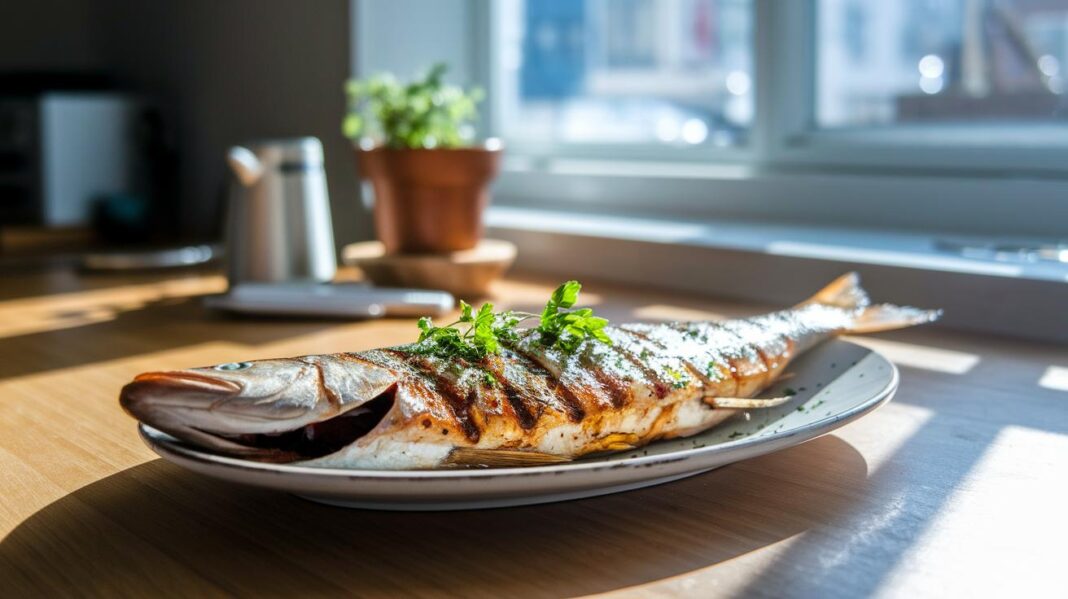

Ever thought about how the way you cook your fish might change its health perks? Whether you gently steam your fish or give it a light fry, each method tweaks the mix of good things like protein, vitamins, and those heart-healthy omega-3 fats, much like water currents that can shift smooth pebbles on the shore.
Cooking isn’t just about a delicious flavor. It’s similar to how different flows of water can either protect treasures or wash them away. Each cooking style helps keep some nutrients safe while letting others slip by, sort of like how calm or choppy water can change a fish’s journey.
Let’s dive in and explore each method, just like we’d swim through a clear, inviting stream. Which cooking style do you think best helps your fish stay in its healthiest form?
Overview of How Cooking Methods Affect Fish Nutrients
Steaming and poaching gently preserve most of a fish's water-based vitamins and antioxidants, about 80 to 90% of these delicate nutrients stick around. When you steam fish at roughly 95 to 100 °C, it keeps its natural goodness, much like a soft current that moves effortlessly without taking anything away. Boiling, while easy and convenient, can wash away up to 30% of these vital nutrients.
Grilling and roasting use higher heat, usually between 160 and 200 °C, which can cause you to lose around 15 to 25% of omega-3 fatty acids and 20 to 30% of vitamins. It’s a bit like how a warm fire adds a smoky flavor but tucks away some of the tender nutrients. In short, you get that charred aroma along with a little nutritional trade-off.
Frying, especially deep-frying at 180 °C, often reduces omega-3 levels by as much as 35% and cuts about 25% of vitamins. On the flip side, methods like sous vide, where fish is cooked slowly at a controlled 55 °C, preserve nearly 95% of its protein structure and around 90% of its vitamins. Air-frying is also a solid option, holding on to roughly 85% of omega-3 fats compared to regular frying.
Every cooking method changes the nutritional profile of fish in its own way. They affect protein quality, vitamin retention, and antioxidants, which means each approach not only gives your fish a unique taste but also different health benefits.
Water-Based Cooking: Steam, Boil, and Poach Effects on Fish Nutrients
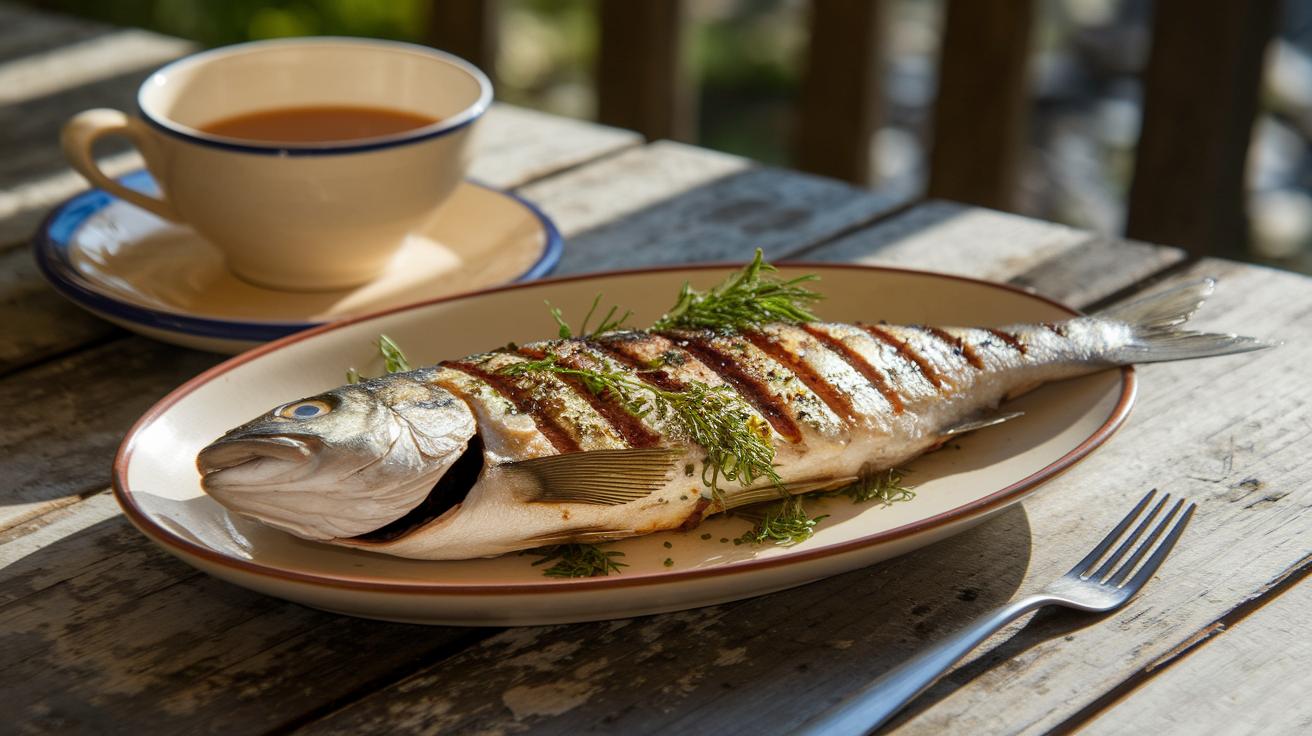
Steaming your fish at temperatures between 95 and 100 °C is a smart, gentle way to keep nearly 90% of those precious B-vitamins and antioxidants intact. It’s like watching calm ripples on a pond while knowing your fish is staying tender and full of good nutrients.
Poaching, which happens at a cooler 70 to 80 °C, does a great job too. This method keeps about 85% of the protein intact and holds onto roughly 80% of the omega-3 oils. Picture simmering your fish in a tasty broth where every piece stays soft, almost as if it’s soaking up little bursts of flavor with each bubble.
Boiling, however, might not be as kind. When fish is boiled in water at high temperatures, up to 30% of those water-soluble vitamins can slip away. To help keep more of those vital nutrients, try cutting down the cooking time or using a lower water temperature.
If you must boil, here’s a handy tip: cover the pot. This lets the nutrient-rich steam settle back into the liquid, ensuring that your fish stays healthy while tasting delicious.
Dry Heat Methods: Grilling, Broiling, and Roasting Impact on Fish Nutrition
Grilling fish gives it a nice, smoky flavor with a hint of char. When cooked at 200 °C, the fish keeps about 75-80% of its vitamins and holds onto around 70-75% of its omega-3 fatty acids. It’s a bit like letting nature add its own seasoning while still keeping the good stuff inside.
Broiling is a bit gentler, with a steady 180 °C temperature. This method still brings out a delicious taste and keeps roughly 72% of vital vitamins along with 70% of omega-3 fats. It’s a simple way to enjoy fish with a warm, home-cooked touch.
Roasting takes its time at about 160 °C. This slow and steady heat helps the fish hold nearly 80% of its healthy nutrients, including vitamins and antioxidants. It’s a balanced approach that blends pleasant flavor with a boost to your health.
Each cooking method uses its own sweet spot of heat to preserve the nutrients in the fish. Think of it like preparing a cozy meal by the water's edge, where every bit of warmth adds to the flavor without taking away the goodness.
| Method | Temp (°C) | Omega-3 Retention (%) | Vitamin Retention (%) |
|---|---|---|---|
| Grilling | 200 | 75–80 | 75–80 |
| Broiling | 180 | 70–72 | 72–75 |
| Roasting | 160 | 78–82 | 78–82 |
Frying and Sautéing Impact on Fish Nutrients
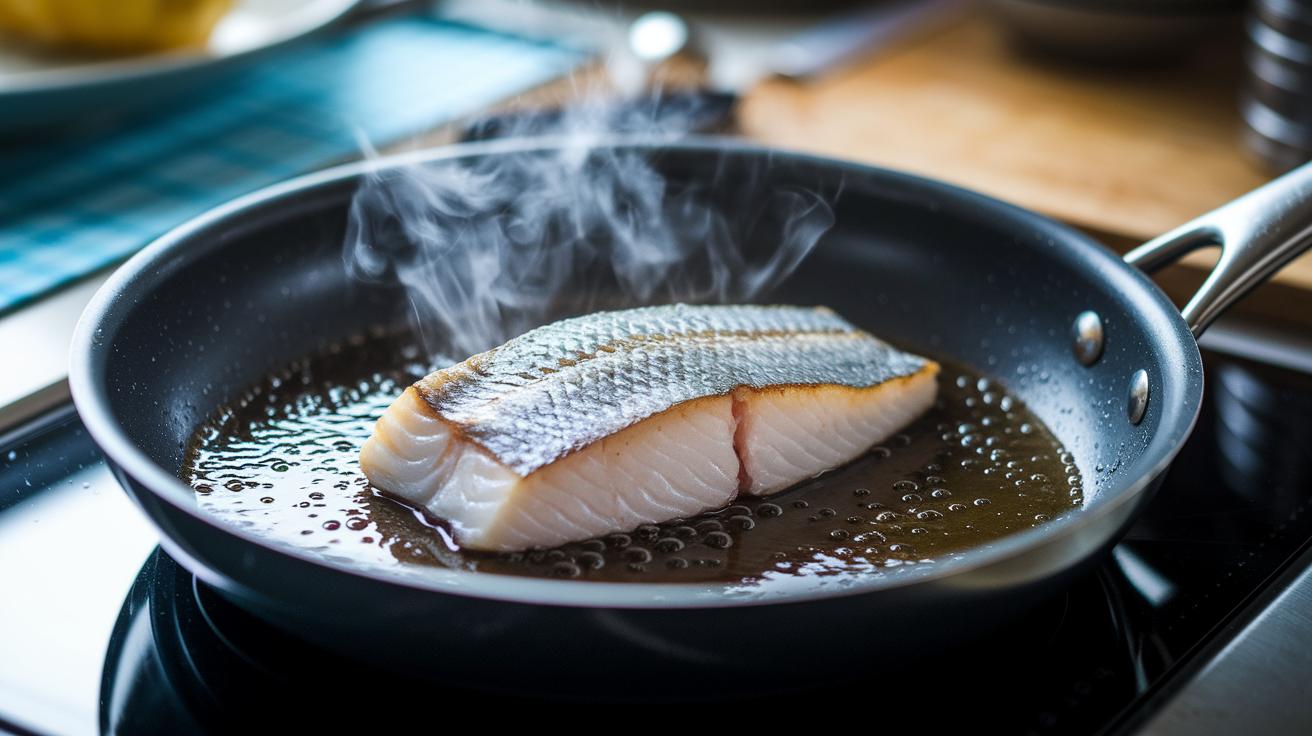
Deep-frying your fish at 180 °C for about 5 minutes might seem like a fast way to get dinner on the table, but it comes with a downside. The high heat and oil can cause the omega-3 fats to drop by 30–35% and snatch away about 25% of those lovely B-vitamins. It’s like watching the nutrients slip away in a fast current.
Sautéing is a gentler way to cook fish. When you keep the pan at around 150–160 °C, you can hold onto nearly 80% of the fish’s proteins and about 65% of its omega-3 fats. Imagine hearing the soft sizzle as your fish cooks slowly, sealing in its natural goodness with each gentle bubble.
Using oils that can handle high heat, such as avocado or grapeseed oil, really makes a difference. These oils form a protective layer around the fish, which helps slow down nutrient loss and keeps that delicate flavor intact. For DIY chefs who love their aquatic treasures, this method offers a tastier, healthier dish without the harsh effects of deep-frying.
Emerging Techniques: Sous Vide and Air-Fry for Optimal Fish Nutrient Retention
Have you ever wanted to cook fish while keeping all its natural goodness locked in? Recently, sous vide and air-frying have become popular ways to do just that, blending smart tech with a gentle touch.
Sous vide is like putting your fish in a warm, protective bubble. You seal it in a vacuum bag and cook it at about 55–60 °C for 30 minutes. This careful approach keeps more than 95% of those B-vitamins and over 98% of the protein intact. Chef Miranda even said it’s like tucking the fish in a gentle cocoon that preserves all its flavor and nutrients. The best part? New models can adjust the cooking time based on how thick your fish is, making sure it stays moist and tender.
On the other hand, air-frying gives your fish a crisp, delicious finish without needing lots of oil. Cooking at 160–180 °C, this method preserves around 85% of the omega-3 fats and antioxidants. With smart heat settings, the air-fryer protects the vitamins while adding a light crunch. As one expert put it, air-frying is all about balancing great taste with good health.
| Method | Temperature & Time | Nutrient Retention | New Features |
|---|---|---|---|
| Sous Vide | 55–60 °C, 30 min | B-vitamins >95% Protein >98% |
Digital controls, Time adjustment for thickness |
| Air-Fry | 160–180 °C | Omega-3 & antioxidants ~85% | Smart heat settings, Enhanced crisp control |
These modern methods mix science and art in the kitchen. They let you enjoy fish that’s both tasty and full of the nutrients nature intended, a true win for every fish lover.
Best Practices to Minimize Fish Nutrient Loss in Preparation
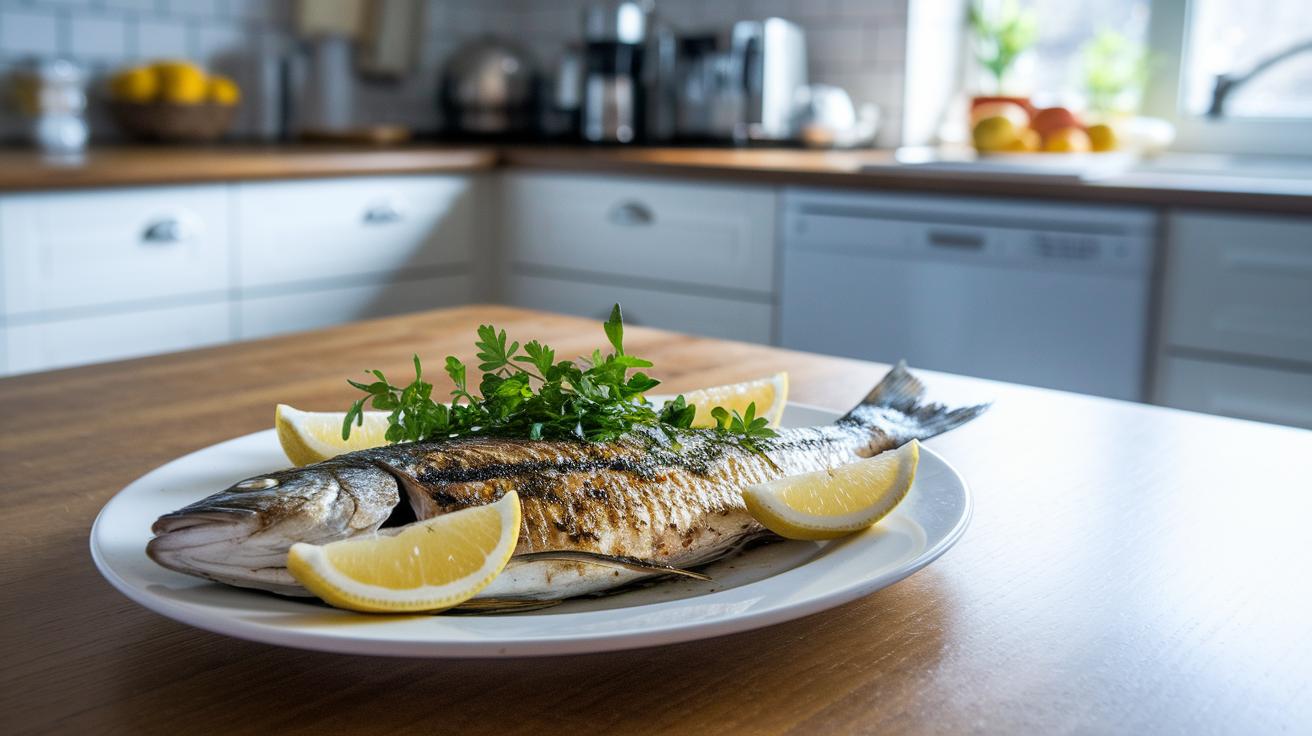
When you're setting out to cook your fish and want to keep all its natural flavor and goodness, a few simple hints can really make a difference. Think of these tips as friendly advice from one fish lover to another, much like swapping stories about your best aquarium catch.
-
Uniform thickness: Cut your fish into pieces that are about the same size. This ensures everything cooks evenly, much like when you slice a cake into equal pieces so each one tastes just right.
-
Citrus or herb marinades: A splash of lemon juice or a handful of fresh herbs can brighten up your fish. The tangy citrus and aromatic herbs work together to protect the delicate nutrients, like a cool stream mixing with gentle currents.
-
Low-temperature methods: Choosing soft cooking methods like steaming at 90 °C or using sous vide at around 55 °C means you treat your fish with care. It’s like letting a calm current carry your fish, preserving its sensitive nutrients.
-
Air-fry or grill with minimal oil: A light brush of oil, perhaps some avocado oil, helps the fish keep its good fats and antioxidants intact. The slight coating keeps the flavors smooth without overwhelming the natural taste.
-
Select oils with high smoke points: Oils like avocado or grapeseed are great choices because they can handle the heat. This way, your fish doesn’t lose the precious nutrients, staying as vibrant as a lively reef.
-
Limit cooking times: Keeping it quick, like steaming for 5 to 7 minutes or air-frying for about 8 minutes, ensures your fish keeps all its beneficial nutrients. It’s like catching just the right moment when the water sparkles in the sun.
-
Rest fish covered post-cook: Allow your fish to rest under a cover after cooking. This little pause lets the juices spread back through the fish, so every bite remains full of its natural, refreshing essence.
Final Words
In the action, this article has outlined how different cooking techniques, from water-based to oil-based to emerging methods, affect fish nutrients. Steaming, poaching, grilling, frying, sous vide, and air-frying each change vitamin, protein, and omega-3 levels in unique ways. It also shared simple tips to keep your plate both tasty and nutritious.
Try various approaches and adjust cooking times or oil types to produce dishes that respect the impact of cooking methods on fish nutrients. Enjoy nurturing your aquatic pet's favorite flavors!
FAQ
How do cooking methods affect the nutritional value of fish?
The cooking method affects nutrient levels in fish by altering proteins, vitamins, antioxidants, and omega-3 fatty acids. Techniques like steaming and sous vide tend to preserve nutrients, while higher heat can lead to greater nutrient loss.
Which cooking methods reduce or destroy fish nutrients?
High-heat methods such as grilling, broiling, deep frying, and prolonged boiling can reduce omega-3 levels and leach water-soluble vitamins. Using lower temperatures and shorter cooking times helps keep more nutrients intact.
Where can I find reliable sources on the impact of cooking methods on fish nutrients?
PDFs and Wikipedia articles on cooking methods and fish nutrients provide detailed explanations backed by science, offering clear data useful for both beginner and experienced cooks.