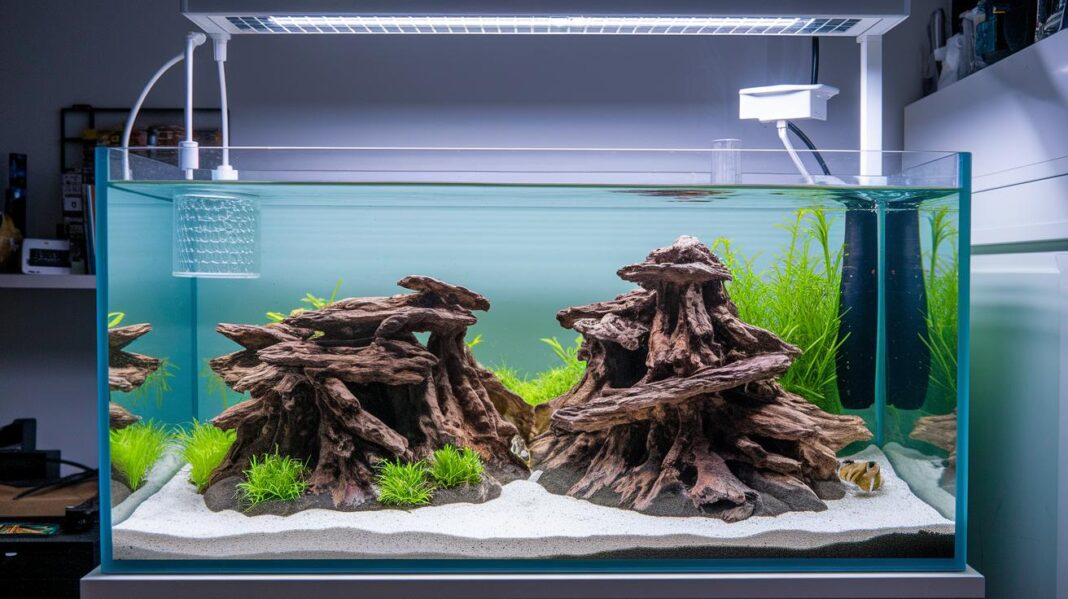

Ever thought that a simple water change routine could make a big difference in your fish’s world? Pouring water from a little height can help add more oxygen, making the tank feel fresh and lively. I tried this trick once and was amazed at how fast it worked. Here are some easy ways to mix up your water routine and give your fish a home that feels extra welcoming. Let’s dive in and see how a few smart tweaks can really boost the health of your aquatic pals.
Improving Oxygen Levels Rapidly During Aquarium Water Changes
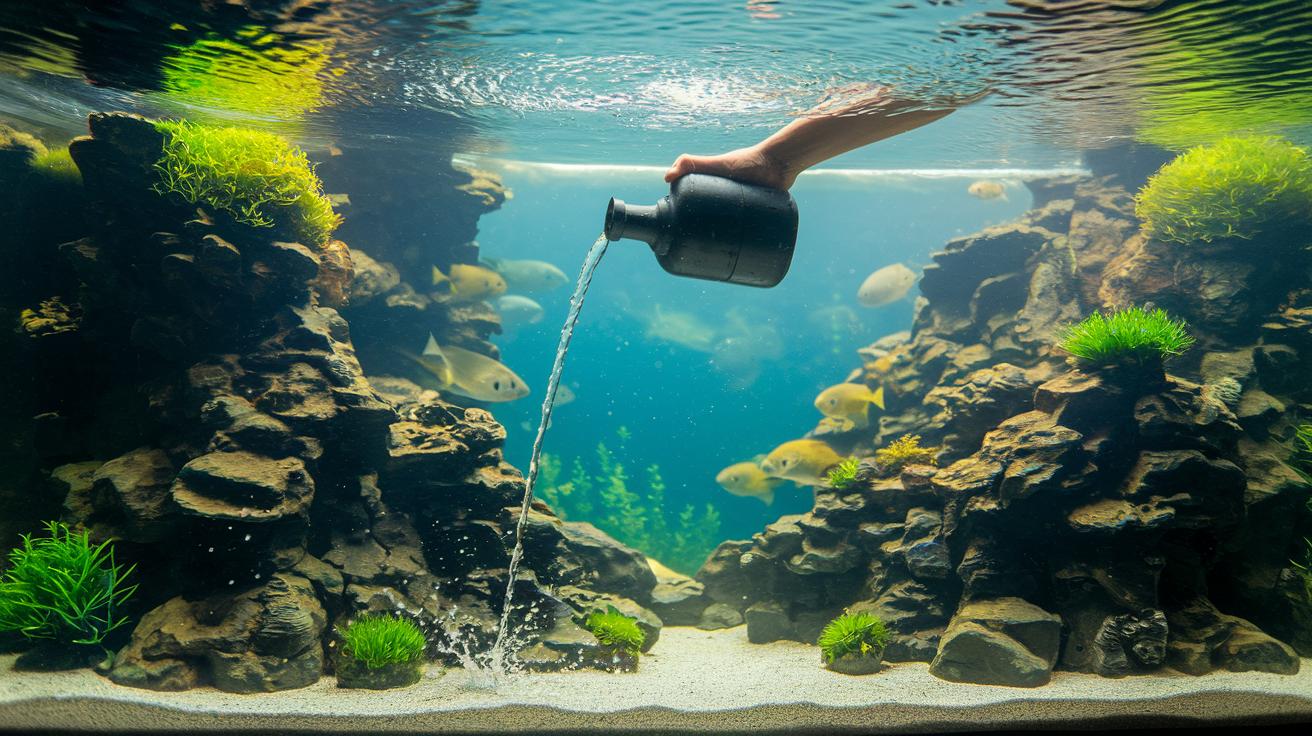
Pour water from a height to give your aquarium a quick oxygen boost. When you let water fall, it splashes and stirs the surface so oxygen mixes in fast. Think of it like making a cool drink refreshing on a hot day.
You can also stir your tank gently during water changes to blend the water well. Swapping out up to half of the water helps replace tired water with fresh, oxygen-rich water in no time. These quick tricks usually get your oxygen level to about 80 to 110 percent while keeping dissolved oxygen around 6 to 8 mg/L.
If your water feels too warm, try cooling it with ice cubes placed in sealed bags. Pair that with a small fan blowing over the tank’s surface to spread the fresh, cool air. This combo helps create a nice, healthy environment for your fish.
And in a real emergency, like during a power outage, a battery-powered air pump can keep the water moving and maintain steady oxygen levels.
| Method | Advantage |
|---|---|
| Pouring Water From Height | Creates splashes that mix oxygen quickly |
| Manual Stirring & Large Water Change | Replaces old water with fresh, oxygen-rich water |
Selecting and Tuning Aeration Devices for Oxygen Boost During Water Changes

There are several great options for adding extra oxygen to your tank. Air pumps with air stones, hang-on-back filters, and spray bars for canister filters each bring something special to your aquarium. Air pumps with air stones, for example, create a steady flow of tiny bubbles that gently boost oxygen without startling your fish. I once set up an air pump with a ceramic air stone, and watching the soft bubble cascade was like seeing a light summer drizzle in your own little underwater world.
It's important to match the pump's power to your tank's size. If your pump is too weak for a large tank, there won't be enough oxygen, and if it's too strong, it might stress out your fish. A quick tip: always check your pump's specs against your tank volume. This simple step can save you a lot of trouble and keep your aquatic pals happy.
When you're putting together your aeration setup, remember to add a check valve. This nifty tool stops any water from flowing back into your pump. Plus, using suction cups to secure your airline tubing along the tank walls not only keeps things neat but also helps maintain a steady flow of air. Adjusting the airflow with a control valve is key, too. Too many bubbles can unsettle your delicate fish, while too few won’t provide enough oxygen for a healthy tank.
Having a battery backup air pump is a smart move. If there's ever a power outage, these pumps kick in automatically to keep the oxygen levels just right, so your aquatic friends never miss a beat.
| Device | Key Benefit |
|---|---|
| Air Pump with Air Stone | Consistent, fine bubble production |
| HOB Filter | Enhances surface agitation while filtering |
| Spray Bar | Improves oxygen infusion in canister filters |
Enhancing Water Circulation and Gas Exchange During Water Change Routines

When you move the water around more, it's like giving your tank a breath of fresh air. Try putting air stones near where the filter sends water out or by the pump's outlet. They release a steady stream of tiny bubbles that mix the fresh, oxygen-filled water with the rest of your tank. It’s like watching little ripples spread across a calm pond, inviting the air to join in.
You can also give your filter a little tweak by changing the direction of its intake. This simple shift creates gentle ripples on the surface that help swap out oxygen-poor water for water that's full of oxygen. It’s a neat trick that keeps your fish feeling lively and full of energy.
Instead of stopping your water change all at once, try a steady, slow approach. You might, for example, siphon out some of the old water while slowly adding in the fresh, oxygen-rich water. This method helps lower the buildup of carbon dioxide and keeps plenty of oxygen in your tank, much like a balanced, refreshing stream.
Don't forget to check on your pump too. Taking a moment to clean the impellers and ensure everything is flowing well can make a big difference. When your pump is in top shape, it keeps the water moving smoothly, which means better gas exchange and a happier home for your fish.
Monitoring Dissolved Oxygen Levels Throughout Water Change Practices

When you change the water in your tank, it's really important to watch the oxygen levels. Ideally, you want the dissolved oxygen to be around 6 to 8 mg/L with a saturation level between 80 and 110%. Keeping these numbers steady helps create a balanced, healthy home for your fish.
You can check these levels using a chemical test kit or an electronic DO meter, a handy tool that tells you how much oxygen is in the water. For example, you might say, "I measured 7 mg/L before the water change and 8 mg/L afterward." This little check reassures you that your new water has a good boost of oxygen.
It’s also smart to keep an eye on the water temperature. Warmer water holds less oxygen, so even a small rise can mean less oxygen for your aquatic buddies. Regular temperature checks can help you catch any issues before they affect your fish.
Sometimes your fish give you signs too. If you see them gasping at the surface or looking unusually tired, that might be a signal to check the oxygen levels more closely.
- Schedule regular dissolved oxygen checks
- Use both chemical and electronic tools to test
- Adjust the water temperature when needed
These tips help catch potential problems early, ensuring that your fish always have plenty of oxygen to keep swimming happily.
Advanced Techniques for Improving Oxygen Levels During Water Change Procedures

Precision Gas Infusion with Venturi Systems
Ever marvel at how a smart little trick can boost your tank's oxygen? With a venturi system hooked to your pump, water flows through a tight space that pulls extra air right in. It's like watching a secret air gate open up, gently mixing oxygen into your water. This natural process gives your fish a friendlier environment and keeps the water fresh and inviting.
Temperature Control and Oxygen Solubility
Using replacement water that's been pre-cooled is a simple, smart move to keep your tank's oxygen levels just right. By letting the cooler water mix slowly with the warm tank water, you avoid sudden temperature shocks that can stress your fish. This gradual blending makes sure oxygen stays well dissolved, keeping your aquatic friends active and comfortable.
Ensuring Safe Dechlorination and Parameter Balancing
Before you add new water to your tank, treating it with a dechlorinator is key. This step helps remove chlorine and any heavy metals that could upset your fish. Follow a simple guide to adjust pH, ammonia, and nitrite levels so everything blends smoothly with your tank's natural filter. This careful balancing act ensures your water change not only boosts oxygen but also keeps the chemistry steady and safe for all your tank residents.
When you use these thoughtful techniques together, you’re creating a lively, balanced underwater world that reduces stress for your fish. It’s like setting up a peaceful, sparkling home where every ripple brings a sense of calm and care.
Final Words
In the action, we covered simple actions to boost oxygen during aquarium water changes, from pouring water from a height to create lively ripples to using air pumps that keep the water moving even when the power goes off. We talked about setting up the right aeration devices and keeping a close eye on dissolved oxygen levels. Each tip works together to support a healthier, more comfortable underwater home. Keep experimenting with these methods, and enjoy improving oxygen levels during aquarium water changes.
FAQ
How do aquarium water changes improve oxygen levels in the tank?
Changing your aquarium water boosts oxygen levels by replacing older, less oxygenated water with fresh, well-oxygenated water. This process enhances gas exchange, which supports better fish health.
How can I naturally increase oxygen in my fish tank and water?
Naturally increasing oxygen in your fish tank involves adding water from a height to boost surface agitation and manually stirring the water. These methods enhance natural gas exchange without using complex equipment.
How do I add oxygen to my fish tank quickly?
Adding oxygen fast means creating extra water movement during your water change. Pour water from a height or give the tank a gentle stir to quickly mix in oxygen-rich water for immediate boosting.
How can I oxygenate my fish tank without using a pump?
You can oxygenate your fish tank without a pump by manually stirring the water or pouring replacement water steadily over the tank’s surface. These techniques promote enough water movement for proper oxygen levels.
What are the signs of low oxygen in a fish tank?
Signs of low oxygen include fish gathering at the surface, rapid gill movement, and restlessness. If you observe these behaviors, your tank might need improved air and water circulation.
How do I increase water movement in my fish tank?
Increasing water movement involves positioning air stones near filter outflows, adjusting filter flow direction, or adding a gentle brushstroke of water. This improved circulation enhances gas exchange at the surface.
What causes low oxygen levels and depletes oxygen in a fish tank?
Low oxygen can result from poor water circulation, high organic waste, or overheating water, all of which impede natural gas exchange. Avoiding overcrowding and regular maintenance helps maintain optimal oxygen levels.
How long does it take to fully oxygenate a fish tank?
Oxygenating a fish tank is immediate to an extent, but reaching full saturation may take a few hours to ensure uniform dissolved oxygen throughout, especially after significant water changes.