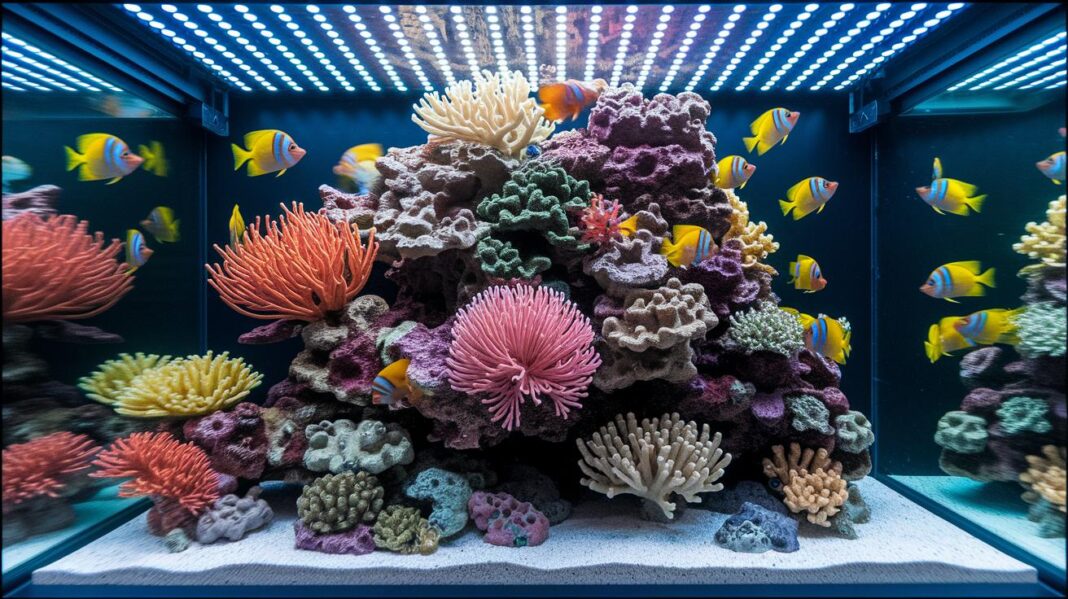

Ever thought that just a few changes could turn your reef tank into a lively underwater playground? When the water gets cloudy and the balance is off, it doesn’t just stress out your fish and coral; it can throw your whole setup off kilter.
In this guide, we share simple tips to keep your water clear and balanced. Start by checking important water levels and making regular water changes. Then, use a good filter, the system that cleans your water, to create a healthy space. Picture your tank as a cozy home where every creature can swim happily, as soothing as watching gentle ripples on a quiet pond. Dive in and discover how to boost your reef tank’s water quality and enjoy a vibrant underwater world.
Key Strategies for Improving Water Quality in Reef Fish Tanks
Keeping your reef tank's water fresh and balanced is the first step in creating a happy underwater world. Clean water means fewer toxins, which helps your fish and coral thrive. When the water is clear, good bacteria multiply and keep harmful compounds like ammonia and nitrite under control. This sets the stage for vibrant coral growth and lively, healthy fish.
A steady water environment can save you a lot of headaches. It means fewer unexpected problems and less time fixing things. When every part of your reef tank, from the tiniest microbe to the brightest coral, has just the right water chemistry, it's like they’re all dancing together in perfect harmony.
Here are some simple steps to help keep your water in top shape:
- Do a 10–20% water change either every week or every other week.
- Check key water parameters, like pH, KH (which helps control acidity), salinity, and nitrogen levels.
- Use a water conditioner to get rid of chlorine and heavy metals.
- Invest in quality filters; think of them as your tank’s natural cleaning crew handling mechanical, biological, and chemical jobs.
- Grow beneficial bacteria using seeded media and refugia to naturally balance your tank.
By keeping up with these basics, you set your reef tank up for long-term success. Regular water changes and testing are like a gentle ripple that clears out the old and makes way for the new. And pairing these routines with a strong filtration system helps rid your tank of unwanted particles and toxins. If you ever need more detailed ways to boost your water flow and overall tank performance, check out our guide on improving water circulation in your aquarium ecosystem at Sweetfysh.com. Each tip brings you closer to turning your reef tank into a thriving underwater paradise.
Monitoring Water Parameters for Optimal Reef Tank Water Quality
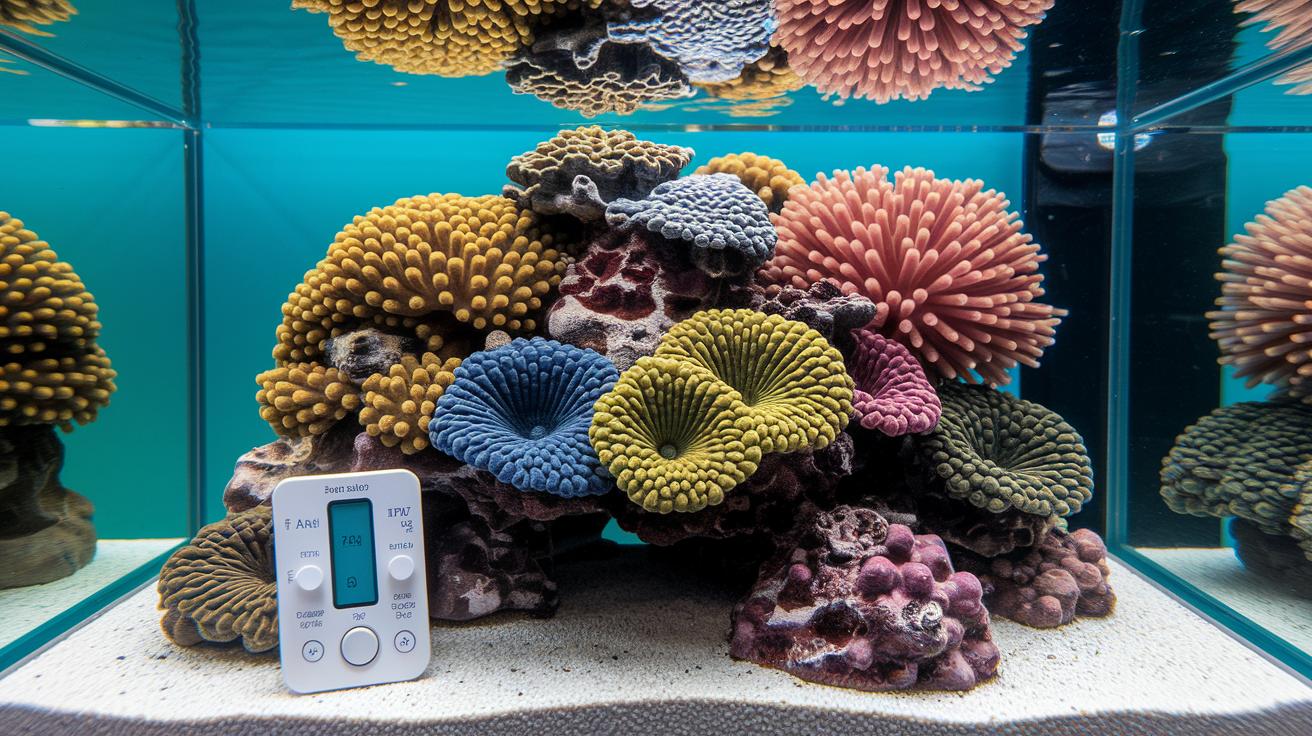
Keeping your reef tank in tip-top shape is a bit like tending to a little underwater garden. Regularly checking your water helps you catch any issues early and keeps your corals and fish happy. Think of it as giving your tank a gentle check-up to make sure everything feels just right.
pH and Alkalinity Measurements
Grab a trusted test kit or probe to measure your tank’s pH and alkalinity, this is a great way to keep the water balanced. You want your pH to fall between 8.1 and 8.4. If you see any shifts, adding a commercial reef buffer can help smooth things out. A quick weekly check can save you from unexpected changes, keeping your tank as calm as a quiet pool.
Salinity and Temperature Checks
For salinity, a refractometer is your best friend; it tells you if your salt levels are just right (around 35 ppt). If you want extra peace of mind, you can always verify with a hydrometer. As for temperature, aim for a cozy range between 76 and 80 °F, think of it as keeping the water as comfortable as a warm summer day. Just like tuning an instrument, calibrate your tools regularly to keep your measurements spot on.
Nitrogen Compounds and Phosphate Levels
It’s important to keep an eye on nitrogen compounds like ammonia, nitrite, and nitrate. Using test strips or liquid kits can help you stay on track. Ammonia and nitrite should always sit at zero, and trying to keep nitrate below 25 ppm will help your corals flourish. Low phosphate levels also matter so that your corals get just the right amount of light for photosynthesis without inviting too much algae.
Calcium, Magnesium, and Trace Elements
For a thriving tank, calcium and magnesium levels need attention too. Titration tests can guide you in aiming for around 400–450 ppm of calcium and 1,250–1,350 ppm of magnesium. By following a dosing schedule, you’re not only nourishing your tank but also supporting the sturdy skeletons of your reef inhabitants. It’s like giving your underwater community the right ingredients to stay vibrant and strong.
Advanced Filtration Methods for Saltwater System Quality Enhancement
When it comes to reef tanks, multi-stage filtration is like having a trusted team of little helpers that keep the water crystal clear. Each part works in its own special way, some catch tiny bits of debris, while others break down and remove harmful chemicals. For example, mechanical filters act like a gentle net that traps particles making the water look cloudy. Meanwhile, biological media are busy little bacteria that turn dangerous ammonia into safer nitrate. It’s kind of like having a natural cleaning crew right in your tank.
Chemical media take on excess toxins and unwanted phosphates, which can upset the balance for your reef fish and corals. And protein skimmers? They sweep away dissolved organic waste before it even has a chance to stir up trouble. Sometimes, a UV sterilizer is added to the mix to give a final pass, zapping harmful algae and bacteria with a cool, soft glow of light. Together, these techniques let you adjust your setup whether you’re handling a small school of fish or a bustling reef community.
Using smart filters, including eco-friendly artificial coral inserts and sump reactors, lets you tailor your system to what your reef really needs. It’s a bit like choosing just the right ingredients for your favorite recipe, each element plays a role in keeping your underwater garden balanced and beautiful.
| Method | Primary Function | Maintenance Frequency |
|---|---|---|
| Mechanical Filtration | Particulate removal | Weekly rinse |
| Biological Filtration | Ammonia → nitrate conversion | Monthly media refresh |
| Chemical Filtration | Toxin & phosphate adsorption | Biweekly media swap |
| Protein Skimmer | Organic waste extraction | Clean cup twice weekly |
| UV Sterilizer | Pathogen reduction | Bulb replacement annually |
Each part of your filtration setup plays its own role like members in a band, all working together to keep your water clear and healthy. When things don’t feel quite right in the tank, these methods help you troubleshoot and gradually improve the water quality. It’s pretty amazing how combining the right kind of filters can transform your reef into a peaceful, balanced oasis.
Stabilizing Core Water Parameters: pH, Salinity, Temperature and Trace Elements
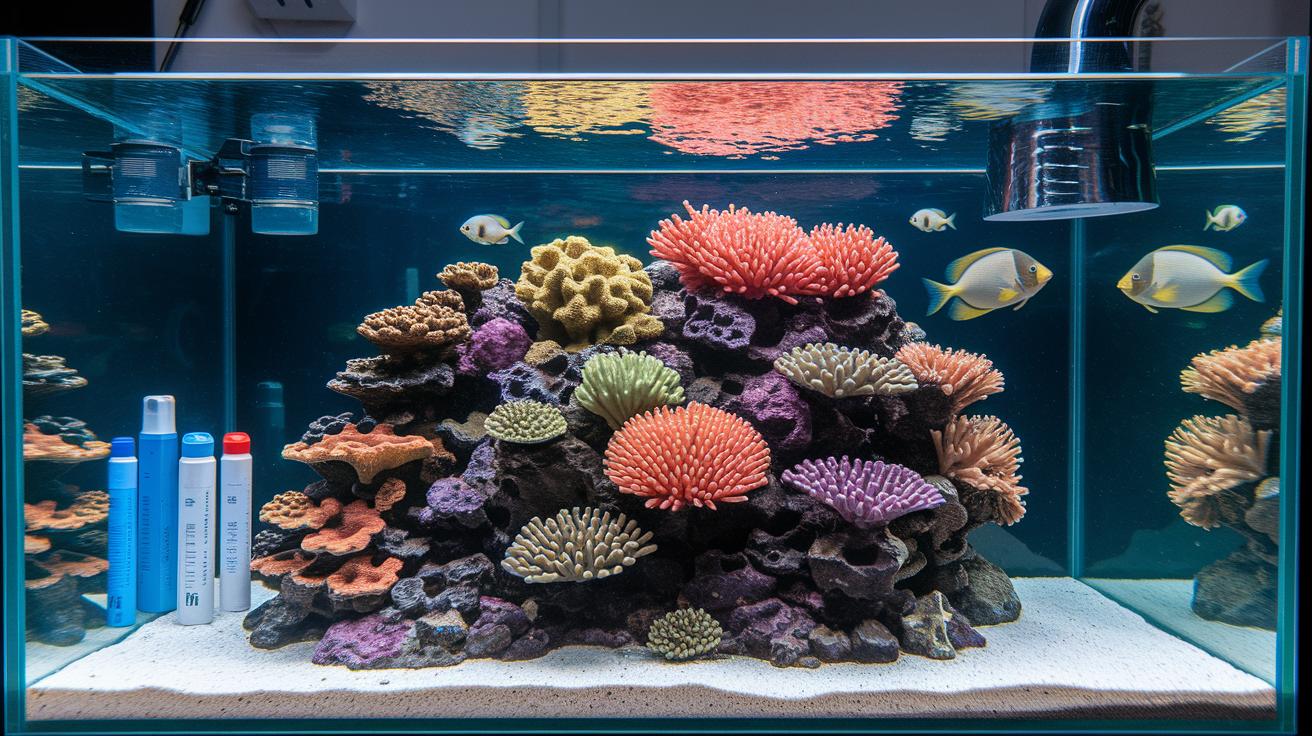
When your tank's pH falls outside the cozy 8.1 to 8.4 range, start by recording your readings and noticing any recent water changes. Then, check if your equipment is set right or if some organic buildup is messing with the numbers. I once saw a sudden dip in pH, so I recorded measurements every day for a week to catch a clear trend before making any fixes.
Salinity and temperature need a similar gentle touch. Instead of just tweaking the numbers, note them down and compare with past data to see how things usually run. If your refractometer or temperature controller seems off, it might be time to recalibrate them. For example, if your tank's temperature jumps out of its usual 76 to 80°F span, spend a few days checking both the heater and the chiller, and review your RO/DI top-off schedule to help pinpoint the issue.
Handling trace elements like calcium and magnesium calls for a bit more detective work. Instead of following your usual dosing routine blindly, take a closer look when you see levels straying from their targets (calcium around 400–450 ppm and magnesium near 1,250–1,350 ppm). Give your dosing equipment a thorough check to ensure the reactor is working well and that no reagents have lost their spark. If you notice an unexpected change in calcium, inspect your dosing baths and reactor flow like you're giving your system a careful check to bring things back into balance.
Managing Nutrient Cycling and Algae Control for Reef Tank Water Quality
In a busy reef tank, the natural nutrient cycle is like the gentle pulse of underwater life. Live rock and sand serve as cozy homes for bacteria that turn harmful ammonia into nitrite and then into nitrate. This smooth process helps keep waste levels low, easing stress on your delicate coral and fish. I once heard from a fellow aquarist who simply kept their live rock healthy, and soon, their water sparkled clear, nature’s own little cleanup team doing its magic.
Keeping nitrates and phosphates under control is essential for a happy coral aquarium. You want to keep nitrate levels below 25 ppm to avoid stressing your marine pals, while keeping phosphates under 0.03 ppm helps stop too much algae from growing. You might use chemical media or even some macroalgae in your refugium, which is like a safe space for these beneficial plants to help remove extra nutrients and maintain balance.
Watching out for extra organic waste starts with smart feeding. Overfeeding can lead to a messy buildup of detritus, so it’s wise to offer just the right amount of food. Adding a cleanup crew, such as snails or hermit crabs, can really help nibble away any excess food bits. This natural cleanup not only stops nutrient spikes but also makes your tank a calm and clear place, each feeding becomes a little act of care.
Innovative approaches to keeping algae under control include tweaking your lighting and refugium flow. By adjusting your light schedule, you can slow down the growth of pesky algae while letting beneficial macroalgae thrive and out-compete them. With just the right mix of light and water movement, your tank stays balanced and your coral gets to enjoy clean, nutrient-friendly water.
Routine Maintenance and Scheduled Water Exchanges for Reef Tank Clarity Upgrades
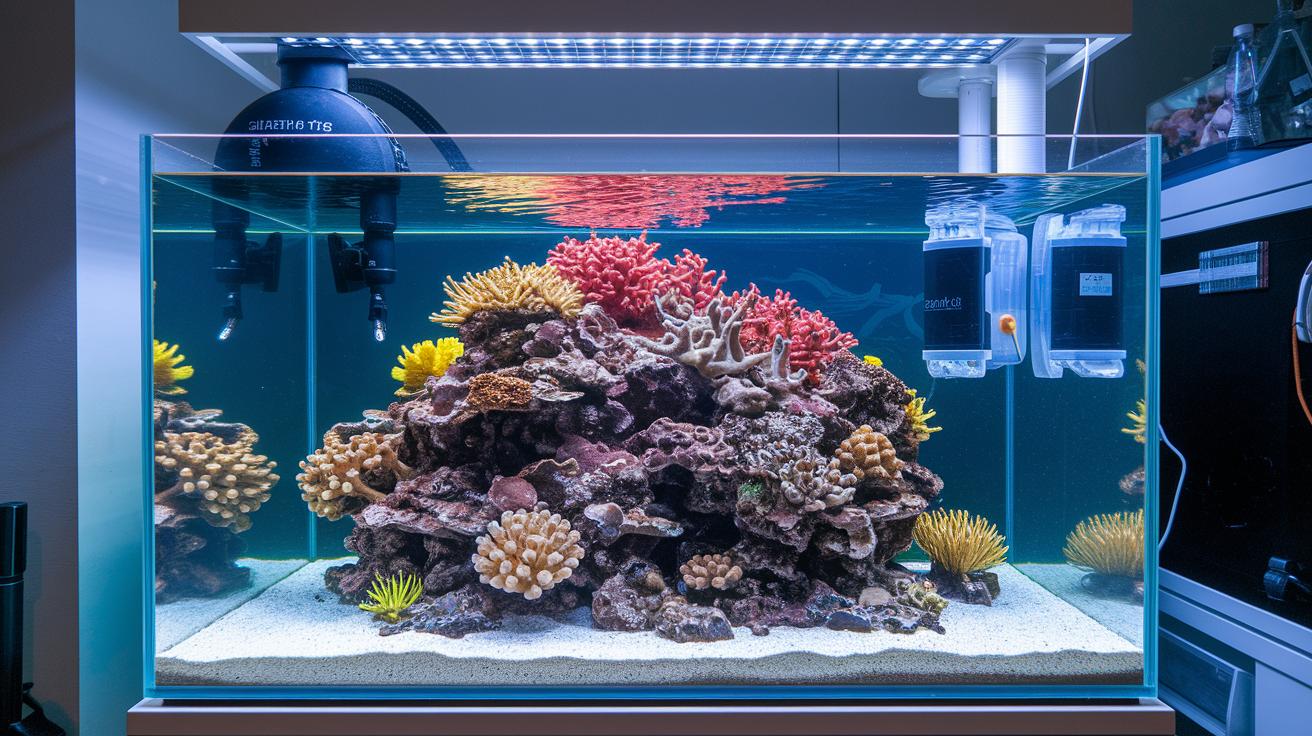
To keep your reef tank as clear as a mountain stream, try swapping out 10% to 20% of the water every week or every other week. For example, a 15% change each week can gently wash away waste while keeping your tank sparkling.
Don't forget to care for your filters too. Rinse or replace the mechanical media monthly and refresh the carbon and phosphate media every two weeks. A quick monthly rinse can help your filters run smoothly and keep unwanted impurities at bay.
Also, give your substrate a good vacuum on a regular basis to sweep away debris, and clean all your equipment and glass with reef-safe cleaners. Topping off the tank daily with conditioned RO/DI water keeps the salt level just right, creating a stable and healthy home for your aquatic friends.
Leveraging Cutting-Edge Technology and Smart Sump Integration for Reef Tank Water Quality
Your reef tank’s sump system is now like a busy underwater workshop. It brings together protein skimmers, reactors, and refugia in one neat package beneath your main tank. This setup not only keeps unwanted organic compounds in check but also creates a comfy home for the good bacteria that naturally balance your water. It’s like having a well-organized team working behind the scenes to keep your tank sparkling clean.
Automated top-off systems add another layer of care by keeping up with evaporation and salinity changes. And with dosing pumps carefully adding calcium and alkalinity, your tank gets the essential ingredients to support strong coral skeletons and healthy life. This smart automation means you spend less time guessing and more time enjoying the beauty of your aquatic world.
Real-time monitoring is the cherry on top. With simple sensor probes checking pH, temperature, ORP, and salinity, you get instant feedback on your tank’s health. If anything goes off track, you receive a quick alert on your phone. Plus, circulation pumps and wavemakers create gentle currents that mimic natural reef flows, ensuring your underwater paradise remains calm and inviting every day.
Final Words
In the action of setting up and maintaining a thriving reef tank, every step counts. We touched on steady water changes, careful testing of key water parameters, and multi-stage filtration to keep your underwater world healthy. You saw how smart sump setups and modern tech bring convenience and stability, while maintaining essential conditions supports both coral and fish. By following these practices, you’re making real strides toward improving water quality in reef fish tanks, ensuring a clear, balanced, and joyful aquatic home.
FAQ
How can I naturally improve water quality in my reef fish tank and increase clarity?
Improving water quality naturally means adjusting water changes, testing key parameters, using conditioners to remove harmful chemicals, and supporting beneficial bacteria by optimizing filtration. Regular water exchanges keep the water clear.
What are common signs of poor aquarium water quality?
Poor water quality is evident from cloudy water, stressed fish behavior, sudden algae blooms, and irregular test readings. Regular monitoring and observation help catch issues early.
How do I fix poor water quality in my fish tank?
Fixing water quality involves performing water exchanges, cleaning filters, and monitoring water chemistry. Consistent maintenance, waste removal, and treating tap water can quickly restore balance.
Can I get a reef tank water parameters chart?
A reef tank parameters chart outlines ideal ranges for pH, KH, salinity, and other key metrics. It acts as a quick guide for maintaining the proper conditions in your tank.
How can I make reef tank water crystal clear?
Crystal clear water results from routine water changes, efficient filtration, and consistent testing. Removing excess waste and using the right equipment all contribute to a clear display.
How can I reduce KH in my reef tank naturally?
Reducing KH naturally may involve using RO/DI water for top-offs or dilution, allowing natural processes to balance the buffering capacity. Regular testing helps you know how much adjustment is needed.
Is a salinity reading of 1.030 too high for a reef tank?
A salinity reading of 1.030 can be above the typical range. The ideal target is around 35 ppt (approximately 1.026 to 1.028), so topping off with fresh RO/DI water might be needed.